Does Homeschooling in a Huge Family Help or Hurt Social Development?
Ask about Ex-Homeschoolers Club
Episode Description
Want to be alerted when new episodes drop? Join the newsletter: https://exhsclub.beehiiv.com/
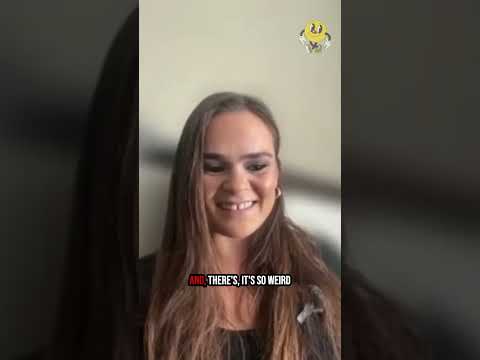
In this episode of The Ex-Homeschoolers Club, I sit down with Julius, one of 12 siblings, to unpack what it was like growing up in a massive homeschool family led by a pastor dad. From the chaos of daily life in a household of 14 to navigating the isolating years of COVID, Julius shares candidly about academic challenges, sibling dynamics, extracurricular outlets, and ultimately, a journey of questioning faith and identity. We explore the highs and lows of homeschooling in a big family, the tension between church and education, and how discovering a love of learning outside those boundaries shaped Julius into who they are today. This conversation is raw, real, and deeply relatable for anyone who’s grown up homeschooled, in faith-heavy environments, or simply searching for identity beyond the structures they were raised in.
*Key Takeaways:* - Life inside a homeschool family of 12 kids: chaos, support systems, and sibling dynamics. - Balancing academics with church commitments under a pastor parent. - The impact of COVID on socialization, isolation, and extracurricular opportunities. - Julius’ journey of self-discovery, questioning faith, and embracing identity. - Why cultivating curiosity and a love of learning matters beyond traditional schooling.
*Timestamps:* 00:00 Introduction and Welcome 01:13 Meet Julius: Growing Up in a Big Homeschool Family 01:50 Homeschooling Dynamics and Daily Life 06:06 Academic Challenges and Achievements 14:08 Socialization and Extracurricular Activities 16:53 Impact of COVID-19 on Homeschooling 27:14 Deconstructing Faith and Personal Growth 33:59 Realizing the Fallibility of Beliefs 35:33 Exploring Other Religions 36:44 Questioning Faith and God's Existence 39:28 Controlling the Narrative of Personal Beliefs 44:43 The Importance of Learning and New Experiences 53:41 Balancing Extracurriculars and Church Commitments 58:30 Advice for Homeschooling Parents 01:04:19 Cherishing Sibling Bonds 01:06:18 Conclusion and Final Thoughts
If you enjoyed this conversation, be sure to subscribe, leave a review, and share it with a friend who might benefit from hearing this story. Follow Ex-Homeschoolers Club on Instagram and TikTok for updates, and send us a message – we’d love to hear from you!
Instagram: https://www.instagram.com/exhsclub/ TikTok: https://www.tiktok.com/@exhsclub Email me at [email protected]
Read the full transcriptHide the full transcript
- What is good my exhies? It is your boy Jacob Gooden and we are back for another week of the exhomeschoolers club. Today
- I'm joined by a brand new friend, my friend Julius. And uh we're going to touch on growing up in a big homeschool
- family. Okay, Julius is one of 12 kids and holy smokes, I can't even imagine the craziness that that household must
- have experienced. But we're also going to touch on Julius's experience of having a dad who was a pastor. We're
- going to talk about going through high school during the COVID years and just a bunch of other like homeschool
- shenanigan type stuff. But before we get into it, I have a favor to ask and that
- is if you haven't already, go subscribe on YouTube. Okay? If you're watching this on YouTube and you haven't
- subscribed, what are you doing? Click that little button down below that says subscribe. I very much appreciate it.
- And if you're listening on audio and you didn't even know we had a YouTube channel, check it out. link is going to
- be down in the description or just head over to YouTube and look up the Xomeschooler club uh on YouTube.
- Subscribe, maybe watch a video or two, like a few things, scroll through shorts, feed the YouTube algorithm, and
- help me continue to grow our subscriber base over there. I very much appreciate it. Now, let's get into our convo with
- Julius. Well, Julius, welcome to the Ex Homeschoolers Club. I'm so excited to be
- chatting with you today. Welcome. Welcome to the club. >> Yeah, thank you. I appreciate it. I've
- been watching your channel for a bit. Um, honestly, I think it just was recommended on my for you page and I'm
- actually kind of grateful because like I don't know, it's fun to find like a smaller channel that you relate with so
- like >> completely. It's just so funny. So, I'm glad that was recommended. I don't know
- if I would have found the channel otherwise. >> Hey, it means the algorithm is doing its
- job. It's putting it out there. Got it. >> Yeah. >> Did the work and it got it to the right
- person. Me. >> Yes. >> Sweet. Well, I like to kick everything off. I'm just going to kind of turn it
- over to you for a few minutes and like I would love for you to kind of walk us through your homeschool experience like
- you know siblings and how many years were you homeschooled and you know graduation and like just kind of give us
- like the overview and then maybe also a little bit of like what a day in the life looked like.
- >> So I had um there were 12 kids total. So I had 11 siblings. Um, there were nine
- girls in our family and three boys and I was the ninth kid down the lineup. So, I
- was very like towards the end of the of the family dynamic. Um, I was very much a middle child in like all of the ways.
- Um, so that was kind of like family situation. like we were we grew up in like the countryside in California and
- we um were very like to ourselves like we just did not have a lot of like homeschooling families or generally any
- like families with kids like there were like I would say three main families that we knew that had like kids but
- there was just not a lot of people around us so it's just I like grew up very isolated I would say um yeah so
- that was interesting and I would say um a typical day in the life. It went through phases because there were months
- of the year where we would be like really strict with it where we would be doing a like um like waking up at 7 and
- getting by to our desks by 7:30 after having eaten breakfast. And then there are also seasons of our my life where it
- would be like I would wake up at 10:00, roll out of bed, get in like less pajama
- clothes, and then roll back in bed and do school for six hours and then be done. And like it would just go through
- phases of like my parents like caring levels. And also as I got older, like I was more in control of my schedule and
- like my schooling and even grading stuff. Like by the time I was a senior, my parents were like so hands off. I
- like did my grades by myself. I calculated my GPA by myself. Like it was just um it was crazy. So at the end I
- was basically like teaching myself like fully just completely I taught myself algebra because neither of them were
- like um neither of them were like doctors. They both had like high school diplomas, but they didn't have like
- degrees in anything like school related. So, they really weren't like equipped for that.
- >> Um, so I was like I taught myself algebra and I hated it. I flunked. That was the only the only um subject that I
- was ever like that bad at. And I got a B. That was the only B that I got in my like schooling. So, I was like very good
- at school. And I still like I still like school. Like honestly, it's I still like
- learning. I still do studying on my free time. I'm that homeschooled kid who liked writing essays and reading books
- and doing the book reports. Like I was that homeschooled kid. Um and I'm actually fine with that. I was like so
- funny as a kid looking back like I was reading dictionaries. I was so weird. I loved that little girl for being a
- weirdo that she was. But yeah, it would just go through like phases of my parents caring a lot and then not caring
- as much. And we used a Becca like all throughout. Um there was only like one semester where we switched over to doing
- paces. Um and that was the worst semester of my schooling experience. Um I got nothing done even in the subjects
- that I'm good at, which is like English and like history. I got nothing done because I could just not wrap my head
- around pieces for some reason. I think it was because at that point I'd been using um Abecca for about I want to say
- like that was around like 8th grade. So I've been using it from kindergarten up to then and I was just like I couldn't I
- could not wrap my head around paces at all. Like I feel like it probably would have been fine if I hadn't been like
- raised on a Becca and used to that format. >> So I also did grade a lot of my work and
- kind of like was self-sufficient in a lot of ways. And you mentioned like even when you felt like in math with algebra
- you were like I'm doing so terribly and you're like I ended with a B. Like that's a passing grade. And I'm that way
- too where like I I was like if it's not an A like it's not good enough kind of a
- thing. And college was like my wakeup call for me where I was like oh >> like my professor isn't mad that I got a
- B. Like yeah there's more work I could put into it but like I'm not like I'm still going to get a degree
- >> kind of a thing. And I don't know, do you think that that's exclusively a homeschool thing or do you think that
- that's like a universal like kids in general are just like we have to get A's? >> I think it depends on the person
- honestly because my sister the first time that she got like a 70 on a on a spelling quiz, she like was sobbing. So
- I do think like in our family it was like promoted, right? um like to get good grades because we wanted to prove
- that we were like good at what we were doing. My parents had like a lot to prove in that respect. Um
- >> and I think it just depends on the person because I've talked to like um public schoolers who are like so
- intensely like I have to get A's or else it feels like my life is like crumbling.
- And then I've talked to home schoolers who like now I got a C and I don't give a [ __ ] Like I just I just don't I don't
- care like I pass, right? Um, so I think it just depends on the person and the parents definitely. Um, just different
- expectations. Um, yeah, it just depends on the person, but I I was definitely like as I got
- like in my teen years, I was definitely like a lot more chill. But I feel like after like failing, I say failing, but
- really wasn't like after just like struggling with algebra, I was like, you know what, I don't care anymore. And I
- ended up like doing really well the rest of the time. like I didn't give up, but
- it just wasn't as big of a concern. But when I was younger, definitely like a very big concern to like get A's and do
- really well. Um, so yeah, it just depends on like the environment, I would say, in the person.
- >> So my parents let us like we could retake things. So if we didn't get the grade we wanted, we could retake it and
- do it over. Did your parents do something similar? They would if we got below I think it was even if we got
- below a 75 they would have us take it again. Um sometimes we would retake it if we got below an 80 even because we
- wanted a better grade and we knew we could do better. Um but they would let us retake things as I got older. It was
- just like it got way more relaxed um because they were on the tail end of their kids. Like they were a lot more
- just like whatever about things. you know, how parents are with just like younger siblings, just a lot more leeway
- there. But then, um, yeah, we would be able to retake things and get the grades they wanted. Um, so yeah, just that
- would happen pretty often. Um, I can't think of any instance where like I got a low grade and I didn't have to retake it
- to be honest. So >> my my parents it was a lot more about like they they really believed in like
- the mastery of stuff and so for math for instance even if we didn't retake it my
- dad cuz my dad was more of the ma the math guy in the family and so he would sit down with us and walk us through and
- be like okay like I need you to understand how this operates right and so and he could tell right you struggle
- with like I didn't do super well in algebra geometry was more my thing I could see it right I could visualize it
- um but algebra was just like, I mean, you're dealing with the unknowns and the it
- >> Yeah. >> all of a sudden letters are in play. You're like, what the heck is going on?
- Um >> and um and he would always remind me. He's you know, there's levels of math
- where there's like literally no numbers involved at all. It's like all letters and it's just very hypothetical. And
- he's like, "So that you should be you can do this because there is like numbers involved." He's like, "Once we
- get into the hypothetical situations, that's where you're really going to struggle." And I'm like, "Okay, good to
- know." So it always made me feel better. But he took a lot of time to like sit down and be like, "Okay, it's about
- understanding the concept of it." And so that sometimes it wasn't always about retaking it as much as it was just like,
- "I need you to know what this is so we can move on." Because it's building blocks, you know?
- >> And I feel like with my parents, if they had the knowledge to like help me understand, they would have um cuz for
- some things they really did like care a lot. and um like they wanted I feel like
- they wanted that but they didn't have the knowhow to get me there on their own. Um which is one part where I feel
- like they kind of like dropped the ball a bit in terms of like where where they could have improved.
- Like I think they definitely could have done some like research or like tried to
- get their own degrees or just had someone else teach us because like I feel like all of my siblings are
- brilliant but I don't think it was because of their teaching you know it was definitely like self-taught or like
- we were doing our own research or we learned it after because like all of my siblings are really smart but it's just
- um I don't think it was because of their like knowledge of learning you know and
- how and teaching and stuff. Um, I really just think it was selftaught for the most part. Um, yeah. Yeah.
- >> So, what's the age difference between your oldest sibling and then the youngest?
- >> So, the youngest right now is 13. Um, and the oldest is like 35, I want to say.
- >> Okay. So, yeah, big >> big difference. My actually oldest brother has a kid who is the same age
- like four months off um that as my youngest brother. So like >> Okay. Yeah. >> That's the age difference we're working
- with. Like he was married and having kids but at the time that my mom was has having her last kid.
- >> Yeah. Uh, so with a a family dynamic like that, I know that cuz I'm a family of two two kids and so yeah, we would
- help each other with stuff and we have a three age a three-year age gap and so yeah, of course we would help each other
- with stuff, but I know in some of the bigger families sometimes the older kids end up teaching the younger kids and and
- you know that gets passed down. Was was your experience anything like that where
- you're like okay like older sister is now like running math for me? >> Yes. Uh so my sister who is two years
- older than me taught the youngest brother how to read. That's the kind of thing that was happening. She taught him
- how to read. Um like my like older siblings would help us do like uh with like classes. Um my older sister who I'm
- living with now like basically raised me more than my mom did. So yeah, there was
- definitely a lot of that. like um we called it the buddy system. >> Um I think I think the Duggars also did
- it. So I think it's just a big family thing where like an older sibling like takes care of the one of the younger
- ones. Um and yes, there was definitely a lot of that going on between like my sister teaching my brother how to read.
- Like my siblings would show me how to do like the more complex math problems that
- they had already done like algebra and stuff. >> So they would do that. They would show
- us like how to do um like diagramming and like grammar stuff like that like all the time. All the time it was
- happening. Yeah. >> Which can be both good. It's like a good bad thing in in my opinion where it's
- like it it is nice to have those people in your life that are like a little older and they can like sometimes
- sometimes hearing from someone who's only, you know, two to three years older than you is they can explain it in a way
- that makes more sense than like a parent can or a teacher can. Um, but then yeah,
- like you said, having parents who can are invested in like their own education to make sure like you're
- getting a solid education is is really helpful as well. And so you um was there like co-ops or anything that
- you were involved in or like other homeschool families in your life that you guys, you know, piggyback off of
- each other or was it very like we're our own thing and that's it? Honestly, yeah,
- we were on our own for like the whole time. We did charter schools so that we could get like the diplomas at the end
- of like um high school, but past that like we were very like just were doing our own thing. Like there were other
- homeschool families, but we were not like at all connected to them um in the sense that they were helping us like
- learn or we were learning with them. Like that was not happening at all. Um, and it just didn't happen. I don't know.
- I think my parents just wanted to be on their own for some reason. Although I would say that, but after I've moved out
- now, my parents are joining a co-op, like a homeschool co-op. And I was like >> so baffled by that. I was just so
- baffled. I was like, why now at the tail end of all your kids are you now joining
- a co-op? That's just so weird. Um, so I really don't get it. But no, not during my time that there were no co-ops. We
- just did charter schools. So we would like send in samples of like our work and we would get like the grades and
- like the backing like the institution backing >> um to reflect that and that was what we
- did all throughout my time. when we chatted before we I had brought up that like I grew up very much involved in
- like the co-op environment that was like I think we were signed up for a co-op before we had even like started
- homeschooling and so it was one of those things and part of that had to do with my mom had friends who were homeschool
- moms and so they she had people to go to when we were when she was getting started to kind of be like hey like what
- should we do here and like what what has been beneficial for your family and that
- kind of a thing but it also gave us an environment to like have community and community of like-minded people which
- like >> can be super important you know it's like you I don't know I I remember I
- look back on my first couple years of homeschooling very as being very isolating
- >> and that had to do with I went to public school for 2 years and so I was used to
- classroom setting 18 20 kids you know we were friends we play dates afterwards to
- go from that to like everyday school is like me my mom and my That's a very different experience for
- you. I mean, you were born and raised in it, so that's normal all the way through. Not to say it's not isolating,
- but it, you know, >> but there's a difference there when you're like have experienced it versus
- haven't, you know, and so >> I was just curious like, yeah, if the if the co-oping thing had been
- >> a portion of that, what what then was like socialization like for your family?
- >> So, I would honestly say socialization was just the church that we went to and
- nothing else. um up until I would say after COVID. Then it kind of branched out a bit. Um but it was still very
- church centered all the way up through my like teen years until I graduated. Um I think the most isolated though I was
- ever like I had ever been was during COVID because then I was literally just at home all of the time. I didn't even
- have church at that point. Um, and I was like, >> uh, 13, 12, 13 when COVID like happened.
- And it just like that was the most isolated I've ever been. And before that, like the only outlet I had was the
- church. And it just to have that cut off was just devastating. Yeah. >> Unmatched. It was so terrible. Um, but
- then after that, like things kind of shifted to be more like out like I got to be more outside of the house a bit
- more. Um, because I was like babysitting and I was like driving and like uh I just had different things to do. So that
- was a bit nicer and I was doing extracurriculars like um horseback riding and ballet and jiu-jitsu
- um for a bit. So I had like other outlets at that point. But yeah, during CO that was the most isolated I had ever
- been. Um, but it's not to say that during like my younger years, I was not isolated at all because I remember like
- because it was a Becca you would have like the classroom videos and I remember wishing I was in the classroom instead
- of sitting outside of it and like wishing I could talk to these kids and like just like wanting that so badly and
- like being like just so disconnected from it was like hard. I remember that being hard as a kid. Um to not
- understand like why I couldn't be in the classroom as with them was just like so
- strange, you know. >> You know what's so interesting? So you kind of alluded to the fact that yeah,
- you're you're pretty fresh out of the homeschool world and um not that long ago I had a friend who he's a little
- older than I am. I'm 29 and so he's in his 30s and he did I want to say it was a Becca but it was very but his was like
- tapes. So you put the tape in and watch the classroom. And he described feeling the same exact way about watching this
- classroom of kids do their, you know, experience the lecture and go through class and do all this stuff and you're
- at home just, you know, watching these people do it and doing your own worksheet but alone and wanting that
- like, man, I just want to be in the seats next to them and and that kind of a thing. And so I find that so
- interesting because like I to I totally get that. I totally get that feeling because like I was saying
- like my first couple years of homeschooling were I felt that way even though my video lessons were much more
- of like a lecture. I didn't see a classroom of kids. Like it was very just like some dude in front of a whiteboard,
- you know, circling stuff. But but I remember that feeling of just being like I just want to be around other people
- because that's such a crucial like developmental time for kids, right? It's like you you're
- learning how to interact with other people and you're learning how to like you know when to be nice and when to
- stand up for yourself and you know and what it's like to get bullied and what it's you know sometimes what it's like
- to be the bully and you know all these different things. You're learning all this stuff and so I think that's one of
- the weak spots of home that homeschooling can be is like you take that away from a kid and so you have to
- supplement it like you talked about in high school. Okay so after co now I have all these extracurriculars. Well, if you
- had had those as a young kid, maybe maybe Yeah, exactly. You know, maybe it would have been maybe you would have not
- felt quite as like alone in the in the classroom setting because you're like, well, I I still know that like I'm going
- to go do jiu-jitsu and you know, Betsy and Susie are also going to be there and you know, and my friend Steve and Kevin
- like they're also going to be there and we can all hang out. So, so as you like you talked about after co kind of
- getting into like extracurriculars, like what was that shift like for you? Because I'm not going to say it was the
- first time you socialized, but it definitely seems like it was a key point in like really being like I'm on I'm I'm
- growing up. >> The biggest like thing is all throughout my childhood, I really wanted to do
- ballet. And so when I finally got the chance to do ballet, it was like I loved it so much. I still love ballet. Um I
- don't do it anymore because I don't have like the funding to do it. Um but I would still love to do it honestly. And
- I remember just wishing I could do it because I had friends who did it and I just wanted it so bad. We were like so
- broke when I was a kid. We could not. But once we got the funding from the charter school, we were finally able to
- like join a class and like do recitals and it was really awesome. Like I loved it so much. I was like getting to know
- people. I was put getting exercise and putting passion into this thing that I'd wanted in for so long. It just truly was
- like so like I am so grateful for that like moment of being able to do that. And then my first ballet teacher, she
- was like the first non-Christian that I knew on like a very very personal level.
- And I like loved her so much. And I feel honestly a little bad looking back because I tried to like proitize her all
- the time just cuz I was I was like my mindset was if you're not a Christian, you can't be a good person. And she was
- like one of the first instances that I realized that was not the case and that I realized that there were good people
- outside of my world like who are just living their life and being happy and like enjoying their time on Earth. And I
- was like that was like groundbreaking. And I know it's not that crazy of a thing to realize, but it was pretty
- crazy to realize at age like 14, 13, it was it was pretty crazy to realize that and just be like, "Oh my gosh, you can
- be happy and fulfilled outside of the church and it's like perfectly fine." Um so yeah that was pretty like big turning
- moment like key key um like thoughts and were happening then and just lots of changes were happening during COVID and
- after COVID because of where I was at like developmentally and then also just where I was at in life. It just a lot of
- things changed um like precoid and then postcoid like a lot of things happened to where I just went through so much
- change so quickly. Well, if you don't mind like talk a little bit about that like what was what were some of these
- shifts that were you know obviously you talked about okay so first time meeting not necessarily meeting somebody who's
- not a Christian but having someone involved in your life heavenly heavily who's who's not a Christian you seeing
- them like oh this is a good person this is a kind of person this is like a normal human being
- >> you know and that being impactful but like what else was going on and shifting
- at that point >> before co about like I want to say nine months before co um we my dad took a
- pastor for a different church and we started living in two houses um and we were bouncing between them
- because we couldn't sell the one house um because it's like historically important and then um the pastor or I
- mean the the like pastor house I don't know personage there's the wordage yes um we also had that house we were
- bouncing from house to house and I was doing school on the road a lot. Um I spent more time on the road than I did
- at a house really at that point in time. Um because we were just driving so much.
- Um and that was a big change like changing churches and changing social groups was a big change. And then at
- that time we also switched charter schools. Um, and that's how we got the funding to do like ballet and such. Um,
- was this different charter school that was offering like state funding because as homeschooling has like gone on, it's
- gotten more and more funding, especially in California, like you can get funding
- to do extracurriculars because of just people like advocating for for homeschoolers. And I really do
- appreciated that. Um, so yeah. Um but at that time we switched charter schools, we switched churches and um like I was
- still with the same curriculum, but I was just it was just a crazy time. And then COVID hit and we were no longer
- going to church. So my dad had to like switch up his whole thing and we were now like only at the one house most of
- the time and we were um like just doing school basically all the time and we didn't have like a lot of like we didn't
- have a lot of places to go because of COVID. Um we were just really like stuck. Um
- >> and my dad was doing like pastoring like online. He would he would devote a lot
- of time to that so he was like not around. I think that was his way of dealing with COVID. Um, honestly, I
- don't even remember how my mom dealt with it. I just remember that it sucking a lot. Um, just because like everyone
- was trying to distract themselves because we were all in the same house. And at that time, I want to say we had
- seven kids in the house. Six kids. >> Yeah, >> maybe. I think seven or six. It changed
- halfway through COVID because one of my siblings left, I believe. Um, and that also was a big change. So, I
- actually had two sisters leave like during CO and postco and that was a big change like becoming
- the oldest of the house was a crazy change that also happened like in that span of time. Um, so yeah, I just it was
- like a crazy time I guess in those ages of like 11 to 14 things are already like
- changing a lot for you like mentally and just like physically and everything but
- then also having all of these external factors like um just happening at the same time. It was it was a wild time to
- be alive. I would say also um internally like that was the point where I was like
- um like questioning faith and like questioning my identity um and like realizing I was bisexual and like all of
- the things were happening all at once. Um and like there's a lot of internal things happening like just
- earthshattering few years. Well, I was going to say like I was in my early 20s when COVID was happening and like that
- was it was hard enough for me being 23 24 when that was happening and like so I can't even imagine being 14 15 cuz I've
- been doing >> recently I've been doing a lot of like >> retrospective on early teenage years and
- like the growth and that you know all that kind of stuff and so so recently kind of put myself in that same mindset
- of you thinking back to that time of like okay like what is things are changing right my body is just naturally
- changing and then like you know you're re your your sexual awakening is happening and like you're starting to
- develop thoughts for for yourself a lot of times of like >> you're you're growing into adulthood uh
- in a manner of speaking and so it yeah like that's that's a big shift and then you tack on like you said all these
- other external factors of siblings leaving the house and COVID and mom and dad maybe not being available or they're
- also struggling and having a deal and everybody's just trying to survive like oh my gosh I can't imagine I'm sure it's
- like very one isolating but two just like I would I would assume it just feels like you're going insane at that point
- >> genuinely and I think that genuinely I dealt with it the best way possible but
- at the time I felt like I was crazy like you said like I felt like I was crazy for like thinking these things and
- feeling so like it was just it was it felt It felt insane. It felt insane to go through. Um, yeah. And I think it's
- interesting to see how like CO affected different people, especially in like different life stages because it is such
- like a big thing that happened to everybody. But it just like Yeah. It just is crazy how different people like
- went through it because Yeah. >> It was different for each person. Yeah. >> Yeah. Well, and you talked about like
- kind of deconstructing your religion during that time. Like I was doing something similar. And so like I think I
- think that that it's interesting cuz the co was both a very busy time in a lot of
- people's minds, but it also was like this very like it was very still at least for the first couple like months
- almost because you're just like every nobody knows what's going on. The world is shut down. like everyone's just gonna
- make sourdough and film Tik Toks and that was like the thing. But it gave people a lot more time to to kind of
- quiet their mind and just like think about stuff. >> And so for me, I was like running
- through religion and what do I believe and do I actually think that this is real? And if I don't think it's real,
- okay, what does that mean for me? And where do I position myself and all those types of things. So what like what were
- you what what thoughts were going through your brain as you're like thinking about religion and and maybe
- deconstructing or restructuring that in your brain? >> Yeah. So I feel like the biggest issue
- in my early years of deconstructing was um me being bisexual and attracted to girls and like knowing that I did not
- choose that. um like just realizing it on on a day like a random day and just being like oh what the what does that
- mean now? Like am I a sinner just inherently? Because I didn't pick it and I was like struggling with that very
- deeply. Um and I really just like my answer for it in the beginning was just to dive deeper and like be like God just
- take it away. I will do anything. Just don't like just take it away please. I don't want it. Um, and I w I did that
- for about I want to say like a year and a half. I was really just like diving in
- like reading the Bible. I was praying. I was like like literally begging God to just like have the feeling stop or just
- like have them just go away or like saying I'll never act on them, but like please like I don't want to feel guilty
- about this. Like just bartering the whole time. And then around age, I want to say like 14 and a half, I
- started coming out of that event and being like, "Okay, well, if you're not going to help me, then I'm going to do
- my own research and do my own thing." Because I've always been like really into researching and analyzing things.
- And also, I've really been big on accuracy in the Bible and outside of the Bible. I just love being accurate and
- efficient. It's just something about me. I just love it. So, at that point, I was
- like, "Okay, I'm going to find out what is accurate because if this if you aren't helping me, then I'm just not
- going to engage with this anymore." Um, really. And so I started doing I started
- because I knew what people would say post me becoming a Christian if I started by going to um like atheists and
- like the intellectual thinkers who weren't Christian. So I was very aware of that during my deconstruction of how
- people would talk about my story after I came out of the religion. So I was very
- aware of that. So what I started by doing was by reading the Bible and reading basically all of my um like
- theology books that I had, all of the theology books that my parents had. And I just like dove right in. And I was at
- that time I was taking like my own notes on like how I saw like issues with their
- thinking, um like issues with what the Bible said, inconsistencies. I was I was writing all of this down and like taking
- it all in and like just absorbing all of this knowledge um because I wanted to have a control over my narrative that I
- heard about other people not heaven and I wanted that to be the case where I was
- like no I did study the Bible and that was what I went to first. Um and these are the inconsistencies that I found.
- Um, and part of that is like kind of sad that I was so aware of what other people
- were thinking before it even happened. Um, but then also I'm al also kind of grateful for it in a way. Um, because I
- was doing the best I could with the knowledge that I had. And um, yeah. So after I did that for about I want to say
- like six to nine months uh probably probably maybe to a year um I started looking up like these issues I was
- having and studying the issues and going through the issues and realizing that other people before me long before me
- had had these similar issues and like like garnering that understanding of one my parents are not infallible two the
- Bible is not infallible. Like it's just it's not. Um and just like just like getting to a point where I was
- like, "Okay, so I know that these things are not true. So now where do I go from here?" Um was
- the question. And um it was a little difficult because I kind of just went straight into like, well, I
- just don't believe and I'm done. Like and I just don't want anything to do with it. And I kind of sat in that for a
- little bit. Um, but not honestly for too long because I still love like studying
- and I still love like just reading the Bible honestly because it's such an interesting book once you like put it in
- the perspective of like ancient people wrote this and it's cool to read things that ancient people wrote, you know,
- it's just a fun thing to read. Um, so once I got to like the point of like studying it again, I was like, "Okay, I
- still don't believe, but I'm appreciating the Bible for what it is as like mythology book and like this
- history of people." And then I started studying like other religions and similar like experiences to mine. Um
- like Mormonism and uh ext Jehovah witness stories and um Catholicism and like just studying mostly those.
- Honestly, I don't I am kind of bad at like reaching outside that scope because those are the ones that are so similar
- to my experience. Um, I'm trying to get better at that and like study more, but those are really similar to mine. And on
- obvious obviously I want to hear like everyone's story. So if someone were to come up to me and be like, "Hey, I was
- an ex like Muslim." I'd be like, "Oh, cool. So what was your story then?" Like I would love to hear. But it's kind of
- um I don't really seek that out on my own just because I'm still learning a lot about the ones I'm more into. And
- then also I feel like even though there are similarities, I think the way that um some religions are, it would also be
- a little triggering um to learn about. So it would just depend. Um but yeah, so at that point I was studying other
- religions and like just I still didn't believe. I still don't. Um, but right now I would say where my faith is at,
- um, is I don't believe. Um, and if God were to prove himself to me, I don't think that I would instantly go
- back to being Christian just because of the things if the God of the Bible, I should say, was like to prove himself to
- me. I would have a lot more questions than answers to that because I would want to still ask like, why is this the
- way that it is? and like what are you doing? >> I I feel Yeah. I I kind of have there's
- two things that really stuck out to me with what you were saying, but the the first thing I'm going to talk about is
- the >> the like God revealing himself and like okay, like if he were to show himself,
- what does that mean? I agree with you. I have tons of questions, right? Because if if the God of the Bible is accurate,
- then like yeah, why is there >> pain and suffering and all of these things, right? and why is there hell and
- like you know there's lots of questions around those things and there's obviously tons of theologians and great
- thinkers who have answered those or come up with you know theories around why that would be but yeah I mean I
- definitely >> I agree with you I think I would have a lot of questions >> in regards to that and I don't even know
- that I would instantly go back either because you know >> I sit in a place of very like I call
- myself agnostic where I'm like I don't know what I believe or I'm like I some days I'm an atheist. Some days I'm like,
- "Yeah, maybe there is a God." Um, but I don't know which one it is. But I agree with you also on the looking at the
- similarity between certain religions, right? Like the Jehovah's Witnesses and the Mormons and even the Muslim faith.
- It parallels the Bible a lot more than I grew up believing. And so looking at those stories, it's I think there's a
- comfort in it because you you like you see the similarities between those as compared to something like Buddhism or
- Hindu or you know anything like that where it's like it I don't know as much about those and I haven't done as much
- research about that and and I will get there someday but it yeah it's definitely uh it feels
- >> different in the sense of I think the way that the the church and the teaching
- is structured is vastly different. And so that's why I think so many people relate to like we said Mormonism, you
- know, and like and Christianity, evangelical Christianity and uh Catholicism and even Muslim, right? Is
- is because Islam because it's like there's a very similar structure to there's a church and there's a service
- and you do all these things and you read these books and you follow these people
- and like that's that's the way it works. >> And there are like social rules too,
- right? Yeah. there's a lot of social rules around how you act and what you do and what you wear and those types of
- things. >> The um the other piece that I that really hit me with what you were saying
- was the the controlling of the narrative and >> Oh, yeah. Yeah. >> Yeah. because I I thought a lot about
- that as well where I was like, well, I know what I believe and it was shifting and it was like I don't I don't
- believe in the Bible anymore and I don't believe in God anymore, but I can't just
- like state that. Like I didn't feel safe and just stating that because I was like
- I know that someone is going to come along and they're going to be like, "Well, you then you were never a
- Christian, >> you know?" Okay, cool. Like that's you know, whatever. That's your thinking. I
- know the reality of what I believed, you know, and and things like that. But I wanted, like you said, I wanted I think
- I think it was less of a it was a worry of of what people were going to say about it, but it felt like people would
- then write my story for me. And that was what I was realizing was that I had already
- >> I felt like so much of my story had been written kind of by other people to some
- degree. Um, and now I was like, this is the the next chapter which is by me. I'm
- the author now. >> And that I think was the the thing that I worried about when I started to come
- out about it because I was just like, >> no, I'm in control now. Like this is my
- story and nobody else gets to tell it for me. And so I was like, I have to have the rebuttals and all these things
- in place. As I've gotten older, I've been realized like I don't really give a [ __ ] what anybody says. Like that's
- >> they're going to believe what they're going to believe and that's fine. I know
- what I know about myself and that's what I choose to show to the world. So anyway, but th those things really
- resonated with me on what you were saying and I wanted to say thank you for for sharing because that's you know it's
- not easy. >> I think it's so interesting to be so hyper aware of your experiences as
- you're experiencing it. And I just I think that's such an interesting aspect of what I was going through is I was
- hyper aware of reacting to my experiences as I was experiencing them. And that's just an interesting position
- to have yourself in. And I'm glad I'm not the only one who is like I want to be in charge of what people say. And
- then another thing is for me if like they're going to try and like debate or argue um what come keep coming back to
- is um like personal experiences are very important in testimonies for them. And if my personal experience is not good
- enough for them and I have to have like a dissertation on what is going on in in
- my brain for them to like believe me and understand and be empathetic then I don't really want to be having that
- conversation with them anyway and we can talk about other things or and if they're not willing to talk about other
- things then we don't really have to talk because if like personal experience is good enough for them for fellow
- Christians then it stands to reason that my personal experience should be like have the same respect every time. Um,
- and there are people who I know are who are like that who are still Christian and like my personal experience doesn't
- negate theirs. Um, and they are I'm still friends with him and like it's just it just depends on the person. So
- yeah, that's what I've kind of come down to is like it has to be enough and I don't have to justify myself to you.
- >> No, that's a beautiful way of putting it um Julius because I I definitely like
- This year, I've spent so much time thinking about this very vivid memory in my head of going to a church function
- and people giving their testimonies. And this one man had this wonderfully colorful testimony about
- being in Vietnam and and fighting the war and being a drug addict and and sleeping with all these prostitutes and
- how God met him at a a moment of weakness and pulled him out of that and he changed and he became a better
- person. And like that's a beautiful story, right? That you can go from being kind of awful to being a better person.
- That's a beautiful story. >> But yeah, my I always felt my story was not colorful enough to it felt inferior,
- right? And but to your point of like if if stories and personal testimony is something that hinges a lot, you know,
- on on it's good enough for them, >> then yeah, my personal story of being like, >> well, this wasn't great in my life.
- That's >> that's that should be valid to those people as well. And I think I think to
- be honest I think that's a big part of why this show exists is because I realized that I want people to feel
- comfortable sharing their stories small big crazy not like down to the most minute what most people would think is
- boring kind of situations like type of thing and not and hopefully just feel like I can just share my story because
- the human story is I think one of the most interesting things because every one of us even though there's a ton of
- similarities between your your upbringing and my upbringing. There's also a ton of differences and and
- hopefully we can hear those and unpack those and come to common ground on some areas and I don't know it just I think
- it makes us better people when and it makes life more interesting when there is that variety of of stories out there.
- >> Definitely. And I think when you get into this um like place of sameness where all the people think the same, you
- suffer for it. Your brain thrives under new experiences and learning new things.
- And when you don't provide your brain that, it just you stagnate and you aren't as vibrant of a person as you
- could be. And I truly believe that like new experiences and learning new things.
- I think everyone should do it. I think everyone should do it like almost daily if you can. Like just try something new.
- Like tonight I'm going to make pizza all by myself because I've never done it before and why not, right? just do
- something new and learn something and try to expand your knowledge. That's like something I've always been
- passionate about. It was one of the things that my parents like always would congratulate me on and just like really
- respected about me. Um, and right now I'm not talking to them, but I still think that like if you were to ask them,
- they would say that like I do love to learn and just like that was one of the things that would they would constantly
- burn up. And I think a lot of people should like kind of get that passion within them and just like tear like just
- just tear tear up the world and learn new things, you know? Like I just I think more people should get dive into
- that passion honestly. It's one of my favorite things to talk about and I love hearing about people doing new things
- even if it's very mundane, you know. I just love it. I love it. It's my favorite.
- >> Yeah. Well, I'm I'm curious then. So, like your parents congratulate and and support like this study this like I want
- to learn new things, right? >> Yeah. >> But was there exceptions or guard rails to that? And
- like let me give you a little bit of an example. So, I grew up the town I grew up in in California was a little bit of
- a a witchy town. We had some occult stuff in the area and I started Yeah. And I started working at the local
- library and you know the library is the hub of all knowledge um in my opinion. And
- >> it is. Yes. >> And so I would reshelf books on the on the shelves and there was all of these
- books about Wikah and all these things. And at first I was just very like just put them back on the shelf and walk
- away. And then eventually I got to a point where not that I was checking them out but I would just like you know flip
- through a couple pages and be like I'm just intrigued by what does this mean? Right? And
- maybe it was I don't want to say it was dangerous cuz I I now sit kind of in maybe a similar position of you. Like I
- think it's just learning about stuff is very interesting and >> but I started to pick up on things that
- it was like oh this is less about like summoning Satan and more about like using herbs to like cure a disease or
- something like that, right? Or set set an intention. But all that being said, I know for a fact that my parents would
- have been like, "Do not touch those books." You know, there would have been this guard rail of like, "If I brought
- those home, this is not staying in the house more than five minutes." You know, um kind of a thing. And so I'm
- >> potentially burning it, >> right? Potentially burning it, right? Yeah. There's going to be a strongly
- worded letter to the library saying, "Why do you have these things?" Um kind of a thing. But what like
- was there maybe that kind of a thing within your house of like yes like knowledge and learning is like important
- but there's also we don't go there. >> They would say that they encouraged the learning and like um but I would say
- that they would encourage learning so long as you reach the same conclusion as the Bible or as they had. Um, and like
- there was very big like amounts of confirmation bias happening or just straight up like mental gymnastics to
- reach the conclusion that they wanted to reach or they wanted you to reach. Um, and when that didn't happen, then it
- would be an issue. So, they would say that they encouraged it, but truly they just wanted to feel like they had
- studied something so that they had like the high ground and so that they didn't feel like they had reason to be
- attacked. Um, and then in regards for you bringing up like reading the books about Wikah, that's so funny because
- when I like during COVID and when I was like like 12, 13, and 14, I went through
- like a Wikah phase and like doing like practices for myself and like mostly they were like calming practices and
- like stuff um and like charging crystals to like be calm and it gave me something
- to do during co but it's so funny that you bring that up as like one of the things that you did that your parents
- wouldn't have liked because I have I I absolutely know they would have hated to think that their daughter was like, "Oh
- yeah, I'm I am a practicing witch right now and I was like I was when I was 13."
- It's just like and I still kind of do some of those habits just because they're nice habits to do. Um I wouldn't
- say I'm practicing, but it is like funny to think that >> um just like with similarities, you
- know, just so funny. Actually, it's just so funny that that the human experience
- is so vast but also so small at the same time. >> Well, I I even thought it was interesting. I went to um Boston not
- that long ago and you know if you take a train outside of Boston, you go to Salem, Massachusetts,
- >> famously the witch trials and the witch burnings and all that stuff. And so going to those museums and learning
- about what classified as as a witch and learning about that it's like you know we you know why why do we view witches
- as like the green skin kind of a thing and like the super pointed nose and all these types of things. Well, you're
- talking about women who would live out in the middle of nowhere, were just exposed to the elements and they would
- cook for themselves and they had to they were medicine women a lot of times and they would go and they would they would
- create tonics and they'd figure out, you know, this route plus this thing makes this and that helps, you know, with a
- cough or that helps with whatever. And so, it very much was this naturopath kind of thing. And so I I I laugh
- because I think there's a lot of people still inside of like evangelical Christianity who are very like
- naturopath like you know they're like oh let's just only use things from the earth and I'm like that's witchcraft.
- Like that's like the basis for a lot of witchcraft. Um and so I just I joke with
- my mom all the time because she loves her essential oils. I tell her I'm like that's your witch's brew right there.
- You know >> and so >> my mom would be so mad at me if I said that but you are absolutely right.
- >> Yeah. So, I just, you know, I just think it's funny that we like look at these
- things and and sometimes we don't necessarily know the history of of where these things come from or like, you
- know, we just have >> we have a concept in our mind of what has been taught to us for for many years
- and programmed into us and of what this is and what it looks like and throwing a
- pentagram on the ground and lighting black candles and, you know, summoning a demon. Well, that's maybe not exactly
- what everybody's talking about. And so I think to your point of like learning about things and also being okay with
- learning about things that make you uncomfortable, >> oh my gosh, it will open up your mind to
- so many things that it's just like, oh, okay, maybe this is just very different than than I experienced. It also leads
- to the ability for people to then have conversation around it and for you to feel maybe more comfortable going to
- somebody who is of a differing opinion than you and actually discuss it and ask questions and feel valid in doing that.
- >> I love expanding my knowledge. I definitely think that that's a good point. Um yeah. Um it's just it is funny
- cuz when you said that I was thinking back to how my mom is very like naturopathic and she's like all into
- like grounding and like um essential oils and she would rather you not go to the doctor. And then my dad who is like
- kind of the opposite where he's like very he's like very chill with medicine. I would not say that he is like down
- with medicine like he is not super like gung-ho for it but he is like when the vaccine came out for for COVID he was
- willing to take it. Um he was going to do it and my mom was the one who was against it. Uh so that's kind of like
- the dynamic there. So I kind of have like both like I kind of saw both sides of like the more chill with medicine
- person and the not chill with medicine. um like as opposed to like taking ibuprofen for a headache. She would go
- say, "Look, here have this essential oil. Rub it on your like wrist and it'll make you feel better." And um I think
- that's just funny. Like I had those two sides of that coin, you know, just funny.
- >> Again, it goes back to like learning sometimes the history of like where do these things come from? And I think it's
- important to understand where drugs come from and those kind of things. But yeah,
- it is it's an interesting thing. Um, like I said, to see all these uh evangelical Christians be like super
- into naturopath, but then it's like they're like super against witchcraft. It's like,
- >> well, they're not witches. That's not what's kind of the same thing. Yeah. >> Um, I wanted to ask you like to about
- your extracurriculars. you brought up like horseback riding and ballet being a big one for you and um this is obviously
- like a big pivot from what we've been talking about, but like >> tell me a little bit about like those
- and like so was that with stuff like in the community and less so of like it wasn't obviously a co-op thing because
- you guys weren't a part of home co-ops at that point, but like was there other homeschool families involved in that or
- was it very like just hey it's a bunch of other kids in the in the uh community?
- >> Right. So, it was um it was mostly just other kids in the community. Um it was
- not a co-op thing. Um but how the charter school worked is it had specific businesses called vendors that would
- support the payment through the state and they would like they were able to go go through that process and they were
- like vouched for and all that. Um and those were the ones we would go through. Um, and there it was still like very to
- ourselves comparatively, but it was like doing activities. So, um, I only did jiu-jitsu for I want to say like
- six months maybe like maybe maybe nine months. Um, a bit like it was right before co so it was very like not very
- long and then after that I didn't go back. Um but then horseback riding I did for about
- two years I want to say and ballet I did for about three and a half. Um so yeah before and after co um I did it yeah um
- and I really liked horseback riding. We had horses we still have horses living on the property where I grew up and um I
- only rode those horses once because they're super old. They're like over 25 years old, both of them. And one is a
- mom and one is a son. So, you know, they're like real stinking old. Um, and so I didn't ride those very much, but I
- was like I grew up around horses. I was like familiar. And then, um, so when I started riding, that was
- really nice just to like get that experience. I really loved it. Um, I didn't do any like competitions or
- anything. Um, I was not at that level, but I would have loved to, you know, like if I had gone to that level, I
- would have done it. Um, my parents probably wouldn't have been pretty very chill with it because it probably would
- have been like on Sundays and stuff and they were very big on not letting the extracurriculars
- mess with church in any way. Um, so yeah, like church came first in all of in all of my childhood all the way
- through up. Like if you had the choice between helping with the church event or doing school, it was the church event.
- If you had the choice between doing an extracurricular um or your own thing versus a church
- event, it was the church event every time. So yeah, the church was like more important than anything else and
- sometimes even more important than me or other siblings. Like it was just my parents very much cared um about that.
- Do you think that if your parents maybe had been able to separate like the school from the church thing maybe a
- little bit more that it would have I guess it's kind of hard if your dad is the pastor that it's like it is it is
- kind of all entwined in inside of itself but like I do wonder >> if there had been able to maybe be that
- separation of like okay hey like school is important and this is the time you know we all lot for that and this is
- good and then like here's church and this is important and this is good but there may be exceptions.
- Do you think that that would have been beneficial or you think that it would have
- >> Yeah, I don't think it could have happened in my family but I think it would have been beneficial. Yeah. Um
- >> I think that oftent times like school was pushed to the back burner for me and
- my other siblings and then we were expected to pick up the slack. So I remember oftent times um from even when
- I was younger I would stay up late doing school but not like that late but when I
- was in high school I would do all nighters during school because of things that would happen and it was my job to
- regulate my schooling and I would sometimes like spend a whole day working at a church event um and then just spend
- all night like doing school. Um, and that would happen often. Um, and my parents knew about it and they would
- like support it. Like they were fine with it. Um, they didn't like love it, but they would also know about it and
- not care, you know. Um, because I think they did know that like um, it was kind of their fault that I was like having to
- do these all nighters and they did not want to like touch it. I guess my followup to that is like so let's say
- someone comes to you and they're thinking about homeschooling their kids and they're like okay Julius tell me
- about I mean you've already shared with us a lot of your homeschool experience but like
- >> you know I'm thinking about doing this what are some things that I should be thinking about or maybe that I could do
- differently that like >> just >> you know what are you what are you going to say to them when they when they're
- coming to you kind of just being like what what do I where do I look for this? Yeah, I would say if you are planning on
- homeschooling your kids, make sure that you have developmentally appropriate support systems for your
- child and then at the time that they are old enough to make a choice about their
- life, um, let them make that choice because there are times I wish that I would have just been able to make the
- choice to go to, um, like a real high school uh, during during my high school years. I think that could have been
- really beneficial to me. And I think that that is also tied into the age appropriate like support system because
- as your child gets older and becomes a teenager and like just becomes their own person, they need
- um experiences outside of the house. It is very important for that to happen. And if you don't provide that for them
- in a safe space, then they are going to find it themselves and it will not be a safe space and it will not be good for
- you and um or for your kid. So I would say if they're old enough to make a choice, let them make the choice of
- being homeschooled or not. And then if they do choose choose to be homeschooled, provide them with the
- support systems that they need and the uh outside experiences because even though like during ages 1 to five, you
- are your child's old world, you are not going to be that forever. You will be very disappointed when they turn 18 and
- move out and you're not their whole worlds anymore. like you tried to construct like this whole bubble where
- you were their whole world and like you curated everything and you will be very disappointed and you will take it out on
- your kid or on yourself and it's just not going to be beneficial to you in the long run. So just having that space
- between like I am not my the end all be all for my child I guess is what I would
- say. >> Yeah. I I think that's like wonderfully put and I I the things that I I glean
- off of that is just honestly like I I've had some people on before where we've talked about the ability the
- ability for a homeschool parent to separate like mom and dad from the teacher and and in your case then also
- from the pastor. So like a third a third chunk there because most parents >> even the ones who unfortunately like
- >> are just terrible as homeschool parents. They a lot of them it stems from a place
- of they want their child to have a great education and they want their child to go very far in life.
- >> And I don't I don't think that >> I'm not going to say that there's not any but I just think that most parents
- do. And I think what you're saying about when your child gets to a certain age, of course you're going to make decisions
- for them of what could be best, but start to listen to what is like working and not working for them and make the
- adjustments necessary because >> yeah, >> maybe it is public school or maybe it's
- a different curriculum or maybe it's a hey, we got to get this kid involved in some extracurricular stuff. It it can be
- really minor stuff that just >> yeah changes the whole trajectory of everything. And
- >> I'm thankful because I don't know that my parents maybe 100% did that correctly, but they did some things
- right where I I definitely they listened to when I was like, okay, I really don't like this math. Like we
- did a Becca, too, right? And it was like I was just like, I don't like this. And
- they were like, okay, then we're going to find something different, you know? And and that worked, but it Yeah, it
- definitely was like a listening of like and that was that was a lot of work for them, too. You know what I mean? Like it
- I think that's why a lot of parents sometimes just shove the like it's the same thing over and over because they're
- like well I've already made the decision. This is what it is. It's just an easy copy paste over and over and
- over and it's like but if it's not working it's not you know it's not going to be great.
- >> And I do think in some respects my parents did that but then also in some other ways they just copy and pasted a
- lot of things. Um, and it just, yeah, in in in the times that they listened, it was really helpful, but when they
- didn't, it just it kind of harmed a lot of people. Um, so yeah, I would say they
- did try in some areas, but then they also just didn't do it in some other areas that they weren't willing to bend
- on at all. Um, yeah, so kind of just unfortunate in those respects, but I'm glad in some parts they did listen
- because it did make my teen years easier to have those outlets. Um, so yeah, I'm
- really grateful for that. >> Well, and I'm glad that you've come out of it and like you're
- you know, you have you still have a love of learning and I think that that's like
- crazy important. I think most most of the homeschoolers I know that that was one of the things we all came out with
- is like this love for learning still. And I think that's that's going to get you much further in life than basically
- any other skill, right? because this this longing to be like, okay, if I need to know something, I'm going to go
- figure it out. And so, >> um, so in that regards, your parents did well. Maybe all of the ways to get there
- were not great, >> but um, Julius, this has been amazing. I thank you again for coming on and
- sharing your story. Is there anything else that we missed or a favorite homechool memory that's
- popped in your brain while we've been talking or anything? Is there any other little thing? So, a good homeschool
- memory. Let me think. I would say growing up with my siblings has been was really great. I think that I am grateful
- for the closeness that me and my siblings have um and in the house and outside of the house now that we're all
- adults. I think that that was that is something that I really appreciate. even though they may not have done like the
- best job with homeschooling, I do appreciate that all of us siblings like kind of banded together against that
- sometimes and for that at times and it just I'm really grateful for that and it's just a good memory to look back on
- like the Christmases with my siblings and my schoolmates and my bullies all in one place.
- >> Yeah. >> No. Yeah. So, it's just great. I I really appreciate like the closeness
- that me and my siblings have. Um, yeah, because there's a lot of us and it's just good to feel really connected to
- them. >> Yeah. No, that's awesome. That's that's the big family thing that I think like
- I'm going to say I missed out on of just that like there's so many that you just
- like maybe it's the built-in best friend or maybe it's the you know, whatever. But you have that closeness that's like
- that. That's really cool. That's always been really cool in my opinion to see with some of the larger families in my
- in my community of just like wow like >> they really get along or they really you
- know I don't know. So anyway >> yeah well and if you don't get along with one of them you have like many
- other options to get along with. >> That's the thing with only one sibling when we get along we get along really
- really well. when we don't get along, we don't get along at all, you know, and so, you know, yeah, it's very um
- >> yeah, it's very hot or cold uh a lot of the times, but you know, >> I get you as relationship that big
- family for the world. It is I love them, all of my siblings, and I want the best
- for them all and uh yeah, just I'm very glad to have them. >> Yeah. Very cool. Well, once again, thank
- you so much for coming on and and sharing your ex homeschooler story with with the community. I really appreciate
- it. And thank you. >> Um, yeah, and to the audience, I hope you guys liked it as well. Uh, if you
- did, you know, do the do the things, right? Click the thumbs up, give the fivestar rating. Julius deserves it.
- And, uh, if you have any questions, feel free shoot me an email [email protected]
- or shoot me a DM on, uh, Instagram, threads, Tik Tok. I think that's all the places at exhs club and um yeah and uh
- I'm I do my best to try to get back to each and every one of you. Um but yeah, this has been fun and until next time,
- we'll see you. All right, peace. [Music] [Music]
Brief Summary
Julius shares his experience growing up in a large homeschool family, discussing isolation, faith, and the importance of socialization.
Key points
- Growing Up in a Big Homeschool Family. Julius shares his experience as one of 12 siblings in a homeschool environment.
- The Buddy System in Big Families. Julius explains how older siblings often teach younger ones in large families.
- The Isolation of Homeschooling. Julius discusses the isolation he felt growing up and during COVID.
- The Impact of Homeschooling. Discussing the social challenges faced during homeschooling and the longing for connection.
- Navigating Change During COVID. The chaos of family dynamics and personal growth during the pandemic.
- Deconstructing Faith. Exploring the internal struggle with faith and identity during adolescence.
Episode highlights
- The Buddy System in Big FamiliesJulius explains how older siblings often teach younger ones in large families.“We called it the buddy system.”13:01Aug 28, 2025
- The Isolation of HomeschoolingJulius discusses the isolation he felt growing up and during COVID.“That was the most isolated I had ever been.”18:20Aug 28, 2025
- The Impact of HomeschoolingDiscussing the social challenges faced during homeschooling and the longing for connection.“I just want to be around other people.”19:59Aug 28, 2025
- Navigating Change During COVIDThe chaos of family dynamics and personal growth during the pandemic.“It was a wild time to be alive.”27:13Aug 28, 2025
- Deconstructing FaithExploring the internal struggle with faith and identity during adolescence.“I was questioning faith and my identity.”27:25Aug 28, 2025
- Finding New PerspectivesShifting views on religion and the Bible after deconstruction.“I still love studying the Bible.”35:04Aug 28, 2025
- The Value of Personal ExperienceDiscussing the importance of personal testimonies in faith and understanding.“My personal experience should have the same respect every time.”42:22Aug 28, 2025
- The Duality of BeliefsNavigating the contrasting views on knowledge and spirituality within family dynamics.“They would encourage learning as long as you reach the same conclusion as the Bible.”48:13Aug 28, 2025