I Grew Up Thinking Public School Was Evil!
Ask about Ex-Homeschoolers Club
Episode Description
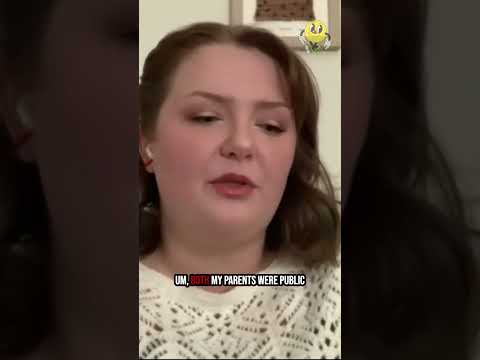
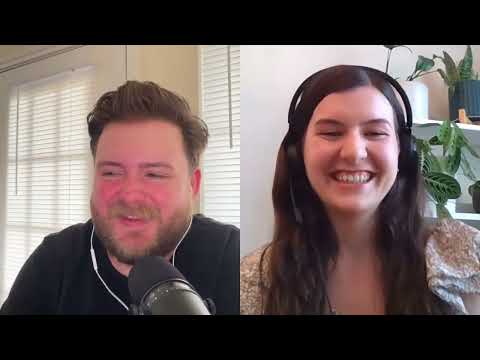
This week I'm reconnecting with longtime friend Stephanie to unpack her full-circle journey through homeschooling, early marriage, motherhood, and now parenting kids in public school. Stephanie shares candid reflections on growing up in an unstructured homeschool environment, her surprising enrollment into El Camino, and the decision to homeschool her own children—before realizing public school was the right fit. We explore the tension between faith, education, and identity in the homeschool world, revealing how breaking away led to personal growth, renewed curiosity, and healthier family dynamics.
🔑 *Key Points* - Stephanie’s experience growing up in a large, loosely structured homeschool family - Transitioning from homeschool to El Camino and earning her GED - Early marriage, motherhood, and the challenges of homeschooling her own kids - Letting go of the “public school is evil” mindset - Rediscovering a love for learning as an adult through podcasts and books
🔗 *References & Mentions* - Adventures in Odyssey - Group Solutions Homeschool Co-op - El Camino Independent Study Program - Ken Ham / Answers in Genesis (mentioned critically)
⏰ *Timestamps* 00:00 Introduction and Welcome 00:55 Meet Stephanie: A Lifelong Homeschooler 01:46 Homeschooling Dynamics and Family Life 06:52 Extracurricular Activities and Group Solutions 12:45 Transition to El Camino and GED Journey 20:07 Homeschooling Her Own Kids 24:17 Rethinking Education Choices 25:42 Public vs. Homeschooling: A Personal Journey 26:18 Challenging Public School Stereotypes 28:39 Parental Involvement in Public School 30:22 Balancing Exposure and Protection 35:12 Advice for Prospective Homeschoolers 38:42 Rediscovering the Love of Learning 42:20 Unique Homeschool Memories 45:19 Conclusion and Final Thoughts
If you enjoyed this conversation, be sure to subscribe, leave a review, and share it with a friend who might benefit from hearing this story. Follow Ex-Homeschoolers Club on Instagram and TikTok for updates, and send us a message – we’d love to hear from you!
Instagram: https://www.instagram.com/exhsclub/ TikTok: https://www.tiktok.com/@exhsclub Email me at [email protected]
Read the full transcriptHide the full transcript
- What is good my exhies? It's your boy Jacob Giddon. We are back for another week of the exhomeschoolers club where
- we talk about the good, the bad, and the ugly of growing up a homeschool kid. This week, my friend Stephanie is
- joining me in the clubhouse. Now, Stephanie, I've known Stephanie for a long time, okay? And her and her family
- are some of my nearest and dearest homeschool friends. But Stephanie is going to share all about her homeschool
- experience, transitioning out of that, getting married, having kids, homeschooling her own kids for a few
- years, and now them transitioning into public school, and what she's kind of learned in all of that experience. It's
- a fun conversation and I hope you guys enjoy. Do me a favor, if you enjoy this episode, share it with a friend, okay?
- Shoot them a text, shoot them an email, shoot them a DM, whatever you got to do,
- send this episode to them and so uh they can check it out for themselves. And with that, let's jump into a
- conversation with my friend Stephanie. Well, Stephanie, welcome to the Exomes Schoolers Club. It's so good to see you.
- >> Thank you. Thank you for having me. >> Oh my gosh. Um, we've known each other
- for a very long time because, well, you babysat me. I I don't know if it's necessarily babysitting cuz I wasn't
- totally a baby, but you you would come hang out with my sister and I and take care of us when my parents would go on
- date night or, you know, have something fun. So anyway, we've known each other for a very long time. Um,
- >> you've seen me uh I'm I'm not even going to go there. We But you've seen me >> as a as a little child. You probably
- have some stories that you could share that would totally embarrass me. >> We'll keep those saved later.
- >> Yeah. But um but you also homeschool kid, bigger homeschool family than mine and uh were definitely your whole family
- was very much like a part of my homeschool journey. But I would love >> do the quick breakdown for us of like
- your homeschool experience and walk me through day in the life at the house with the siblings. Yeah.
- >> Yeah. So, I was homeschooled all the way through my sophomore year of high school
- and then I went to El Camino. Um, I my whole family, all my siblings homeschooled all the way through.
- They did the achieve graduation. I was the only I believe I'm the only one who didn't do the achieve. I got my
- GED um after I dropped out of El Camino. I got my GED. Um, but all of us were homeschooled basically all the way
- through. >> Wow. >> From from very beginning to achieve graduation. >> And there's six of you guys.
- >> There's there's uh six troll. Yes. So I have five siblings. I have two brothers
- and um three sisters. Had a >> Hey, it's okay. Sometimes I have to question how many siblings I have and
- it's it's one, right? >> Yeah. So I have five siblings. >> Okay. Very cool. So, I didn't realize your brother because
- you have an older brother and then every other sibling is younger than you, but I
- didn't even realize that your oldest brother was homeschooled all the way through, too. That's kind of wild.
- >> Yep. Yep. Yeah. He did the achieved graduation, then went to VC and then went to Channel Islands and then he has
- a uh a degree in history. >> Okay. >> And now he's in the the military. >> Okay.
- >> Currently. So talk talk to me a little bit about like typical homeschool day because some people have the very like
- structured where mom and dad kind of build like a very like traditional school experience at home for their kids
- and then there's like >> maybe a little bit more unstructured where it's like every day is going to be
- a little bit different. >> Which category did you guys fall into? We fell into the very rare uh where
- homeschooling day was rare, very occasional actual homeschooling. Um very inconsistent.
- >> Mhm. >> Um where we I would say on average we probably did 30 minutes to an hour of
- school twice a week. Um, it was very, yeah, it was very sporadic. Um, my mom really had goals and dreams of like
- having routines and having everyone sit down and, you know, be self-sufficient and do their schoolwork and it it just
- fell through the cracks. It never really became what she wanted. Um, as an adult,
- I can look back and totally understand how that happened. How having six children and trying to homeschool each
- and every one and then having your youngest daughter be disabled, like that is so much work. Totally understand how
- it fell through the cracks. Um, so yeah, it was very sporadic and very rare that
- we would actually sit down and do school work. very not structured and focused mainly on math and reading. Those were
- the two subjects that we did. I mean, hey, they're important, but I I kind of relate to the like my when
- when we started homeschooling, my my mom was pretty strict on I mean, my sister was in kindergarten, so I mean, how
- strict are you going to be with the kindergartener? But like I was second grade, she definitely tried to give like
- a structure, and within a couple years, it kind of went out the window. I mean, we had
- >> some structure to it, but it definitely went from like, okay, we're going to be
- sitting down at the table at 8 a.m. every day, and we're going to, you know, 30 minutes for math and 30 minutes for
- reading and 30 minutes for science, and, you know, it it went out the window pretty quickly where it became like,
- okay, we know we have to get all this done. >> Now, it's just a matter of like when we
- get it done and how we get it done. Um, but I know too like I I'm wondering too because I've been having more
- conversations with people who come from a larger homeschool family and so like also is there a level of like
- six kids is a lot of kids to have in your house and like >> you know we didn't outnumber our parents
- at my house. So but I know that sometimes in those larger families the older siblings then become like teachers
- and almost parents to like the younger siblings. Is that something that took place in your house?
- >> Somewhat. Yeah. Not. We didn't take over teaching. >> Okay. >> At all. But it definitely took over a
- lot of babysitting, a lot of uh keeping an eye on kids, a lot of making sure the
- chores are done and doing laundry and you know that type of thing. Um but we didn't I wouldn't know how to teach
- because I didn't know. >> Yeah. >> I didn't Yeah. But a a lot of a lot of babysitting, a lot of being responsible
- for be younger kids, a lot of uh if something happened like one of us got in trouble, it would be like, well, you
- were in charge, so it's your fault type. >> Okay. >> Like the responsibility would fall on
- the person in charge. >> Okay. So, school wasn't necessarily happen at your house, but was there did
- you guys have any like extracurriculars or co-ops or anything else outside of the house that was maybe I don't want to
- say more structured, but like maybe gave some semblance of some of structure? definitely more structured. But yeah, we
- did group solutions. Um, >> y >> I'm I can't remember how old I was when we joined.
- >> It was before I went to El Camino and that was my sophomore year. So I I would
- probably say probably 13 to 15. We I was 13 years old to 15. We did group solutions. Um, and then that kind of
- forced us to have a structure. That forced us to actually have someone else hold us accountable that wasn't our
- parents, right? cuz you know what's my mom going to do that much. Um but having a teacher especially a male teacher I
- was like oh I have to read this book. I have to do this book report. So we had a
- lot of structure. There's a lot of my mom probably liked that where we were >> right
- >> had a teacher actually grade our paper. It was not something I was used to. Like
- I remember being so stressed out that I had to like read a book and do a book report because I didn't know how to do
- that. I didn't know how to write a report. I didn't know how to what the structures were, what the format was or
- anything. And so it was uh you know, it was tough, but I survived. >> Yeah. Well, I think it's it's
- interesting when I'm going to call it like the comeback that like I think a lot of like
- homeschool kids who maybe have like that lack of education like the the drive they then have when like they are put in
- a situation where it's like okay I have to deliver. It's maybe not instantaneous
- where it's like, yeah, there probably was some bad grades to begin with, but like you pick it up a lot faster, I
- think, than than uh would be expected. Like if that if that makes sense. Like I heard this saying one time that was like
- it was like let's not totally worry about like something about like kids kind not
- getting left behind, but kind of like struggling, but then there's a point where sometimes it kicks in where
- they're like, "Okay, I get this." And then it's like this rapid succession to get back get to the point where they're
- like, "Okay, now I'm delivering work that is actually like I know how to write a book report or I know how to do
- a science lab or something like that." So, did you have that where you're like it kicked in where you're like, "No." Or
- you just were like, "I'm totally faking it." And try to figure out and maybe get
- a passing grade. >> Um, let's just say I might have plagiarized something. >> Hey, we've all been there.
- >> But I did take Mrs. Yep's writing class. I've just heard I just that just popped
- into my head. I took two years of Mrs. Yip writing. Um, and so I did have some structure, I guess, with writing.
- >> Um, I know looking back at my writing, it was really bad, but >> that I mean,
- >> yeah, it's not real, >> but I Yeah, I did not get to the point where I'm like, oh, I this is clicking
- for me. Like I to this day I still struggle with punctuation and correct spelling and writing and basically all
- forms of all the subjects, math, science, all that stuff. I I I still very much struggle. My kids are
- 14 and 12 and they have surpassed my threshold for education. Like everything they're doing now in school, I have no
- idea what what how to help them. >> Wow. So >> I it is luckily my husband is very smart
- and he understands all that math stuff. English reading writing definitely clicks a little more for me because I
- love to read >> and um so I'm able to kind of >> weasel my way through that. But
- >> hey I mean you read enough books after a while you just like subconsciously start
- to pick things up of like oh this is how a sentence is structured. You know what
- I mean? Like >> or like oh that's what that word is. Okay. I've never seen that word before
- in my life. >> Exactly. And yeah, I mean, shout out Mrs. Yip because Mrs. Yip definitely she
- was a big instrumental person for me too in like >> getting my my writing to where it was in
- college and stuff like that. >> Yeah. >> Yeah, she was a class that I I plagiarized the um actually it was an
- Adventures of Odyssey thing that I plagiarized. I don't know why I should say that, but
- yeah, I totally uh almost word for word a scene from Avengers and Odyssey, I put
- mix it into my story. So, hey, you know, you know, you know what's funny? And not to go on too much of a
- tangent, but Adventures in Odyssey was is like such a it's such like an A+ like not I'm not saying the content of it,
- but just like the delivery and the remembrance that we all have for it. Oh yeah.
- >> Um it's such a like >> I was talking to somebody recently and I was like I feel like a lot of us got our
- love for like theater and acting and like >> that kind of thing adventures and Yeah.
- >> Exactly. Adventures and Odyssey. So, you know, >> Dobson and Focus on the Family might not
- have done a a bunch of amazing things, but that is one of the good things that they gave us.
- >> Yeah, that is Yep. I will give them that. Adventures in Odyssey was amaz I to this day I still there's still
- scenes from Adventures that my siblings and I will talk about. >> Yeah. >> And like quotes and stuff and I'm like,
- you know, >> it's good. It's funny because I will listen to audiobooks or uh like radio
- theater type things and I just always compare it to that and I'm like it's not as good. It's not as good. There's very
- few things that I found that are are equally as good or even remotely uh as good. And so just like man they really
- they dialed that in. Whatever they were doing in that studio they were cooking. So
- >> they got it. Yep. Yep. >> I wanted to hit on so you talked about Okay. El Camino for those people who
- don't really know. Can you like quickly break down what El Camino was? >> Um, I believe it has changed a little
- bit since I was there. Um, but it's an independent study school where you go about once a week and you do one
- subject at a time and you kind of go speedrun through that course and then you move on to another subject.
- And so you can complete like all four years of high school in about 2 or 3 years if you're really quick. So, and
- then you do take college classes at the same time and those college classes count for double high school credits,
- >> right? >> So that can also boost your graduation. >> But yeah, so it just required one day a
- week to visit with your teacher, turn in homework, and do your tests. And then everything else you did on your own.
- >> And how did how did that go? like that transition was that >> um was that a transition that you chose
- of like okay I want to do this or your your parents were like okay we're kind of like done with you like we need we
- need something different uh in your life and then how did like the overall experience go cuz you you brought up
- doing GED so um >> I didn't know I was being enrolled in Elena now >> okay >> I didn't know my mom I was in the car
- with my mom we showed up to the school we walked in and I was enrolled >> I was sitting at the table with this
- teacher, Mrs. Hwitt, who was super nice, and I left with textbooks and a uh how many chapters I needed to read out of
- this textbook. And I'm like, so I didn't know I didn't know that I was being enrolled in El Camino until I was
- enrolled in El Camino. >> Okay. So, big shock. >> So, it was it was a shock to me.
- Absolutely. >> Okay. >> I don't know my what my mom's thought process was for it. I've never asked
- her. I probably should. Um, and I was the only one who was also enrolled in El Camino. None none of my
- other siblings, my mom made them go to El Camino, so I I don't I don't know her thought process behind that, but so I
- did El Camino. Um, what was the other question? >> How how was that like experience like
- then transition? Obviously, you're independent study, so you're doing most of the work still at home, but like the
- classroom environment. I mean, you did group solutions, so I'm sure you were somewhat familiar with that, but like
- >> Yes. Was it was it a big shock or not really? Or was mostly the shock of like,
- oh my gosh, now all of a sudden I have all these subjects and textbooks. >> Yes, that was the main shock was does
- the the actually being like, okay, here you have, you know, two weeks to get through
- this, you know, 500page health textbook because they how they structured that class that I took was like every like
- four chapters you took a test and so it was just like you just read and then answer the quiz and so you did move
- through it very quickly. Um, and a lot of kids who went to group solutions were actually at El Camino.
- >> I think that was a very common um, place for homesooled parents to set their high school age kids.
- >> I don't know that my family ever looked at it. We looked at some dual enrollment
- stuff, but yes, it was very common because a lot of homeschool kids, there's kind of this stigma.
- I don't want to say it's a myth, but there there was definitely this thinking of like homeschool kids getting into
- college is much harder than a traditional public school kid getting into college, which at this stage I
- don't know that that's 100% true, but at the time there were definitely was that
- because even when I was going to college and I went 2014 when I graduated, uh it
- was like >> I felt like I had to work harder than public school kids to get into college.
- So anyway, but my point being that things like El Camino, dual enrollment were, I think, really pushed in the
- homeschool community because it gave you that college credit where all of a sudden you weren't transferring in as a
- freshman where you had to prove like, oh, I've done all this work. You had already shown like, I can take college
- level material, succeed, and so you should let me in essentially. >> Yeah. Yeah. I remember when I was being
- enrolled in El Camino, I was a sophomore age, but I didn't have any homeschool credits to prove that I was a sophomore.
- So, I was enrolled as a freshman, >> okay, >> when I should have been a sophomore. So,
- I was pushed back a full year already, >> right, >> when I enrolled. So, that was a bummer
- to to, you know, be held back essentially. >> It's frustrating, right? you're like,
- you know, 15, 16, and it's like all of a sudden you're being told like, well, you
- can only do the the work of a 14-year-old, you know, it's like that's, >> you know, that's not what anybody wants
- to hear ever. >> Yeah. Yeah. So, it's Yeah, it was a interesting >> So, you also brought up GED and and
- doing that. So, what like what did was it dropping out of school and being like, "Okay, I'm just going to
- do GED or like >> what what was the decision there?" >> I was engaged. So, I got engaged at 18.
- I got married at 19. And since I was held back, I wouldn't have graduated until I was about 20.
- >> Okay. >> So, I kind of at that point was like, I I'm an adult. I'm 18 years old. I can
- just drop out, get my GED, and just be like, wash my hands at school. So, that was kind of my thought process behind it
- of like, I'm literally going to get married next year. Like, why am I here? I don't need this.
- Um, and so I I remember going to my high school counselor and being like, "Hey, like I'm I'm done now." And they're
- like, "But you're going to be uh labeled as a high school dropout." And I remember being like, "All right." I I
- did not care at that time. And I had a good friend at church who was also getting her GED. She was like, "Let's do
- it together." So, we signed up and took the classes and then took the test together and we and that's when I got my
- GED. >> I don't know that much about the GED. Obviously, it's >> supposedly the equivalent of the high
- school diploma, if not maybe a little bit better. But >> was there were you you were just like,
- I'm done with school. I'm just like gonna get like the high school level thing and then just like be done or were
- you ever thinking like okay maybe college, maybe something else in addition to that?
- >> No, I besides some classes at Ventur College, I never thought I would be going to college. That was never in my
- future. Um yeah, it was not in the cards for me and I never thought I would. I was like, I'm just going to get married.
- I'm going to have my GBD. I'm gonna be a stay at home mom was kind of my thought process of like I don't
- need an education because >> that was gonna be my next question was like you know because like I was at your
- wedding um >> shout out valley Baptist >> 17 that was 17 years ago on the on the
- 6th. >> Oh my gosh. Well, congratulations. >> Thank you. >> On the 6th of September
- >> September. Okay. Okay. Very cool. Well, yeah. Congratulations. That's 17 years.
- That's a big deal. Yeah. >> Um, >> but so the plan was, okay, get married, stay at home mom, have kids,
- >> home, >> do the good Christian wife thing basically. >> Yeah. Yeah. Yeah. Doing what I that was
- that was what I grew up like that is that is the thing. And so I was doing I was doing the thing.
- >> And so you did you did end up having some kids and you did homeschool them for a little while
- >> for two years. >> How did that go? >> It was hard. Okay. >> It was that was I might rewind a little bit. We went in
- to homeschool like the idea behind it was we wanted to be the main influence on our children, right?
- >> The main source of guidance for them was us and the church and Alana programs and
- you know all that. Um, we didn't think the government really had a place to educate our children because it's a
- secular world and they're only going to lead them astray was kind of our thought process behind
- it. Uh, also the flexibility of homeschooling. Uh, my husband's family big campers, love to camp, love, you
- know, traveling. So that was also a big plus was the flexibility the be the ability to take textbooks on the road
- and just go all right finish like that the flexibility I think is a really big u aspect as to why
- we wanted to and the fact that we wanted to be the main um educators for our children.
- >> That's a big re I mean you you pull homeschool communities and you ask them what what's the reasoning behind you
- homeschool your kid. the majority of people maybe this is I think this number has gone down a little bit but I mean
- the majority of people it's like the religion we want to control like >> and and that's not always like the worst
- thing in the world but it it definitely is like that's a big motivator for a lot
- of people >> as opposed to it there being the motivators of like well my child has a
- learning disability or you know or like you said flexibility to go on the road oh my gosh I've met so many people now
- who like RV and like that's they're they're road schooling and I'm like that's insane but also like so cool that
- like you get to go everywhere um in the country whenever you want and like it's not an issue you know and your kids are
- getting a great education and also getting to see the whole world and some people do the world traveling thing and
- like that's >> that's insane that's awesome >> um huge plus to the homeschool community
- for that one. >> Oh yeah. >> But um >> so at what point were you like okay this is not working then? like you said 2
- years you were like okay this is not working or or was there other reasons that you were like okay we need to send
- the kids to school now >> there was um a handful of other reasons um but I think in those two years I learned a
- lot about myself a lot about how the lack of my homeschooling education the lack of that I didn't know how to
- homeschool school. The only um the my only influence I had was a chaotic and nonstructured homeschool
- experience. So, I didn't know how to create schedules and be have a routine and be, you know, self-sufficient and get
- the kids going. So, that was really hard for me. And I did group solutions because I was like,
- "Oh, structure structure." And again, there's a handful of other reasons that I not totally comfortable
- going into, but um >> it was it was really hard to do it and to have the responsibility of my kids education
- on my shoulders who >> I'm not educated in, you know, very well. So, it was it was a lot of
- pressure. It was a lot of I am I setting my kids up for failure for choosing to homeschool my kids for, you know, just
- to so I can be the only influence on my kids when I'm not very educated. So I didn't think it was a really good um
- experience for them. So I wanted to do something different. There's this like I think expectation and even I had this I
- think in high school of like okay I'm gonna like get married and have kids and then I'm going to homeschool them
- because that's what what I knew and even though I went to public school for two years I was like this is what I'm going
- to do like this is like the better education this is the better thing. >> Yeah. And as I've gotten older, I've
- realized like I think I could do it, but I definitely I I understand that like there are
- things lacking in my education that like there are just huge holes where I'm like, I know that I couldn't fulfill
- this hole. And so that's in homeschooling, you need the co-ops and you need the support system to help you
- with those types of things. But also there's also public and private schools that like can kind of also fill those
- gaps where instead of having to also then have the pressure of you're also not only just mom, you're also teacher,
- you're principal, you're like all these other things, all these other roles in your child's life, you can just be like,
- "Okay, I'm just mom, but I can also now be an advocate for them in school and be
- like, >> you know, let's get you the best education to get you wherever you want
- to go." Because I'm sure your kids have dreams of like what they want to do and who they want to be someday.
- Well, how do we get you there? Let's like actually figure that out and let me go on this journey with you as opposed
- to that just like, okay, I'm going to have control and I'm going to like kind of
- >> set you up to then potentially do the same thing that, you know, my parents set me up to do.
- >> In the moment when I was deciding to put them to public school or keep them homeschooling, I didn't know really why.
- Not why, that's not the right word, but like now looking back, I can see like, oh, this is so much better for them.
- this was this was the right choice. Like they have their education has they're they're so
- much better off now in public school their education wise than they were when I was homeschooling them.
- >> And so I think looking back I can definitely say like I did make the right decision. I wonder too because one of
- the things you and I chatted a couple weeks ago kind of preparing for this, but one of the things we talked about
- was like public school being evil and that being a stereotype that gets perpetuated a lot in the homeschool
- community. >> I think I have a little bit of a different perspective only because I
- went to public school for the first couple years of my education. So, I never viewed it as like totally evil. I
- think I always viewed it as like lesser than homeschool because I was like, "Oh,
- well, I felt I felt smart as a home school kid." Like I and I had great opportunities and I'm like, "I would
- never have this in public school." >> Yeah. >> But there definitely is that stigma of
- like public school bad, homeschool good, that kind of a thing. So, did you have that? And if you did have that, how has
- that transition now that you're like, "Okay, now I got two kids that have been public school for a while." That was
- what we were kind of told growing up that if they weren't Christian, they weren't
- good. Um, and public school, since there's no God in school, it was bad. Um, my mom would use this example of if
- there is one rotten fruit, moldy fruit, and you put other good fruits around it,
- the good fruit is not going to change the moldy fruit. The moldy fruit is going to mold all the other fruit. And
- so that was kind of the attitude towards public school like if you went there you
- would become bad, you would become secular of the world. Um you know they they would teach science, they would
- teach you know evolution. Um and that was a no no for us. So it yeah definitely grew up with the mindset of public
- school was evil because there's no God in public school >> and they were going to everything they
- were teaching you was them trying to tell you there's no God. They're going to prove that there's no God. Evolution,
- you know, creationism is not real. that whole spiel and and then just being exposed to things we weren't exposed to
- at home like rock and roll music or drugs and cigarettes and drinking. Um, so that like I think we grew up
- thinking of school was like like those movies from the '9s where you're like, "Oh, the bad boys are smoking in the
- bathroom." You like that vibe was what we thought >> like, "Oh my god, that's what all
- schools are." >> And now experiencing elementary school through middle school and my daughter's
- now a freshman in high school. Um, obviously nothing's perfect, right? >> But I think it outweighs like her
- getting this education that she's getting now outweighs like the couple of rude friends that she's come in contact
- with. They're like, you know, I have not seen anything in their schoolwork that I'm like, this is or their homework that
- they've come home, oh, I do not agree with this. This is bad for them to be learning. Um, and I think it's really
- opened my eyes to that. It's not Mike's. Again, I can only speak from Mike's experience. It's it's been really good.
- It's been >> very encouraging. All the teachers that we've met with, you know, parent teacher
- conferences and after school nights, they've all been so kind. So, like you can see that they want the best for the
- kids that they are teaching. They have a passion for teaching and they are have are educ they're they are educated and I
- love that that they have this drive to educate children and they're doing a good job and they care.
- Like I just dropped my daughter off at school but we dropped my son off first and she sees her eighth grade teacher
- and she's hanging out the window going, "Hi teacher." Like she loved her teacher
- at her middle school. like that makes me so happy that she has fond memories of teachers and has a fond experience of
- schooling. >> Yeah. >> And uh I think that's very, you know, definitely outweighs the couple things
- that we've had like bullying or you know, like my siblings don't bully me or I didn't bully my siblings at home. Like
- I lived with my bullies. Okay. No, >> you make a good point because I think the the other thing my my dad and I talk
- a lot about this and I tell this story all the time. So people who listen all the time, they know that I'm going to
- they know what I'm going to say right here. My dad and I read The Da Vinci Code, and that was one of those things
- where it was like this opposing belief that obviously was really pushed in the religious
- >> sector of like this book is evil and wicked. And we read it and we're like, this is a fiction book. This is like
- national treasure. This is, >> you know, hilar this is a great book. Um and so but it it we it sparked this kind
- of like conversation that we started to have around like well when things enter your life that you disagree with or they
- don't believe in you can have a conversation with your kid around those things >> still letting them be exposed to it but
- also being able to reframe it into whatever your worldview is. So yeah, parents are Christian. They were able to
- say, "Okay, well, we don't believe this. We don't believe that, you know, Jesus was married and had children and all
- these types of things that >> again, it's a fiction book that we're talking about." But it's, you know, and
- so I think that's something that got missed a lot for the homeschool community that we grew up in of like
- >> there was that we isolate our kids. We put them in these very Christian environments where everything is agree,
- agree, agree, and everyone's on the same page. And so when they are met with the
- world, we're kind of unprepared where like your kids maybe have had some more exposure to somebody who thinks
- differently than them or has different, you know, beliefs and and they can actually like maybe have a conversation
- around it uh and have a little bit more of a stance that they can like defend um
- about their their belief systems. But it also opens up conversations in your house where you and your husband can be
- like, "Okay, well, maybe we need to learn about this or, you know, uh, something like that."
- >> Yeah. No, there's been times where, you know, I my daughter will have friends
- over and I can hear the conversations they're having and that's when as a parent, I'm still very involved in my
- kids' lives. I can be like, "Hey, like we don't that's not a topic we're going to talk about here. Like that is not
- appropriate." you know, you're still stepping in and being very involved. Like I I don't want to uh put out the
- impression that once my kids in public school, I'm like hands off. Like, you know, I'm very much still involved. Like
- I met all their teachers. I still, you know, very much involved in their education and what they're learning and,
- you know, still guiding them through that. The other thing that you said that really resonated with me was like your
- daughter like waving at her eighth grade teacher and like h being like this is like there's core memories there
- obviously there's good memories >> and that's kind of some kind of a mentor figure or just like an adult figure in
- your daughter's life that like >> they they love and will be memorable and like I have people like that in my life
- that I'm very fortunate that my parents didn't isolate me totally where I had those extracurriculars where I have
- people like Tim France in my life who I'm Mhm. >> He was my guitar teacher. He was
- amazing. He was that guy for me that was like a safe space outside of my parents
- and an adult relationship. And I think >> homeschooling can not always but can limit that sometimes. Uh where it's like
- mom and dad are like my best friends. Um kind of a thing. Um, and it's like, you
- know, or or maybe not or may, you know, but uh, but I just again it's like cool to see that like you're involved in like
- your kids's education and you're like >> being an advocate for them of like, okay, hey, these things are working.
- You're meeting with the teachers. You're doing, you know, you're being a parent.
- You're being an involved parent. I think that's that's what I'm hearing and that's what I'm like, okay, yeah, that's
- I that's what I envision is being good and healthy. >> Yes. I think that's a big part of like
- why some people dislike public school or they think it it's bad is again I don't
- I can't say 100% certain but it's it's the involvement of the parents in their kids' lives being involved and being a
- part of it and uh knowing who their friends are and knowing who they're talking to and knowing who they're
- hanging out with in is a big part of why I'm comfortable them going to public school is because I'm involved and I
- know the parents of my daughter's friends and they are very involved. They are very much in their kids' lives.
- They're, you know, so I the I think that makes the public school experience so much better is seeing other parents
- involved in their kids' lives and you can you can see that in the kids. You can see that they are happy, healthy
- kids. And that's really that that is the whole point of having children is raising good, healthy kids. If my
- parents can be better versions of their parents and I can be a better version of
- my parents, then like the next generation can be a better version of me, right? And that's what like what I'm
- hearing. And like I think that that's that's amazing. So, okay, I've got a few other questions, but so let's say
- someone's coming to you now. They have kids, young kids. They're thinking about homeschooling them or they're just
- looking at school options and they're like, "Okay, Stephanie was homeschooled. she homeschooled her kids then took them
- out. Like what what are you telling them when they're asking like, "Okay, give me
- some advice on this or give me just like your thoughts on that environment and what I should be asking questions on or
- looking at and exploring." I think if someone came to me and was like, "We're thinking of homeschooling. What's your
- advice?" I would I think if they are cut out, they are committed and they are like
- gung-ho on it, like give it a give it a try. There's you you can put your kid back in school or like that's it's not
- irreversible. You can you can flip-flop as much as you want. Um I think if I if they're
- willing to do it, all more power to you. I think it takes a certain person and I don't think
- everyone's cut out for it. Um, but I don't know if I have like real advice other than like there's no harm
- in giving it a shot. No harm. There are a really good co-op groups out there if you're worried about like socializing
- your children. There are so many options now than there were, you know, back in the early 90s when we were
- homeschooling. So, I I think there are so many options and there's you can put him back in school if you
- want to. I really think there's it's if not irreversible. >> I think that's that's a great way to
- frame it because I think a lot of people >> they view it as this like it's a it's a
- definitive decision and it's like it's it's actually like not in the same way that like my mom would switch up like
- the curriculum we used because it didn't work one year. It's like that it's like
- not a like done deal where it's just like okay this is all we do now. >> It's very flexible. It's it can be very
- flexible where like one curriculum clicks with one kid and the other you need to buy a different curriculum cuz
- everyone learns differently. Like my daughter was very like she needed to be jumping around and like she couldn't sit
- still. But my son is very much like okay I'm I'm sitting here and I'm going to do
- my my homework. So I had to teach that in two different teaching styles when I was homeschooling them. Um and I think
- it's it's you figure out what works and being homeschooled is very flexible. So,
- I think that is a big plus for people who are, you know, moving around or very uh outdoorsy or very, you know, they
- like to go on trips a lot like that. Bring your schoolwork with you. That's fine. I agree. I agree. I think the
- flexibility I think the flexibility is one of the biggest selling points for a lot of people because
- >> again like we talked about, you get in the car, you can go somewhere. I did school at freaking Disneyland. Like I,
- you know, it's like you can do whatever. You can go up in the mountains, you can
- go out to the beach, you can do whatever. And it's like you're not locked in a in a school house for
- schoolhouse. What a anequated term there. But you're not locked at school for 8 hours a day. Um you can actually
- like go out and explore and that's that's really appealing. There's also the appeal of there's the downside of
- like well you also then are commit you as a parent that you're committing to every hour of my day is like with my
- kids and like doing this. I'm all I'm You have to buy allin on that. >> Yeah, you definitely have to be
- committed and um and stick with it if you're going to raise educated children at home. I was
- wondering too like now that you I'm a decade out and I know you're few years older than I am. So, you know, like
- has like what am I trying to say here? Has there been at all like a resurgence in
- you of like a love of learning or like a desire to learn any of that stuff that you missed or do you feel like okay like
- I missed it and like I just got to like keep going on with life and that's like it like and and then how do you explore
- that like if you are like okay I want to learn this thing like what are you doing
- to like educate yourself on it? Yeah, I think the last maybe five plus years, I would say since co I
- have really discovered a desire to to re-educate myself on topics or on history, on
- social issues that I had no idea about, you know, years and years ago. And so I I really do now have a desire to learn
- um a lot of podcasts intaking a lot of podcasts, a lot of reading um documentaries, things I I'm able to find
- something I'm interested in and then I can deep dive on that and >> you know educate myself on that topic
- that I never would have found interesting, you know, when I was 15, right? >> But now I'm like oh 36 I'm going to you
- know deep dive into 911, >> right? which I was my big recent um deep dives. It's like just understanding that
- there's more to it than what I heard and thought. And again, podcasts and books are my best friend.
- >> I'm doing the same. Like the the gaps that I have in my knowledge, I'm like, okay, like let's get some books. Let's,
- you know, listen to some podcasts. Let's find a good documentary. Let's I mean, there's so much information. And what
- I've learned too is uh I I talked about this like a few weeks ago on on the show was like I used
- to look at people like Ken Ham as like this like resource knowledgebased person. And it's really interesting now
- because like >> I've gone on his website. >> Nothing is sourced. Nothing like there's
- no there's no links to like where did you pull this information from? And >> and I'm like I don't like that as a
- human being anymore. Like I'm just like, "Oh, okay." Like I need to know like I need to be able to, like you said, deep
- dive into like, you know, like Wikipedia, you know, at the bottom of Wikipedia, they have all the links to
- everything. That is where I go and that is like I'm going down all of the rabbit
- holes to every little thing. >> Same with like documentaries. I'm like, where did they get this information and
- stuff like that? >> Yep. >> That's my obsessive educate on like a very specific niche thing um kind of
- personality. The one common thread that I've seen with like talking to just all of the homeschool community has been
- this fact that like we all still have this great desire to like learn things. >> And I'm not going to attribute that
- specifically to the homeschooling education, but it is really cool to see that it's like we all just really want
- to still know things and like have that desire to learn and and to to continue to grow as people. So
- >> kudos to you, you know. Oh, look. >> Um, is there anything else that I missed
- or have forgotten that we need to touch on? >> I don't think so. >> Okay. Any specific homeschool memories
- pop into your brain while we've been talking about this? Like I always bring up like swing dance was like very
- impactful for me, but like Oh yeah. Was there anything like that that maybe was like super unique to the home school
- experience that you're like I have never really heard anybody else like talk about this kind of a thing happening?
- >> Well, that's where I learned about mimes was homeschooling. I was not Thank God I
- was not a mime. I missed that by at least a year or two and I am so thankful, >> you know. Oh yeah, be thankful.
- >> Yes, I I uh Yeah, the minds. Um I remember at Group Solutions taking a cooking class,
- >> okay, >> called Clueless in the kitchen. And I remember it being so much fun.
- >> Yeah, >> so much fun. And I I wish I can remember I remember one teacher, I think it might have been
- Mrs. Perez and Mrs. Walrip. They were group solution >> parents >> and um and I think they taught the class
- and I remember I took it for two years. So two years I was at group solutions and it was I had a blast. That was my
- favorite class because I didn't have to like >> read or study anything. I just had to
- you know >> Yeah. You show up, you cook a meal, then you Yeah, exactly. >> Yes. And it was fun because I did take
- the recipes I learned and then I went home and I cooked them at home. So it was fun. That was a lot of fun.
- >> Yeah. with social cooking class. >> I took I think that class as well cuz Yeah, I remember as well trip teaching
- that. >> Oh my gosh, she Yeah, >> love her to death. Rest in peace, but my gosh, she was amazing. And then yeah,
- the first time I had sushi was that class, which I mean granted it was not su It was not good sushi, but it
- >> but still >> we didn't they didn't cook s or we don't cook sushi, but I didn't have sushi. I
- remember making homemade meatballs. >> Yes. >> Was one of them and that was really
- really good. >> Yeah. No sushi though. >> Yeah. I mean, but hey, I mean, if it gives you the incentive to be in the
- kitchen, you know what I mean? Like I explore in the kitchen, like I'm all for it. That's
- >> Yeah. I love cooking. So, >> yeah, same. And I think it's it just I think it's just it was a fun class that
- got kids to do something that they probably wouldn't have done before, >> right? Yeah. I think that's the great
- that was one of the good things about group solutions was like you had this mix of
- >> like traditional classes, right? you could take a science class or a math class or whatever, but then you had
- >> cooking, you had like homeck type stuff or you had like there was a games class
- like I learned how to play poker at group solutions which is like hilarious to think about. Um but you know or like
- they had like like a boy scouts class and like stuff like that. It was just like
- >> Yeah. Got like karate >> and then my my mom did a scrapbooking class. >> Yes.
- >> Yeah. And Yeah. Like Yeah. There was a wide range of things you could do there
- and it was I >> Yeah. >> Yeah. >> Lot of fun. >> Some good memories. Yeah. Tied in there
- >> as well. >> Well, Stephanie, this has been so much fun. Um >> I appreciate you coming on and sharing
- your story. It's, >> you know, I I love it. It's what I love too is that like >> we have very different and unique
- experiences. >> There's obviously some common threads in there which is great and it's just fun
- to like >> it. I I enjoy hearing people's stories and and getting them out there because I
- know they're important not only for us to like hear them and be like, "Oh, like I'm not alone in in feeling this way,
- right?" But also, I know that like there's a current generation of homeschool families
- >> that hear these things and they go, "Oh my gosh, I can do better or I can do it
- differently." And that's recently that's been a big motivator for me to continue doing the show because
- it's just like your story, stories like yours, they're changing the way that homeschooling is
- is happening today. So >> be encouraged >> hopefully. And again, thank you for coming on the show. It's been so much
- fun. >> Awesome. Well, for anyone listening, this has been the Xomeschoolers club.
- You know what to do. Hit the like, hit the subscribe, do all of the internet things that you know how to do to get
- this show out to the most people. If you enjoyed it, share it with a friend, share it with a loved one, share it with
- somebody who knows nothing about homeschooling. Uh, but yeah, until uh until next week, we'll see you. All
- right, peace.
Brief Summary
Jacob and Stephanie discuss their homeschooling experiences and the transition to public school for their children, highlighting challenges and benefits.
Key points
- Homeschooling Journey. Stephanie shares her unique experience transitioning from homeschooling to public school.
- The Importance of Structure. Discussing the challenges of homeschooling and the need for structure.
- Plagiarism Confession. Stephanie humorously admits to plagiarizing in school.
- Adventures in Odyssey Nostalgia. A fond look back at the impact of a beloved childhood program.
- Unexpected Enrollment. Stephanie recounts the surprise of being enrolled in El Camino without prior knowledge.
- Getting the GED Together. She and a friend took GED classes together, marking a significant step in her education.
Episode highlights
- Homeschooling JourneyStephanie shares her unique experience transitioning from homeschooling to public school.“I was homeschooled all the way through my sophomore year of high school.”2:01Oct 17, 2025
- The Importance of StructureDiscussing the challenges of homeschooling and the need for structure.“We probably did 30 minutes to an hour of school twice a week.”3:58Oct 17, 2025
- Plagiarism ConfessionStephanie humorously admits to plagiarizing in school.“I might have plagiarized something.”9:27Oct 17, 2025
- Adventures in Odyssey NostalgiaA fond look back at the impact of a beloved childhood program.“Adventures in Odyssey was amazing!”12:11Oct 17, 2025
- Unexpected EnrollmentStephanie recounts the surprise of being enrolled in El Camino without prior knowledge.“I didn't know I was being enrolled in El Camino until I was enrolled.”14:28Oct 17, 2025
- Getting the GED TogetherShe and a friend took GED classes together, marking a significant step in her education.“Let's do it together!”18:32Oct 17, 2025
- Homeschooling ChallengesShe reflects on the difficulties of homeschooling and the pressure of being the sole educator.“It was really hard to do it and to have the responsibility of my kids' education.”23:42Oct 17, 2025
- Public School Perspective ShiftShe discusses her evolving view on public school and its benefits for her children.“I think it’s really opened my eyes to that.”29:14Oct 17, 2025