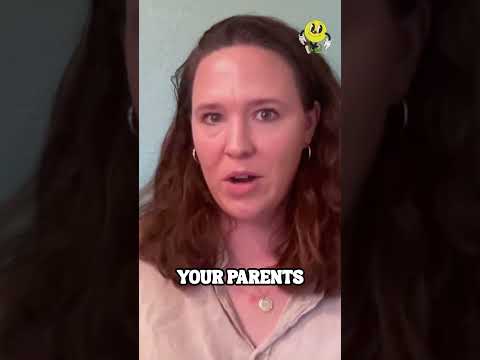
She Was Raised to Be the “Perfect” Homeschool Daughter
Ask about Ex-Homeschoolers Club
Episode Description
This week in the clubhouse, I'm sitting down with Lydia to unpack what it was like growing up homeschooled in a large “Fundy-lite” Christian family deeply influenced by Vision Forum culture, purity culture, and Quiverfull-adjacent ideology.
Lydia shares her experience being the oldest of seven children, navigating homeschool co-ops, modesty culture, conservative Christian college, and the immense pressure of becoming the “obedient oldest daughter.” Together, Jacob and Lydia explore how homeschool isolation can exist even inside large communities, the hidden emotional burden placed on oldest daughters, and the long process of deconstructing beliefs that shaped adulthood.
This conversation dives into homeschooling culture, Christian nationalism, purity culture, social isolation, and the struggle to build an identity outside of the expectations placed on homeschool kids.
*Some Of The Things We Referenced* • I Kissed Dating Goodbye • Homeschool Legal Defense Association • Doug Phillips • Shiny Happy People
*Connect with Lydia* • TikTok: https://www.tiktok.com/@90shomeschooler • Instagram: https://www.instagram.com/90shomeschooler/
If you enjoyed this conversation, be sure to subscribe, leave a review, and share it with a friend who might benefit from hearing this story. Follow Ex-Homeschoolers Club on Instagram and TikTok for updates, and send us a message – we’d love to hear from you!
*Connect with Jacob* • Instagram: https://www.instagram.com/exhsclub/ • TikTok: https://www.tiktok.com/@exhsclub • Email me at [email protected]
*Chapters* 00:00 Let's Meet Lydia 01:03 Growing Up On A Fundie Lite Homestead 03:42 Is Virginia The Homeschool Hub 05:33 Why Lydia's Family Homeschooled 09:48 Did Your Homeschool Curriculum Prepare You For College 13:12 I Went To College To Meet My Husband 14:35 What Is Vision Forum 19:00 Were Are Parents Even Reading What They Were Giving Us 22:05 Did You Have A Homeschool Community 27:17 Socialization Isn't The Same As Real Friends 28:50 Did Big Family Dynamics Lead To Parentification 33:22 Was College A Culture Shock 37:58 Why College Didn’t Change Me 40:43 Moving Out Was The Catalyst For My Deconstruction 45:16 My Therapist Made Me Start A TikTok 50:31 Today's Risks Of Homeschooling 53:05 Embrace the Weird Outro
Read the full transcriptHide the full transcript
- What is good my exhies? It's your boy Jacob Gooden. We're back for another episode of the exhomeschoolers club and
- today I'm so stoked because my new ex-homie friend Lydia. Lydia is joining us. Hey Lydia, good
- >> to see you. >> Um it has been a little bit of a process to make this happen. And that I'm not
- going to put it on you because it has been a mix of both of us. Both of our schedules have just been somewhat crazy
- of like getting on calls. You have a kid. I had a grandparent die. There was travel. There was sickness. There was
- all these things. So, it it's been a while to get this to happen, but we're finally making it happen. And we're
- going to share your homeschool story today, and I'm so excited. >> Thank you for having me. I'm really glad
- to be here. >> Well, let's um let's get right into it. Like, let's break it down. What was your
- homeschool experience like? How long were you homeschooled? Let's talk about siblings, where maybe you grew up,
- homeschooled, like give us kind of the the overview of everything. >> Oh, for sure. So, what I like to tell
- people is that I was homeschooled K through 12. I'm the oldest of seven kids, and I really am describing my
- experience as being fun, light, and quiverful adjacent in the sense that my family was not like the Duggar family,
- right? We weren't wearing skirts. We weren't as extreme. We weren't involved in like ATI. Um, but we were still on
- the spectrum of families that were pursuing those ideals. And so we had the 15 passenger van, we had chickens, we
- had a garden, we were canning food, I was sewing modest skirts and dresses as one does. And um so we were very much in
- that sort of vision forum, aspirational, you know, homeschool, homestead lifestyle.
- >> I feel like I can semi-relate there. There's aspects of that that my mom really wanted. Like she always wanted
- chickens. She only had two kids. We did not need a 15 passenger van. We did not have a lot of land, but she like even to
- this day, she's like, "I want chickens." She's a huge like she gardens and stuff.
- We always had a garden and things like that, but she was always envious of my friends who had bigger plots of land and
- they had chickens and goats and all that kind of stuff. And so eventually I figured out we we figured out that I was
- like, "Mom, you're really good at the gardening stuff, so let's just trade produce with the people who have
- chickens and goats and we get and we'll be friends with them and we can go over and like enjoy that." Um, but yeah, and
- then you brought up the sewing thing, too. Oh my gosh. Like my sister and her friends like they would sew their own
- bathing suits and their own clothes and stuff like that and and kind of in that weird vein of like kind of Duggarish but
- like not totally. It was it was very strange. Like I don't know. >> In her pipeline, right?
- >> Yeah. Like where did that come from? I don't I don't know. Do you like >> was your mom encouraging that type of
- like behavior or what was the thing that you think was like stimulating that type
- of like almost there but like not quite there? So my mom actually majored in home economics. So that was her college
- education. And to my mom's credit, she can do pretty much anything that she sets her mind to. So like she made
- yogurt, she was making, you know, she was canning everything. She can fix things. She's an excellent quilter and
- she knits and she crochets. So like she already has those skills and capabilities. And then of course being
- within homesteading homeschool spaces, it values women having these kind of like feminine or what they would call
- feminine talents. And so I have a very distinct memory of being at the homeschool convention, of course, and I
- was sitting in the back and I was crossstitching something while I was listening to Anna, Sophia, and Elizabeth
- Botkin talk about stay-at-home daughters. So, kind of a nice little snapshot of my
- homeschool experience there. >> For sure. No. Did you Did you say what state you kind of grew up in? Cuz that's
- something I've been kind of exploring with people now, too, is like where did you grow up? because I think that also
- helps impact a little bit of like our homeschool experiences. >> Oh, no, for sure. So, my home state is
- Virginia. I actually live in Texas now, but my family is about 2 hours south of Patrick Henry College and the
- headquarters for HSLDA, which is the homeschool legal defense association. And um I think that Virginia is one of
- the states that has the fewest homeschool regulations. I mean, in large part due to the impact of HSLDA. Um, so
- there was a large homeschool community in my in my area. Um, also if anyone's familiar with Joel Salatin, I don't want
- to completely dox myself, but um, that's kind of, you know, I grew up in the Shannondoa Valley, so a lot of
- homeschool influence and a lot of like people who are trying to separate from the mainstream crowd and sort of live
- this pseudoagrarian semiself-sufficient lifestyle, I guess. Yeah, it is kind of this weird like thing that I've realized
- with homeschoolers is like it's it's like kind of this like granola mom lifestyle that now like to some degree
- like gets associated I think more with like the left a little bit but like it's like this weird pipeline of like growing
- up I view that as like very conservative and very like right-wing. It was just like smaller government or like even
- more libertarian is like very small government like we don't want them involved in our education. those types
- of those were the things I was seeing and that's it sounds like what you're describing uh your experience being like
- >> our family was very crunchy but not in like a treehugging liberal way but in like
- >> a far far right way and I I feel like I've heard someone say that the farther
- right you go the closer you get to being part of the left so >> it's a circle it's a giant circle at
- some point you flip over >> circle >> so let's talk a little bit about and you might not know the answer to this, but
- like is there do you know the reasons that your parents decided to homeschool you and your siblings or or is that
- still a mystery? And then like when it comes to the actual schooling itself, like were you following curriculum? Was
- your mom making it up as she went along? Like what did that look like? >> Sure. So in my parents early marriage,
- they were attending a Sovereign Grace church, which um used to be called People of Destiny International. And
- basically it's the church denomination or church planting network that Joshua Harris was part of. So he's the guy who
- wrote Ike is Dane and Goodbye. And so even from my earliest childhood memories, I remember that there were
- lots of large families in the church that we were part of. So there was a family that had 10 kids. I think there
- were several families that had at least five kids. And um the couple that was mentoring my mom and dad were
- homeschoolers. And so I think that for my parents, they like the church dynamic was already um really leaning into
- homeschooling even in like the mid '9s. And so I think that's really what influenced my parents. They saw these
- families around them homeschooling and they were kind of like drawn to that. And I think the other things that
- they've mentioned through the years um I know that they wanted us to have a biblical worldview. And I think
- especially my dad like was reading material about how public schools are focused on Marxism and feminism and
- secular humanism. And so they wanted us to have a Christian education. Um and I I mean I think they also appreciated the
- freedom of homeschooling. Um some of the you know it's it's just a more relaxed lifestyle and those were really the
- things that drew them. But you know we haven't had really pointed discussions about like why did you choose
- homeschooling? Right? Those are sort of the things that have flown out of conversation organically or the things
- that I've heard them say through the years. And I think that as you know the as they were involved in the
- homeschooling community over time, I think that um they really started to sort of adapt some of the like talking
- points for better for like from the top of the homeschool pyramid about how, you
- know, oh, Republicans are going to have more children and we're going to educate
- all of these children to be Republican voters and we're going to take back America for Christ, right? Right.
- >> Um, but really I mean I would say the major reasons that you hear conservative
- homeschool parents talk about homeschooling like those were my parents motivations as well.
- >> Yeah, there is kind of that like let's build an army. Um, and in in a lot of ways and like I remember even uh you
- brought up Josh Harris like I I'm more a product of the 2000s and the 2010s and so the his younger brothers Alex and
- Brett were more of the influence in the do hard things movement. I remember going to those conferences and seeing,
- you know, at 16, you should be sailing across the world. I remember being like, I'm a pathetic 16-year-old. I'm doing
- nothing um >> for for God, you know, and it's like, yeah, I'm just actually existing as a
- 16-year-old and being normal. Um but those kind of messages of like, you know, we are a movement and we like we
- stick together and we stand by each other and like some of those things are not necessarily bad talking points. like
- there is obviously power and community and things like that, but but some but the the motivations at the core of a lot
- of those things were a little bit scary now to look at. And so, >> well, and you know, you talk about Alex
- and Brett Harris and I think that they were in such a unique position because, you know, Josh Harris had already
- experienced this like national success being in the national limelight. And I mean, Greg Harris, their dad, is one of
- the forerunners of homeschooling, you know, large on a national scale. And so, I think they were speaking to
- homeschoolers who were very isolated, whose parents probably did not have as much authority and leverage. And so they
- were sort of like in this really unique spot to talk about how teenagers are supposed to be doing all these massive
- things, but they already had this path laid out for them, right? They already had this model of what that should look
- like. And I think did one or both of them go to Harvard ultimately. >> That's a great question. I know at least
- one of them did. Yeah. >> Yeah. >> Yeah. Because one of them is a is a lawyer, I believe, and um yeah, popped
- up recently in uh the Shiny Happy People documentary uh at some point. So yeah, it's a little uh a little shock there.
- Uh >> yeah, I got a little jump scare like whoa. >> Yeah. Um I'm curious a little bit about
- like an actual school day at your house because like I know from from my experience like my mom did a really I
- think she did a decent job at like finding curriculums that worked for us, but she also had a very
- >> she had a good idea of wanting us to be well-rounded. There was always this drive of like my kids need to be able to
- do whatever they want when they turn 18. So if they want to go to college, if they want to go to trade school, if they
- want to just like get married and have kids, like whatever they want to do, they need to be ready to do that.
- >> Yeah. >> And so I think she did a decent job of of really making sure we were
- wellrounded in that way. Now I've talked to other homeschoolers who their parents
- maybe didn't have that, right? They you know their their curriculum was more, hey, you're going to be a stay at home
- mother or for the boys is you're going to go out and you got to get a job and those type or trade school or whatever.
- And so I'm curious like how was curriculum in your house and how was like was there a structure or was it
- very like loosey goosey? >> That's totally that's a great question. So I'm really grateful for my homeschool
- education because I've heard more and more stories from c from people who are saying my mom didn't structure my
- education at all. I had no idea what grade I was in. My parents didn't care that my brother was dyslexic and
- couldn't read. My mom really did put a lot of effort into making sure that we were studying things at a at an age
- appropriate grade level and we also took standardized tests every year so she could always track and see okay like
- here's the standardized test for Virginia here's where my kids are are measuring up and so I'm really I'm
- really grateful for that because again it's not across you know that's not something that happens for homeschoolers
- across the board and also in Virginia homeschoolers can be religiously exempt so they don't even have to file with the
- state they don't even have to say hey I'm going to homeschool my kids and My mom always filed every year saying,
- "Hey, I'm going to be homeschooling my kids." And she would also submit like a packet of paperwork um to the local
- school superintendent. Um which again I'm so grateful for. And then when I finished high school um I took the preat
- and the SAT and um so you know, so I was always on course to go to college. Um I
- also took a lot of advanced classes. So I was taking community college classes. I was doing the dual enrollment classes
- and I also took um AP tests. like I was trying to klep out of different subjects. Um, and so in that sense, I'm
- really grateful. I think that stereotypically, like a lot of other homeschoolers, my math education was
- like the biggest educational gap in my experience overall. Um, so like I said, I'm the oldest of seven and by the time
- that my parents got to my two youngest siblings, they sort of had figured out a little more. So my two youngest siblings
- are actually um they did very well in math. Youngest sibling is an engineer, you know, so they're they're doing
- great. I would say though that um I think the one of the failures of my homeschool education is that even though
- I was doing well educationally, I was reading all of this content from stay-at-home daughters and I was
- reading, you know, all of the content from places like Vision Forum. And so I really didn't value education and I
- didn't value higher education. And so I feel like the value of my homeschooling years kind of ended at the point that I
- graduated. Um and I did go to college. I went to Grove City College. I majored in
- um entrepreneurship. So I do have a college degree, but like the time that I was in college, it
- was not being directed towards something. It was just sort of like I'm getting an education so that I can be,
- you know, a good wife and mother. And um I would say that was a major probably the the major failing of my homeschool
- experience. >> I hate this term, but like you know, people talk about like especially
- especially women going to college to like find a man. Like it's it's to get married and have kids. It's like, yeah,
- okay, there's the degree part of it, but it doesn't really matter what I major in
- because like I'm here to find a guy and to get married and have kids. Like, was that kind of
- >> Yeah. Yes. Two thumbs. Yes. Um, so when I was in college, I was planning to work
- with um uh non-government organ or what's the word? NOS's non-government organizations. Nonprofit. I'm sorry, my
- brain is a little slow. Um, I was planning to work with nonprofits that fight poverty in international spaces.
- And so, um, I was very much planning to be a missionary. I was going to go overseas, right? I wasn't thinking, oh,
- I need to support myself financially, like, what's the best career path that I can do to like actually pay my own
- bills. Um, and really in the back of my mind, I was waiting for someone to ask me out. I was waiting to find the man
- that I was going to marry who was going to kind of cover all of the bills financially and like provide for our
- household while I immediately started having children. And uh well it didn't happen so oh well I guess.
- >> Yeah. Sometimes the best laid plans go right out the window and it's like >> Yeah. And you're like oh crap what am I
- supposed to do now? >> No that was literally the story of of my 20s. Like the entire decade of my 20s
- >> but I'm sure we'll get to that later. >> Yeah. I want to I want to get into that
- for sure. Um I'm I'm curious a little bit about two things. One, can you talk a little bit about what Vision Forum is
- for for people who don't know? Um because like even for me like I I still view it very much as like a catalog of
- like boy toys and girl toys and I know that it's not that it also was curriculum and things like that but like
- that's what I remember as a kid but can I think you were a little bit more involved with vision forum stuff than I
- was. So what is Vision Forum for those who don't know? >> Sure. So Vision Forum was founded I
- think in the late 90s and basically it was one of those like it was a ministry but also it was a business. So, it was
- this glossy catalog that you would get in the mail and the founder, Doug Phillips, would arrange his children in
- these beautiful, historically accurate costumes. And the catalog was basically a model for family life. It was this
- aspiration for mothers and fathers to pick up the mantle of godly womanhood and biblical manhood. And they sort of
- branched off, they branched people off into these very defined gender roles. And so if you were a woman, you would
- get these beautiful classic flowery books of poetry extolling the values of nurturing femininity and you know, oh
- the classic val, you know, the classic value of beauty and women. And then if you were a man, you would get these um
- stories of historic valor and you know, manly characters that you could aspire to like Teddy Roosevelt. And then of
- course the Boys and Girls toys were sort of a trickle down of that effect. And another interesting layer is that um
- vision form was explicitly um dominionist and it had this um Christian reconstructionist value and this idea
- that Christian homeschool families were going to take America back for Christ. And so a lot of the material was very
- historic um historically focused on you know figures like the pilgrims um who came across in the Mayflower and it was
- focused on you know George Washington and Stonewall Jackson and um you know Robert E.
- right civil war values and this idea that you know Christian homeschool families they're going to have eight
- children that are going to present you know biblical masculinity and bib biblical femininity and oh you know this
- just kind of like picturesque world and because of Doug Phillip's aesthetic vision it was beautiful it was I mean
- the catalog was beautiful the products were beautiful um but it was just kind of this like
- gassy like Yeah. >> I don't know if that makes sense. >> No, it does. It does because like I'm
- thinking about like, you know, a lot of the things that I got from that catalog very like war centric type things for
- boys and like I I was I loved like Revolutionary War history, Civil War history. Like I did a whole I did a
- whole year of my high school just studying wars. Um and I know that some of the Vision Forum like books and stuff
- played a role. Um it was not exclusively that like we did go down other avenues.
- So you know there is also kind of that whitewashing effect of some of those books unfortunately. Um and you got to
- go see searching elsewhere for some more uh reality based um historical uh fiction and just biographies and things
- like that. But um but yeah, definitely like this big push for sure of like yeah, this is what boys are into and
- like they like war and they like these strong male figures and things like that. And so it's it's just funny
- because like I also like really enjoyed some of the books that like my sister had too, you know, like um and that were
- >> more series. >> Yeah. Yeah. Exactly. Stuff like that where it's just like I I don't know like
- I just enjoyed stories I think in general. And so it was like >> Jonathan Park. >> Um. Yes. Yeah. Things like that. And so
- it's like I I I don't know. It's it's such a weird thing to think of everything as being so divided because
- also my family like my my parents just didn't really I don't think intentionally push it ever to be like
- that. And so like we listen like my sister listened to the stuff I listened to and and read books that I read and
- things like that. um you know, it still was there definitely some of that like messaging of like boys will be boys and
- girls will be girls and that kind of a thing. But yeah, um where was I going to go with this? Um
- >> do you have anything to add to that before I shift us? >> Um I think an important qualification is
- that there were families around us who like were very bought into vision forum. One of my friends in particular, she and
- her dad would go to the daddy daughter retreat tea weekend extravaganza and my parents were never that bought in. Um,
- but we still had a lot of the vision for materials. And I think one of the ways that homeschool culture often fails is
- that parents will bring in material that they don't filter through or that they don't discuss with their kids and then
- the child. So like I projected the most intense conservative values onto my parents without actually talking about
- those values with them. So when I was reading stuff from Anna Sophia and Elizabeth Bodkin, I was projecting that
- onto my father. And especially some of the weird, I'm going to say semi incestuous stuff that was coming from
- people like Doug Phillips where they're talking about how, you know, daughters need to um basically platform their
- father as a sort of like pseudo husband figure. Like that is stuff that I was ingesting and believing and kind of
- accepting, but I wasn't talking about it with my parents, but they were the ones
- who bought me the materials. If that makes sense. >> 100%. That makes sense. Cuz there there
- are so many books in my life that my par, you know, I was just going through something and my parents were like, "Oh,
- here's a book that somebody recommended or that we saw that is for you." >> They never read the book. They don't
- know >> who, you know, who wrote it. Like it's funny. Everyone always talks about I
- Kiss Dating Goodbye being this big book that like influenced their dating culture. Like for me that book was not
- as significant as one of his later books that was about um lust. And I'm blanking
- on the name of it. >> Oh. Um not even a hint. >> Uh had like the blue cover with like a
- little drop of water. >> Maybe that one. I'm trying to remember, but um it it had two different names. I
- I did when I did my I dating goodbye series, I had gone through all of his books and like this book had come out
- twice. It was a very short run, but that book had such a significant impact on how I viewed like lust and love and and
- purity culture in general. And it really now talking about it with my parents, they're like, "You believed what?" You
- know, and I'm like, "You didn't read this book before you gave it to me." Right? And so, um,
- >> here's the material. >> Exactly. And so like to your point, I think as a parent, I'm sure there's so much
- you have to like filter through on a daily basis just in general that like you tack on like having eight kids. You
- tack on then also educating them in the home. You tack on having the responsibilities of like dinner's got to
- be on the table and and chores have to be done and all these different things. It is is going to be impossible to
- filter through everything, but you do have a a responsibility to like be able to have those conversations
- with your kids around like, you know, young Lydia should have been should have felt comfortable to go to her parents
- and say, "Hey, like I'm reading this book. This is what it's saying." You know, and then be like, "Whoa, whoa,
- whoa, whoa, whoa. What's going on here?" >> Yeah. I'm um I wanted to ask before we
- shift into kind of some of the later years, but like you talked about homeschool community being somewhat big
- and being influential in your parents starting to homeschool. And so one of the big things with homeschooling is
- always this like isolation and like antisocialization type of thing, but you're talking about growing up in a
- church where homeschool kids were it seems like a dime a dozen. Um and so like did you have community? Did you
- guys do co-ops? Did you have um some type of outlet where it was like, okay, we're outside of the house now. We h we
- have friends like outside of my siblings kind of a thing. >> That's a great question. I have friends.
- Um so, um when I was 12, we joined a homeschool co-op and up to that point, we had been part of a local homeschool
- group, which was basically like an affiliate, an association of homeschool families in the area. And I wish I knew
- I, you know, I was going through my email recently and I was trying to find like old emails and trying to find some
- kind of roster because I don't remember how many families it was. I want to say maybe 40 or 50 families in the area that
- were part of this homeschool group. And they would plan, you know, like there would be like a skate day where, you
- know, every every year there would be like the yearly, you know, we're all going to go to the skate rink, we're all
- going to roll, you know, roller skate together. Um, they would also plan field trips. there would be a yearly talent
- show. Um but like it wasn't necessarily like structured educationally um you know like a co-op. So then when I was 12
- we joined a co-op and um that was great. I was thrilled. Um I was in seventh grade and so I was like oh my gosh this
- is going to feel like going to school. I also remember that I bought a backpack for the first time which I was like oh
- my god this is incredible. I have a backpack. Um, and so, you know, it would it would meet once a week and again, I
- mean, better than nothing. Um, but I think that our family really, um, like my parents really saw co-op and
- church as our social events. So, if we got to see our friends at co-op, that was they were like, "Oh, you've had time
- with your peers." Um, and then me and my siblings also took music lessons, which
- was something that my parents prioritized. So, we would usually we would leave the house for we would leave
- the house for music lessons and then we would leave the house to go to co-op and
- co-op would be like an all day thing and then, you know, Sunday we would go to church. Um, and so I think because there
- were so many of us, they really didn't have the capacity to help us facilitate like one-on-one friendships. And also
- just the number of people that we actually had access to was pretty low. And so it's difficult because I know
- that there are homeschoolers who literally are just completely isolated. like they're at home, they're not going
- to the library, they go to church, they're not part of co-ops. And so like we were not as isolated as some of the
- like horror stories that I've heard. Um but most of our peer time was really only in these kind of structured group
- activities. And I know people will say like, well, what do you think public education is? Like public education is
- like a structured, you know, a structured peer activity. Um but like because there were so many of us, they
- really couldn't um you know, like there weren't friend dates. There weren't playg groups, there weren't, you know,
- especially when I was younger. I remember um you know being in elementary school and really at that point we
- weren't part of a co-op and so any um time that I had with friends like I had to initiate. It wasn't something that my
- parents were sort of helping to manage if that makes sense. >> I don't know. I'm kind of getting lost
- in my in my thoughts here. Does that does that answer your question? >> That totally does because I think there
- there's like the way I kind of see it is like there is the homeschool isolation,
- right? of like you your family genuinely locks themselves away in a cabin in the
- woods type of situation and you go to town, you know, it's like Little House on the Prairie, you go to town once a
- month to go to Costco. >> Yeah, exactly. >> Um, and then I feel like there's kind of
- the situation like you're talking about where it's like we are involved in with other families in these situations. And
- so our kids do know how to socialize and they have friends quote unquote friends,
- but there's not necessarily like you were saying the one-on-one like >> my best friend is coming over and we're
- having a sleepover or they're coming for dinner or I'm going to their house and those types of things.
- >> And then there is I think a little bit and and public school can be like that
- too. Um, but and then I think there are the deeper friendships of like the parents then facilitating like, hey, our
- kids should have a playd date and they should be one-on-one. And that's how you build like the best friend, you know, or
- you build your close-knit group. And so it's like, you know, I I see all three of those playing out in the homeschool
- world. And it's just kind of different per person. And so even in like the situation like you had, it's like I
- still view that as like an isolating experience to some. And um because you maybe don't have those friends that like
- I still have my friends that I'm like we've been best friends since >> I don't know we were like 12 kind of a
- thing, you know, and like we still talk to this day. Um but I have parents who maybe helped facilitate some of those
- things that actually made that happen, right? And encouraged like >> you know if I didn't see my buddy Ben at
- least once a week >> one-on-one like that was like that was a bad week, you know, um kind of a thing.
- And so there is kind of >> I think that there was just a disconnect between like what my parents thought was
- socialization and what we really needed as socialization. I remember one specific conversation where I think I
- was in high school, my brother was also in high school and my brother was saying, "Hey mom, you know, such and
- such person is having a birthday party. I really want to go. I haven't seen him for a long time." And my mom said, "You
- just saw him at co-op." And you know, so there's kind of this it's like, oh, if you had facetime with a person, then
- that is quality socialization time. Well, that's quality hang time. And you know, I think that my parents like they
- were just being pulled in so many different directions that they just, you know, like they didn't have the capacity
- to be like, "Okay, I'm going to drive you here. I'm going to drive you here." Um because I remember a big a big factor
- in whether or not we got to see people and hang out with them was that we had to arrange our own rides because we were
- like 45 minutes away from most of the people that we were friends with and they were too. So like some of our
- friends we were literally an hour driving distance from them and you know like the the the actual practical
- details of like is your mom going to pick them up? Am I going to pick them up? Like everything had to be
- coordinated in a way that was like you know feasible for my parents. They just they couldn't handle it.
- >> Yeah. I mean, I think about like, you know, like I said, I'm I'm one of two. So, like my parents had a much easier
- time, I think, being able to be like, "Oh, yeah, like Jacob can go do this or, you know, my sister Madison, she can go
- do this thing, you know, and it's easy. We can drive them to that or whatever." And then there was
- >> I remember with certain families cuz I had friends who were, you know, one of
- 12 kids, one of like you, seven kids, you know, and things like that. There was a lot of work that even for me I was
- like this shouldn't be this this hard to like figure out with you and they're like no you don't understand like we
- have to coordinate a ride I don't have a license like or or even if they do have
- a license like there's only so many cars at the house like we have to you know work all this out and I'm like oh my
- gosh like your life must be a living nightmare because once I got once I turned 16 I had a car I had access to a
- car and like in you know and we were a homeschooled family so that meant my mom didn't go everywhere all the time so
- even if like my car was one of the cars was down like there was usually some way
- to get somewhere. We also lived biking distance to some people, you know, things like that. So, I mean it there's
- a lot of factors that go into it, but >> I definitely I I think I see I I've seen
- some of what you're talking about play out and some of my friends. Um, the other question I had kind of about like
- the big family thing and and this is something I've seen play out >> with other people but not everybody is
- the idea that as the older siblings that the older siblings take roles and responsibility of raising the younger
- siblings and was your family at all like that or did you guys play a role in being maybe teacher or like mom dad in
- any situations? >> Yes. Yes. very much so. Um, so I would say that I naturally tended to be more nurturing. I
- naturally like my personality tended to be more motherly. And so with my siblings, like it was very easy for me
- to fall into this role of like caretaker and sort of like second mother and this
- nurturing person. And then when I got into high school and I was reading stuff from vision forum and it was encouraging
- this idea that like oh as a daughter you know your role is to support your parents' vision and to support the home.
- And it sort of became this ideological framework for the way that I'd already been functioning in my family. And you
- know, again, I think that oldest daughters tend to have um more responsible personalities or more
- responsible um like they tend to have this personality that's sort of this like um mature for their age, you know,
- advanced in years. And so I think that I probably would have filled that role even if I didn't have six younger
- siblings. Like if id only had two siblings, I probably still would have been sort of like a motherly nurturing
- pos, you know, person. Um, but being within the space of quiverful ideology and being the oldest of seven really
- really just kind of like amplified that position for me and it's something that I got really positive feedback for. Like
- people would ask my mom, this is so uncomfortable for me to think about now. Um, but people would ask my mom like,
- "Oh my goodness, like Lydia is so obedient and she's so helpful. Like what did you do as a parent to make her that
- way?" and um you know so it's kind of like this I'm I can't think of the right phrase or the right word but it was sort
- of this like um positive like self-fulfilling um situation I guess like it just kind
- of I get positive feedback for something that I'm already naturally inclined to do and then of course you know I'm
- reading books >> that encourage me to be you know in this role um so yeah I mean that was it was
- very true of my experience um >> it feeds itself and then you you just continue to do the same thing because
- you're like, "Oh, I'm getting positive feedback, so >> I'll lean in heavier to that." I think
- naturally as as oldest kids, like we have that like protective of younger siblings type scenario. Like I even see
- it within like just my family in general. I'm also like the oldest grandson. Like I like with my cousins
- like there is this weird role of responsibility I think we sometimes put on ourselves of like
- >> I'm the leader of this group. And so to your point, then you feed that with the
- other side of it of like, oh well, we also need you to do all of these, you know, motherly activities is when you
- should be practicing those things. Like, >> you know, I also had people tell me like, oh, you're such an obedient kid.
- And I'm like, I mean, I guess like I don't know. Like I thought I was a bad kid half the time,
- >> you know? But I knew all of the things that I was like the rules I was breaking
- and getting away with. Um, but like you know to everyone else it's like you look
- like the perfect little angel, right? And they're wanting their kids to be the same and it's like
- >> years of therapy later you're like was that actually good for me? >> Yeah, exactly. So, I want to shift a
- little bit into like let's talk about college and adulthood and like coming out of
- >> that scenario because I think launching into the real world is like is a culture
- shock for a lot of homesooled kids and especially like something that I've seen repeatedly happen for people is a little
- bit of like a getting stuck in the college years of like not fully knowing how to step outside of the homeschool
- world. And so it's like one leg one leg one leg in one leg out kind of a situation and sometimes that like bubble
- pops later for them. And so I'm curious just like your experience of like you said you went to college so like was
- that a culture shock? Like how was how was that experience for you? >> So just right off the bat I'm grateful
- that I went to school because I mean I was reading again I was reading material that did not value higher education for
- women. And so I, you know, I think if my parents had wanted me to be a stay-at-home daughter and not go to
- college and continue living at home, I would have been open to that idea. And so I'm really grateful. I went to Grove
- City College, which is a small conservative liberal arts school north of Pittsburgh. And what's really funny
- to me is that I experienced so much culture shock even though I was going to an extremely conservative Christian
- school. And uh, you know, so that just says a lot about my experience within homeschooling. um you know because I had
- never been surrounded by my peers before. I had never been surrounded by this many people who were my same age
- and I had no idea how to relate to them. Um I mean I didn't have an iPod. It you
- know I started school in 2009. Um I did a gap year between when I graduated high
- school and then when I started school um because I did like a a short ministry internship of course. Uh but yeah I mean
- I didn't have an iPod. Um I really did not know how to relate to my peers. I didn't know how to build friendships
- with women my own age. much less talk to guys my own age. Um I couldn't relate to
- any of their cultural touch points. The clothes that I was wearing were um pretty out ofd like they were extremely
- modest. And so it was I mean it was it was difficult. It was very difficult. Um I I mean I really shudder to think about
- what would have happened if I had gone to like a big state school uh with with kids who were admittedly
- more you know like worldly and secular. Um, I think if I'd gone to a secular school, it probably would have helped
- accelerate my homeschool deconstruction. So, in some ways, I wish that I had gone
- to, you know, more of a like a standard like secular school. Um, but it really, I mean, I think academically I was
- prepared. Um, unfortunately, my math education became a huge a huge issue. And um I mean that would be another
- story for another time. But overall, I mean I did well academically, but socially it just it was a huge like it
- was like I don't know how to do this. I don't know. This is all new to me. Um but I really really wanted like I
- desperately wanted to know how to connect with people to learn how to fit in. I almost felt like I was a fish in a
- fishbowl and the fishbowl is like in the ocean but the barrier there's like this
- clear barrier and I was like I know there's a barrier but I don't know how to break through it and I want to feel
- normal and I want to relate to people but there's just I mean there were so many things at that point that at that
- point I did not know that I had homeschool trauma like I couldn't name that it was trauma. I didn't know the
- the aspects of the trauma. Um and so just I mean it was it was really difficult. Yeah, like I like you, I also
- I went to conservative Christian college and so like it was kind of this like stepping stone I feel like into the real
- world to some degree because there was culture shock there. Um I was running into people and being like you believe
- what you watch what like your parents let you watch Harry Potter like that's crazy. Um, yeah, stuff like that, like,
- you know, they they let you listen to this type of music, like, you know, just insane stuff that is like not even it's
- not bad. It's just it is what it is. And so I I had a buddy on the show and we were talking about how it was very much
- like we took the youth group culture that we had grown up in and just put that in college and that's what we
- stepped into. And so it was a little bit looser cuz we didn't have the parental guidance aspect of it. And then we got
- into the real world and we were like that's when the bubble really burst for us. And so
- >> I'm totally relating to you talking about being that fish in the fishbowl in in the pond and having to figure out
- like there's an opening right above you. You just have to swim up like but not really knowing how to do that. Right.
- And so I'm curious because like something I've heard a lot of people talk about is like they you know it's
- almost like um uh you have to watch what everyone else is doing and then just start to like mimic, right? And you
- start to like so so I'm curious like for you was there anything that you were like okay I'm like I'm seeing all these
- people do this or I'm hearing this. I got to like go educate myself on this like thing and like okay that okay now
- I've taken that step now. Okay, now I got to go educate myself on this thing. Was there stuff like that in college
- that you were like, "Okay, now I'm I'm starting to get my grasp on things." >> So, that was not my experience in
- college. Um, unfortunately, I think I still had a lot of um internal commitments to living a set aart
- lifestyle and, you know, pursuing godliness. And so, I really I mean, I really didn't change at all in college
- just because I didn't feel permission to and I also didn't know how to. And the group of friends that I was part of in
- college was just as conservative as I was and in many ways even more conservative. Um, and so I I really
- didn't start to break away from some of the like I'm going to say I'm going to describe it as um I felt like I had a
- homeschool mom on my shoulder. Like you know how people have like the angel and the devil? Like all through my 20s, I
- felt like I had this homeschool mom on my shoulder who was judging me and judging my decisions and like judging
- the fact that I even wanted to like be more secular or even present as more worldly. So, I really didn't start to
- change until my late 20s um if I'm being honest. But I think that college was the
- space where I began to realize that, oh, you know what? All of these kids that went to public school, they love God.
- They are not terrible people. Um, oh my goodness, like this person is a better student than I am and they went
- to public school. It really, you know, it really I would say that college was a space where I began to challenge the
- notion of my specialness as a homeschooler. Um, that I was God's gift to the world because I'd been
- homeschooled. It was sort of like the beginning, I guess. Um, but college was really not this place where I became a
- completely different person. I mean, it's sort of it's there was like the tiniest little crack,
- >> right? Uh but it wasn't this huge transformation unfortunately. So, what was that thing then that kind of got you
- to a place where you're like, "Okay, like now I'm out." Like, I say that like I Yeah, I say that in like in the sense
- of like I think regardless of like whatever your your end goal ends up being, there is this like just launching
- into adulthood where it's like we we take on >> this is my belief system now. This is my
- whatever, right? And so where was that for you? You're talking about like 20 mid 20s. like what was that catalyst for
- like that moment where you're like okay like I am my own person now. >> Yeah. So the moment for me was um
- sitting on the floor of a basement apartment. Um I was 25 and I had just moved out of my parents house and um so
- the nutshell version of my early 20s is that I had planned to be a missionary. I
- was going to move overseas and serve the Lord. I was raising support to be a missionary and I was living with my
- parents and my siblings and um I really hadn't started to separate and thankfully I had a good friend at church
- who also had been homeschooled also oldest of of I think eight children and she saw how much I was struggling and
- she said Lydia if you want to move out of your parents house you can come and live with me and so she really threw me
- a lifeline and gave me space to start to physically separate from my family and also to emotionally separate from my
- family um because in many ways I was very codependent on my parents and I was very wrapped up in this oldest daughter
- role, right? This obedient, cheerful oldest daughter who's waiting for a husband. And so, you know, I was in I
- was 25 and I was just realizing I have no idea what I'm doing with my life apart from um you know, trying to make
- the make a difference for God and waiting for a husband and pursuing this conservative vision of what a biblical
- woman is supposed to look like. And that's really when I started to start to think through like, oh my goodness, I
- need to find a career path. I need to figure out how to financially provide for myself. I need to think about like,
- why am I wearing what am I what I'm wearing? Um why am I relating to the world? Um you know, like why am I
- viewing secular things with suspicion? And um that's really when I began to question just like why why is my
- internal construct still formed by people like Doug Phillips or Michael and Debbie Pearl? Do I need to to kind of
- filter all of my decisions through this lens of, you know, John Piper and RC Sproul and all of these people that have
- been platformed is like, oh, this is the biblical path that you are supposed to follow. Um, and I will say I'm still a
- Christian. Um, but I'm kind of shocked by that because I went through a long deconstruction phase of just really
- wrestling with like all of the pieces that had shaped my life up to that point and really struggling with like what's
- going to be left after I go through this process of sort of sorting through my internal beliefs and my internal um,
- systems. >> You said something there that really struck me and that was like viewing
- everything through the filter of someone else and that was for me in my deconstruction that was
- like very similar and like I ended up for a while where I was like okay I'm still Christian and then eventually now
- I'm agnostic but like >> it was one of those like processes where like all I had to take out the people
- like Sproul I had to take out the people like Francis Chan I had to take out all
- of those voices and be like okay >> I'm going to go right to the Bible like we're just going to go straight there
- >> and what do I think about these types of things and so that was >> I'm so thankful that I had enough people
- in my life who who kept telling me that's what you have to do because that's how you shape who you
- >> become do you believe this is this where where does how does this make you feel
- about like ethics and morality where does it make you feel about politics like you know you you trust you start to
- trust your gut more than you trust other people >> yes >> and that's a powerful moment you know
- especially in your 20s it's a lot it's a lot to unpack that and for the first time feel like holy crap that play I'm
- like I have to make all these decisions for myself and like am I going to make the right decision you know because I
- think a lot of times in the religious spaces we get taught that like we are incapable of making our own decisions
- and so we have to trust this these figures these leadership figures and so um >> that is a whole rabbit hole in and of
- itself that >> oh yeah >> you know years of the years of therapy and years of um you know us unpackaging
- those things like we could I'm sure go for hours on on that. But I do want to shout out because the reason that I
- reached out to you even in the first place was because of Tik Tok and you sharing your stories of deconstructing
- and being a homeschool kid and crazy stuff that had happened and like stuff that I was like, "Oh, that's normal.
- That's a normal home school experience." And you being like, "Is this normal?" Um,
- and so I want to give you a minute like one shout out, you know, where people can follow you, but also like how did
- you get to the point where you went, "Okay, I'm going to start I want to start telling these stories on the
- internet." >> Oh, yeah. So, my therapist actually um when I was 30, I realized I was dealing
- with some things that I couldn't fix myself. And I found a really wonderful therapist who is very knowledgeable
- about funy culture and homeschooling culture and the dynamics of, you know, being in a large family as an oldest
- daughter. And so she really began to help me unpack some of those things. And at one point she encouraged me to start
- a Tik Tok. And I was like, "The Chinese dancing app?" And she's like, "Yeah." And um so honestly without her
- encouragement, I probably would have never started a Tik Tok. Um, and I started it not with the intention of I
- really had no intention of doing anything with it. I just kind of was randomly posting, but as I started to be
- more vulnerable and share stories about homeschooling and about purity culture and about, you know, saving your first
- kids for marriage and, you know, growing up with five gallon buckets of wheat berries. um other people started to
- comment and it you know over time it kind of grew into this space where I went oh my god there are so many people
- who've had the same funy homeschool experience and of course you know we have a second Trump administration and
- so this is cracking up all of these new issues around Christian nationalism and people like Doug Wilson now have a
- national platform and so there are so many people who were talking about what it means to be homeschooled or what
- their experience was with homeschooling there are, you know, new homeschool moms
- who are, you know, choosing to homeschool because they think that their kids are going to save America for
- Christ. And um it's just been really fascinating to me and kind of shocking because again, I always thought that my
- homeschool experience was something that I would have to heal from as an individual. Um because, you know, no one
- has this experience. It was just me. And lo and behold, it actually was not just
- me. It's actually like probably like tens of thousands of people um across the US and even from different
- generations, right? It's like I'm a millennial, but like there are also people who are Gen Z who have had the
- same experience and um it's I mean I'm just so grateful because I think that Tik Tok has helped me heal as an
- individual and then also being able to share my story and help other people articulate and validate their
- experiences. It feels like it um you know, obviously I wish that I hadn't experienced the homeschool trauma, but
- being able to help other people in their process seems to sort of like validate it a little bit. I don't I don't know if
- that makes sense. >> No, I you know, it's funny. I I uh the day of recording this, yesterday was day
- of the homeschool child. I don't know if you knew that this was the holiday or not. I found out this in March. Um but
- uh I was fortunate enough I have a conversation with Stephan Merryill Block who just wrote the book Homeschooled
- >> and um for and we we did a a talk for the Coalition of Responsible Home Education and I shout them out all the
- time on the show. >> Great organization. Go follow them. They're >> I always say they're the antithesis of
- HSLDA. They're like the opposite. Um but um you know they they don't love that I
- say that but >> but they they also help shape legislation that will help homeschool
- kids. Anyway, we were having this conversation and we were talking about the fact that like one of the things
- that sharing our stories gets to do is one it can heal our traumas because like you were saying we're not alone. There
- are tens of thousands of us out there from the 70s to today who are starting to talk more openly about the things
- that we went through, the good, the bad, and the ugly of it. And so, but what that does is it gives a voice to the
- fact that like something probably needs to change. And the fact that so many people are speaking up about it, that's
- a good thing because that's how change is going to happen, right? You have to blow the whistle on it to some degree
- and say, "This is what's working. and this is what's not working and we need to shape things to be better so that the
- future generations of homesooled kids don't have to go through the bad stuff that we went through. They can but they
- can experience the fun stuff. They can experience the good because mixed in with all of that craziness. There are
- those funny moments of like doing theater in somebody's backyard or like goofing off with your sibling, right?
- And like you know driving mom crazy to some degree. Like there is like there is fun moments mixed in with all of that
- chaos. So, I applaud you for like telling your story because it's not an easy thing to do and it it opens you up
- to a lot of criticism, but it also opens you up to a lot of like support and a lot of like, hey, that's also me. You
- are seeing like, you know, >> you're amazing. >> Yeah, exactly. So, what is your TikTok
- account? Where can people where should people go to follow you? >> Sure. So, my handle is 90s homeschooler.
- So, it's just the number 90s homeschooler. And um yeah, that's my handle, so you can find me online. I'm
- trying to build more of a platform. I'm trying to branch out more. I do have an Instagram account, but it actually
- doesn't have any content on it yet. Um but yes, I'm I'm on Tik Tok. >> Okay, cool. Well, go follow Lydia on Tik
- Tok. Um and if you don't have Tik Tok, enjoy her episode here, and it will be updated as as she launches new things
- and gets more stuff on other platforms. So, we'll make sure that the the show notes update to see that. I want to
- before we go, something that I talk a lot sometimes I something I ask a lot on the show is like someone's coming to
- you now and they're saying I'm thinking about homeschooling my kid or I know you
- have a kid like I'm sure that's also maybe a question you're maybe it's not a question maybe it's a question you've
- already answered um but like what are your thoughts on like the current landscape of homeschooling would you do
- it would you recommend it for people >> how do you feel about it what are you saying to people
- >> that's a great question so I'm not totally opposed to homeschooling I think that the decision to homeschool has to
- be made by each individual family. I would say the biggest dangers to homeschooling are Christian nationalism,
- purity culture, patriarchy, and quiverful ideology. And so, if you're able to homeschool and you're able to
- sort of be aware of those influences within homeschool spaces, then you are probably 10 steps ahead of like where my
- parents were or maybe where your parents were. Um, and really, I mean, the individual homeschool experience comes
- down to, um, what resources you have in your community, like what homeschool resources you have. Do you have access
- to museums? Are there libraries? Are there secular homeschooling groups? And and frankly, a lot of it is also just um
- the financial resources that your family has because I think that families that are maybe in a lower income space um
- they're they're going to probably struggle more with homeschooling because one of the biggest strengths of
- homeschooling is freedom. It's like you have time freedom. You have the opportunity to travel. You have the
- opportunity to maybe explore. Um you have access to, you know, maybe take music lessons or take rock climbing
- lessons. But if you can't financially afford those things, then your kids are going to be at home most of the time or
- you're only going to be limited to activities that are free. I Yeah, I agree with you 100%. I think it's one of
- those things that can be done well and it can be did right. Um it just, you know, but it is it's about intention.
- It's about Yeah. resources. There's there's a lot of factors. Homeschooling is very much a privileged thing. And so
- for sure, you know, I didn't realize that until Yeah, I didn't realize that until I was like in high school and I
- was like, wait, so you're telling me a family of four lived on a single income in California and homeschooled their
- kid. Like that's homeschooled two kids. That's like crazy with a stay-at-home mom. That's like that's a lot of money.
- You know, dad must have been doing okay. And it's like where were the sacrifices,
- you know, things like that. So, um, >> is there anything else before I let you go? Anything else that we haven't
- touched on that you feel we should? Has anything sparked in your memory? A funny
- home school memory? Any other just homeschool stuff that we haven't touched on that you're like, "Okay, we got to
- quickly touch on these things." I would say that overall my biggest takeaway from homeschooling is that if you have
- already grown up feeling weird and excluded and you come into adulthood, um it ultimately becomes a strength for you
- because if you've already if you've already felt weird like you can no longer feel weird if that makes sense.
- And so at that point it becomes a strength and you're kind of free to like do whatever you want to do. And so
- that's kind of honestly my biggest takeaway is that you've already grown up outside maybe feeling a little weird,
- feeling quirky. So just go for your dreams. Go for the things that you want to pursue because you've already felt
- the worst of the worst and you know that it can't be worse than that. >> Yeah, 100% agree. I think that is like
- embracing the weird 100%. Let the freak flag fly as my mom always says. >> For sure. For sure.
- >> Well, Lydia, thank you so much for coming on. Um, this has been a wonderful conversation and I hope
- >> so much fun. So much fun. >> Good. I think that's the best part about having these conversations is like one
- we get to like it's building community. It's building and telling stories and relating um on things that we
- experienced so we don't feel alone, right? And um and so anyway, thank you. Thank you. Thank you for coming on. I
- really appreciate it. And uh to the audience, I hope you guys enjoyed this conversation. If you did, leave a like,
- leave a subscribe, send it to a friend, leave a comment. Let us know if you have
- additional questions for Lydia. Let me know. Um, drop them in the comments below. Uh, maybe we'll have her back on
- do another do a part two down the line. It'd be really fun. Maybe >> we could go maybe a little bit more
- in-depth on something um as well. And uh remember to uh subscribe to the newsletter, do all of the internet
- things that you know how to do. There's links for all kinds of stuff down below.
- Go check it out. Um again, share it with a friend. And until I see you next time,
- peace.
Brief Summary
Lydia discusses her homeschooling experience, family dynamics, and the impact of purity culture and Christian nationalism on her upbringing.
Key points
- Homeschooling Journey. Lydia shares her experience being homeschooled as the oldest of seven kids.
- The Vision Forum Influence. Lydia explains the Vision Forum's role in shaping her upbringing and education.
- The Role of Gender in Childhood. Exploring how societal expectations shaped interests and activities in childhood.
- The Impact of Books. Reflecting on how unfiltered materials influenced personal beliefs and values.
- Homeschooling and Isolation. Discussing the balance between community involvement and feelings of isolation in homeschooling.
- Navigating Socialization. The challenges of socializing in a homeschool environment.
Episode highlights
- Homeschooling JourneyLydia shares her experience being homeschooled as the oldest of seven kids.“I was homeschooled K through 12. I'm the oldest of seven kids.”1:04May 23, 2026
- The Vision Forum InfluenceLydia explains the Vision Forum's role in shaping her upbringing and education.“Vision Forum was founded in the late 90s and was a ministry and a business.”15:05May 23, 2026
- The Role of Gender in ChildhoodExploring how societal expectations shaped interests and activities in childhood.“This big push for sure of like, yeah, this is what boys are into.”17:53May 23, 2026
- The Impact of BooksReflecting on how unfiltered materials influenced personal beliefs and values.“You didn’t read this book before you gave it to me.”21:14May 23, 2026
- Homeschooling and IsolationDiscussing the balance between community involvement and feelings of isolation in homeschooling.“We were not as isolated as some of the horror stories that I’ve heard.”24:52May 23, 2026
- Navigating SocializationThe challenges of socializing in a homeschool environment.“There weren’t friend dates. There weren’t playgroups.”25:14May 23, 2026
- Sibling ResponsibilitiesThe dynamics of being an older sibling in a large family.“I naturally tended to be more nurturing.”30:22May 23, 2026
- Culture Shock in CollegeExperiencing culture shock at a conservative Christian college despite a sheltered upbringing.“I experienced so much culture shock even though I was going to an extremely conservative school.”34:31May 23, 2026