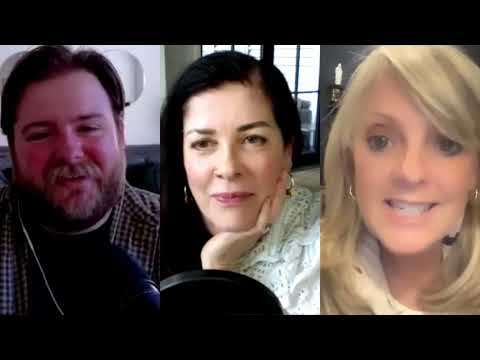
We Deconstructed Our Homeschool and Religious Experiences
Ask about Ex-Homeschoolers Club
Episode Description
Want to hear Liz's homeschool experience? Check out this episode: https://youtu.be/rvHUlhOM9hI?si=j7JGWwCJAMwtrChb
Liz is back in the clubhouse to explore the role religion played in our homeschool upbringings and how those beliefs shaped our identities long after childhood. Liz shares what it was like growing up in an intensely Catholic homeschool environment, from her involvement in the Legion of Mary to embracing modesty culture, purity culture, and the expectation that she might one day become a nun.
Together, we unpack the complicated process of questioning long-held beliefs, navigating religious trauma, and separating personal faith from the cultural expectations that surrounded us. We discuss purity culture, the lack of sex education in many homeschool environments, the experience of deconstruction, and the grief that can accompany rebuilding your worldview. Whether you're still religious, no longer religious, or somewhere in between, this conversation is about finding space to ask questions, heal, and better understand the stories that shaped us.
*Resources We Mentioned* • When Religion Hurts You: https://drlauraeanderson.com/book • Homeschooled: A Memoir: https://bookshop.org/p/books/homeschooled-a-new-york-times-bestselling-memoir-and-read-with-jenna-pick-stefan-merrill-block/7e9b1465fdf608ff?ean=9781335000989&next=t • The Body Keeps the Score: https://www.besselvanderkolk.com/resources/the-body-keeps-the-score • Interview with D.L. Mayfield: https://youtu.be/ohzrQqPq0Dw?si=vi3cp1QPt8fy3wfi
*Chapters* 00:00 Welcome Back Liz 01:07 Homeschooler Connection 03:32 Catholic Roots And Belonging 06:21 Evangelical Upbringing 08:33 Confirmation And Commitment 11:11 Legion Of Mary Explained 13:30 Conference Culture And War Talk 19:37 Performing Faith Publicly 21:29 Christian Mime And Evangelism 24:00 Modesty Purity And Shame 28:29 Deconstruction And Questioning 31:55 Where Beliefs Came From 33:11 Silence Around Sex And Expectations 34:56 Nunhood and Holiness 35:41 Purity Books Osmosis 36:40 Period Shame Lesson 37:51 Apple Pie Purity Talk 41:06 No Sex Ed Basics 43:27 Bridgerton Level Ignorance 45:20 Study Abroad Cracks Bubble 47:43 Grief and Quiet Deconstruction 54:34 Naming Religious Trauma 01:01:30 Inner Child Healing 01:04:20 Finding Community Through Stories 01:06:50 Closing Thoughts and Resources
If you enjoyed this conversation, be sure to subscribe, leave a review, and share it with a friend who might benefit from hearing this story. Follow Ex-Homeschoolers Club on Instagram and TikTok for updates, and send us a message – we’d love to hear from you!
*Connect with Me* • Newsletter: https://exhsclub.beehiiv.com/ • Instagram: https://www.instagram.com/exhsclub/ • TikTok: https://www.tiktok.com/@exhsclub • Email me at [email protected]
Read the full transcriptHide the full transcript
- What is good, my ex-homies? It's your boy Jacob Gooden. We're back for another episode of the Ex-Homeschoolers Club.
- And, uh, I've got a fun one today. I think it's gonna be fun. It's gonna be a little bit heavier, I think, maybe, uh, or deeper.
- Maybe that's a better word. But, uh, Liz is back. And, uh, if you don't remember Liz, she came on and told her
- homeschool experience before. I'm gonna make sure it's linked below. But we had a wonderful time before.
- And now, today, we're gonna talk a little bit more about, like, religion, the role
- it played in our homeschool education, and just life, and the role it's played in
- our life, like, moving on from that, and maybe how things have shifted and changed.
- And so this is just gonna be a very open and honest and real conversation. And so, you know, just remember, too, these are things that we believe, and
- everyone's entitled to their beliefs. And so, you know, if you're here to be nasty, don't do that, okay?
- Be kind. That is, that is what this place is all about, is letting people express and tell their stories.
- And so, uh, so we're gonna be nice today. Okay, moving on. Liz, welcome back to the Ex-Homeschoolers Club.
- you. for having me again. Um, I'm so stoked to talk to you because every time we chat, I feel like even
- from the very first time we ever, we ever talked, um, we just had, like, very real
- and open, like, and deep conversations around, like, our experiences. Uh, which is sometimes very rare to find with people, is, like, that ability
- to just kind of be open and share. So thank you for, for being someone that I can do that with.
- Oh, thank you. I- it's funny because sometimes while we're talking, have to remind myself
- that we've never actually met in person. I, I did I- grow up with you in my homeschool group back in Virginia, because I just get
- that vibe as if I've known you for a long time and we're just cool with each other.
- You know what's so crazy too? You were one of the first people when I started the show who reached
- out, who was, like, not somebody I, I really knew or was acquainted to. And so, like, it … And you were a w- I wanna say one of the first guests who came
- on who, yeah, I genuinely didn't know. And so, like, you reached out and, like, that, I
- It gave me so much more confidence to be like, "Okay, there's, like, a whole world of homeschoolers out here that, like, I don't know, and I gotta go find
- them." And a lot of them have come now. And so I appreciate you for being, being the first, uh or one of the first in
- that kind of, like, series of events, 'cause you've given me a lot more confidence to, like, actually pursue and ask questions of those outside groups.
- Because to your point, it really does feel like a lot of us are, like, connected.
- And I think it's this shared, like, I sometimes call it this, like, trauma bond of, like, we've all kind of been through something similar.
- And so even though, like, each of our experiences is vastly different, right? Where we grew up, how our parents are, like, just everything is very different.
- There is something about the homeschool lifestyle and having experienced it that is just this connecting point for so many of us that leads
- to so many other connecting points. And so I don't know. It's kinda weird. It's like a magical thing, uh, that I don't think anyone else really
- understands unless you've lived it. Yeah. let's, let's talk about religion, and let's talk about the
- role it played in our lives. And I don't know where we totally wanna start. I usually, for me, I usually start kind of around, like, when I got saved.
- But, like, I guess, let me ask you this. Like, was religion always a part of your life and the home and stuff like that?
- And maybe, like, when or if did you get saved? Like, may- maybe we start there religion, uh, my, my earliest memories of existence are closely
- tied, I mean, almost impossible to separate from being Catholic. My parents were super into their faith.
- They, they both were born into Catholic families, but they sort of had what we call a reversion, um, in their 30s, I think it was right before I was born,
- where they got-- they, they sort of-- they went back to going to church regularly.
- They got super into it. Um, they got more involved with everything, uh, in a very intense way.
- And so my earliest memories, um, of everything have always been linked to the Catholic Church.
- Like, I remember as a little girl, um, used to be babysat by nuns at, like, the local convent.
- We always knew the parish priests. Like, I was always at the, um, the rectory hanging out with priests, nuns,
- everyone surrounding the, the church. I mean, always. There, there was never a time when it wasn't like that.
- And, uh, honestly, thinking back on my childhood memories of being Catholic and being involved, uh, constantly on every level, I, I don't have bad memories.
- I don't. The, um… Th-thankfully, you know, I, I don't have any-- I don't have a story
- about any abuse or anything horrible that was done or said to me when I was a child.
- Not at all. Not at all. I have a lot of good memories. And fact, when I, I think back when I was younger, like before my teenage
- years and, and when I started getting older, it was, um… back and I miss the sense of, uh, security and belonging.
- Um, we lived our lives by the, the, the calendar of the Catholic Church, you know, with all the Sundays and the holy days and, um, the saints and, uh,
- everything that we did, it was, uh, just Very much a part of our family life. I can't imagine talking about my family without also mentioning,
- "Oh, and we were Catholic." I mean, it's just, it's just one and the same. Yeah, it's like, it's like ingra- it's ingrained in the, the,
- like, existence of the family. I mean, all my memories, uh, a, a lot of the good memories, uh,
- of holidays, Christmas, Easter, everything, everything's somehow connected to, uh, being Roman Catholic.
- And Yep. said, an- I don't have any really bad stuff to, to dwell on Yeah. Time o- of my life.
- Well, let me ask you this because I, I know that, like, Catholicism is slightly different.
- I grew up evangelical Christian, and so bounced around between a couple different churches.
- Like you, I, like, it, it always was a part of my life. Like, Sundays was, like,
- Mm. always getting church ready, you know, button-up shirt and slacks, you know.
- And then eventually, uh, later in life it was, like, non-denominational churches where it was a lot chiller.
- Um, and got to wear, like, shorts and a T-shirt, uh, kind of a thing. But, like, um, yeah.
- Well, growing up in California, we ended up at a, at a, like… The, the pastor was a surfer, and sometimes he would show up and he'd still be, like,
- dripping wet, like, having just gotten out of the, the ocean kind of a deal. So, like, big shifts of, like… 'Cause I, I grew up, a lot of my years
- were in, like, a Southern Baptist church, and lots of rules ar- around that and, you know, what makes you a Christian and, and that kind of a
- thing, which we can totally get into. But, you know, Oh, but to your point about, like, uh, it was so ingrained and,
- like, we were always there. If we weren't there, Mm. Usually a pretty good reason.
- We're out of town, somebody's sick, you know? Um, that kind of a thing. Um, but I'm curious because, like, I know for me, like, even though I grew
- up in the church, it wasn't until I was, mm, high single digits, I wanna say, like, maybe six, seven, eight, that I, like, accepted Jesus into my heart.
- And that was, like, I w- I went to, that was at a Billy Graham crusade. Solty the Singing Songbook was playing.
- Uh, if anyone's familiar with that, um, it's like Barney, but, like, a Bible, um kind of a thing.
- And, uh, yeah. And, and I remember very vividly that, like, wanting to be like, "I want in the club," so to speak.
- And so, like, went down, prayed the prayer, did the thing. You know, they give you the tract, they give you a whole little basket of stuff.
- And then, and then not too long after that, choosing at church, "Hey, I wanna get baptized," um, and doing that.
- So, like, I wonder, like, is there a point in your life where maybe it went from, like, "Hey," like, "my family does this," to, like, "This is now," like,
- "I'm choosing to, to do this as well"? Um, well, when-- in the Catholic Church, especially if you're born
- into a Catholic family, you're baptized, uh, when you're a baby, like, usually a few weeks after your, after your birth, you know, very young.
- And then when you're about, um, six or seven, you, you have your first confession and your first communion.
- And then for me, I was f- I'd say, I wanna say fourteen or fifteen when I was confirmed.
- And confirmation is the moment where you're supposed to… The chur- it's the church's way of saying, "Okay, you're an adult now, and you're
- choosing be a part of our church and to be Catholic and to, participate as a full-fledged grownup," you know.
- it it is sort of like the, the choosing moment, Right. Has to give it to you, and, you know, there, there's a whole ceremony where,
- um, now you're, you know, you're a soldier in Christ, you're, you're fully a member.
- And it's, it's almost like a second baptism in a Okay. um, metaphorically speaking.
- You're not actually… They don't put water on you. Right. I, I think I was fifteen, and
- by that time, I was really into my faith, very, very much so. Um, when I was a teenager, I'd say from the age of
- thir- uh, twelve or thirteen, I was, um, very deeply into the church and my belief system, and I was fully on board, soldier for Christ.
- I belonged to the Legion of Mary, which, um, as I, as I talk about things, f- I'd say for the past decade when I, I'll meet other Catholics or I'll do research
- online or, or watch videos or… I start to realize that things that I thought were
- just normal things that Catholics did was actually pretty seriously fringe Catholic,
- Yeah. Catholicism. Okay. Thought this, "Oh, I'm just Catholic. This is what Catholics
- Right. older, and you realize, "Whoa, wait a minute. Yeah. Specific type of Catholic," you know, um, minority in a, in a,
- in a bubble of, of our making. Right. Yeah. 'Cause what is the Legion of, of Mary?
- 'Cause I've never heard that before. I, I, I haven't, uh, y- I haven't looked it up on Wikipedia lately.
- This is going off of what I remember. I believe it was founded in Ireland Okay. Okay.
- of Mary. It's an orgas- organization for, like, um- The, the laypeople of the Catholic Church,
- so no priests or nuns or things like that. Nor-normies, normal church people. And it was built on this, like, militar- the Roman military of thing
- where we're, we are legionaries, Mm-hmm. Right. Mary, the mother of Jesus, is, uh, our general, like our… Like, it's through
- Mary that we're gonna save the world, Okay. Yeah. Yeah. Um, we had weekly meetings with, like, I mean, rules.
- It was definitely very military. There were officers. I was the minute taker, so every week I t- you know, I had to
- take the minutes of the meeting. Lots of rosary praying, lots of statues, very Irish Catholic vibes, you know.
- But connected to that was volunteer work. Okay. if you're in the Legion of Mary, you have to do at least one
- hour of volunteer work per week. Yeah. And so I joined, I joined them, I, uh, I must've been 13.
- Okay. And my volunteer work was I would go to the local nursing homes, and I would read books out loud
- Yeah. which loved, and to this day I love, and I wish that I could do that somewhere.
- Yeah. I'll get into this a bit later if, if you want to, but there's some aspects
- of the, the faith and the church that I miss very much or that I appreciate because I think it instilled in me, uh, a sense of giving the community, of giving
- to people, volunteer work, um, wanting to help without expecting in return. Mm-hmm.
- You know, that, that sense of service that I love about Christianity, Yeah. Anyway, Legion of Mary, I did that as a teenager.
- I was involved in a bunch of, um, uh, like our Catholic youth organization at church, and, um, I was very deep into it.
- And as a teenager, this is in the '90s, I think this is when the Catholic Church in, at least in the US, started really pushing these big,
- um, what was the word they called it? Like a conference. It was like a weekend. It was basically a weekend Christianity rave, um, you know, with music
- and talks about saving your, your virginity and not sleeping around and, Yeah. about becoming a priest or a nun.
- And, like, the, the It's kinda that and they would call people up who wanted to give their life to Jesus publicly.
- Sort of a bit, I, I think they took that from American Protestantism and that concept of, um, like choosing, like being saved or, or, like
- recommitment piece, 'cause like what- Yeah. What you're describing is more like a product of like, I was in high
- school, my f- my freshman year of high school was 2010, but like leading up to that, like conferences became a much bigger part of like my life.
- Like, um, you know, I did a whole series on the show about I Kissed Dating Goodbye.
- His, uh, Josh Harris, the guy who wrote that book, his youngers his younger brothers, um, Alex and Brett, they also wrote a
- book called Do Hard Things. Well, they would do a conference very similar to that.
- It's a couple days, you go, and it was all about, like, doing hard things in the name of Christ.
- Uh, my church would put on like a purity conference every year, and then they would do like a youth in action type of thing, and so, like, very much like
- along those lines of, like, talking about what our role as young people was in, like, the mission of Christ.
- And then, of course, there's the call to action of, like, if you wanna give your life to Christ or you wanna rededicate yourself,
- there's usually baptism, music, like to all that kind of stuff. that's coming back to
- And so it's really interesting because then when I watch, like, documentaries like Shiny Happy People, especially the second season of Shiny Happy
- People, there's kind of this like… watched the Okay, yet. it's really good. Um, it definitely hit a little bit harder.
- I feel like the first season for many of us, like a lot of people can, can… I, I feel like people who grew up in, um, uh, IB, IBP, um, I probably butchered
- that, IBLP, not F, um, IBLP, like they relate to that season, where people who, who didn't grow up in it, to us it's like very, I don't know, it's
- like learning about Scientology, right? You kind of can view it from an outside perspective where you go like, "That's
- bad," but like, that wasn't my experience. For me, the second season was a lot more relatable in the sense of like
- even though I didn't go to the ex- it, it, because it centers around, uh, youth in action and like conferences.
- It's teen mania kind of a deal, and it's like the '90s to 2000s and the 2010s, and so it's these conferences that are taking place, right?
- And, and, and really growing this momentum of like we're soldiers for Christ. There's like the war cry for like, you know, committing
- yourself to, to this thing, Yes. It was al- and it was always framed in w- war Yes.
- Like you, you said Legion of Mary, and I'm like, that's like a military style thing.
- Yes. well, I, we, we had that, uh, in the Catholic Church. Honestly, it's pr- it was probably just the same thing, but we would have
- mass, uh, every day, and they would slap some Catholic things in there, and Right.
- A bit more structure when it came to that. But when I, what I have seen of, um, evangelical Protestant conferences
- and stuff like that, or I'll be watching TV or something on the internet, and they'll always show clips from, um, churches that use a
- l- a lot of praise and worship music. I'm like, "Yeah." I, I know that intimately.
- That's, that's, that's, that is my experience. In fact, that's when I started to learn that I grew up in a, in a specific
- type of Catholicism, because as an adult, I'll run into other people and eventually down the road, maybe you learn that they're also Catholic, you know.
- Or you comment online or you become friends with people and they talk about what it's like, what it was like for them to grow Catholic in the United States.
- And I Hmm. Interesting. But there's nothing, that connects me to them. It almost feels like they're speaking about a different church.
- Okay. then I will run into someone who used to be Mormon someone who grew up evangelical
- or Southern Baptist or different Protestantisms like that in the US, and I have an instant connection and understand what they're talking about or
- what they went through or the way their life was with that type of religion. And that's when I start to realize, okay, I mean, we were Catholic and my,
- my father would probably die if I tried to point out to him that, "Oh, we're Catholic, but kind of more American Protestant Catholic than you realize."
- They-- You know, he wouldn't like that. But, um, a-absolutely, have that connection and that
- shared experiences, you know. I remember someone… I met someone… I live in Europe now, in France.
- People don't talk about religion. Um, but when I occasionally do touch on that subject or Europeans will see
- a clip of an American, um, praise and worshiping, hands in the air, um, to God. To them, they think it's crazy, like
- Yeah. from 200 years ago in some obscure pagan cultish, uh, ceremony. And I'm like, "No, that's normal," because I did that.
- Yeah. Being young, a teenager, and praying to God in that way and feeling like I had that connection.
- Yeah. Yeah. I think-- real. It was real to me at the moment. Yeah. it's so interesting because I feel like, like especially, yeah, evangelical
- Christianity, there's this v- there's this heavy push for like You have to go and tell, like, the story.
- You have to be, like, on mission. The, the idea is Mm. Conversion, right? You want people to convert to, to that.
- And so what, you know, uh, it's very interesting, and what you're describing sounds very similar to that too.
- And so, like, there is this, like, performative piece to it where it's like worship, yeah, is like, it's a very outward thing, right?
- It's like it always has to be expressed that this is a part of, like, who I am as a person is this significant role.
- lectured, we were lectured and told constantly, "People need to know that you are Catholic, that you are a Christian religious person just by looking at you.
- Right. should be able to Right. Like, you should not be incognito in the world. Right.
- a neon sign that says, "Christian," and, "I have rules and, and I'm better than you."
- You Yeah. even, even when it came to things like, um, on Ash Wednesday, I don't know
- if you know the Catholic practice, Mm-hmm. The day before Lent. No, the first day of Lent, we go to church and there's a special ceremony
- where they put the ashes on our forehead, supposedly in the shape of a cross. Usually it ends up being just a huge smudge.
- Yeah. it was this thing, especially among the, the kids, the teenagers, and the, the
- homeschool group, judging the people who would wipe it off afterwards and go the rest of the day it gone versus the people who would wear it proudly
- and be a witness for, for Christ Yeah. having your ashes on your forehead. Yeah.
- Who, who wore the religious jewelry? Yeah. Right. the jean skirt that was too short?
- Yeah. like y- you're, you're really reminding me of, like, there was that, yeah, like you
- were, like we've been talking about, that big push of, like, be very outward with,
- you know, who you are and, and stuff. And we, so I used to be, I used to be part of a Christian mime troupe.
- So, you know, we'd do… Yeah, so imagine the, imagine a mime, right? We're stuck in the boxes.
- We, you know, whatever. You know, we do what we did. We knew how to do the normal mime stuff, right?
- You know, and, and, but then we would also do sketches to Christian songs. So most people are familiar with, like,
- okay. Everything by Lifehouse, uh, as, like, a Christian sketch of, like, kind of, uh,
- u- it's usually a woman being tempted by, like, all of these things of the world, and beaten down over and over, and then Jesus stepping in and shouldering
- that and, you know, delivering her from, from the evil of the world, right? So i- stuff like that, we would tell these stories through, through songs And that
- was, I would say, probably the most out there with my Christianity I ever got. Um, aside from, like, I also served on, like, worship teams and stuff like that,
- but that was usually inside of the church. The mime troupe was something that was, like, very external.
- Yeah. Oh, but it was interesting because, like, I mean, when you're a mime, you don't ever have to say anything.
- You just do it through your actions. But as I got older and I left the mime troupe, and I started, especially in high
- school, um, I was never one to be very, like, forward with, like… I was not gonna walk up to somebody in the mall and be like, you know, "Are you a Christian?
- Do you wanna talk about Christianity? Do you mind…" You know, like, I was never that type of person.
- that. Uh, I've always been the type of person to be like, "Let me get to know somebody,
- and, you know, learn about their life a little bit and ask questions," and the, and the type-- Become friends, become friendly, and then it ultimately leads to
- some kind of conversation around, like, belief systems or, you know, whatever. And so, like, to me, that was always the smarter way, the better way to
- do it because, like, you know, a stranger walking up to you is always off-putting to some degree, right?
- Of like, nobody wants to reveal their deepest, darkest secrets to a stranger. They would they would rather talk about those things with their friends.
- And so, um, so yeah. So I think to, to the point that we've been talking about of, like, the very
- outward expression, my very outward expression was always just kind of a, like, I'm gonna exist, and then when people enter into my circle,
- then it's my opportunity to, like, evangelize to them in a lot of ways. a teenager, what really ramped up my, um, wanting to fully participate in the
- outward showing of my faith was, uh… Well, my sister was in a monastery, so she joined when I was, uh, 13.
- So I was at home being homeschooled. I had a sister in the monastery, and I was very, very committed to my faith
- at that time, and an extreme version. I-- Looking back now, I realize it was extreme, you know, for a, a
- teenage girl to, to be like this. Uh, because I would tell people, "Oh, well, I wanna be a nun. I wanna be
- a nun and a missionary nun if, if possible, if I could put-- do those two things together," you know.
- Yeah. bring people to Christ. And so I was wearing, you know, cross necklaces. I was wearing my rosary,
- Mm-hmm. attached to me as if I were a nun or a Okay. All right. very serious about dressing modestly, 'cause that was pushed very strongly,
- um, in our… Not at, not at our church. My church CYO Catholic, my, like, my, uh, the youth group I belonged to at church
- had, uh, kids who went to public school. And it was more, I would say, generically Catholic, not, not so, not so crazy.
- But the homeschool group obviously, um, you know, pushed that very, very strongly.
- And my… I don't remember… Here's the funny thing. I don't remember my mother ever directly telling me anything about
- dressing modestly, but I got that from the other homeschool moms. Yeah. and of course the literature I would be exposed to, you know,
- Right. That we would consume. So Uh, I was that teenage girl wearing her rosary, wearing, um,
- you know, ankle-length jean skirts. Um, I didn't wear shorts uh, I was 19 or 20 years old.
- And I don't even remember. At some point, I didn't even swim. I d- I avoided wearing, um,
- Yeah. um, modest enough. Mm-hmm. But the other part of that was I thought that I was ugly and disgusting.
- Like, that my body Right. Was gross and, um, something that I was ashamed of. I was ashamed of my
- Right. Now is that-- do you think that that's tied to the purity culture aspect of like…
- Absolutely, 100%. ' cause yeah. 'Cause I, I felt very similar, like even as a, as a guy, and this is in no way to
- say like guys have it worse than girls. It's just that idea of like feeling ashamed of your body or like just its
- natural being, like I think permeates to all of purity culture to some degree for some people of just that like
- mm-hmm. I don't wanna show off, I don't wanna like cause somebody to stumble, I don't wanna whatever.
- And then like you were saying, like that idea of like feeling less than, ugly, whatever it is, is like c- weirdly baked into some kind of
- form of religion in a lot of senses. Yeah. A- and I think it was, it was compounded
- Right. you are much more isolated than a kid who goes to a, a regular school. Uh, you can't get around
- Right. and, um, you're more insulated into one type of thinking. Yeah. You're not exposed to, to, to differences.
- And so I would get an idea in my head from something I read or s- something someone told me, um, and then it would just stay there,
- Mm-hmm. And it would influence how I thought about Right. And it wasn't until years later when I left home and I would start to
- talk to more different people and be exposed to different things and learn more, where y- you start, you s- you're constantly rethinking things
- that you took for granted, beliefs about yourself, about everything. Like, a- as a, as a homeschooler, a very religious homeschooler,
- an extremely religious person, I was very, very deeply religious. And then over the years, now I know that we call it deconstructing,
- but I didn't even know that word until maybe two years ago. I'd never heard Yeah.
- Yeah. I'm not in those circles. I just, I didn't realize it was a thing. upon something on YouTube, people were talking about deconstructing,
- and then I'm like, "Oh my God! what I did. It has a name. There's other people who are doing
- Yeah. because, yeah. It, it's so funny too because I think New thing is coming up and you're like, "Oh.
- Oh my God, I'm almost 43 and I didn't realize that about myself?" I think the, the thing about deconstruction too is like, I, I was
- telling somebody, I was like, it's not a, it's not a negative thing. Like, I think the … There, there was a period maybe in like 2019 to
- w- in the early 2020s when a lot of, uh, churches started talking about deconstruction, and they started ta- in a very negative way, and started talking
- about how they were like, you know Because 2020 the world shuts down, so all of a sudden all
- these people had time to think. And so a lot of that conversation I think stemmed from that ability
- where people didn't have the opportunity to go to church anymore. And so especially, you know, and then a lot of us got depressed, a lot
- of us just were struggling, and so sometimes we wouldn't watch church on Sunday or we wouldn't tune in and we didn't have the connection to that
- church, like the community, right? Of like that was, is such a large part of a lot of religious life, right?
- Is just like at church or with church friends. It's like an isolating … A community, right?
- And like that's not the physicalness of constantly going and being around other people
- and everyone's doing the same Right. And so when that goes away, all of a sudden you have all this free
- time to start asking questions. And so you start looking at things maybe from a different lens or whatever.
- And so a l- I think a lot of people were starting to ask the questions of like, "Why do I believe this?
- Why," like, "why is this the way it is?" And like all those types of things because … And they had the chance then to like
- read books or listen to other people's stories or, you know, whatever it was. And so it starts to permeate a little bit and you start to go like, "Well,
- is it okay like if …" Like, like for me, one of the first things that was a breakdown for me was like, do I believe that like there was a
- worldwide flood and that Noah built an ark and there was two of every animal? Or do I believe that that is just a story to teach a lesson?
- Okay, does it matter? How does that impact my faith? What, like, Mm. how does that shift things?
- And, you know, as you work through that, okay, well then what's the next thing? You know, how, let's break down this story.
- Is it real? Is it historically accurate? Is it all of these things, right? And so, like, there's, like, levels to, like, the deconstruction of,
- like, it doesn't always have to be a bad thing because it can just be asking a question of, like, something that you've believed for a very
- long time, like you were saying. Like, believing, like, human being," right? It's like, to finally ask yourself, "Well, what if I'm not?" That's technically
- deconstruction to some degree, right? And, like, Yeah, it's because you were breaking down that belief system in your head.
- And so it's also not inherently a religious thing, it's just that, like, idea of reconstructing in your brain what you think about
- yourself and how you view the world. Yeah. Yeah. One thing I, I wanted to point out was, or, or ask you, like, s- a little
- bit more about was you mentioned how it wasn't necessarily your mom or your parents that always put the idea in your head or, or the teaching in your head
- of, like, "This is the way things are," whether it's, like, with purity culture.
- Sometimes that was, like, a group mentality that came from the homeschool group or from church, right?
- And so Yeah. I've realized in the last year that's, like, very true for me is, like, there were things that I, like, very strongly believed that my
- parents … Now I tell them and they go, "I never taught you that." Like, "That's not how I think," right?
- "And so where did you get that from?" And then it's kind of this process of, like, deciphering, like, oh, this came from Mr. And Mrs. Whoever, or this came
- from my friend, you know, so-and-so. Um, and so I'm curious, I guess, like, around that concept of, like, what, what
- have been some of those things that, like, you're like, you may- maybe you've come to
- realize, like, "My parents never taught me this," or, "They didn't actually believe
- this, but I was just in an environment where it was like that was the norm, so I just bought into that being the thing."
- we already touched on it, but specifically the purity culture. Okay. My parents never talked about it.
- didn't have those books. They never mentioned anything about sex or even, like, my periods
- or, like, what would happen to me as I went through puberty. Uh, nothing. Absolutely nothing.
- It was just a great big silence, and if and when things happened to me, I would have a, the breakdown.
- Like, it, it would be this huge thing in my life that I would have to recover Mm-hmm.
- because, um, I was terrified because I had no idea what was going on or what to expect.
- Um, my parents also both assumed I would just become a nun like my Yeah. That was, that was the Catholic flavor of my religious homeschooling.
- Um, uh, you know, they would s- you know, it would be assumed, oh, okay, if you did decide to get married to a Catholic guy and have lots of Catholic babies,
- all right, that's, that's a choice. But the plan A is, uh, nun, monastery, convent, missionary.
- Yeah. In fact, I can even Got the, um, "The Baltimore Catechism." Catholics listening
- will know what I'm talking about. It's pre-Vatican II, so it's a book, um, teaching the faith
- it. Got was a picture in it talking about what you wanted to do when you grow up, and they would be like, getting married and having a family,
- it. better. Right. Like, like a ranking system, yeah. this is, like, the you're more godly, you're more holy if you
- were, go into religious life. So my parents always talked about that, and my sister went in a monastery.
- I openly as a teenager thought, "Well, I'm gonna be a nun because it's the best thing to be." And plus, uh, I'm an uggo, so no man would actually
- ever want me, so that's my choice. my parents never talked about dating or, um, saving yourself or
- addressing modesty, none of that. is something I 100% got through osmosis from hanging out with the
- other homeschool families and the, the other moms talking about it, the other moms having the books in the house 'cause I did a lot of, um, babysitting.
- Yes. Okay, I would spend hours and hours, days even, living with the other homeschool families,
- not, not at home at, at my house. they had tons of books, and I was a huge bookworm, and I would just voraciously
- work my way through all of their books. And they had all those books, about, you know, I Kissed Dating Goodbye, and
- there was another, there was another one I think I told you last time we talked.
- Um, was about, um, it's like Wild at Heart, I think is the name, Yes. it's like men are manly men who like to go camping and live in the American
- West, and women are more domestic, and it, it, it told us what we should be like
- using examples from Hollywood movies. Like, I, I look back on it now and I'm like, "Jesus Christ, like what,
- what, what are you even doing? Like, what, what even is Yeah. But, I picked up all of that from other homeschool families, the other moms.
- remember vividly, um, one of the moms, we were in a group with of girls and the moms, the mom telling us, "Oh, well," I didn't even know what
- a period was, but she's like, "When you get your period, your body crying blood because you're not pregnant.
- Wow. the natural state, Right. wants you to be pregnant, and when a woman is not pregnant, her body is sad because
- it's not doing what God wants it to do." Oh my God. She said that once. I must Right.
- Or 13, it was burnt into my brain. Right. Remember really believing that, like, for myself, 'cause I'm
- like, "Well, I'm gonna be a Mm-hmm. to Christ. I don't need to worry about a baby." But I remember that even to this day.
- Mm-hmm. I mean, Right. or I wasn't a part of. I was just overhearing what was being said to other kids, and I would absorb that.
- There's… It's so weird, those things that, like, burn in your memory of, like, like, I know I've told this story countless times now on this show, and
- I've just told it countless times to people of, like, my… The purity culture piece that just has burned itself into my memory, that has taken probably the
- longest, I think, to really fully exit out of, was that we had, you know, a lot of people use, like, the analogies of, like, gum for, like, sex when
- they're talking about premarital sex. Like, they use, like, they talk about g- women being gum.
- They talk about, like, you know, they t- all these different things. Used up shoes.
- Yeah, exactly. So our example was, like, an apple pie, and so he brings out this apple pie,
- and he's like, "It's delicious," right? Apple pie is like, you know, that's America's favorite, right?
- Um, and he's like, "Okay," and he sticks his finger in it, and he's, you know, and then he's like, "Okay, well, who still would eat this now
- that, like, I've touched it?" And it's like, most people still would be like, "It's kinda gross," but, like, he, he's a, you know, he's a clean guy.
- He probably washes his hands. Like, no big deal, kind of a deal. And he's like, "Well, that's like holding hands with a girl," you know?
- And then als- and then he, you know, then he messes the pie up a little bit more
- and touches it some more, and people are starting to kinda be like, "Eh, maybe I'm not quite as interested," right?
- And it's, like, entering into, like, kissing and heavy petting. And then finally, he spits in it and, like, mixes his spit into, like, all
- of the pie, and he's like, "That's what having premarital sex is like." physically
- Yeah, to an apple pie do… Okay. Okay, So yeah, so he's got that apple pie. First, he'll stick his finger, and then he's, like, using his hands to mix it up.
- gosh, then finally, he just hucks a massive loogie into it and mixes that into everything, and it's like, "That's what premarital sex is."
- Like, "Now who wants to eat this apple pie?" And it was very much in the context of, like, that is what, as men, we're doing to
- women when we have premarital sex. And, like, I don't know, that just burned in my mind so strongly that the first time
- I had sex, like, literally, I was like, "I'm tied to this person forever now." Like, I can't … They're ruined.
- I … They are stuck with me. Psychologically, you're, y- that's just where you Yeah.
- And so even though, like, I, from a brain perspective, could tell myself, "I don't believe that," like that's, that's a bunch of b*llshit, I … There
- was this other piece of me that was like, I just still felt that way. And so it took a lot of that unpacking to start to be like, "No, I really
- don't feel this way around people, and I really don't feel this way around," you know, like, th- this person's value is not tied to whether they've had
- To their virginity. It's, it's, you know, it's tied to just who they are as a person,
- their character, you know? And, mm-hmm. Yeah. and so that took a really long time to kind of, like, digest.
- But that's not, again, that's not something that my parents taught me. That's something that a youth pastor taught me.
- And so it's, like, Mm. very one of those, like, weird things that just got stuck in the brain, and that's
- why I still bring it up to this day, because it's still just so vividly there, even though now I'm at a point where I'm like, "Yeah, that's a crock of shit."
- Um, it very much is, like, this story that has influenced a lot of, like, how I just view purity culture in general as this very nasty, negative
- thing that really didn't know what the hell it was talking about. Um, it just was a, a means to an end for basically telling a bunch of kids,
- "Don't have sex." Well, it would've been easier if you just said, "Don't have sex,"
- 'cause here's, here's the reasons why. Like, here's what sex r- results in, you know, and talk about STIs
- and talk about, you know, uh, Yeah, here's pregnancy and things like that. they… It was such a push to, "Don't, don't have sex.
- Don't have All right. they utilize all, like, emotional arguments, psychological
- arguments, religious arguments, everything down the line. But at no point was I ever taught just the basics of human biology.
- Like, if you get a sexually transmitted disease, or bad things that can happen through sex, or how do you get pregnant and this is what happens to your body.
- N-nothing. Right. Yeah. Just this massive just blank. Yeah. Well, and I think that's where, like, the religion aspect starts to play into a lot
- of, like, the homeschool aspect, right? Because if you're in public school, you're gonna take some kind of sex ed class.
- And that's not to say that that's an all extensive thing and that, you know, you shouldn't still ask questions and go to your parents, things like that.
- But it's like, at least it gives you that basic biology of, like, understanding this is kinda what's going on, you know?
- And so when you deny that because, like, your, you know, maybe your parents are religious, and so then they choose curriculums that are religious or they
- just choose to leave certain things out because they're like, "Oh, they'll naturally figure it out," or, "They'll ask the right questions," or whatever.
- It's like, Yeah. No, just tell us what's going on so we understand. And, you know, and, and that way we're, we're not, we're
- not gonna be stupid, you know? And so that was definitely… I mean, the only reason it ever came up in my house
- is because I'm from a long line of family members and things like that in, in my
- extended family who they had premarital sex, have kids outside of wedlock. And so eventually it has to get brought up at some point because
- you're just seeing that happen. It's like it doesn't make any sense that my cousin is not married and has children.
- Like, you know, um, you know, you're like, "How, how does this align with everything," right?
- And so it's of, you know, my parents were kind of pushed into actually talking about some of these things with us, um, not of their own, uh, accord.
- Um. This is so funny while you were saying it. I don't know if you've ever watched "Bridgerton." Okay.
- that show. Especially in the first season, there's the major plot point of, um, girls in,
- you know, this fantasy "Bridgerton" Mm-hmm. not knowing Right. I watched it and enjoyed the first season, whatever, it was fun fluff.
- And then years later, I meet people or I'm watching people react to it, and people modern day, like now, are talking about, "This is so ridiculous.
- How could they not know? This is unrealistic. This could never happen." And I'm like, "Yeah, it can
- Yeah. I was basically Penelope Featherington trying to figure out how exactly do you get pregnant?
- Right. it possible if you're not married? Right. was in, you know, the 1990s, admittedly last century.
- But, you know, Yeah. And that lasted, that period of my life, the, the whole connection,
- the whole, um, I would say, uh, oh what's the word, um, in English? Uh, well, I, I didn't know, I didn't know the basics of sex ed.
- I didn't have any with dating. It was just purity culture, and, uh, that lasted well into my 20s because I went to
- a very religious, uh, Catholic university. And so that culture just continued Right.
- um, a state college or, or a more sec- or a secular university, uh, I would have
- been exposed to other things quicker, Right. but it just continued, Yeah. just continued into my 20s.
- Is it then, like, in kind of that, after that college experience that you really
- start to maybe kinda come out of that? Like, is that when the bubble starts to burst?
- I was 19 the first time I started to question the, the validity of things I had been
- Mm-hmm. Not about, not about religion in particular, Okay. But specifically about the religious homeschool culture in the United States
- that I had believed and been brought up Right. to study abroad. Mm. Uh, for almost a year, I was in Europe, um, Central and Eastern Europe, traveling
- around, visiting places, and one of my roommates was, um Uh, Ukrainian, and a lot of, a lot of the people that I studied with were from Central and Eastern Europe,
- and religious people also, Catholics. Very committed Christian people who, um, uh, practice their faith daily.
- You know, it's not like I, I was with secular people or, or atheists, you know. But just the fact that I was exposed to people who were also Christian
- and religious, but in a different culture, uh, shook my world because I realized, well, wait a minute.
- If I keep to what I was taught, would have to say that the way they are praying to God or their culture that they live in, um, is inherently bad or
- less than American homeschool culture. But I couldn't that with the idea of a universal God all of us human beings,
- who created different cultures. How can you say, Right. is better than your church where you pray to God on that different
- continent in a different language"? Uh, was the first time I was exposed to that, really.
- And traveling to different countries and seeing different places and different people outside of my bubble that I had grown up in,
- that is what started me things Okay. Yeah. And then my mother died when I was 20, right before I was 21.
- It, it-- basically, things really started happening for me in terms, now when I look
- back, in terms of deconstructing. When I was 19, 20, 21, and then it just all went from there, and
- it was really connected to my mom knowing that she was going to be dying pretty soon and preparing for that, and then her passing away
- my relationship with my controlling, um, uh, extremely religious, father and all my
- friends who were, who were part of that, um, high control type of Catholicism, uh, uh, conservative, um, religion.
- And I would say it, it was very slow. It was very slow, and I was never… It, it didn't involve anger any point
- Um, which some people-- I, I, I discovered as an adult, some people are surprised by
- that, especially when I speak to people who are still very Catholic or very conservative, and I share with them I'm not that anymore, but I grew up that way.
- They assume that I'm angry Yeah. and I hate people who are still religious, Yeah.
- and that's not the case at all Yeah. Mm-hmm. for me. Um, the slowly moving away Yeah.
- Actually was… had a lot more very deep sadness and, um, pain more than anger I because I was feeling myself needing to ask questions and finding out different
- think-- and I feel like I kind of um, following where, relate in the loud about this period of my life before,
- sense of was more like… grieving process 'cause I was grieving. I felt the old Liz was dying,
- Right. that religion where I was because I tried. That's why it took a few years.
- It was a process because I would try to cram myself back into Mm-hmm. to, to where I was
- Right. Like, I would try to go to church, or I would go to a prayer meeting or t-try
- to participate in these things with my friend, people who I thought were my friends and my, my community, and I would literally, um, not be able to
- breathe, and I'd have to run out of the Yeah. Things like that were happening. Yeah.
- Um, and I was very quiet about it because I was still living, um, still living and
- going to the very conservative university and surrounded by religious people practicing their faith, and I figured out very quickly that if I just didn't say
- anything about anything, everyone assumes that you believe the same as they do. 100%, yes.
- all you gotta do is keep your mouth shut, never share an opinion, just be quiet, and
- everyone just assumes you're like them. Yeah. So I lived for, well, a good, I'd say th-three or four years with r-very
- religious people, very Catholic people, and they had no idea that I was questioning my faith or that I stopped going to mass every Sunday.
- Mm-hmm. Like, I would miss Sundays or, Right. the type of people I was with, religion and politics were the same thing.
- So to them, the fact that I had an Atlantic Monthly magazine that had articles about Obama that didn't call him the Antichrist would cause them
- to think that I was going through Some kind of horrific crisis of faith and, and it was somehow connected to God, and I would go to hell.
- Those two things don't really go together, but that's the culture that I was in.
- That's-- and the culture I grew up in, you know? Um, I wasn't with my father or family members about not believing in the
- Catholic Church anymore until I was… Mm, I was twenty-five. Twenty-five years old.
- So it was a good six years into-- It, it was a six-year process to tell people, to tell m- you know, the people closest, uh, around me, not
- even that I was an atheist, not at all. Still believe in God, higher power, still believe very strongly in morals, ethics.
- Um, I can still see the, the good that I got from the culture I grew up in. still aspects of the Catholic Church I love, you know?
- Um, I watched when the, when the po- I watch when the popes are elected, and I get emotional and cry like, like a loser at the, you know, in front of my laptop
- watching the live Vatican City coverage. You know, uh, there… And there's a lot-- My kids go to Catholic school.
- Uh, if they would choose later in life to, to become Catholic or religious or Christian or something, I'd will not auto- I will not automatically say no.
- Like, okay, well, that's their, Yeah. Yeah. Right. That's their journey. Yeah. Mm-hmm.
- Yeah. But mine, th-this has been mine, Yeah. Yeah and, um, at this point, I'm actually pretty proud of myself for
- being able to see and appreciate the positive. Yeah. Um, when I talk to my sister, I have long talks with her sometimes.
- I'm so thankful to have someone in my life who knew me as a child, who, who I can bounce memories off of, or, you know, we can have discussions about
- our parents or the way we were raised. And, um, she'll say something, and it will make me th- talk out, think
- out loud about specific situations, and then we will mutually come to a situation where we're like, "Oh, well, actually, that was kind of f*cked up."
- Yeah. Like what that priest said or did or what we were taught to believe or the way
- Right. It is not, um, godly. Right. way, that's the way it was or th- and that's the way it is.
- Or, you know, I'll meet people like you who will tell me to, um, When Religion Hurts You, the book that,
- I was gonna say, that's a great resource. the, for book club. Um, when that was, when, when I f- You know, when you said, "Oh, this is the book
- we're reading," and we had to get it, I'm like, "Uh, okay." I, I didn't, I didn't
- consider myself to have religious trauma because I'm like, "Ah, I had a pretty good experience overall with religion even though I'm not in it anymore." And
- then I read the book, and it was ugly crying revelations like every three Same. Same experience, yeah.
- I- that book is fantastic, yeah, for anyone listening who hasn't read it, When Religion Hurts You, Dr. Laura Anderson.
- Um, that book is, oh my gosh, yeah. It, like, it, it just, it lays it out in a way that I think, like, it gives
- names to those emotions that you're feeling, and I think that's what is so powerful about it, because it just, for so long you feel like, or at least for
- me, I felt like I was crazy, like I was alone, like I was like, "Who, who else is ex- no one else is experiencing this.
- This is my own Yeah. isolation, my own whatever." And then to finally have names to it, and then to
- have people also read that book, and them say, "Oh my gosh, I feel the same way."
- Even people I know who are still religious read that and go, "Oh my gosh, I, I know
- this, I see this, I experience this." Mm. And then to d- wanna do something about it.
- Like, okay, cool. Now you understand. You're starting to grasp, and you start to have people who start to, like- understand
- this is what, like, I'm experiencing. I'm not alone in this. I actually can talk about it to other people.
- There's words for it, um, in a way that, like, actually, like, makes sense. And yeah, I just think, I think that's what's so powerful, and that's
- where, like, the ugly crying comes in, 'cause it's just, like, for the first time, it's like, okay, like, I feel understood in a lot of ways.
- Yeah. Like th- there, there would be whole chapters where you could put my name Liz in place of the name of the, the, the girl she's talking
- Right. completely accurate. And, and that, to be honest, that shocked me. I, I wasn't expecting that.
- Yeah. because like I said, I, I was never… I- nothing really extreme Yeah. ever done to me,
- Yeah. Uh, to make me be anti-religion or anti-Catholic, you know. And I have friends, I have friends who I went to university with,
- um, who did go through that. They were sexually abused or, or they were attacked or horrible things
- were done to them, horrible things. Mm-hmm. But that book helped me to realize that
- there are those small, those small things that y- you just get used to, especially as a child you grow up in that, and you think that's normal.
- Yeah. And then it's not until much later that you realize, "No. Yeah. Yeah. No, no, no."
- I, I don't know how the Catholic Church is, but I know in, in Evangelical Christianity, your story, your testimonial is, like, one of the key components
- of, like, you being able to evangelize to people, is, like, how… Right, so, like, how, how did Jesus save you?
- What did he save you from, right? And so a lot of the things that get pushed out there is, like, the people
- who have those, like, crazy drug stories, the sexual abuse stories. They have the insane stories, and then it's like, "Jesus came in and, and
- filled me and healed me and did all of these things." Again, it, it's… But, so for someone like me, who, like you, I don't necessarily have the stories of,
- like, I don't feel like I was abused or I, you know, I didn't experience this, or, like, I don't have a drug problem.
- I don't have a drinking problem. I don't have any of that. So to me, my story for so long was just boring.
- I just was like, it's not, they're never gonna put it on stage. It's never, it doesn't hold water.
- Right. And, and to some degree, yeah, my life is just very boring and normal, and,
- like, yeah, it's not really worthy of a, of a movie, which is totally fine. But Yeah.
- but every story has a component to it that is valuable to somebody, and it's valuable to share.
- And so when that shifted in my brain of, like, no, these, my story is worth telling and it is worth expressing and, and things like that, it just It,
- it kind of made me realize, like, how much the church, like, puts so much value on this thing and, uh, a value on, like, persecution happening to you.
- Which in reality I was like, no, the value is, like, in just the story itself. It has nothing to do with what happens in the story.
- It has to do with, like, people relating to the story. That's what is the valuable piece there.
- And I don't totally know where I was gonna go with this. As I, as I started to ramble, I'm feel- I'm having my Michael Scott moment of
- like, uh, sometimes you start a sentence and don't know where it's gonna go. Yeah.
- but I think this show and, and talking to people has helped me to realize a lot of that.
- Like, my story has value. Your story, Liz, has value. And so, like, somebody listening will get something out of something
- that we said today, and will go, Yeah. "I relate to that. I'm seen, I'm heard." You know, it's like I, you know…
- And, and that alone makes all this worth it, um, to me. Oh yeah. I mean, I'll forget the, the channel exists, and I'll go a few months and not
- watch any videos, and then the algo- the almighty algorithm will, will bring up those Shorts, like you've been making
- Yeah. like little snippets from videos. Um, and it happened to me a couple days ago for, um… Was it DL that you
- Yes, I just had DL, yeah. It was a Hmm. Of finding out that someone else uh, the sharing your story and realizing
- you're not alone realizing that other people have had these experiences. Where she's talking about on the family or y'all were talking
- about Adventures in Odyssey. Um, and it was just mind-blowing to me. And I went and I w- had to watch the whole interview, and then at the end where
- she says that all of us have to, uh, I forget the exact way she put it about like we're, it's okay to, to, to be that child and to, and to accept that those
- things happen to you, uh, and to, and to love yourself and, and accept that and,
- and, uh, uh, again, the w- the words, the way, the way she said it exactly her, uh, is escaping me at the moment.
- But it made me cry. Yeah. I had to pause the video and start crying because I felt that so deeply.
- the things that DL was saying, especially around that, um, it, it was so interesting
- because, like, the explanation of, like, ex- being able to look at your, your little kid self, and I know that this, this very, like- It's a therapy thing.
- It's, it's what, uh, if you go to therapy, they'll always talk about healing the inner child.
- But it's like, it really is that thing of being able to look back at that kid who was going through these things, who was like, didn't always have the words
- or the understanding, and so was latching onto these ideas, and, and be able to look back at that kid and say, "No, it's okay." Like, "It, it's gonna be okay.
- It's okay that you believe this right now." Like, it's not, you know, it, you know, you're safe, you're loved, you know, you didn't
- know better, you didn't whatever. It just, it, it's, it's healing in a lot of ways, and I know that that probably
- sounds super corny to a lot of people. But it just, it really is the thing that I think shifts so many people,
- is when we start to go back and heal those traumas that existed, Hmm. Then we can start to really, like, live life in the present in a, in a
- lot of ways because, like, that no longer is holding us back, right? It's, it, we let the chains fall off.
- We, you know, whatever it is, it's like that's no longer dictating how we exist in the world.
- And so, and that's a whole process in and of itself. You know? Ugh, yeah. Yeah. Like you were saying with deconstruction, it's, like, been years, and it wasn't even
- until two years ago, you know, it's been a long time of you questioning and asking
- these things, and it wasn't even until two years ago that you feel like you even had,
- like, the words to start to put to, like, oh, this is what I've been experiencing.
- Exactly, yeah. Uh, and a lot of that time I thought I was completely alone because
- the, um, being raised in such, uh, Yeah. And having every aspect of my life, um, connected to religion, like the
- curriculum you mentioned earlier. I mean, every subject, it didn't matter what it was, it was tied to the Catholic
- Church somehow, to, to Jesus and history and, and, uh, blah, blah, blah. Um, and then to, you know, to feel like that you're waking up from that or you're,
- you're trying to find your way through that, uh, to, to where you are, to try to understand yourself and to try to understand what the world is like, and
- feeling the guilt of doing or saying things or believing things that you were taught were wrong and sins, that's hard,
- Yeah and it's very isolating. extremely isolating. And so the power when you, you find other people who are actually
- through this similar thing that you are, if not the same thing, who, who-- or have been through it,
- Right. I, that's the… feelings in the whole world. It's like, uh, when, when I discover a new video on your channel and listen
- to someone talk, I feel like a little kid again who just made a best friend. Like I-- It's, it's the feeling where I wanna go, "Mommy, mommy, mommy, I
- have a new friend," or, "Oh my gosh, you can't believe what they just said." My hu- I wanna share it with my husband or, anyone in my life, but
- the thing is, they don't understand because they didn't live through that. They, they want to…
- They, they're happy for me because they love me and, you know, they, they, they see the joy it brings me or the help, they, they don't understand
- it because they didn't live it. Yeah. I think that's been the biggest part about doing this show, has been the fact that
- it's like, yeah, for a lot of us, our spouses or our partners, they don't, they didn't live it, so they have, you know, their own things that they went through.
- And so, yeah, they can't always relate. Um, but it is interesting to find those people that it's like, "Oh my gosh,"
- like, "I feel seen," like you were saying. "I feel heard." You know, "I relate to that." And, and I love the analogy
- of, like, wanting to run home and be like, "Mom, I just, I just found my new best friend." You know, it's like that's, that's very true.
- I get off the phone with people and I go, "Oh my gosh," like, "I just met somebody that I, I want in my life for a very long time."
- You know? And, and I think that's what's really cool about the f- the, the people who
- come on and wanna share their stories, and even the, there's been a few people who haven't wanted to share their stories but just have talked privately with me.
- And, and, like, there is definitely a, a shift happening where all these people are, are wanting to tell their story and find those people, because a lot of us,
- even if, like you said earlier, we grew up in a homeschool community that, you know,
- we weren't necessarily isolated in the sense of, like, we didn't not have people,
- but there is an isolation that just naturally comes with the homeschool world. And, like, so finally, I think people are waking up and being like, "Oh, I'm
- really not alone in all of the weirdness that happened with my homeschool life." There is a billion of us.
- And it's just a matter of us all finding each other and connecting. each other. Yeah.
- So, oh my gosh. Liz, is there anything else? I, we, this has been a great conversation.
- I, I love where we've been able to go and, and talking about where we are now even,
- and, and stuff, but is there anything else you wanna touch on before I let you go?
- honestly, n- uh, no. Although I do wanna say, before we started recording, I shared with you
- that I was really nervous about o- on religion specifically because, uh, I was fine in our first interview with talking about, you know, my general homeschool
- background and what I lived through. But talking about the subject of being raised so religious and then being
- religious anymore, because I'm not. I don't even know if I mentioned that. I don't go to church.
- Um, I would not consider myself a specific faith, but if somebody pushed me, I would say I'm culturally Catholic, culturally Christian.
- Yeah. Um, but my kids, my kids don't know these things. My kids don't know what a rosary is.
- They've never been to a, a mass. You know, they, they go to-- Well, they go to a Catholic church, so I mean, a
- Catholic school, so they get a few little things, but nowhere near the level. I mean, like night and day compared to the, the religious household I grew up in.
- Um, anyways, I was nervous about talking about it and how people would view it or
- um, I would bring negativity or something. I have to say, at the end of this conversation, I feel really good.
- I feel, I f- I feel good about it. That's good. That's I'm glad, I'm glad we talked.
- I don't, I don't feel like it was, uh, dark or, or negative or anything like Yeah.
- I think that's what I strive for with the show is I, I want people to feel free to come on and talk about their experience, and that's, that's again why
- the tagline of the show is, like, the good, the bad, and the ugly is, like, because it's hard, because there will be people who listen and go, "Well,
- you know, religion didn't hurt you, people hurt you," or, you know, or, "You just don't understand," or whatever.
- That's just gonna happen. That's just … People will think that. But the reality is, and, and, you know, everyone is entitled to their beliefs.
- Everyone is entitled to, you know, to, to think the things that they think, and, and that's okay, and, and we can have open dialogue about
- those things, and I think that that's, like, the beauty of this show. And, like, so, you know, when people come on, you know, I sometimes get
- feedback of people who are like, "I wish you would highlight more positive things." And that's like, but sometimes we are highlighting positive things,
- but you're maybe not hearing it from the context of it being a positive thing because, you know- We've moved on from it, or we've, you know,
- it, it's not that a lot of us look Like you said, you didn't, you're not looking back at religion and angry at it.
- You know, you weren't angry as you deconstructed. You just were, like, questioning things.
- It's very different than a lot of people, and I don't think that that's a negative.
- That's a positive. That, that's Liz growing into being who Liz is today, you know?
- And that's something that I think everyone should strive for, is continuing to grow as a person.
- And so again, thank you for coming on. Thank you for being willing to share. I'm glad that even though you were nervous, uh, we got through it.
- Um, It's good. It's yeah. I feel great right Yeah. And to the audience, I do wanna recommend a couple of books.
- Like Liz, Liz mentioned earlier, When Religion Hurts You, great book. Definitely, like, was eye-opening for myself.
- We, we read it k- um, kinda together for book club, which I don't know when this episode is totally coming out, but the Ex-Homeschooler Book
- Club is, like, making a comeback. Next book on the list is Homeschooled by Stefan Merrill Block.
- And so depending on when this comes out, uh, we may have already read it, we may be in the middle of reading it, but it is a great read.
- Um, and it, down the line it is something that I wanna incorporate more into the homeschool, into what we're doing here on the show, is book club
- and having conversations around it. And so, um, so there's that. And then the other book I would recommend is The Body Keeps the Score.
- It's a little bit of an older book, it's definitely a heavier book, um, but it is about trauma, and it talks about, like, how your
- body stores those types of things. And so, uh, again, just, like, another couple resources to check out if
- you're a book lover like Liz and I. Um, Yeah. So with that, I'm gonna let you go, Liz.
- Thank you again for coming on the show. I really appreciate you. And, uh, to the audience, love you guys.
- Do all of the internet things that you know how to do. Like the video, comment, subscribe, share it with a friend, all of the things.
- And until we see you next time, peace.
Brief Summary
Jacob and Liz discuss their religious upbringings and the impact on their identities and beliefs.
Key points
- The Magical Connection. Jacob reflects on the unique bond shared among homeschoolers.
- Liz's Catholic Upbringing. Liz shares her positive memories of growing up in a Catholic family.
- The Mime Troupe Experience. Exploring faith through mime, expressing Christianity without words.
- Shame and Purity Culture. A deep dive into the feelings of shame surrounding body image and purity.
- Understanding Deconstruction. The concept of deconstruction is explored as a positive questioning of beliefs.
- Frustration with Purity Culture. A candid critique of the teachings surrounding purity culture and its impact.
Episode highlights
- The Magical ConnectionJacob reflects on the unique bond shared among homeschoolers.“It's like a magical thing, uh, that I don't think anyone else really understands.”2:59Jun 19, 2026
- Liz's Catholic UpbringingLiz shares her positive memories of growing up in a Catholic family.“I don't have bad memories.”4:55Jun 19, 2026
- The Mime Troupe ExperienceExploring faith through mime, expressing Christianity without words.“You just do it through your actions.”22:42Jun 19, 2026
- Shame and Purity CultureA deep dive into the feelings of shame surrounding body image and purity.“I was ashamed of my body.”26:33Jun 19, 2026
- Understanding DeconstructionThe concept of deconstruction is explored as a positive questioning of beliefs.“I think the thing about deconstruction too is like, it's not a negative thing.”29:18Jun 19, 2026
- Frustration with Purity CultureA candid critique of the teachings surrounding purity culture and its impact.“That's a crock of shit.”40:52Jun 19, 2026
- Questioning Faith and CultureA journey of questioning the validity of religious upbringing and cultural norms.“I was 19 the first time I started to question...”45:20Jun 19, 2026
- The Power of Shared StoriesDiscovering the value of personal stories and their impact on healing.“Every story has a component to it that is valuable to somebody.”58:56Jun 19, 2026