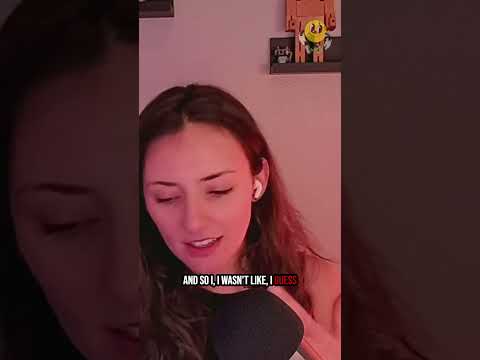
We Reunited After 7 Years… And Got Really Honest About Homeschooling | #33
Ask about Ex-Homeschoolers Club
Episode Description
Join the Newsletter for the latest Ex-Homeschooler News: https://exhsclub.beehiiv.com/subscribe
I can't believe it's been over 7 years... on today's podcast I reconnect with my longtime friend Katrin McGoogan (formerly Frantz). We dive deep into our shared homeschooling past, her experience navigating adulthood and motherhood, and her recent ADHD diagnosis. Katrin opens up about what it was like growing up in a highly creative homeschool family, her time in ministry, and how that shaped her view on faith, parenting, and education. We talk about the challenges of re-evaluating childhood beliefs, raising independent kids, and the real-life mental load that comes with being a mom. Whether you were homeschooled, are a parent considering education options, or someone who just loves a good reflective convo—this one’s for you.
*Key Takeaways:* - What it’s like reconnecting after years apart—and how much life changes - The ups and downs of growing up homeschooled in a creative, flexible environment - Navigating an ADHD diagnosis as an adult and learning to work with your brain, not against it - How motherhood shapes your view of your own upbringing and education choices - Letting go of fear-based beliefs, questioning narratives, and giving your kids room to grow
*Timestamps* 00:00 Reunion After Seven Years 01:07 Homeschooling Memories 02:55 Creative Homeschooling Experiences 11:45 Navigating ADHD 22:18 Post-High School Adventures 28:09 Navigating Beliefs and Independence 29:01 Leaving Home and Facing the Real World 30:26 Parenting and Personal Growth 31:39 Questioning and Evolving Beliefs 37:14 Educational Choices for Children 47:42 Homeschool Memories and Extracurricular Activities 53:02 Conclusion and Final Thoughts
*Resources & Mentions:* - Pomodoro Timer technique: https://pomofocus.io/ - KONOS and Group Solutions (homeschool co-ops) - Mrs. Yip (legendary writing teacher in our community!) - Tools for ADHD (timers, breaks, multi-sensory learning strategies)
If you enjoyed this conversation, be sure to subscribe, leave a review, and share it with a friend who might benefit from hearing this story. Follow Ex-Homeschoolers Club on Instagram and TikTok for updates, and send us a message – we’d love to hear from you!
Instagram: https://www.instagram.com/exhsclub/ TikTok: https://www.tiktok.com/@exhsclub Email me at [email protected]
Read the full transcriptHide the full transcript
- What happens when two friends who haven't seen each other in seven years jump on a Zoom call and catch up? You're
- going to find out today on this episode of the Exhomeschoolers Club. I'm your host, Jacob Gooden, and that's right,
- we're back with the best exhomeschooler podcast this side of the internet. And today, I'm joined by my wonderful,
- lovely friend, Katrin, formerly France, uh, now McGugan. We are going to catch up on all things from our past. We're
- going to catch up on the last seven years. What has happened? A lot has changed in both of our lives. We both
- got married. She's had two kids. We're going to talk about our homeschool past together. We're going to talk about
- potentially her homeschool future. Um, and a bunch of other stuff. But before I let you go, I've got a newsletter. I
- want you on it. First link in the description is going to be the sign up link for that. Go hop on that. I I'm
- shooting out emails once a week, maybe every other week, with just latest episodes, things I'm reading, things I'm
- watching, resources for this show, all that kind of fun stuff. So, go check it out, see
- for yourself. All right, now on to the [Music] episode. Krin, first and foremost,
- welcome to the exhomeschoolers club. Thank you. I am so glad to be here. You and I have been friends for a long
- time. I mean, if it hasn't been clear in my episodes with Ellia and Carrie, like
- we've known each other for it feels like forever. Uh, but your dad was my music teacher. You've you've been over my
- house like plenty of times. I've been to your house. Like we so many things have
- happened where our lives just intersected. Definitely. Yes. It's a lot of things
- happen. A lot of things happened. Yeah. But we were chatting before we got started and it's been at least seven
- years since we've seen each other or even talked to each other and you and I are both married now. You have two kids.
- Like life has definitely shifted and we're going to get into all that, but um it's good to reconnect. I'm excited to
- reconnect. Yes, it it's so nice to reconnect and yeah, it's been long a long time and a lot of things have
- transpired over the years. Yeah. So, I guess with that, I'm going to turn it over to you for a little for a few
- minutes. Walk me through kind of your homeschool experience. Like, you know, were you always homeschooled? You know,
- what did it look like? Obviously, we kind of I already I dropped I spilled the beans. You have two sisters, but
- like, you know, uh kind of walk me through that a little bit and then we'll go from there. Man, homeschooling was a
- time for sure. Um it's it was a really good experience for the most part. Uh we I was homeschooled my whole life, like
- all through school, um all up until high school. Um and uh yeah, I'm really close
- with my sisters and it was really great. We uh there's a lot of good things that
- I experienced. There was a lot of flexibility. Um we I remember like the daily schedule would always kind of
- change every day. like it was kind of you never know what to expect, but we did so much like not just reading um
- from textbooks or whatever, but I just remember doing so many like field trips and interactive learning. Um and it was
- kind of really great for me because we got to uh just that kind of flexibility. um was really good for being able to
- focus like on my strengths um and all the extracurricular activities like we had lots of time. You can kind of make
- your own schedule so that you have time to go do all the fun stuff that you want
- to do and uh for me that was like dance and gymnastics and uh getting a job at a
- young age and just be able to have all that time for that was really great. Um, yeah, I really loved being able to be
- like with my family a lot of the time. Like we really bonded. Um, and I can't imagine like going to school and like
- not seeing my family for most of the day. Like for me it was just normal. Like you just see your family all day
- every day. Yeah. Yeah. No, I feel you. It's like it it's so it was a weird thing to for me get to like college or
- even high school and start to make friends that were like outside of that and be like so wait you like go
- somewhere and you're like you're at this place for eight hours a day with like maybe your sibling is there too but like
- you're different classes and like it just felt weird. It just was a foreign kind of concept and I mean I went to
- public school for two years. I I kind of get the idea but it was like it just didn't feel it doesn't feel like normal.
- Right. Right. Yeah. Yeah. And we were just definitely like so bonded. Me and my sisters are
- still like so very close um to this day and like we were super close with my fam
- my parents and uh just like and again with my dad's studio like being able to be like, "Oh, hey, we're not going to do
- school today. Like we're going to go to the studio and make some music and learn
- to play some instruments." And it was just like so fun for me because it was like there was a lot of times where we
- could have breaks to go play outside. I remember just playing outside a lot of the day which like really helped me not,
- you know, having to like sit down in a classroom, you know, for like eight hours just trying to stay focused. Uh it
- was really good for me to be able to, you know, bounce around and do some school here and there, uh go do an
- extracurricular activity, go hang out with friends, go do some more homework, and just having that freedom and
- flexibility uh was definitely a highlight for me. And and that like that family closeness. um being able to just
- yeah spend time with them um through the ups and downs and uh spend time together
- and you know yeah I remember you saying on one of the episodes where how you just like do homework like at Disneyland
- with your family and it was just like yeah like let's do it. Yeah, you just do it wherever you need to do it and like I
- mean like you brought up your dad's studio. It's like that was also like a safe space for me too. It's like I took
- music lessons. It's really how we got more connected to your family. Obviously we were both a part of Achieve and Group
- Solutions and things like that. we were bound to run into each other at some point, but like being at your dad's
- studio was like I spent so much time there and like worked for him and like all that stuff. But I remember those
- times of like, hey, we're just like going to track whatever. We're just going to like go in there and be
- creative and like that was always so cool and like going in and he'd be like, oh yeah, like I had the girls come in
- and we recorded this whole thing and like it's you know you guys would make full albums and full just like crazy
- whatever. It was just like it was so interesting and your family in general is just I think one of the more creative
- homeschool families. You guys were all you guys are all very talented singers, songwriters, artists. I know you paint
- now. Like you guys are just like everything you set your mind to you guys end up being super talented at. So kudos
- to you. Kudos to your parents for encouraging that. But yeah, it was really nice like having that creative
- outlet. like I I felt like academically, you know, I was able to do a lot, but it
- was definitely not my strength. Um, a lot of different subjects I just really did not like doing. But if it was like,
- oh, music or poetry or art or dance, it was or theater, it was like, oh, like I want to do that. And that's kind of why
- I loved the flexible schedule because it's like, okay, you can get the boring stuff that you don't like doing out of
- the way and then have all these creative outlets, uh, which is just really good for for me and my personality and and,
- uh, just really necessary for me to be able to, you know, handle the boring stuff. What did a typical day look like?
- I mean, you you already kind of said like there there was no normal days. Like, it definitely changed a lot, but
- like like what did that I mean, and what did school look like? I mean, like, did
- you guys have a very set curriculum or was your or was it very like loosey goosey? My mom shifted things a lot like
- we changed up things just all the time. Um, usually year to year, but but it was
- just a constant evolution of of whatever. Yes. Yeah. Yeah. It really like I had some friends where it was
- like you're up at 7:00 every day and you're doing this uh subject at 8 and you're doing this very strict. And um
- ours is a little bit more loose um and flexible and uh like I just I remember being able to sleep in and not have to
- wake up early which is also a big plus. Um and just like some subjects we would do at home. Um a lot most of them I feel
- like were like with group solutions and like uh writing class. Shout out to Mrs.
- Yep who's awesome. Um all of the side classes from all the different homeschool moms that we took. Um, and
- uh, yeah, it's kind of like just a mixture of all of those things. Um, and yeah, we would I remember we'd do school
- and then like an hour and then uh, you know, go outside, you know, have fun, go roller skate and and don't come back in
- yet. Uh, and then we'd just jump into another thing or we'd go to group solutions and take classes there. And
- every day was just definitely a little bit different. Sometimes it would like I remember being in Konos like back in the
- day like super fun time. I have a lot of good memories from that that time. uh being like, "Oh, we're doing a class on
- like ancient Egypt and we're all going to dress up or like my mom, I remember her dressing up um as one of like
- Egyptian queens and uh we were eating like Egyptian food like trying food from that culture and just like a really
- interactive experience instead of just like reading a book be like this is what happened like we were able to kind of
- learn a lot of different interactive ways and a lot of different outlets and uh so that was definitely I loved going
- to Konos and all the classes because it'd be like a lot more hands-on um experience which I really liked about
- homeschooling. I was never in Konos. So, describe a little bit of like what that
- was like cuz I've talked a lot about group solutions on the show before. It's very it's a lot more structured, very
- class ccentric kind of a thing. Very almost like traditional school in a way, but Konos seems a little bit different
- than that. So, what exactly like was it? How many people What do you remember? Yeah, it is hard to remember. I will say
- because it's been a long time and I was pretty little when we were in it, but um
- I remember it being similar to groups like where we would meet. I think it was uh I I might be wrong on this, but like
- it was either every week or every other week and uh just going there couple classes, being able to play outside at
- the park. Um, and then a lot of times we just did like field trips like I remember I vaguely remember um going to
- different like museums and like uh pretty sure we visited like a beehive farm or whatever it is called one place
- and learning about bees and then going to like uh the hatchery learning about the fish like all this stuff. Uh and so
- I my memories are like I it's hard to remember but I just remember always it being like a fun time. Yeah. And I
- remember one class uh where we had to like try sushi and we were try it was like all about food and we were trying
- all the foods that we didn't normally like. And I remember having a hard time with that class cuz I was very picky. I
- took a food class too. I sushi was not my jam. And then when I when I met my wife that was like she's like we're
- going for sushi when we were dating and I was like I don't eat sushi. And she's like she's like you're going to eat it
- now. And I'm like and now it's one of my favorite things. So Oh yeah. Hey there you go. It happens. Yeah. Like I like a
- class like on trying new foods which is like funny because I I just feel like may I mean again I don't know exactly
- how public school works because I don't have anything you know compared to I was
- just homeschooled but you know there's a lot of classes I took that I feel like weren't going to be like classes in a
- typical school environment. Um, but that were still super super fun and like I feel like I learned a lot better uh
- being in that environment where it's like fun and hands-on. Um, and like I I a couple years ago I got diagnosed with
- ADHD as like an adult. And that kind of like clicked in my head of why it was like I did have such a hard time like in
- school um being able to like read a textbook or focus on this or that. And I think that's what homeschooling really
- helped me with um is just having all the different types of learning whether you're like watching a movie and
- learning from that or um or going to like a museum or just like lots of different ways of learning that helped
- me instead of just like well you're just expected to uh read a book um be able to
- read a book straight and retain all the information. It it's interesting because
- I don't have ADHD. I don't have dyslexia. I don't really have any of the like quote unquote learning
- disabilities, which I even hate that term. Like I view it as more just like that's just the way your brain works,
- right? It's just, you know, that's it's what makes you unique, right? And um so like for me, reading a textbook and like
- memorizing it and being able to put it back down on paper is like not really an issue. Um and so I joke with my mom, I'm
- like, I would have done she's like, "You would have done fine in regular school,
- like in public school, because I just that's how I operate." However, I would have missed out on all these crazy
- opportunities like you were talking about like your mom dressing up like an Egyptian queen and like trying all these
- new foods and like all the stuff that is not 100% going to happen in a public school. Right. Right. And the the amount
- of field trips and the amount of just like hands-on this and that and and you know we also like you brought up Mrs.
- Yep. like we had different teachers for different things that like you know they
- made things unique and different and that's I think what helped a lot of us um and especially like like you said
- having ADHD you know or like I have family members who have dyslexia like it's just things like that it's like
- you just have to do it differently. It's just there's no way there's no way around it. Yeah. And like Yeah. being
- able to like take a break and go play outside and burn off energy for an hour um or go do something else. It's like I
- could not sit for hours and just um like you know study because I I would just lose my mind at that point. I'd be able
- to like bounce around and because that's how I my mind works. I bounce around this and that and I can focus very well
- if I'm that's why it's like with all the fun things that I love doing, all the creative things, it's like I could
- definitely focus with that, but when it came to like math or science or history,
- I just be kind of like, okay. Yeah. So, let me ask you this. Now that you now that you know that you have ADHD, are
- what have you are there any like tips, tricks, things that you've learned to kind of be like, okay, like here's how
- my brain operates. So like I know that I have to do things this way which is not
- the traditional way of like and it could be stupid stuff. I mean it could be chores, it could
- be you know cooking, it can be I don't know but like how do you what have what have you learned? I guess that's the
- question. Yeah. Yeah. So many things. Um really the most important thing that I have learned is to work with your brain
- not against it. Um, and I think in like in high school especially, I put a lot of pressure on myself to be able to
- learn the way that everybody else or like a lot of other people's people do like um and I felt kind of I kind of
- internalized that and be like well I'm not you know I'm I'm kind of dumb compared to them like I can't uh learn
- as well as them and kind of internalized that and then just realizing years later
- like there's nothing wrong with you like if you have you know a learning ing disability or whatever. Um it's like you
- just have to work a little bit differently. You just have to learn a little bit differently. And um like for
- me lots of things have helped like I mean like with chores like I will start uh and this was me in during school when
- I was young too, but like I'd start a chore and then I go in the other room and see another mess and then I will
- start cleaning that and then I'll like bounce around. Especially like as a mom like the house is always messy.
- that is my life and bouncing around and never actually completing anything and then just being so overwhelmed. Um but
- like for that like setting timers has been really like helpful. Um or in just like reading like I can read but it's
- like I have to do little short spurts. I can't ever just like sit and read something for like an hour. Um, and so
- like if I'm trying to read something or trying to get something done, uh, like setting a timer just is really simple
- thing that has helped me a lot. Just like helps my brain get back on track. Be like, "What was I doing again?" Oh,
- yeah. I do that too. You know, it's I I don't know if you've ever heard of the Pomodoro timer theory, but basically, so
- the way that one works is you have you do 30 minutes of what's called deep work, right? So I do a lot of editing,
- uh, video and and audio editing. So, right, 30 minutes just hardcore stare at a screen editing can be very hard even
- for somebody who doesn't have ADHD. It's like it is very hard, right? Um, but what's cool is I'm like, "Okay, 30
- minutes and then I get a five minute break and I click on my five minute timer. I can do whatever in that five
- minutes, you know, go do a couple jumping jacks, use the bathroom, get a fresh cup of water, go outside for a few
- minutes, right? You know, whatever it is." and you come back and you do another 30 minutes of this like deep
- work and you maybe you transition to something else. Maybe it's like okay now I'm doing paperwork or now I'm creating
- a graphic or whatever. But the the kind of like like you said of like having that set time of just like okay I'm
- going to do this and it will end and I can watch be watching the countdown of like it's going to end in this amount of
- time. I don't know it like it like does something to the brain where you're like
- I can do it. I can make it you know. Right. Yeah. Yeah. cuz that motivation and like procrastination is a real
- issue, you know, with ADHD. Um, and like cuz your your brain is just naturally lower level of like dopamine and
- everything. And so, um, it's like you have to find ways to like boost that motivation, right? You got to gify it a
- lot of times, too. Yeah. It's like I can do I can do this for 15 minutes. Like even though it sounds hard, like I can
- do it and I'm you're always I'm always amazed at what I can get done in 15 minutes. Yeah. Um, and just like get
- that done and then you kind of reward yourself with Yeah. like 5 10 minutes and like I know my uh my six-year-old at
- uh when he was in like a prek program at um last year at his school, he uh they would do brain breaks and so like after
- they would do some learning, they would turn on some like dance videos and they have a little dance party and just like
- a way to reward your brain and have fun and then it's just a lot easier to get back to studying and and stuff like
- that. So yeah, there's lots of different things that I've learned and I'm still learning. Um, for sure just how to
- instead of like expecting myself to be able to keep up with uh people who are able to uh you know do that uh in a
- better way like like work with yourself, not against yourself. There's nothing wrong with you. Uh you just your brain
- is wired a little differently and that's it. Not a big not a big deal. Um you know everyone everyone's brain is
- different and so it's like work with it not against it. Yeah. Well, and I think for those of us who are not ADHD, I it's
- it's an interesting thing to learn about because I'm married to someone with ADHD
- as well. And so it's one of those things where it it can be frustrating from my perspective, right? Because I'm like,
- well, just do this, right? Like because that's what makes sense in my brain. Yeah. But the longer I sit with it and I
- go, okay, I have to look I have to remove myself from that and I have to go, okay, I got to look at this from
- like that brain style. And that's really hard to do. It is. The patience it takes
- can be very overwhelming. But in the same way, you also have to have patience for people like us because we are just
- like, well, we're just gonna do it this way and like we're just going to grind it out or we're going to crank, you
- know, we're just we can go for four hours doing this one thing that like you're like that is torture. Mhm. Um and
- so I don't know. I just I've learned in the last couple years particularly that it's like also for me taking time to
- understand like this is how your brain works and there's great like you you brought up there's so much more
- education around it now and I think that did exist when we were kids but not I mean we have the internet now it's at
- the palm of you know it's the fingertips um right so educate yourself on this stuff for for people who are not too
- because it's like you you're going to encounter someone whose brain just works differently and if you know how to
- operate with Wow. Like you guys can do incredible things together, right? Yeah. Yeah.
- Exactly. And for me it was the like I remember learning a lot, but it was the retaining all that information. It just
- kind of like it goes in my brain and it doesn't stick. It just kind of leaves. And so like I'll be like the boy my boys
- will ask me questions or like math questions simple ones sometimes and I'm like how do I do that again? Like I
- don't remember how to do that. And that's where it came in handy to not just like read about how to do
- something, but to uh like for me, if I'm trying to learn something now, it's like
- I I write it at the same time as I'm listening to it as the same time that I'm reading it. It's like I kind of like
- all the different ways of learning. I try to do that. Um and that really helps it like stick in my brain more as
- opposed to just reading it and memorizing it. Um, you know, even like coming up with a, you know, some hand
- motion or song or dance to help me memorize it. Uh, you know, you could be silly things like that, but it does
- help, you know, to just get that information to stick. Yes, I love the silly stuff because like I think I like
- after 2020 in particular like I really I think a lot of people lost fun in their
- lives and like to find that again and like be silly like I worked at a toy store for a year and a half or whatever.
- That was so much fun because it was just like I get to play with toys with kids like and it was just I got to be silly.
- I got to like reenact and reinvigorate like the creative juices and be, you know, I
- don't know. It just it brought something new and I was like, I'm not going to worry about like looking dumb. I'm not
- going to worry about like, you know, people being like, you play with toys. It's like I don't care. I this is fun
- for me and this like makes me happy and make and that makes me healthier and that's I'm I'm good with that, you know.
- Absolutely. So, okay, I do want to transition a little bit. Yeah. And so let's let's bounce to the end of high
- school and you're getting ready to become an adult, right? You're about to be 18.
- I know we we did different paths. Um like I did the more traditional like I went to college, you did some very
- unique stuff. I want to hear a little bit about that and like how that kind of your thought process and like choosing
- that path. Yeah. Yeah. I I remember um senior year doing like the career and college planning class at Group
- Solutions and being just like I had I I love doing so many different things. I can't I'm not good at making decisions.
- And so I was like I want to do like everything. I have all these ideas like and it would be ranging from like I want
- to be um like a horse trainer and I want to be a ballet dancer. I want to like teach French and I want to be an opera
- singer. It's like all these things that are not related. just like so many things I was excited about. Um but uh
- yeah, I really like I just didn't know and I didn't want to make like a really like big decision. I didn't feel like I
- was ready to make like a big decision. And I think it was nice being able to be like you don't have to go like right to
- college. You know, there's a lot of different um paths you can take. And um and I just really felt at that time I
- really wanted to go help people and that's something that I'm really passionate about. And um and so I joined
- um a ministry in Louisiana that does disaster relief and um they have ships and they go out to like Haiti and um
- Middle East and wherever there's need. They do a lot of like local disaster relief in Louisiana with flooding and um
- and everything. And uh I was like, you know what, I don't know what I want to do, but I know that I can spend my time
- helping people right now and I don't have to figure it out yet. and um you know the it's not like a rush to figure
- anything out. And so um I was able to go there and um it was kind of like a YWAM
- type thing like for college age um people and just like a lot of uh spiritual training and disaster relief
- training. Um, and that's where I met my husband. And it it kind of was going from like the the like Christian
- homeschool bubble that we grew up in to like another like Christian bubble um in
- that ministry. Um, which was great. And then, you know, like when you're out of that and you're in the real world, it's
- like, okay, like this is nor like it's hard to figure out. Like even still, like at my current job, you know, I'm
- just used to always being around, you know, people that believe the same things as me and people that have grown
- up the same way. And um it really is like a big culture shock when you're like an adult because you're like not
- everyone thinks the same way. Everyone has a lot of different experience opinions and experiences and it's like a
- whole new world. Like it's like whoa. I feel you cuz even me like I went to a small Christian college. There's a
- thousand students which sounds like a lot of people but when you compare that to one of the bigger universities it's
- not that many people like we basically knew everybody on the campus. It's easy to remember a thousand people's names uh
- if you try hard enough. And so, but it was interesting because and I had a buddy on um Adam Gaus was on this
- episode on a on the podcast and he we went to the same college together and so we talked about how it was very much
- like going from like a youth group Christian scenario to a bigger youth group Christian scenario. Yes. And then
- when we started to leave that and even within inside of that we had a lot of denominations of people. We had like
- free Methodists and non-denominational and Lutherans and and Catholics and like everything and we were like what is
- going on? Like we start to realize like we do not believe the same thing like or
- we disagree on stuff overall. We all agreed on like religion but like or like we we kind of all had the same narrative
- of like man messed up. Jesus needed to come save us kind of a thing. But like when it came to the intricacies of like
- religion, we were all in complete disagreement of like what that looked like. And so it was interesting to then
- like work through that where it was kind of that stepping stone to then we get to
- the real world and you're like, "Oh, to your point, there's a bunch of people who don't believe any of this, right?
- And how do you step into that and how do you exist in that?" Yeah. It's I'm I'm going to argue that was maybe a weak
- point in our childhood a little bit of like I think having been exposed to more outside information could have been
- good especially when it comes to religion. Yeah. No, I agree. I think that like when you're raised in that
- like kind of Christian environment, it's like you grow up thinking like this is the way like everybody should believe
- these specific things. but also kind of you know it wasn't until I was out of that that I kind of realized there is
- some you know toxic stuff happening in there and uh you know purity culture and all that I know you've talked about that
- a lot and it's like oh like kind of like when you're becoming an adult and when you leave your family and you leave that
- environment it's like okay who am I like on my own what do I believe like what do
- I want to what beliefs do I want to take with me um like from my parents or my environment and then what do I kind of
- want to get rid of because I don't associate with it anymore. Um, and kind of like
- that's the hard part is like deciding on your own like what you're going to believe because it's like easy when you
- grow up and that it's like you're just told what to believe like this is the truth. Um, when in fact, you know,
- looking back there's a lot of things that I'm just like eh that was not very healthy. Um, that wasn't really that
- great. Um, and so it's like actually the real world is more it's more normal for
- people to not believe in things that you believe. Like it's uh kind of the opposite. And so be able to like
- navigate that whereas like you believe what you know what you really do believe and you know getting rid of the things
- that don't um that you don't want to believe anymore or you don't feel like is necessary or or whatever and kind of
- becoming your own independent person. And and so that was definitely like a huge step for me because once it was you
- know I moved to the ministry it was like okay what from homeschool do I want to take or my experience then and then it
- was like when I left the ministry it was like okay now I am in the real world like uh I'm a mom too like I got kids to
- worry about now and it's like well now a lot of things from that ministry were not good either and so it's like it
- there's a lot of things a lot of taking and leaving I feel like with faith faith
- or just beliefs in general and and stuff. So, it's an experience for sure. One thing that I think is
- uh I won't say it's unique, but I one thing that we have shared in experience is the fact that like we both left home
- at a young age. I was 18. I'm assuming you were right around 18, right? Yeah. Mhm. So like that alone is like huge
- world shift of just like you're going from all the comforts of everything safe, everything that you know and the
- homeschool community we grew up in was so tight as well where like I mean the number of people who were like don't
- leave. It's like I understand that like I I'm sad too. I don't want to go. But it was it was like a necessary thing,
- right? It's like it I have to step outside of that. Now again this is not to criticize anybody that stayed. That's
- like it's just that is a unique thing that I think it can be helpful, right? Because it's like it puts you out there
- and then you know right after you left your ministry and pretty soon after I left college like we both got married
- like we started new lives, we moved to brand new states for us like we have that in common where it's like okay we
- have to figure this out. We have to figure out how to be adults in a real world to some degree on our own you
- know. Yes. Um, that's a scary challenge. It really is. And you were a mom pretty
- quickly into your marriage as well. So, that's a whole another a whole another can of worms. Um, yeah. As well. But Oh,
- yeah. Yeah. I feel like I just left high school and then I did something and then
- I like got married and I then I had got pregnant and then it's like the next one
- came and then we move and it's like we moved and it's just like all these huge life changes and especially like when
- you have kids then you're kind of like start questioning like okay what you know what do I want to teach them what
- do I want them to grow up like learning like do I want to do the same things that my parents did or that my
- environment did or do I want to do things differently do I want to kind of like edit that take some of that other
- stuff out that I don't like. And um and so it's like it's a whole process, but then like having kids so young and so
- quickly without really growing up myself, it's definitely been a challenge and it's it's been a huge blessing. Like
- I love them. Um and I've definitely been on a a roller coaster of life changes. Yeah. But it's kind of like forced me um
- to really uh grind out like who am I? Like what is my identity? What do I believe? what do I not believe? Um, you
- know, how do I be my own person as well as be a wife and be a mom? Um, you know,
- how do I remain true to myself and what do I want my kids to grow up in? And just a lot of questions you got to
- answer and kind of hammer out. Yeah. I think something that I've realized and I've been this is one of the things I've
- been working on and talking to people a lot more about is I look at the iterations of like my grandparents to my
- parents to me, right? Mh. And like my grandparents, they have their own set of issues and I can look at that and I can
- go, okay, like I don't like XYZ about them and and I can talk to my parents and and my dad has been very vocal with
- me about things that his dad did that he didn't really like, right? And he's like, so I tried to change those things.
- My dad wanted to be very heavily involved in my in my life. My grandpa traveled a lot when my dad was a kid. So
- my dad was like, I don't want to do that. You know, he he intentionally wanted to be in my life. And I'm like,
- great. Well, there's things that my dad did that I would never want to do if I were to have kids or, you know, to, you
- know, I just want to change that about me. Right. Right. And that's to your point of like kind of figuring out who
- you are and taking the good stuff and things that I'm like, yes, I love this. This was a good thing. Right. I'm hang
- on to that as tightly as I can. But then also relearning to be like, okay, but I
- think we can do these other things better. Right. Yes. And so becoming the better version and then hopefully for
- you, for your kids, then they can take what you and uh uh Chandler, right? Yes. Yeah. Are right and take those things
- and be even better versions of themselves, right? And so, yeah, you know, I think that's that's huge. And
- it's cool that you're asking those questions and you know, it is tough. It also is tough
- to find time for yourself, you know, to be like to ask those things, right? And it's scary. Yeah. and knowing that like
- it's okay also to like to not you know it's it's as you said it's like safe that kind of environment that you grow
- up in. It's like you're kind of almost at least in me like I was kind of afraid to like not you know continue with some
- of the same beliefs and like same way of doing things because it was like that was safe and that was you know
- comfortable but then as an adult you're just like kicked out of the nest and it's like okay like do I have to you
- know hold on to that um and just like deciding for my family what we want to uh believe and how what we want to do
- and it's like there's it's okay also to like not have it all figured out. And like I am just in a constant state of
- learning and growing and questioning and like the questioning part is a great place like to be in because I think
- sometimes when you grow up in that environment it's like well this is just the truth like you like this is just it
- and you know you believe it everyone believes it. Um and then but it's actually actually like very healthy to
- question and be like okay like where am I at on this? um like it's okay to think
- differently and not everyone thinks the same and especially yeah in the real world like everyone has a lot of
- different viewpoints and opinions and you know all their experiences lead up to that and so it's just like there's a
- lot of things but it's a really so like it's interesting being I'm agnostic so for me that means like I don't
- necessarily know that there is something I'm not an atheist but I'm not like I don't necessarily believe in the God of
- the Bible or you know I I just question I just I sit in questions a lot and to some people that like freaks them out.
- They're like but how how do you how are you comfortable with that? I'm like it's
- just I'm okay with it right now because like I'm just I feel better asking questions.
- I feel like I get a better understanding of spirituality and the fact that I feel
- comfortable going to a Buddhist text or I can look back at the Bible and I can ask these questions and I can go okay
- let me look at this thing and let me see it let me ask a question about it and you know garner something from it right
- and meditate on it and think on it it's like I enjoy that I enjoy learning and so that questions is a huge part of
- learning right and so Yes, absolutely. I'm comfortable. And again, it freaks a lot of people out. They go, I don't know
- how you could ever do that. And I'm like, I just I just am I'm comfortable in an uncomfortable way. And that
- doesn't make sense to a lot of people, but I'm like, that's just that's just where I'm at, you know? Like you just
- And it is. It's just that's where I'm at, you know? Yeah. Yeah. Especially like knowing that like at some point
- you're just not going to have all the answers. And like for people who just want to know why why or how does this
- make sense like me it's like sometimes I've had to come like in my own like personal like faith journey having to be
- like you know what like I don't understand this and that's okay like it's okay to question what you were
- taught like growing up like it's not doesn't mean you're a bad person and I think at first when I started like
- questioning a lot it was like oh no like I must be a bad person like there must be something wrong with me for like
- trying to step out and like oh no like is that a sin to like start questioning the narrative that I've been, you know,
- taught and being like, "No, like it's good and healthy for you to uh to question things and to just be like, you
- know, like I'm my own person now. I'm I'm my own adult and now I have kids that it's like I've got to figure out,
- you know, I want them to be uh I don't want them to be like sheltered and I don't want them to be too overexposed to
- certain things." It's like trying to figure that out with them and their school experience like how do I give
- them the freedom to like choose to like you know teach them what I think is is good to know but also letting them have
- the freedom to choose like their own path as well. So it's like it's tricky figuring that out. Well, let me let me
- ask you this like too. So, you have two sons. Like, what a as they're getting to
- an age where school is starting to become a reality for them. Like, what are you looking at school-wise and
- education wise? I I'm a big proponent of like parents just being involved in their education, which sounds like you
- are. Um, but like what are you what is going through your brain of like, okay, you did the homeschool thing. Are you
- going to homeschool your kids? Are you going to send them public school? Are you going to send them to private
- school? like what what what are the thought what is the thought process that goes into that? Yeah. So, when we first
- uh like were pregnant and everything, we were very like passionate about um homeschooling. And then um as life
- happened, I had a really rough few years um after my especially after like my second son um and mentally just not
- doing well on some things and and we kind of realized like right now like it's not really an option and um so
- right now my uh six-year-old is in kindergarten at their elementary school and he loves it. Like it he has the best
- time. It's like he's just thriving completely. Like he's made so many friends and it's like I'm still so new
- to public school. I still don't know how it works. So I find myself asking a lot
- of questions like just because of being homeschooled all my life. It's like oh like what what is like and I think
- there's a lot of uh I at least had a lot of fear going into public school system
- uh based on things that I had heard whether they're truth or not you know just kind of the fear around it like oh
- no like how is my kid going to turn out if they go to public school? Um, but for
- right now, he's there and he's doing really well. And then my four-year-old is at a preschool program at our church.
- They actually have like a a legit like school within the church. Um, and so he does like a half days there and has a
- great time and does crafts and all the things all the fun things that preschoolers get to do. Yeah. Um and we
- uh my there is a um one of our pastor's wives is one of the main teachers at um my older son's elementary school and so
- she's been a really great like source of information and answer all my questions
- u and it's just like a really really great school and so for now that's working. it works best with our schedule
- um because I'm working really early mornings and my husband works works in the evenings and having them be able to
- have their own time because I think for a long time being a stay-at-home mom I realized that like I can't always handle
- being around them 247 valid reasons, right? It makes you applaud your mom maybe a little bit more
- where you're like, "Damn, you put up with us for that long?" Yes. Yeah. It's like it's a whole new
- ball game when you're a parent because you're like, "Oh, wow." Like, "Woo, like I can't believe my mom survived
- this. Um, and yeah, it really changes your perspective on things." Right now, that's what works for us and we're
- probably going to do that the next couple years. Um, but we've definitely our preference would be uh there's a lot
- of factors like finances and stuff, but our preference would be for them to go to like a there's some really good like
- private schools in the area. Um especially for like super gifted kids like both of my kids are extremely
- extremely smart for their age like uh and they like just the stuff they're teaching in kindergarten like I was
- teaching to them when they were like two when I was trying to do a little bit of
- home school and like they're just naturally very very smart and I think a lot of times um like in the public
- school system it's like they they might not get as recognized. It's kind of a lot of things are expected, you know,
- everyone learning this at the same pace, uh, same level and stuff. And I I would
- totally be interested in looking up opportunities like within public school for, um, you know, programs, uh, whether
- they can start doing college classes early like in high school or whatever. I know there's again I really don't know a
- lot about public schools so um there's probably a lot of opportunities for that but um yeah something I would really
- love if they could like graduate early and you know get a job and uh be able to like take college classes or uh go to
- university or go to a trade school or an internship or something um instead of waiting you know all the way up until 18
- and then trying to figure stuff out. And it's we're kind of open to a lot of things. I am open to homeschooling um
- for sure. I think it is it is hard for me just with all my mental stuff to keep on track of stuff and push them to their
- full potential. And I feel like right now they're their teachers are really doing that for them. Um but come in a
- couple years like we've definitely talked about it. And I think nowadays there's so many more resources like for
- homeschool where like there's a lot of online programs where you don't, you know, have to be teaching them every
- single thing because it's like I don't remember any of this. Like sorry, you're on your own. Yeah. But like there's a
- lot of like programs that will like keep track of all of your uh records and stuff and like teach you all the things
- you need to know. You just need to make sure your kids do it. Um and then also involving them in like sports and um
- extracurricular stuff. So yeah, we're kind of just like public school's working for us right now. They love it.
- Um and it's nice to have that time away from my kids. I've learned that I really
- need that for my own mental health. Hey, that's important, too. You know, I mean,
- my mom, hey, when I had her on the show, and her and I have talked about this many times of like, because my grandma
- was really one of the big forces behind like, you should homeschool your kids, you should homeschool your kids. My mom
- was like, "You want me to give up my day of peace and quiet, being able to watch
- Oprah, being able to go get coffee with my friends, being able to all this stuff
- to be around my demons?" Uh, like, yes, it Yeah. I'm like, I look at it, I'm like, she gave up a lot. Um,
- and now she gets a quiet house cuz nobody's there. She just has to put up with my dad. But, you know, Yeah. Um,
- but it I definitely I applaud you. Like I think your mindset behind it is is great. That's like what I think the idea
- of just being able to be like, "Okay, I know this about my kids and I want to give them the best opportunity." Whether
- that that's public school right now, great. Like, we're going to do that. Maybe it becomes home school. Who knows?
- Maybe it becomes private school. we'll see, you know, like and explore those avenues and ask the questions, right?
- It's like that's like awesome. That's I think such a a powerful thing as a parent that you can do. So, God bless to
- you. Thank you. Yeah, it's it's hard. there's so many decisions to make and it's like you you really want the best
- for your kids and you know once you kind of let go of that fear because of my own
- personal experience or you know just don't read what you read on the internet about public school and the the fear
- about that like I I'm just seeing that like it really is really great for now and like I I just I don't necessarily
- trust myself to like push them to their fullest potential and that's what I really want for them and so it's like
- whether that means we do some kind of program or yeah private school or um stay in public school and it's like I
- just want the best for them and I know for me with my struggles it's just it's hard to manage myself in a lot of ways
- and so it's also extra hard to manage kids on top of that so in a lot of ways it's like if I can take care of myself
- and have that time away then it's like I can show up and be a better parent uh to
- them and just knowing that like don't have to figure it out right now just like do what work for now. And you know,
- you're not going to your decisions aren't necessarily going to ruin your kids. And I think there's a lot of fear
- where it's like, oh crap, like if I don't do it the way that I was raised, then it's like they're going to be
- ruined. And it's like, no, there's like a lot of good on both sides. Um, and it's like if I could like have a support
- system and like a really good program, I definitely probably would homeschool them eventually. Um, but yeah, just not
- having to worry about that right now and kind of, you know, whatever works has been working for us. So, yeah. No, I
- like I I think too like the ability to push them to their best potential. Like you said, like there's levels to that.
- This is my opinion, but I think there's levels to that of like you need multiple
- people in your life that do that for you. Like I think about myself and I think about like when I was in high
- school and wanting to be the best version of myself. I had obviously my parents in my corner doing that, but I
- also had people like your dad who were like, you can go do this thing. I believe in you, you know, and so having
- people like that in my life who were just like they, you know, your dad of course was one of my teachers, but he
- wasn't with me every single day, you know, and so but having somebody like that who also was just I know he's in my
- corner was like phenomenal. It did so much for my confidence as a person to be like, "No, I can I can crush this. I got
- this." you know, to your point of like, yeah, okay, you know, as a teacher, maybe you're like, I can't do that. I
- can't imagine teaching. I'm like, I'm so stupid when it comes to c certain things. Um, but but I'm like, but I know
- that like I can be in your corner and be like your hype man and be pushing you to
- be the best version of yourself, right? And so it's like I know that that's a strength of mine. Yeah. you know, and so
- recognizing for yourself, these are my strengths and I want to give these the best that I can to my kids and I need
- XYZ to do that, right? That's phenomenal. That's, you know, I think too many parents, they sacrifice so much
- of themselves for their kids and it's like they lose themselves. Something I've talked about on the the show before
- is that whole mentality of like our moms not always knowing when to turn off teacher to be mom again.
- It's a tricky thing, right? And so there's not that segmentation in the homeschool world where it's like, okay,
- now I'm putting mommy hat on and now it's teacher time, right? And so, you know, having some of that separation.
- And my mom talks about this, too. She was not a mentally healthy person when she started homeschooling us. She got
- better, but it still wasn't great. She's more mentally healthy now that we're out
- of it. And so, um, so anyway, I just I say that to say like I think what you're doing is great, like, and I applaud you
- for it. So, keep it up. Thank you. Thank you. Yeah, it's a journey for sure. Okay. So, funny homeschool moments.
- Anything come to mind while you've been thinking about I I've had this one in my
- brain that I don't know if you'll remember this. You guys used to come over to our house and play cards and
- stuff and and there was one night my mom made uh Mexican wedding cookies which are covered in powdered sugar, right?
- and she like spilled it all over herself or something and she she would always make this joke about like having sugar
- boobs and I don't know why it killed you for some you were dying laughing and that is like one of my most vivid
- memories with Katrin of just like her dying laughing on the floor because my mom was like I have sugar boobs and has
- powdered sugar all over her shirt. Um so anyway yes okay now that you mentioned it I totally remember that. Like I had
- not remembered that. Yes, that was a quality time. I love your mom so much. She's amazing. I love
- her, too. But yeah, but I don't know. And I know we've kind of been chatting for a while back and forth like in DMs
- and stuff, but has there been anything that has stuck out to you of your like as I'm kind of reminiscing about my
- years as a homechool kid where you're like, "This was just such a magical moment that I like will go down in
- history as like, you know, and it could be insignificant. It could be literally,
- you know, seem like nothing, but it just meant something to you. Yeah. Oh, so many things. Uh, well, for one, like I
- know we've talked lots of talk about this before, but all the swing dances were like such a highlight of my
- homeschool life. Um, and like the English country dance like specifically because like I love that like time
- period and be able to dress up like when do you ever have the chance to do that?
- Like dress up and be able to do your little dosey dos. That was so so fun. And you know,
- just all the the drama and the dances like oh like it's the Satie Hawkins like are you going to ask who are you going
- to ask and are they going to think they like you or you have a crush on them or something like just all the silly drama
- but it's just so it was such a wholesome time and uh all the dancing and to this
- day I don't know how public school dances work but our homeschool dancing was very very fun uh and lighthearted
- and like I remember my favorite thing was like I specifically like probably with my gymnastics background like I
- tried to learn like all the aerials and all the like flips and the tricks and then my favorite part would be like when
- they call the snowball which is when everyone gathers together and you get to go in the middle and like being able to
- just be like look at me guys like I can do all these tricks like I'm just like the best swing dancer ever. Yeah. No,
- the snowball was great because Yeah. If you're not familiar with like dance culture, snowball is basically like it's
- the time to show off. It's the time you you really shake it cuz everybody's looking at you cuz it's a giant everyone
- circles up giant circle and one couple goes to the middle and does whatever. Um and they show off their you know their
- special dance move and uh yeah. No, that was always so much fun. Those dances are
- like they're just it's just such an iconic part of our homeschool experience that it really is. I know other people
- who were homeschooled or who have done swing dance and stuff and it's just like I talk about this with them and they're
- like that sounds like so much fun. Like it just I don't I haven't met anybody who has had as close to an experience
- when it comes to that stuff as the achieve group solutions Ventura County homechool groups. Yeah. Yeah. Like my
- husband was homeschooled and he was just like this was all unheard of to him and
- it was just it was so fun that even like once our kids are a little older and we
- can you know spare the time in our busy schedules like we've been wanting to you
- know go take ballroom dance classes together and just like it's such like a inner child thing for me like so much
- fun. Um and and yeah like doing all the the dances and English country dance and
- then like also doing like the musicals in the summer. Shout out to the Mitchells. Uh great time there. So fun.
- Uh so much fun. Like I just love those times. Yeah. Well, I think too like you said it early on like you thrived in the
- extracurricular in the dance and the like in gymnastics and just like all the extracurricular stuff. And that is like
- very true of just like our shared homes school experience. But just the homeschool group that we grew up in the
- the amount of extracurricular I just I activities was so vast. There was mime and dance and theater and there were
- sports and airsoft and cooking and art and like there was anything and everything you could ever imagine was
- like available to us and that was I think what just made it so unique and and now like getting to chat with
- everybody and hear about their experiences. Of course, like most of us went to the dances. Most of us have that
- as a shared experience, but hearing their unique stuff of like you you and your sisters were really into gymnastics,
- too. Um, which we haven't even really I mean, we kind of touched on it, but that
- was like a big part of your guys' life. You guys worked there and you know, that's like incredible. You know, who
- who gets to say I don't know. I don't know. I feel like not that many people get to be like I was I did gym was my
- life, you know, like Yes. And especially being able to take my skills and then doing at the dances being like, I can
- use these skills here. Full circle. Exactly. Kran, this has been so much fun. I appreciate you
- coming on the show, making this happen. Um, I know it's been it's been a while. It's been a couple months in the making,
- but I'm glad we got some time. So, I'm glad you were able to your husband. Thank your husband for taking the kids
- so you could have some time to chat with me. Yeah. Yes. It's so fun. I love reminiscing on memories and it's just
- Yeah. Thank you so much for having me on here. Of course. Of course. It's my pleasure and you're always welcome back.
- So awesome. Yeah. Until next time, we'll see you. All right. Peace. [Music] [Music]
- [Music]
Brief Summary
Jacob and Katrin reconnect after seven years, discussing their homeschooling experiences and parenting challenges.
Key points
- Reconnecting After Years. Jacob and Katrin catch up after seven years apart, reminiscing about their past.
- Homeschooling Experience. Katrin shares her unique and flexible homeschooling journey, highlighting family bonds.
- Learning with ADHD. Katrin discusses how understanding her ADHD has changed her approach to learning.
- Finding Fun in Learning. Discovering how to make learning enjoyable through creative methods and breaks.
- Navigating Beliefs. The challenge of reconciling childhood beliefs with adult experiences.
- Navigating Education Choices. The discussion revolves around the challenges and decisions of choosing the right education for children, balancing personal experiences and societal expectations.
Episode highlights
- Reconnecting After YearsJacob and Katrin catch up after seven years apart, reminiscing about their past.“It's so nice to reconnect after so long!”1:57Apr 10, 2025
- Homeschooling ExperienceKatrin shares her unique and flexible homeschooling journey, highlighting family bonds.“Homeschooling was a time for sure!”2:26Apr 10, 2025
- Learning with ADHDKatrin discusses how understanding her ADHD has changed her approach to learning.“You just have to work with your brain, not against it.”14:58Apr 10, 2025
- Finding Fun in LearningDiscovering how to make learning enjoyable through creative methods and breaks.“It's like work with yourself, not against yourself.”18:51Apr 10, 2025
- Navigating BeliefsThe challenge of reconciling childhood beliefs with adult experiences.“It's okay to not have it all figured out.”33:41Apr 10, 2025
- Navigating Education ChoicesThe discussion revolves around the challenges and decisions of choosing the right education for children, balancing personal experiences and societal expectations.“I just want the best for them.”44:34Apr 10, 2025