What Does Homeschooling Isolation Do To Your Mental Health?
Ask about Ex-Homeschoolers Club
Episode Description
If you're loving the show and want to show some support, consider buying me a coffee: https://buymeacoffee.com/exhsclub
*Trigger Warning:* This episode contains discussions of suicide, depression, trauma, and mental health.
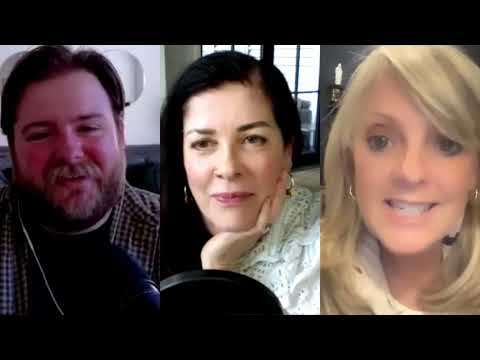
What happens when homeschooling, isolation, and identity all collide? In this episode, I sit down with Beau to talk about growing up homeschooled in a deeply religious environment, navigating gender identity, struggling with severe mental health challenges, and ultimately finding purpose through helping others heal. Beau shares an incredibly honest story about the realities of loneliness, recovery, and becoming a Recovery Support Specialist after surviving some of life's darkest moments.
*Connect with Beau* • Substack: https://substack.com/@healingkind • Bluesky: https://bsky.app/profile/healingkind.bsky.social
*Resources Mentioned* • CRHE: https://crhe.org • Homeschool Alumni Group Sessions: https://crhe.org/homeschool-alumni-groups/
If you enjoyed this conversation, be sure to subscribe, leave a review, and share it with a friend who might benefit from hearing this story.
*Connect with me* • BuyMeACoffee: https://buymeacoffee.com/exhsclub • Email me at [email protected] • Listen on Podcast: https://creators.spotify.com/pod/profile/exhsclub/ • Instagram: https://www.instagram.com/exhsclub/ • TikTok: https://www.tiktok.com/@exhsclub • Newsletter: https://exhsclub.beehiiv.com/ • Substack: https://exhsclub.substack.com
*Chapters* 00:00 Welcome Back to the Ex-Homeschoolers Club 00:57 Let's Meet Beau 02:17 Was Homeschooling Structured For You? 05:58 How Much Responsibility Did You Hold At Home? 08:38 Where Did You Grow Up? 10:06 The Push To Get Into College Early 12:59 Socializing As A Homeschooler 17:17 What Was Making You Feel Out Of Place In School? 22:06 When Did You Know You We're Trans? 27:26 What Did Early Adulthood Look Like? 30:45 Why Is Mental Health So Stigmatized In The Homeschool World? 32:26 Trigger Warning: We're Talking About Suicide 41:08 What Did It Take To Become A Recovery Support Specialist? 51:06 How To Connect With Other Homeschool Alumni? 58:06 What Do You Think About The Current State Of Homeschooling? 01:01:35 It's Always Ok To Change Your Mind 01:02:42 Don't Be Afraid To Share Your Story 01:05:44 Taking Care Of Yourself After Being Vulnerable 01:10:04 Connect with Beau 01:11:16 Do All The Internet Things
Read the full transcriptHide the full transcript
- What is good, my ex-homies? It's your boy Jacob Gooden. We are back for another week in the Ex-Homeschoolers Club,
- and I'm so pumped today. I've got a new homeschool friend. Uh, Beau is joining us, and we're gonna touch on not only his homeschool
- experience and just, like, life and, you know, all the things we normally do, but also we're gonna talk on mental health, we're gonna talk about, um,
- sexual identity and just, like, growing up and, and things changing in our… Just, just a lot.
- We're gonna, we're gonna touch on a lot of different stuff. And so this is also a little bit of a trigger warning, 'cause we are gonna
- touch on some things like suicide, again in that mental health piece. But we're, we're gonna give some resources, and we're gonna talk
- about coming out of that, being stronger on the other side, getting help for those types of things.
- And so yeah, so with that, Beau, welcome to the Ex-Homeschoolers Club. I'm so stoked to have you.
- I'm stoked to be here. I'm really excited. Um, yeah Yeah, we're gonna have a good time.
- Let's, let's start with kind of like an overview of your homeschool experience. You and I don't know each other very well, so like give me a taste.
- Like, were you homeschooled all the way through? Siblings, were they homeschooled?
- Like, what did a day in the life kinda look like for you growing up? So I'm the oldest of three.
- Um, I have two younger siblings, and, um, I was, I attended I think some sort of daycare or kindergarten when I was really young, and then my
- parents started homeschooling me, and then my siblings followed afterwards. I have two younger siblings.
- Um, we were all homeschooled, and, um, we were homeschooled primarily from what I
- understand was, like, religious reasons. Like, my parents wanted to foster a love of, like, Christianity.
- Um, and I think that… Like, I don't get into why my parents did what they did. I don't, I don't know.
- You'd have to ask them. But for me, it was really, like, a ch- a, just a chance to learn a different way.
- Um, and, so I was homeschooled all, for 11 years basically. Um, and I say that's all the way through.
- I did w- a year at community college, and that was my, um, senior year, I guess.
- Um, but it really was, like, the start of my adulthood. did you have, like, a lot of structure in your homeschool world,
- or was it, like, super unstructured? Like, I think about, like, my, my mom when we started it was very like, "We're
- gonna be up by, like, this time, and we're gonna be at the kitchen table, and here's the books we're doing," and all those types of things, "And we're
- gonna, we're gonna crack through all of these lessons today." Um, and I think she was trying to mimic a little bit of, like, I had gone to public school
- for two years, so I think she was kinda trying to mimic a little bit of that. But quickly that just kinda fell by the wayside, and we became much
- more, like, eh, loosey-goosey, I guess, is the best way to put it. But, like, it was kinda sleep in, work when you want, just
- get it all done, was kinda like. We put, like, a, a goal by the end of the week, and it was like get it done
- by, by Friday night kind of a deal. But so, so how was that for you? Did you have a lot of structure in your homeschool environment?
- Unsc- more unstructured? What did it look like? I think for the first year of homeschooling, I remember my mom
- has a background in education, and Mm-hmm. it was very structured because it was just me and my mom.
- My two siblings were at daycare or school and/or some- whatever I did for those first couple years that I don't really remember.
- Um, Yeah I was, um… W- it was very structured, and it was, it was kind of nice. I really, as an adult, I know I love structure.
- I love when things go the way they're supposed to go in a certain order. That's just who I am.
- So I imagine it was probably pretty good for me. Um, by the time we reached my second year of homeschooling, um, my parents
- decided to try a new curriculum. It was all video-based. Um, I think it was, like, Abeka.
- So, like, they recorded a classroom, and, um, I watched it, and my mom didn't really have as much involvement in that, in, like, when I did that.
- I- she made sure I did it, but she didn't, like, say, "You have to do it by this time." And I'm, was thinking about this earlier.
- Um, I was thinking about how there's this line in the movie Tangled, um, that came out when I was younger.
- I don't remember exactly when it came out, but there's this line where one of the, like, thieves that's trying to steal the, like, crown is like, "Oh, we did all
- this, and it's only 9:00 in the morning." And I remember my reaction to that. Um, at this point, I was well into, like, childhood.
- I remember being like, "9:00 in the morning is when I wake up." Like, um, how can you get all this stuff done by 9:00 in the morning?
- 'Cause I did a lot of sleeping in. Um, and so it became less and less structured as time went on, and
- I think that might have been not very helpful to me now that I know Right. about
- No, I, I feel you 'cause yeah, I, I, I was a night person, so like I would do school late into the night, re- super late into the night, and yeah, and then
- sleep till 10:00 in the morning or so. And, um, by the… Especially by the time I was like graduating, uh, high
- school and stuff, I just kinda, yeah, was on a totally different schedule. Um, but yeah, college definitely set me back on like the track of like,
- hey, I have to like structure my life a little bit more, and I'm responsible for that now, um, kind of a thing.
- But yeah, I don't know. Homeschool can have one of those, either one of those effects, right?
- It's either like I build a, a strong structure for myself, or like I just kind of let myself not have structure
- Yeah, and I think there are some studies, and I don't know specifically what they are, but they show that, like, teenagers do naturally
- wake up at a, like, later time. Like, their circadian rhythm is more geared towards sleeping in.
- So maybe that was good for me. But, um, I, I think now as an adult, I really have had to learn how to
- structure my life and, like, how do I get places on time, and how do I get assignments done for work and all that?
- So it's been a learning experience for sure. you know, you said, you said your, your mom was involved, you know, and
- had kind of an education background. But as time went on, did you become more like the sole teacher for yourself?
- Like I… And I mean that in the sense of like, I feel like with homeschooling, a lot of the story you get is like, as a younger kid,
- parents are much more involved, right? You gotta learn how to read, you gotta learn how to write,
- you gotta learn the basics. And then as you get older, it starts to become a little bit looser and it's
- more put on the kids of like, "Hey, you have to have these things done and your education is your responsibility." Was that true in your house or, or not?
- It definitely was true that a lot of my work was self-gui- s- self-guide- self-motivated, I think.
- Okay. my parents kind of helped me, like set a curriculum, or maybe they just picked one out for me, 'cause when you're a little kid, like you
- can't make that kind of decision. Um, so they kind of picked out the curriculum for me.
- They said, "This is what we're doing this year, and here's the textbook." And then as I got older and older, it was less like, "Here's
- the textbook, let's do it with you." It was like, "Here's the textbook. Go do it.
- Come back when you're done, and, you know, if you have any questions, ask." But I didn't feel comfortable enough to ask them for help, so I just didn't, and
- I just always felt behind, and always felt like I was failing, even though there was no, like metric to fail by.
- And I think if there had been a metric to fail by, that would've been actually really helpful, 'cause I could have like judged my abilities accurately
- Yeah. No, I, I, I feel you to some degree. 'Cause, like, there were periods where, like, I was grading my own work too.
- So, Mm-hmm. something wrong and I was like, "Well, I was only off by, like, a decimal point," like, you know, in math or something like that, it's
- like, you know, I understood it. Like, I got it right, but just not quite right, you know?
- So I'd fudge the numbers a little bit. Um, as compared to, yeah, having your parents kind of like grade it
- and have that, that extra set of eyes on what you're doing and making sure you're, you're, you're learning actually what you're supposed to
- be learning in a lot of senses. And I think there was some standardized testing that we did.
- It was not required, but my parents wanted to make sure they ha- they kinda knew that I was, like, at least getting a proper education, I think.
- But I never saw the results of those standardized tests, so I had no idea how I did.
- Um, and I always assumed that I did terribly because they just didn't say anything to me.
- I assumed if I did well, they would, like, be excited for me, and they just never told me, so I just didn't know.
- Um, and I still don't know. Um, and you know what? That's, that's in the past. Yeah, exactly.
- We're, we're adults Yeah like I, I'm curious just in, like, you know, I always like to kinda ask now,
- like, where, like, where people grew up. Like, did you grow up in one state and homeschooled in one state?
- Did you move around a lot? Um, and then kinda like roughly what kinda era of homeschooling you grew up in.
- Like, I was a product of the 2000s, and then I graduated in 2014. Um, but yeah, so like where kinda… 'Cause homeschooling is
- different across the whole country. Um, that in the more recent years. Um, but yeah, where'd you grow up, and then, like, a rough kinda,
- like, timeline so we get an idea of, like, where, where we are. So I grew up in Connecticut.
- I lived in the same town my entire life, um, and I never really moved. Um, I know when I was getting close to graduating, my parents actually
- were talking about moving to, like, a different house 'cause I guess they had the means to do that, and they wanted to.
- And all of the-- all of us kids were like, "No, don't do that. All our f- you know, we wanna live in this town." Um, looking back on it, I'm
- like, it wouldn't have been that bad to just move one town over to a nicer house.
- But at the time, it felt really scary. Um, so I was raised in Connecticut, and, um, I, I don't, I don't
- know the exact year I s- pa- my parents started homeschooling, but it was like mid, uh, 2000s.
- And so I did, um, up until like eighth, I guess eighth grade, um, I did at-home stuff.
- Abeka I think was the primary curriculum, and then there were other-- there was other stuff sprinkled in.
- Um, and then at-- in eighth grade, my parents decided to try classical conversations, um, which is, like, more of a community-based curriculum.
- Um, and so that's what I did for the next three, four years. Yeah, the next four years.
- Um, Okay and then I was like, "I need to see people. I'm going to community college." And my parents really pushed for me
- to try, like, "Try a high school. Go to, like, public high school or go to a Christian high school." I was like, "No,
- community college is the only option." So that's what I did. And they supported me in that, so that was really-- I'm really
- thankful to them for that. That's interesting 'cause yeah, I mean, I feel like wh- when I was junior high,
- high school, I started high school in 2010, and there was a big… At the time, I feel like in the homeschool community there was this kind of like this big
- talk about like the dual enrollment thing, and it was like, "Get your college credits while you're in high school so like you'll graduate high school
- and you'll either have a bachelor's degree or you'll have an associate's degree, and then you can just easily walk into college, do two more years.
- You're gonna save a boatload of money. You're gonna do all these things." I quickly realized, not for me.
- I did do some CLEP exams and, and things like that to kinda get ahead. Uh, but yeah, it was not for me.
- I was like, "I'm just gonna do four years of college. gonna be AKA like a nor- I'm
- gonna be kind of like a normal kid, um, in that capacity." But I did have a lot of friends who did like their last year of high school at a community college.
- And for you, was it that like you were just done with high school and you were starting college?
- Or were you actually like finishing your high school credits in a community college?
- from my understanding, 'cause my mom put together a transcript. We kinda worked on it together, but she did most of the work.
- It looked like I was ready to graduate college on paper. Um, and that might be true from an academic standpoint.
- Um, I did, like, p- test into, like, college-level math classes and stuff. Uh, it was a struggle.
- I took a lot of studying that summer, but I did test into them. I'm very proud of that.
- That's the standardized test that I know the results to, and I'm so proud that I know them.
- But, um, I think that, like, socially, I wasn't fully ready for college. I think… I mean, I don't wanna s-speak on what would've been more
- beneficial or not, but I was 17, and I was also, like, kinda set back socially by just my homeschool experience.
- And so going to, like, a smaller school would have been much, much more of a gentle transition than, like, I have to go to community college, which
- was something I thought, the same thing that you were talking about, of like, I will get college credits.
- I'll be ahead of everyone, and I will, like, succeed. This is the only way. And very much, like, black and white thinking of, like, uh, this,
- you know, scared 17-year-old that doesn't know what they're doing. Like, yeah I'm, curious, like from a community and like a socialization aspect,
- like, you know, you, you said that high school was where, uh, classical conversations came in, and that's a little bit more of a group setting.
- But prior to that, did you have… What did socialization look like for your family?
- Was it isolating? Were you doing co-ops or any extracurriculars? So socialization was limited, um, just be- by nature of, like, my school had
- three students and, um, you know, um, we went to church, um, twice a week, o- once
- for, like, church services and once for, like, um, they called it, like, Kids for
- Christ or, like, youth group and stuff. Yeah and that was, that was really, like, a good social experience for me.
- It was really, like, I felt like it was… I was with my peers, and I was away from adults most of the time.
- Not, like, completely away, but away from my parents at least, which was really helpful for me.
- Um, and I took a lot of, like, dance classes and, um, like, music classes. Um, I did, like, group chorus for a long time, and I did ballet.
- Um, and I really loved those things, but, um, that was about it for my socialization.
- It was, like, two or three days a week, and then the rest of the time we were at home, and I was watching my little videos on my
- portable DVD player in my room alone. Yeah that was really hard. Um, that was really hard on me
- you an extrovert or are you an introvert? I definitely am more of an introvert, but it's interesting because I
- have taken that, like, m- the personality test with the 16 types multiple times throughout my life.
- Um, once when I… I think I started it when I was, like, in eighth grade, and I got really, really into it.
- Um, and it's interesting 'cause every time I've tracked the introvert and extrovert,
- like, meter, um, of, like, how introverted are you versus how extroverted are you, and it actually leans more towards extroverted every, like, every time I
- take, retake the test throughout my life. It's never gone fully introverted, but I'm definitely, like… It's interesting
- to have watched myself kinda come out of my shell and be more talkative now, Yeah.
- now that I kinda know how to talk to people. Yeah. I'm, I'm a, I'm like a 50/50, so I'm, I'm an
- Mm-hmm. I, yeah, so I, I can do very well all by myself and kind of isolated. Uh, but yeah, I definitely, I need but I don't
- Mm-hmm. interact with people. I'm like an introverted extrovert is what I like to tell people.
- I'm like, I can go somewhere and if there's just people around, like that is what energizes me.
- Uh, but, uh, but yeah. But of course, I, everyone needs human interaction at Yeah.
- well. Yeah. for sure. Otherwise we genuinely go crazy. Mm-hmm. so, so when you transitioned into Classical Conversations, was that like
- a little bit of a breath of fresh air to some degree, where now you're having a little bit more of consistency with like, "Hey, I'm gonna go see other
- people and I'm gonna be around students and more in a classroom setting"? Um, was that like helpful for you in any way?
- Or it was a mixed bag. I think at, initially it was extremely helpful for me to be around other kids my age.
- It was really like very classroom setting from what… I mean, I, as someone who has not spent a ton of time in a classroom, it was structured.
- Like one hour we're doing this, the next hour we're doing this, you know, and we took 10-minute breaks in between and went outside and played
- soccer and ran around and had fun. Um, and um, I loved it. Like I really loved like the, um, just being around people and, um, learning
- and, um, in a, in that sort of, kind of classroom adjacent environment. It was really fun.
- Like it felt like… But there was also a part of me that really felt like I was, like I didn't know, all these other kids are so smart.
- They've been doing, they've been studying Latin their whole lives and I don't know anything.
- And um, I felt behind. Um, which is int- which is interesting because looking back on it I'm
- like we were all like 13 or 14. We all didn't know what we were doing. We were all really awkward and didn't know how to talk to other people.
- Um, and I wish I had been more compassionate Why do you think that you had such a, like, hang up on feeling behind?
- 'Cause like I, I felt very similar. Like I, when I especially like headed into college, like I was not convinced
- that I was gonna get into any colleges. I was like, I feel very average. I feel like potentially below average.
- But I'm, I'm curious like where that messaging for you came in. 'Cause like I, had parents who were telling me I was doing fine or doing
- great, but like I, I don't know. Like I, but I didn't have external, I guess, uh, factors that were telling me
- like, like you mentioned the, the testing thing of like you didn't see test results
- so it's like, mom is maybe saying I'm doing great but like am I doing great? But anyway, for you what wa- what was, I don't know, do you have any
- ideas why that, that was coming through in your head, that voice was coming through and saying like, "I'm behind all these people"?
- I do. I have some thoughts around it, and a lot of them I've explored in therapy.
- Like, this is definitely, like, something that, like, probably has to do with, like, deep trauma or something.
- But on the surface, I, I know that growing up, I, I, I was a tran- I was a trans child.
- I was, um… I, I now identify as a man, and growing up, I was not assigned to that experience.
- And I wonder if there was a part of me that was really, like, felt out of place in, you know, my g- you know, changing body, I guess.
- And I wonder if I was looking at my peers and thinking, "They have it figured out,"
- because they know their role, and they're feeling comfortable in it, or seemingly.
- Like, you know, I was talking to all the girls, and they were talking about, like, you know, girl things and having crushes on boys and stuff like
- that, and that was not my experience. I was not… Like, that, it just didn't match up.
- Um, and so I felt out of place. And I think it wasn't so much this feeling of being behind as just,
- like, not belonging and, um, not feeling included in my experience That's, that resonates with me i- in the sense that as I've gotten older
- and my friend group as we've stayed semi-connected and things like that, that's while I'm straight, like, a, a lot of my friends part of the
- queer community and the LGBTQ and, and stuff, and so it's interesting to talk to them because, for me, yeah, we're having discussions on like, "Oh,
- does Jacob have a girlfriend now?" Or, "Does he like this person or that person?" And it's like,
- yeah, but my f- buddy over here, not feeling that. Like, he's … You know, so I, I remember 2020 starting to have these
- conversations with people and them being like, "Oh yeah," like, I just didn't feel like I could even contribute to the conversation, or I was lying
- in those conversations and not able to be, like, my true authentic self. Again, raised in, like you, in a religious
- Mm-hmm. there was, there was guys and there was girls, and that was it. And, Mm-hmm.
- girls and girls married guys, so that was, that, that was it. That was normal, quote-unquote.
- Um, yeah. And so as that's kind of gotten, as that's shifted in my brain, um, quite a
- bit, it's, it's like, it's interesting to have these conversations with people 'cause I'm like, man, we didn't ha- none of us had the words at the time
- to really put those pieces together in a lot of senses of, like, why does this person feel out of place?
- They shouldn't. We want them to feel included here, but, like, they don't, right?
- And I think part of growing up i- just in general for a lot of people is, like, this feeling of not belonging.
- And even, like, maybe it's like you're pretending that you're, you're going along with everyone else, but you really don't feel that way.
- And I don't know if that's exclusively a trans experience, but I think it's just, like, it's something that I, I, I haven't spoken to many of the people
- that I, you know, grew up with about this, but, like, I wonder if they were also feeling that and feeling that, that isolation in their own way w- you
- know, whether it was related to gender, sexuality, or even just, like, you know,
- "I, I don't really wanna learn Latin. I, I actually wanna, like, try Spanish 'cause it feels more, like… It feels
- more, you know, useful." But I wonder if maybe other people experience that, and,
- um, I would be c- I… That's one thing I've learned as I've, like, talked to more
- people about their experiences is, like, a lot of people have felt that, whether
- they were homeschooled, public schooled, private schooled, or trans or cis or non-binary or gender non-conforming.
- Like, a lot of people have felt out- like outsiders a good point, 'cause yeah, I think it is fair to kind of say,
- like, I think everybody to some degree knows the outsider feeling, um, at some point in their life.
- When, yeah, it could be a variety of different areas that they, they feel that in.
- I'm curious for you, like, when you, you kind of knew that you were, like, you were a man and like, uh, you know, you're saying you grew up with a, with a female
- identity and, and, you know, but feeling like this is not the right fit for me. Like, when did that kind of click in your brain that you were like,
- "Oh, no, this is different. Like I, I, I'm, I'm not this anymore"? it depends on, like, who, who you ask, but my transition cur- timeline, my,
- my gender journey took a long time. For me, it feels like it was a long time. For s- other folks it might be like, "Oh, you figured it out so soon." But I
- think for me, it kind of went like this. I, I grew up, I was a child. I, I was, um, you know, living my, my life in, you know, a semi-andra-
- androgynous body and en- enjoying that. And then puberty happened and I f- hated it.
- It was horrible, as many people have experienced, I think. It was just horrible for everyone.
- It was just, like, very uncomfortable and, um, I honestly, like, feel like at some point I kinda disconnected from, like, feeling my, feeling
- my body as, like, a, a real thing. It just, it wasn't really part of my identity.
- Um, and then I kind of started learning about different types of sexuality and, like, sexual identities, and I really strongly
- leaned into an identity as a lesbian. Um, and that was really important for me, um, to, like, take that step
- and be like, "Yes, I am a girl who likes girls." Um, I, I do, I do like girls, but I also really like men.
- I think, um, so that's my, my, um, bisexuality showing. But at the time, like, liking men a- as a woman was not accessible to me.
- It just, that's not an option. Um, so I identified as a lesbian. Um, I kind of, that was when I started really pushing to go to community college.
- Um, that was a big part of my push, was like, that is the only place where I will
- feel accepted, um, because, I don't really know why, but that's what I thought. And so I really pushed for that, and then I, I did it.
- I went to community college, and I actually started learning more about gender, and I realized I actually, I wanna try identifying as non-binary.
- I wanna try they/them pronouns. I wanna try this new name. Um, that's when I came up with the name Beau.
- That's why it's gender neutral, because that was how I identified at the time. And then over time, this was a very gradual transition, I realized I lean
- more towards the masculine identity. I still definitely connect with that non-binary part of me, but I really
- am mostly identifying as a trans man. Um, and it was, it felt very slow at the time.
- Like, it was really, like, feeling it out, figuring it out. And then I g- I got to this place now where I'm like, "I know how
- I identify. I know who I am," and I feel so much more comfortable. Yeah. Well, you have a confidence about you, which I think is, is awesome.
- Like, Thank you when you see people who, like, can sit in who they are as a person,
- like, it, it seems abundantly clear. Like, a- and I've only known you as Beau, and I've only known you for
- a very short time, but, like, you have a confidence about you, and you feel, like, secure and, uh, you know.
- Even as, even as someone who raised a guy, like, I identify as a guy, like, I, like, all those things, there are still days where, like, feel insecure in my
- own masculinity and things like that. And so, um, it is really cool to see, uh, other people just feel secure, and it
- gives me more confidence in myself to be like, "No, I'm who I am, and that's okay."
- Like, Yeah. I think that's ultimately, like, the goal with, like, under- s- I mean,
- this is less homeschool stuff, but, like, understanding just gender in general is like, um, it helps everybody.
- Like, everybody feels more secure in their, in their gender when they explore and, and, and understand it a little bit more.
- And so I think that's, like, a really cool kinda side effect of my identity, is that, like, I also get to empower other men to feel secure in their
- masculinity, um, which is so amazing It's kinda weird to think about too. Like, I don't know, like I just, I, it sh- it shouldn't be weird, but it feels,
- it, it feels strange to say that, that a, a, a trans man makes me feel more secure
- in my, in my sexuality or my masculinity to some degree, or, you know, gives me Yeah,
- and it shouldn't be weird, it just, it just is. It's just different, right? Like, and I, I've actually heard a lot of cis men share that experience, um,
- online or, like, even in person, and they're like, "Wow, actually, yeah, this makes me feel really good." Like, I think about it as, like, positive masculinity
- instead of, like, toxic masculinity. Like, it's almost like we're hyping each other up to be
- masculine, and that's awesome. And if one of us is like, "Oh, actually, this is uncomfortable
- for me," accepting that, like, you know, that person isn't, is, doesn't wanna do that, like, that's good.
- Like, that's, that's positive masculinity. Um, and I think that's awesome. I, I'm curious, y- like going back a little bit to like
- school and, and stuff like that. So, so you did your year of community college and, you know, it gave you kind of
- the freedom to be who you are and explore gender and identity and things like that.
- Did you then immediately go onto more college? Did you take a gap year? What, what did kinda after high school start to look like for you?
- So as much as community college was a very, like, affirming experience for, like, my identity, um, it was actually like… I think of it as
- this, this idea of, like, backdraft. So it's like a firefighting term. So you have a fire in a room, and the door is closed.
- And you need to f- to get to the fire, you need to open the door. Um, the fire in this case is, like, my, my mental health.
- Like, it's just really bad, but it's, it's, like, lower. It's not as, it's not as bad.
- But then you open the door, and this fresh oxygen rushes in, and the fire, like, races up and gets way worse.
- Um, that's kind of how it was like in, in, um, college. I did like one or two semesters.
- I did terribly, like, academically. I didn't know how to take a class. I didn't know what a syllabus was.
- I just wasn't really prepared, and all this, like, hype-up of like, "I'm gonna, um, you know, get these college credits and be way ahead of
- everyone else," that didn't happen. Um, and I really struggled. Like, I struggled academically.
- I struggled mentally. I struggled financially. Um, it was just a time of, like, realizing how terrible I felt.
- Um, and that was part of, like, coming out to myself, was like realizing like, "Oh, being a woman feels terrible." Um, and so it just, it didn't go well, and I,
- I, um, decided to try to take a gap year. It ended up extending, and I think my credits have probably expired,
- so it's, you know, still going. Like, I guess like five or six years later, it's still going, and that's okay.
- Like, college wasn't for me. I might go back, but it's not for me right now. Yeah.
- And that's, totally Mm-hmm. I always tell people all the time, like, college d- if college is
- important to you and you wanna do it, you do it on your schedule. I would Mm-hmm.
- this. He was, like, in his 70s, he would always talk about how he regretted not going to college and, you know, uh, he had made certain life choices
- that, you know, he, it didn't result in him getting much college experience. I was like, "What's stopping you from going back?
- Just go do the thing if you wanna, if you wanna do it, if you value it. But Yeah
- don't worry about it. It's not a big deal." Um, plenty of people are successful without it, you know?
- It's, it's, it's not in everybody's journey, and that's okay I wish I had understood that.
- Like, you don't have to rush through it. You don't have to be way ahead of everyone else.
- You can just, like, do your thing, take a couple classes, try it out. I wasn't even paying for the community college.
- My parents were, and at this point in time, Connecticut has passed some laws and community college is actually free.
- So like, if I had just waited and slowed down and relaxed a little bit, and maybe gotten some mental health treatment at that time, it would have
- actually been much more comfortable, um, and much more, like, easy. I wanna touch on the mental health thing if, if you're comfortable sharing.
- But like, what exactly was going on? Because, you know, and something, don't know about you, I'll- from my experience
- as a religious homeschool kid, mental health was not something my family talked a whole heck of a lot about.
- Our solution to a lot of issues, emotional issues, was like, "Read your Bible, go to church more, pray more," those types of things.
- And it's not totally that my parents were against doctors, but they were not for a shrink.
- They were not for mental health stuff. And, and maybe they just thought, "Well, if it gets bad enough,
- then we'll maybe send the kids to therapy," or something like that. But, but it was not ever really talked about, and so it hasn't been until
- being an adult, where I've gone to therapy a couple times or I've looked into practices and things like that.
- But, know, was mental health something that was talked about when you were growing up and in your family or, or not?
- And then like, what was, what was going on? So mental health is something that historically my family really struggles
- with, even going back, like, generations. Um, we have a pretty strong family history of mental health struggles, and I don't
- wanna speak for my family, but I know that when I was being homeschooled, I felt
- very isolated, very alone, very unhappy. And I know from talking to my siblings, they also felt that way.
- And so I don't wanna speak for my parents, but a lot of us felt very, like we didn't feel good.
- It wasn't going well m- for our mental health. And, um, when-- And this is where you might wanna give, like, a trigger
- warning or, like, a content warning. Um, I'm gonna talk about suicide and, um, I won't go into any explicit
- details, but I'm gonna discuss it. Um, so when I was 16, um, I attempted suicide, and that was not the first
- time I would attempt-- or it wasn't the last time I would attempt suicide. Um, and, um, I remember feeling at the time that, you know, e- things
- were gonna change no matter how things turned up, and it might be for the better if this happened.
- And, um, nothing changed. I survived. Um, I did not go to the hospital. I did not receive medical treatment or mental health treatment.
- Um, and I did receive biblical counseling from someone at my parents' church, um, which was really just a, not a great experience.
- It was a mixed experience. Um, but it was f- like a really hard time in my life.
- It was, um, just really… It-- I felt like things were going to change if I survived, and things were gonna change if I didn't, and, um, nothing changed.
- No one reached out to me. Um, and I didn't even really talk about it for a long time.
- What's so tough with, like, the mental health thing is Your point about, like, thinking, like, it's gonna change, right?
- What I've realized is, yeah, like I've… Similar things with some of the hangups that I have, is I'll be like, "Okay, this thing is gonna happen.
- gonna hit this goal with work," or, "I'm gonna accomplish this thing," or, "I'm gonna turn 30," or I'm gonna whatever, and this magically I'm gonna be fixed.
- And then it happens, and then nothing changes, and it's like, very frustrating, right?
- Because you're just like, "I need something to change." In the that we grew up in, very religious, very… Like I said, my, my environment, read
- your Bible more, pray more, God'll, God'll reveal the answer to you. Th- that's not a tool.
- That's not, like, the tool that's gonna fix you. There's actual, like… need a doctor.
- You Mm-hmm. you need tools, right? And, you know, and so, like, I have anxiety. Like, that's something I struggle with almost on the daily.
- Like, I know the things that trigger it now. Like, I, I've, I've learned to manage it better, not perfect, but better.
- And, like, I have the tools now in my arsenal that I can say, "Oh, I need to journal," or, "I need to meditate," or, "I need to drink caffeine," or, you
- know, uh, all these different things. And so, but I wouldn't have those things if it wasn't for outside help
- Mm-hmm. me those things. I would never have figured that out. And so at what point is it that you start to, like, get help for
- those things or seek counseling and, and, I don't know, go to a facility or what did it look like for you?
- So from, and that, that per- period in my life, I just have to give disclosure, that
- period in my life is very, like, foggy. It doesn't, it's hard for me to line up, like, how the timeline
- of things happening, 'cause I just wasn't doing well mentally. I was really struggling.
- Um, but I think I did have a therapist when I was a teenager. Um, and that was a good, like, start.
- Like, I think I, I really needed, like, some deep therapy work, but I was also, like, you know, 16, 17, 18.
- I didn't know what I was doing. I didn't know what I needed, and the therapist also didn't really know.
- Um, but she was really helpful in, like, getting me started And then I kind of stopped going to therapy when I went to community college.
- I just couldn't organize my life to go. Um, even if my insurance would cover it and there was no copay, it just
- was like, "I can't do that right now. I'm in school. I'm, I'm doing it. I'm living my life." Um, and, um, that was also a really tough time.
- Like, it was a very disorganized time. I couldn't even really get myself to go to, like, therapy, which I liked.
- Um, so when I was 18, about to turn 19, I had another suicide attempt. It was really tough, um, on everyone, and it was frustrating.
- And I went to an inpatient hospitalization ward, like, that you stay on for… I was
- there for two weeks or 10 days, I think. Um, and they ki- that kind of started my mental health journey really because
- I think as much as, like, the system of mental health is strained, um, a lot of the social workers and therapists and everyone that I worked with was like, "You
- need, you need support and validation." Um, and I feel like for a while I kind of bounced around from, like, "Oh,
- try this thing, try this thing, and go to the hospital. Try this thing." Um, and it was just, like, really kind of, again, a very fuzzy period
- of life where I just wasn't really, I wasn't really… had no direction. Um, I had dropped out of college.
- I was just bouncing around. Um, and I had a… I was in a intensive outpatient program, um, which is, like,
- therapy, group therapy for, like, three to five days a week for multiple hours. Um, and I was, I was comfortable.
- I liked it. Um, I didn't wanna leave, and they were like, "You need to do something."
- Um, and so my therapist said to me, "There's this program, um, where you can become a recovery support specialist, and I think you should try it."
- And we had a recovery support specialist in the program at the time, and she was like, "You'll, you'll do this like this guy is doing." Um, you know, and,
- um, I talked to the, I talked to the recovery support specialist about it, and I decided to give the course a try.
- So that's… I know that was a long, you know, winded explanation, but that's my sort of mental health journey and, um, and also the pandemic
- happened during all of this, so that was, like that was really rough. Yeah. I'm like, I'm like thinking about the years and I'm
- Yeah. I'm like, "This feels like it's lining up with COVID." Um, exactly. that I think sent so many people into mental
- Yeah Um, I got severely depressed. I Yeah Like, I still Mm-hmm. to go outside. Like, that's
- Yeah shit that I deal with, um, as a result of that. And so, you know, it… Yeah, I can't, yeah, I
- Yeah. already having had something on top of that, you And I wasn't really a- I was aware that the pandemic was happening,
- but like I was so depressed that I didn't even really care. Like, I was like, "Whatever." Um, and then as I started to realize sort of
- some of the longer term effects that my peers were experiencing, like this, like
- isolation and feeling behind and feeling alone, I was like, "Oh, that's what… That was my childhood." Like now y- like not like now you guys get it, but
- I was like, "Oh, okay." Like, I think it was almost… It wasn't good that the pandemic happened, of course, but I think it was helpful for providers
- to have an understanding, like mental health providers to have an understanding of like s- a smaller microcosm that was maybe more intense of the version
- of like what I went through as a kid. I can kind of explain that to people now and be like, "Yeah, I was just in the
- house and I couldn't go anywhere, and I, you know, didn't really have any friends,
- and I didn't know what to do, and I spent a lot of time online." Um, that sounds
- like a lot of pandemic experiences and so people can relate a little bit more. No, I recently… I had Stefan Merrill Block on the show recently, and he
- asked the question, he was like, "During the pandemic, did you feel, a justification…" Or not a justification, but he was like, "Did you feel kinda
- like a satisfaction with all of a sudden everybody else had to experience the thing that we experienced as a kid?"
- And so it's like, Yeah get it now. And I was like, "Yeah, a little bit," 'cause I would get on calls with people
- Mm-hmm. "Ah, stuck in the house for, you know, it's been three months," or whatever.
- And I'm like, "Yeah, welcome to my world." Yeah, no, I, I remember watching that episode just, like, it just recently,
- and I was like, "Oh, yeah," like, that's exactly what I was feeling. It wasn't like a… It was m- hopefully not like a, you know, vindictive, like,
- "I was right," but, like, it was just kind of this, like, "Yeah, y- you know, I, I get where you're coming from."
- Yeah, exactly. It's a, yeah, it's a much Mm-hmm. For me, it was much more of a, of a, "Oh, yeah, like I've been training for
- Yeah, exactly. Yeah, yeah. you just came in the ring. I've been in Mm-hmm. for years,
- Yeah already. So Um, I, I wanna ask some more about, like, you becoming, you know, an
- advocate and, and, and a mental health, you know, like helper and, and like just your, your time in that space.
- 'Cause like you said, you were, you were in the facility and you were like, "Okay, there's this opportunity to take a class and like come and like be of help
- to other people who are, are struggling with similar things to me." And so what has that like looked like for you?
- What did, what do those classes look like? What does that just like experience, like is it a career for you?
- Is it a volunteer thing? Like let's talk a little bit about that Yeah. So as a recovery support specialist, I say this spiel all the time, and my patients
- know, like they've heard this before. I'll, like, come in to lead a group and I'll be like, "My name is Beau.
- I use he/they pronouns. I'm a recovery support specialist. That means I'm a person with lived experience in recovery.
- I've done groups and therapy, and now I use my lived experience to support folks in this program." So I say that spiel a lot.
- But what that means is… So recovery peer support work varies on a state-by-state
- basis, and I'll speak mainly to, like, my experience in Connecticut. Um, uh, but it… Like, if you're interested in this kind of work,
- um, I recommend, like, I, I don't even know where to start, but, like, looking into what your state has for, like, recovery support specialist
- or, like, some variant of that term. Um So I took a course, it was online, um, because it was the pandemic and
- everything was transitioning online. Um, and it went over the course of several months, but it was really
- not that, like, intense of a course. Like, it wasn't like you have to do all this studying and all this…
- That's what I thought it was, and so at the time I was, like, taking diligent notes and, like, really trying.
- But I was also really struggling, um, because I didn't really know how to do a class.
- Um, and I was sure, I was 100% certain that I would not pass this class, 'cause there's a test, you do have to pass it, um, it's a pass-fail test.
- I was so sure I wouldn't pass the test, even when they explained that, like, it's open book, open note, like, we'll help you study beforehand.
- I was like, "I'm not gonna pass. I'm gonna be terrible." Um, I did pass, and that was, like, really exciting for me.
- Um, I passed the test and I became a recovery support specialist, and I started working.
- Um, I did a internship. It was, it was, like… It was actually really good, like,
- gradual transition into working. Um, it was very, like, minimal. I did an internship at the program that I work for now.
- Um, and I did not know at the time how many people I had in my corner and how many people were rooting for me.
- Um, I kn- what I knew was that I, my internship was about to wrap up and I was going to have to find a job.
- And so I applied for a job at, you know, the program I worked at that appeared, like, right around the same time.
- And, um, I had a very, like, short interview process that I didn't even know was an interview 'cause it was so informal.
- And then they called me and they said, "We wanna offer you a job." And what I know
- now is that people were rooting for me. They wanted me to succeed. For the first time in my life, people wanted me to
- succeed, and they wanted me… They, they wanted to work with me in the future, and, like, that was amazing.
- Um, so that's a little bit of my journey as, like, a recovery support specialist career-wise.
- Um, I can talk a little bit more about what I actually do for work. Yeah, I would love to… That's, that was
- Yeah. question is, like, what exactly does, like, a day at work like? Yeah, so recovery support specialist is a really cool position because it really
- plays to the individual's strengths. It's a newer position in the mental health field.
- Um, I think, and this is prob- just Connecticut as far as I know, but you can basically be a person with experience of mental health or
- addiction, um, struggles or have a family member with those struggles. So I am a person with mental health struggles.
- Um, and what I do is, is I work in a group therapy program. It's an intensive outpatient program, so like, and also like partial
- hospitalization, which is basically, um, we have five days a week of group therapy
- running, um, from like 9:00 to 1:30. Um, and I run groups, and I also do a lot of other stuff.
- Um, I'm in a unique position because I am not a therapist and I am also not a patient.
- I have that… I'm the sort of like the bridge between those two things. Um, and I can really use my experience to like, like I think of an example
- where like a th- a patient might say like, "I really feel, you know, this way. Um, I feel sad or I feel depressed." A therapist might be able to say, "Here's
- some coping skills you can use for that. Here's some strategies. Let's plan for that." I can say, "I've been there.
- Here's an example of when I've been there, and it really sucks. Um, like, let's just talk about like what it feels like
- peer-to-peer, like together." Um, and I don't go into a ton of detail about like, you know, some of the
- more s- you know, rough experiences, but I can also say like, "Yeah, I know that it sucks to be depressed.
- I know that it's really rough when you have a panic attack. Here's what's worked for me.
- Um, let's see if something works for you. Let's find what works for you." yeah. I think that's really cool because, like, I, I've been thinking a lot
- about a similar approach recently, and actually kind of journaling about this, of the idea of, like, I'm a fixer.
- I, I like to fix people's problems. It's what I do for work, um, and it's what I do, like, for my friends
- and, and those types of things. I hear somebody struggling with something, I'm like, "Hell yeah,
- let's fix it." Like, "We got this. No big deal." it with my wife, same deal. She has a little issue, and sometimes I don't realize that the fix is just
- that person needs to be heard, and they need to exist in those feelings for a little while, and then it moves on.
- And it's, you know, and then we can actually come up with a solution. So my, you know, I feel like I play a little bit more of, like, the
- therapist in that regards of, like, yeah, I can give you the tool or I can give you the fix for whatever it is that's, you know, hurting you.
- But, like, I'm learning to try to be a little bit more like you in that, like, hey, let's, like, exist in this moment.
- Let's en- let's, like, not enjoy it, that's the wrong word. Mm-hmm. let's, like, experience these emotions together.
- We can have a shared experience. Like you said, you've gone through some of the similar things that a
- lot of these people have done, or you've had a moment or whatever. And, and so you, you see them for where they're at, and that's, that's important.
- 'Cause a lot of times people just actually need to be, like, seen and heard for,
- like, what's happening in, in the moment and not just given, the Band-Aid, here's
- Mm-hmm. right? It's like, no, we gotta, like, we gotta sit in it for a minute. Um, you know, you work through it, not, you know, you don't go under or over it.
- You go, you gotta Yep. the tough stuff. So, Yeah, and I think one of the interesting things is, like I can
- also give patients like worksheets and stuff to work on and like skills. Um, and therapists can often say like, "Here's how this has helped other people."
- Um, and I think that's really awesome. We- like we need that. Um, I can also say like, "We're gonna work on this worksheet together, and I
- know it works because I tried it myself and it he- here's how it helped me." Um, and a therapist may have that same approach of like, "Oh, this,
- this skill of mindfulness actually really di- does help me," but they might not be able to go into as much detail about like how it specifically
- helped them in a tough moment because they also wanna have that protective factor of like being an authority.
- And I'm still an authority in my job, but I'm definitely more like, um, I, I can kind of move like from like the, um… I can share from my own experience
- and even have a moment of vulnerability. There have been times where I've like openly cried in groups with patients and,
- I mean, therapists have also done that. But yeah, it's, it's just a really cool job.
- I really love it Well, you kind of sit in that, Mm-hmm. I think, a great place of, like, you know, uh, potentially just
- being, like, a little further down the path than somebody, right? And so, you know, uh, you're able to provide that, that extra little
- bit of guidance, that extra little bit of, you know, shared experience of, like, "Yeah, I've been there.
- I've had that moment. Here's how I overcame it. We could try that or we can, you know, we'll work with a doctor to find the
- thing that works for you, and I'm here. I'll hold your hand through it. Like, I got you." You know, and I think that's, again, we come back
- to, like, the loneliness thing of growing up in the isolation. Like, sometimes you just need that person who's gonna hold your hand
- and walk with you along the path. Um, and a lot of us didn't have that. And so to now be that for somebody, it's like, that's such a cool… Like, that
- just seems like such a rewarding job. I'm sure it's, like, mentally, uh, exhausting some days, but, like,
- it just seems like such, like, a rewarding job in a lot of ways. It really is, and I, I owe a lot of, like, that rewarding… I mean,
- m- most of it to my patients and also to my team that I work with. I think, like, it's so fulfilling.
- It's so exhausting sometimes, but also it can be fulfilling and exhausting at the same time, which is like, those are some tough days.
- Um, but also, like, I love the people I work with. I really think, like, it's just so, like… It's so great to be able to say,
- like, um, yeah, what you said earlier, like, "I'm a little further down the path." They know I've been on the path, but they can see now maybe a future of
- like, "Oh, I can actually see ahead of the curve on the path." Like, and that's a great, like, gift that I get to give to my patients, but also they give to me.
- Um, and we kind of share it together, That's awesome. I wanna tie this a little bit
- Mm-hmm. some of the stuff that you're doing for the Coalition for Responsible Home Education, because that's how you and I met.
- Mm-hmm. jumped on an alumni meeting that was like a questionnaire type thing. You were semi-leading that group and, um, and it was really cool.
- You were asking us a bunch of questions about our experiences, um, whether they were good, whether they were bad, whether they were ugly, the
- things that could be done differently. And so it was really cool to kind of sit, I don't know, maybe a dozen
- people, maybe less than that, um, but you know, a handful of people in a room and kind of talk about our experiences.
- And so I know that that's one of the things you're doing for, for CRHE, but how did you find them and get involved with what they're doing?
- I have to be honest, I don't actually remember finding CRHE, because it was in that time of my life where things were really, like, hazy, and I
- was, I didn't know what I was doing. I think it was on Twitter, you know, or back when, you know,
- it was a usable site for me. Um, but I think that, like, I was… I have been following them for a long time,
- and, um, I've really, like, thought their work is really important and meaningful.
- And I have wanted to get involved for a while, but I didn't know how. Um, eventually, I… They're, they were having a, like, thing, I
- think it was for an amicus brief. I think that's how you say that. But, like, you could submit your story, and I, I was like, "Oh, I know
- how to do that. That's what I do for work. Let me just type something up." I mean, it wasn't just typing something up.
- It took a while. But I, I wrote something out, and I submitted it, and eventually I got
- an email or a call or something, um, from them basically saying, like, "Oh, you're from Connecticut. We actually wanna do some work in
- Connecticut, um, and we also really think your story is really important." Um, and I was like, "Whoa, this is awesome." Like, I'm actually doing it.
- And so I, um, I connected with them through that way, and they started doing some legislative work in Connecticut, um, and I got involved there.
- And I was just… I kind of got to know, um, Tess and Jonah, um, a little bit more, who are, who kind of run the Coalition for Responsible Home Education.
- And I started sharing, like, I want to run a support group for CRHE because, or for
- homeschool alumni, because I know I can. Like, I have the skills. I, I know how to do it, and people have been asking for this for years.
- I've seen it online. Like, people want this. And, and they were interested, um, it just took a while to get some
- of the, like, things sorted out. So we did our first group, and I think you were there.
- We, well, we did a focus group beforehand, and then we did our first, like, real group, and I can't remember, I don't really remember…
- Yeah, you were in one of those. Yeah. And I was so nervous. I think I shared this with you, but I was so nervous because
- I facilitate groups in person. I don't really do Zoom groups. I've done one or two, but it's really, I, like, I didn't know what I was doing.
- I didn't know anyone. I didn't really even know Tess and Jonah really well. But, um, I, I did the group, like, we did the group.
- We did it. And, um, I was like, I was, I had a little list of, like, how the structure was gonna go, and I was like, "Here's how it's going.
- We're going, and I'm just, everyone's gonna introduce themselves, and then we're gonna talk." And we did it.
- And it went well enough that people came back, um, which was really great. Um, and so we've been facil- I've been facilitating these groups for a while now.
- We did, we, we started it off, and we were like, "We're gonna do a set of three, just to, like, m- figure out what we're doing, and then we'll book more."
- So we booked three, um, and we p- and we had topics for all of them. So we were like, "We're gonna talk about life after homeschool. We're
- gonna talk about identity." And these- were just random topics that w- we were like, I kinda stole from work.
- I was like, "Okay, yeah, we can just talk about this." Um, and they went super well.
- Like, they were really, like, it's become a really good community. People have come back and, um, I've gotten to know people a little bit more.
- I've relaxed way more as I've talked to people and run these groups. And so we're, we took a break for June, um, because I am, like, kind of an event
- planner and, um, I plan a lot of Pride events, and I was like, "I need to take a break for June 'cause I'm just busy."
- Um, and we're coming back, um, for the next three months, July, August, September.
- Um, and we're gonna do, like, open topic groups, I think. I mean, this isn't set in stone, so I don't know if we're gonna
- do this this way, but, well, I guess I'm the facilitator. I can say we're doing it this way.
- get to, yeah. You gonna do open topic. Um, and yeah, these groups are so, like, so fun and, like, really rewarding.
- Um, yeah. Anyway, that's all that stuff with CRHE. No, and I'll make sure Mm-hmm.
- I link to a place that people, if they Mm-hmm. can find it down below. Um, because yeah, I mean, I always say subscribe to
- Mm-hmm. like their newsletter. They send out all this Yeah of how you can get involved.
- But just in general, I'll make sure there's links down below if you wanna check these out.
- I've been in them. I'll probably Mm-hmm. at least one in the Yeah 'cause it was, it was such a great time.
- And, and Mm-hmm. for as nervous as, as you probably were, like I was equally as nervous
- Mm-hmm. my homeschool experience view as mostly positive. And so yes, I have critiques and there are, there are
- Mm-hmm. negatives to it, don't have some of the, the abuse or the heaviness that other, other people have.
- And I know that those kind of groups can like bring those people out to share those stories, and very rightfully so.
- Um, and so I, I felt very… I was very nervous to s- to speak Mm-hmm. "Well, I kind of view it as like a good thing." Um,
- And but everyone yeah. like okay with Mm-hmm. that Yeah what was great was like, it was a very nuanced conversation.
- It was… It did not feel like a set in stone, this is good, this is bad. Like, it felt like, hey, we can have a discussion over this, and it's about
- everyone's individual experience. And that was, that was what made that like so great for me and why I wanna come back.
- Mm-hmm. And I don't ever want the groups to feel… And I'm the facilitator, so I can say this, as we established.
- I don't ever want the groups to feel like, um, you know, we're promoting this agenda,
- and we're here to work, and we have to, you know, this is good, this is bad. I would never want someone to feel like their experience was
- invalid because they had a positive or even a negative experience. I think we get enough of that from everywhere else in the world.
- And I think, like, it's just your experience is what it is, and it's yours. And I want to encourage people to share it because that's really helpful in recovery.
- Like, that is, that is what helped me kinda become more confident and know what I'm talking about when it comes to my own experience, um, because I,
- I'm like, yeah, I did-- I have been talking about my experience for years. Um, like, people may be surprised to hear, like, you know, these
- certain aspects of it that I haven't talked about before, but I've been talking about it for a while now.
- Um I'm curious where you sit on the whole homeschooling question now. Like, do you have a, a positive view of it?
- Like, i- if someone's coming to you and they got kids and they're like, "Hey, I'm thinking about homeschooling my kids," like, whoa, what do you think?
- Like, should I do it? Should I not do it? What should I be looking for? Like, what are your thoughts when people are kind of approaching this issue?
- I think it's very individual. Like, I think it is ultimately, like, a very specific question to, like, what
- is actually going on in that situation? Um, if someone just sent me, like, a, you know, an anonymous message that was
- like, "Should I homeschool my kids?" I would not be able to answer that for them.
- Um, for me, homeschooling was not a helpful tool. It wasn't, it wasn't useful to me.
- It was in some ways. It was, I mean, a mixed bag. It had its ups, it had its downs, um, but it really was, like, I
- think I would've benefited from more structure and more social support. I think if you are looking to homeschool and you are, like, set
- on it, you're like, "This is really important to me," um, for whatever reason, think about those reasons.
- Um, if it's, like, because your kid is not supported in school and you know that y- you know, they can be supported better at home, think about that,
- and also think about, like, where you might be missing, um, those supports and how you can supplement that.
- Um, if you are wanting to homeschool your kid for religious reasons, um, that might
- be something to learn to, like, think about a little bit more and be curious about, um, not from a necessarily a place of judgment, but just, like, exploring,
- like, why, why is this important to me? W- You know, and m- and also, if your kid is able to talk to you, ask
- your kid what they think about it. Like, if your kid really wants to try homeschooling, it might be a good
- option, but if your kid is really, like, against it, that's also really good information that, like, um, it might be, I mean, a- at least considering.
- Like, I would hope you would at least consider it. Um, so ultimately, I think it's a very personal question, and I think that, like,
- it's very, it, it can… There's so many sides to it that, like, I don't think I could answer it for one specific person.
- That's something that they'd have to answer. So yeah, that's my… Yeah. No, that's a, that's a fair
- Mm-hmm. The, the, uh, the thing I would add to Mm-hmm. also, like, it's okay to change your mind.
- Yeah you do it and then you're like, "This isn't working," or y- there, there's a v- a variety.
- My kid's struggling even Mm-hmm. homeschool. Like, it's okay to go back. It's okay to change it up.
- Um, and you know, that's, okay. My, my parents for a while did a very, like, year-by-year, case-by-case basis.
- Like, we talked when I got to high school, "Do you wanna go to public high school?"
- Like, you know, those types of things. Like you were saying, talk to your kid. Are you having a good time?
- I Mm-hmm. like, my cousin was also homeschooled. He was telling all of his friends in, in public school that he was gonna be
- homeschooled the following year, before my Mm-hmm. had decided to homeschool him.
- Mm-hmm. like, had already made that to be like, "Why do you wanna do this?" He was like, "I don't
- wanna go to school anymore. I wanna do it at home." And so she was like, "Okay, I guess we're
- gonna try this." Um, you know, and, and as-- So to your point, it… Yeah, listen to your kids.
- Like, they don't necessarily get to make the decision, but, like, in- good input, right?
- Mm-hmm. information to have. Like, you don't want your kids to hate their life. Yeah.
- And I think that idea of, like, being able to change is something that I will often… So I've talked to a lot of people who are like,
- "I'm questioning my gender identity. What do I do?" My main advice to them is always, like, "It's
- okay if you change your mind. Try it. See if it works. See if you like it. Maybe just change up the pronouns.
- Maybe change up the name. Change up the clothes. Whatever you wanna try, and see if it works.
- If it doesn't, you don't have to commit to this forever." Um, which is kind of an
- interesting overlap of, like, homeschool, like, I mean, just education in general.
- Like, I'd say that for college. If you try it and you don't like it, that's okay.
- Um, so I think, like, this idea of being able to change and being able to just try things, see if you like them, and if you don't, that's okay.
- You don't have to commit, um, is just a good skill, um, for life. Oh, yeah, 100%.
- Just be willing, yeah, Mm-hmm. Be willing to like… It's not always accepting defeat.
- Maybe it feels like it, but Yeah you know, it's not always a bad thing to say, "Eh, this is not working." Um,
- Beau is there anything else we haven't touched on that you think is important to
- this conversation that we've been having? I think I wanna share that like, um, about like sharing your story, um, and also,
- like, I've h- I-- this feels conceited to say, but I've, I have worked with a lot of people who are like, "I wanna become a recovery support specialist,"
- and they'll always add this, and I'm always like, "Don't add this," but they'll always say like, "Like you."
- And I am so glad they're inspired by me, um, but also, like, I want to empower people to be a recovery support specialist or do what they wanna do, like them.
- Um, and so I want to empower people who are listening to this or watching this to, like, if you wanna share your story, you should.
- Um, I think it's a really good tool. It's really-- like, it's so helpful for, um, for you.
- Um, for me, sharing my story was really powerful, but it's also helpful for other people.
- I'm sure, like, you have regular listeners of this podcast that have probably not shared their story, and it, they find it beneficial to listen to this.
- Um, it's really cool to share it with other people. I will also say that sharing your story is really hard.
- It's really vulnerable. It's really scary. Um, and if you do share your story, make sure you take care afterwards
- to, like, restore yourself and, and, you know, I th- I've-- there have been times where I've shared my story and I'm like, "Oh, why did I say that?"
- But looking back on it, I didn't share anything, like, inappropriate. I was just, like, uncomfortable with the vulnerability.
- So, like, if you wanna share your story, you should, and also take care afterwards.
- Um, that's something I always say during my groups is like, "This can bring up a lot of stuff, so just take care afterwards."
- I, I love that because I struggled for a long time to, to tell my story Mm-hmm. I, I just had this message into my head that it wasn't important.
- It didn't, it didn't matter quite as much. Partly, I mean, growing up in the church, your, your testimony is, like, your
- most powerful weapon, and I was like, "Well, my testimony is really boring because I was a kid when I got saved." And, know, all these diff- and, and,
- and I was like, "I've never been a drug addict, and I've never been an alcohol, uh, abuser, and I've never, you know, uh… My, my parents don't beat me." And,
- like, just, you know, all ki- Like, I was like, "I don't have an interesting story." I grew up with loving parents.
- I grew Mm-hmm. you know, a sister, comfortable, like, all this stuff. And, and it wasn't until I was, like, in my 20s, in my mid-20s,
- where I was like, "No, I think, I think my story has got legs to it. It's, it's worth other people hearing, you know, 'cause somebody will relate to
- it in some capacity." And, like, that's, again, that's what I encourage… You know, that's why I'm thankful f- for people like you, Bo, who come on and wanna
- be vulnerable and wanna share their story. For, for people in the audience who are lurkers and they, they're,
- like, thinking about it, don't have to come share it on the podcast. If you wanna just talk to somebody, like, get in the, the support
- groups that we were talking about. You can, like, email me, [email protected]. Like, if you wanna just, like, chat and, and tell your story, like,
- totally down for that kind of stuff. Uh, we can, we can talk about the good, the bad, and the ugly just one-on-one.
- It's all good. Um, and then, like, to Beau's point, the take care of ourselves after,
- after the fact is super important. Do you have any tips for, for doing that, for taking care of ourselves after?
- I honestly think, like, doing what feels good. So, like, I know I've had some … I've been opening up to my therapist recently
- a lot, and I- it's been really hard to, like, afterwards, like, go downstairs and
- talk to the people I live with and, like, do things and feel like a normal person.
- Um, and that's a very small version of sharing my story. I mean, it's big in some ways, but it's also like I'm sharing
- it with one person on Zoom. And so, like, it's, uh, it's, it's different, but I think,
- like, afterwards, I've been like, "Okay, I'm not gonna do any work. I'm not gonna get anything done.
- I'm not gonna be productive. I'm just gonna do something fun. I'm gonna play some video games.
- I'm gonna read a book that's not super, like, dark or scary. I'm just gonna do something fun and, or maybe watch TV." I think just doing
- fun things that don't require a lot of effort, um, and also not ruminating. Like, I would not lean into the like, "Oh, I should have said this," or, "I
- did this wrong." That's, like, that can Don't worry about that. Like, it's already out there, and if you're, like, coming on a show like
- this, you could always send an email and be like, "Oh, could you cut this part out? I f- actually feel really uncomfortable with that." But I think,
- like, I think just, like, letting it go. Like, don't, don't r- don't even think about what you just said.
- Think about that, like, in a week, um, in therapy. Um, but, like, right now is the time for having fun and taking
- care of yourself and restoring, and maybe it's, like, taking a nap. Um, yeah, I think just doing fun things i- that are not work is really important.
- Absolutely. Yeah, that's, that's a great tip. And the not ruminating, Mm-hmm. gosh.
- I g- I can't tell you how many times Yeah. of, like, doing stuff like this, and Mm-hmm
- said this thing s- s- like an idiot. Sounds so stupid." And I'm like, "Whatever." Like, just let it go.
- And it's sh- stuff on the internet. Like, it's not that big of a deal. Most people are not gonna take it out of context or they're, you know, or
- whatever, and it is what it is, you And it's gonna happen, right? Like, it happens to all of us when we share something vulnerable,
- like we wanna do it differently. Um, and it- that's okay. That's a normal process.
- That's a protective process, but it's also important to let that protective process go to, like, rest and, and calm down and be still
- will say this too, I used to do a lot of public speaking in college in particular.
- I hosted a bunch of stuff, that was what I was known for. And literally my senior project, or n- it wasn't even my senior
- project, I assisted in a different project that when I was a junior. And ended up crying in front of this entire group of people because I had to
- tell a very vulnerable story about myself. Did not really know where it was gonna go.
- It went to some dark places. I ended up crying in front of, like, 50-plus people.
- Doesn't seem that many. That's a lot of Mm-hmm. Yeah. just broke down sobbing in front of all these people and, um, secured
- the A for them, which was great. Um, but the number of people who came up afterwards and were like
- checking on me and making sure, Mm-hmm. I was like, I was like, "Yeah, I'm good.
- Did not know that that was gonna happen." Um, and so long after that I felt like,
- I was like, "Oh, I'm so dumb for crying in front of all those people." And I was
- like, no, that made it very real for a lot Mm-hmm. and they re- it resonated with them.
- So, um, yeah. Yeah think, I never look back on it and go, "That was so dumb," 'cause it
- was impactful for a lot of people, That same thing happened to me. I was invited to speak at a conference, um, about like suicide prevention.
- I shared my story for like… It was one of the first times I ever did this, and I broke down sobbing in front of like everyone, my colleagues, like
- professional doctors and psychiatrists, and it was so embarrassing. But afterwards, I realized after a bunch of people came up to me and
- said like, "Thank you for sharing your story," and a lot of them were like, "Can I give you a hug?" Like, "You, are you okay?" Um, I realized like, oh,
- this was important for them to hear. Like, it was impor- the emotion was important, but it was
- also really exhausting for me. I probably wouldn't do that again, like share in that depth.
- Um, but it was im- it helped them understand where I was coming from Yeah. It, it gives that connection
- Mm-hmm. it feel a little bit less… Robotic's probably not the right word, but kind of robotic.
- It makes it feel very lived in and personal, and I think that it's vuln- it's vulnerable, you
- Yeah that's, that's a beautiful thing, and people resonate with that. Beau is there anywhere people should follow you, uh, see
- what you're up to, like that? Um, I have a blog on Substack and a Bluesky. I don't post on them very often because, like, it's just, I need my space.
- But it's c- I think they're both called, like, Healing Kind, either Healing Kind Blog or something.
- I gave you the links. Um, Yep. We'll make sure and yeah, if you wanna keep up with what I'm doing, follow me there.
- Don't expect a ton of updates, but if there is an update, I will share it. Okay.
- Sounds good. Sounds good. I'll make sure those are linked below. Uh, anything else before I let you go?
- This has been a wonderful conversation Yeah, I really enjoyed this. Um, thank you for having me on the show, and, um, thanks for everyone
- who's listening and watching. Um, it just means a lot to share this and have it be, like, respected
- and, and kind of taken in very, like, respectfully and seriously. But also, like, we did laugh a lot, which was really good.
- I really like that. I like laughing. Good. Good. Yeah. I, yeah, I try not to have conversations where we end up in tears.
- Um, but some, sometimes it happens, Yeah but laughter is good. Mm-hmm. Yeah for coming on and, and sharing your story.
- And to the audience, you guys know all the internet things to do. Look down below for links.
- Uh, like, subscribe, share it with a friend, clip it. I think there's clipping tools now on, like, Spotify and YouTube
- and all those types of things. But, um, yeah, shoot me an email, [email protected] if you've
- got questions, uh, for me, for Beau, for any of the episodes. If you wanna be a guest, if you just wanna share your story,
- it, like, reach out to me. I don't bite, I promise. Um, and until we see you next time,
Brief Summary
Jacob and Beau discuss homeschooling, mental health struggles, and the journey of self-discovery as a trans individual.
Key points
- Mental Health and Resources. The episode includes a discussion on mental health, suicide, and available resources.
- Exploring Homeschooling Experiences. Jacob and Beau discuss their unique homeschooling journeys, touching on structure and socialization.
- Transitioning to Community College. Beau shares his experience transitioning from homeschooling to community college.
- The Journey of Identity. Exploring the complexities of gender identity and the feeling of not belonging.
- Finding Comfort in Identity. Realizing one's identity can lead to greater comfort and confidence.
- Mental Health Struggles. A candid discussion about the challenges of mental health and seeking help.
Episode highlights
- Mental Health and ResourcesThe episode includes a discussion on mental health, suicide, and available resources.“We're gonna talk about coming out of that, being stronger on the other side.”0:41Jul 24, 2026
- Exploring Homeschooling ExperiencesJacob and Beau discuss their unique homeschooling journeys, touching on structure and socialization.“Homeschool can have one of those effects, right?”5:25Jul 24, 2026
- Transitioning to Community CollegeBeau shares his experience transitioning from homeschooling to community college.“I think socially, I wasn't fully ready for college.”12:19Jul 24, 2026
- The Journey of IdentityExploring the complexities of gender identity and the feeling of not belonging.“I think part of growing up is this feeling of not belonging.”20:45Jul 24, 2026
- Finding Comfort in IdentityRealizing one's identity can lead to greater comfort and confidence.“I know how I identify. I know who I am, and I feel so much more comfortable.”24:59Jul 24, 2026
- Mental Health StrugglesA candid discussion about the challenges of mental health and seeking help.“I attempted suicide, and that was not the first time I would attempt.”32:46Jul 24, 2026
- Becoming a Recovery Support SpecialistBeau shares their journey to becoming a recovery support specialist, highlighting the importance of lived experience in helping others.“I passed the test and I became a recovery support specialist.”43:25Jul 24, 2026
- The Importance of Shared ExperienceBeau discusses the value of peer support in mental health, emphasizing the connection built through shared experiences.“I can say, 'I've been there.'”46:10Jul 24, 2026