What Homeschool Parents Can Learn From Alumni Stories
Ask about Ex-Homeschoolers Club
Episode Description
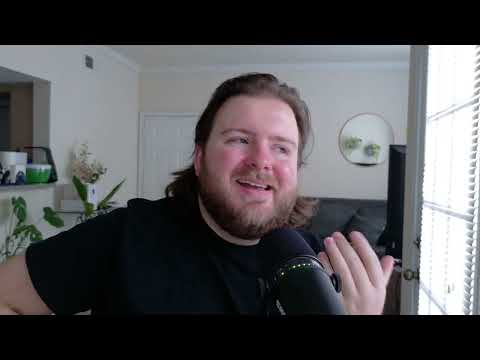
What happens when homeschool parents actually listen to homeschool alumni?
In this episode, I'm sitting down with homeschool mom and former teacher Kim Andrysczyk for a thoughtful conversation about homeschooling, parenting, emotional health, and accountability. Instead of getting defensive about criticism from homeschool graduates, Kim shares why listening matters — and how those conversations can help shape healthier homeschool experiences for future generations.
Kim opens up about raising three homeschooled children, navigating learning disabilities and dyslexia, struggling with the blurred lines between parent and teacher, and eventually deciding to send one child back to public school when homeschooling stopped working. Together, Jacob and Kim explore authoritarian parenting, emotional regulation, testing and accountability, homeschool legislation, and why alumni voices deserve to be heard.
This episode is a nuanced, compassionate discussion about growth, mistakes, and how families can do better moving forward.
*Connect with Kim* • The South Carolina Homeschool Connection: https://www.homeschoolingsc.org • Cola City Homeschoolers Convention: https://www.colacityhomeschoolers.com
*Resources Mentioned* • The Myth of Good Christian Parenting: https://www.amazon.com/Myth-Good-Christian-Parenting-Evangelical/dp/1587436647 • Good Inside: A Guide to Becoming the Parent You Want to Be: https://www.amazon.com/Good-Inside-Guide-Becoming-Parent/dp/0063159481 • Homeschooled by Stefan Merrill Block: https://bookshop.org/p/books/homeschooled-a-new-york-times-bestselling-memoir-and-read-with-jenna-pick-stefan-merrill-block/7e9b1465fdf608ff?ean=9781335000989&next=t • Stories Behind Stances: https://www.amazon.com/Stories-Behind-Stances-Creating-Empathy/dp/B0C6W15LK7 • Rachel Denhollander: https://rachaeldenhollander.com
If you enjoyed this conversation, be sure to subscribe, leave a review, and share it with a friend who might benefit from hearing this story. Follow Ex-Homeschoolers Club on Instagram and TikTok for updates, and send us a message – we’d love to hear from you!
*Connect with me* Instagram: https://www.instagram.com/exhsclub/ TikTok: https://www.tiktok.com/@exhsclub Email me at [email protected]
*Chapters* 00:00 Welcome Back to the Ex-Homeschoolers Club 01:24 Why Kim chose homeschooling 04:23 Extracurriculars and co-op learning 12:16 Dyslexia testing and support resources 17:14 When homeschooling stops working 18:49 Parent vs teacher role conflict 24:39 Parenting style and emotional regulation 29:53 Listening to alumni and handling criticism 36:43 Authority triggers and accountability 39:34 Kids Need A Voice 41:17 Authoritarian Backlash 42:26 Common Sense Safeguards 43:45 Testing Builds Confidence 46:13 Training DSS Agents 48:48 South Carolina Accountability Work 54:20 Prevention And Protective Factors 01:01:46 Community Over Isolation 01:03:23 Transcripts And College Prep 01:08:15 Homeschool Expo Details 01:13:30 Final Thanks And Wrap
Read the full transcriptHide the full transcript
- What is good my ex-homies? It's your boy Jacob Gooden and uh we're back another week in the exhomeschoolers club. Today
- I'm so honored because I have a homeschool mom with us. Uh Kim is joining us and I'm so stoked to chat
- with her because she reached out about a couple different things and we started having conversations around homeschool
- stories, homeschool alumni stories. And one of the things that I've noticed a lot is that homeschool parents uh and
- homeschool parent alumni kind of they get sometimes triggered by some of the criticisms that us homeschool alumni
- like give. And Kim was not that way. She was very like understanding and wanted to listen and understands that a lot of
- what we talk about has more to do with like creating kind of like a wish list of things that we wish were different
- when we were kids and how can we impact the future generations of homeschoolers.
- So, we're going to get into some of that, but we're also going to hear Kim's story of being a homeschool mom. So,
- Kim, welcome to the Ex Homeschoolers Club. So, so happy to have you. >> Well, thanks for having me. I appreciate
- it. >> Let's kick things off with like your homeschool story. So, like tell me a
- little bit about your family and why you chose to homeschool your kids and just a
- little bit about like how long you homeschooled, the curriculum you used. Give us a little like snapshot of that
- whole thing. >> Well, my husband and I are both um certified teachers. We met in college
- and um we both taught in the classroom um for a while. I And then when I um when
- we had kids, we always said, you know, we could homeschool. Let's homeschool our kids. Um we never, you know, anti-
- public education. In fact, he's still a classroom teacher now. Um and but but as
- we looked for, you know, what what are how are we going to bring up our kids? you know, homeschooling was always sort
- of an option um that we wanted to explore and the you know, the why. Why do you why why do you want to do why do
- you want to homeschool? Um our biggest reasoning was because we felt like that would help create like a closeness
- within our family. Both of us grew up with siblings that we were not very close with. And so part of the goal of
- the way that we wanted to parent was to give our children each other in the end as friends. And so they're going to, you
- know, lean on each other long after we're gone. And so that was that was really the the the main goal of what we
- were aiming to do. And so, um, it kind of set us in in a weird place though because, um, back when we were
- homeschooling, back, you know, back back in the, you know, dark ages, um, people
- homeschooled and they kind of went into it like full full in and said, "We're going to homeschool all the way through.
- We're going to homeschool all of the kids." And ours was sort of more like a yearby-year. Let's evaluate how is this
- going, you know, are we on the right path kind of a thing. And so, um, I did a lot of, uh, research and, you know,
- using homeschool materials and trying to figure out, you know, what what our day
- would look like. It wouldn't look like a normal school day cuz I'd been in the classroom, you know, open the book, do
- this thing, you know, and like it it just wasn't going to be like that. It's more like a one room schoolhouse style
- because we have three kids. Um, and they were, you know, all two years apart from
- each other. So, there was sort of this sort of close-knit like if mama's going to read, we're you're all sitting down,
- we're going to read this together. But then they had, you know, activities that they would do kind of at their own
- levels, too. And the little one would wander away when she got bored and go find toys and entertain herself, you
- know, somewhere. And um and so, but but a lot of our goal was also to just enjoy
- childhood. um not just you know facilitating the time that they would spend with each other but in general
- just getting the chance to play a lot more than kids are getting to do in school anymore. They're, you know, here
- hold this pencil, do this worksheet, let me grade you on it. And so we were trying to get away from that kind of
- explore the possibilities. What what do we get to do with our time and enjoy ourselves as a family, you know? So with
- that being said then like what are some of those like extracurriculars or those like additional things that are outside
- of the classroom that you were like bringing in because like I know for for me my mom we we involved like museums
- was a big part of it and then like as far as like whatever extracurriculars we were interested like I was a dancer so
- dance was a big part of that and music was a big part of our lives and things like that. So, what were those
- extracurricular things that you were like, "Okay, let's bring those in um to our our school."
- >> Um my my oldest daughter was into gymnastics. We took her, you know, to try to do, you know, just some she was
- always moving and running and enjoyed jumping on the trampoline and stuff and we were like, "Okay, well, let's let's
- see how she likes gymnastics." And she like took to it like like she belonged in the gym. and um she ended up spending
- a good bit of time on competitive gymnastics as she went along too. So part of homeschooling was able to give
- her sort of that time and space to be able to devote to that. Um the younger ones they were more um you know diverse.
- They couldn't figure you know we tried them on t-ball and soccer and my my son said halfway through the
- soccer season he's like do I have to go practice? And I'm like why? And he's like, "Cuz I am tired of running." He
- was never like really super aggressive, so he'd like chase the pack. He never got to really kick the ball. I'm like,
- "I'd probably be tired of running, chasing back and forth with that, too." >> So, but they got to, you know, try try
- different things. But, um, the thing that really, um, we we spent a good bit of time also doing was reading, a lot of
- reading. Um, so a lot of our uh learning was literature-based and we found a homeschool co-op program that they did a
- period of history and then they did literature that surrounded that and then did um um fine arts that went along with
- that. So like when we were doing like um medieval history, they would read books
- that were about that time. I think Pilgrim's Progress or whatever came some of that stuff. And um and then uh and
- then they did um you know King Arthur and whatever, you know, as a play and and artwork that you know uh
- stained glass kind of you know art and stuff that went along with those the kind of art, music, history that kind of
- tied together all of that. And so we did that. I love that because like that's what you're describing is very similar
- to like I also had a smaller homeschool co-op that was three or four families and we would do what you're describing.
- We would pick a a history a period of history and we we did have like a history textbook that went with it but
- then we would read literature and do activities around it and we did some really cool stuff. Um, and uh, you know,
- you're talking about like the stained glass stuff and we would we would make like uh foam weapons that were medieval
- themed cuz a lot of us a lot of us were were guys. Um, I think there was only like my sister and maybe one other girl.
- And so um, you know, we and then we'd beat each other with foam swords and stuff like that. Um the one week that I
- we ended up missing, I found out later that all the guys had had created uh torches and poured gasoline and wrapped
- this thing and were walking around the front yard of this house uh carrying torches cuz they were going to go like
- stone a witch or something like that. And um and it's so funny they got in so much trouble, but I was so thankful I
- missed that week. But that was kind of the activity levels that my homeschool experience uh drew upon to some degree.
- I'm curious about like curriculum and and choosing curriculum because you were a school teacher. You obviously you're
- in that you were in that world already, but when it comes to the homeschool curriculum, there is such a wide variety
- of stuff out there. And so what did it like how was it going through choosing stuff for your kids and like how did
- that change over time? Like was it just kind of a matter of figuring out like this is not working for this kid so
- we're going to switch to this thing or like how was the curriculum choice situation? The curriculum that I chose
- in the beginning was five in a row and it's still um you know one that's kind of popular. It it they've re revised it.
- A lot of the books that they had were getting to be out of print and harder to find. But um I I liked sort of the
- philosophy of um like offering kids sort of like bite-sized, you know, information and kind of repetition of
- things. I I I like that that way of presenting the information. So, and it fit with sort of my um I didn't know at
- the time, but I I I have ADHD, too. Um and so my resistance to too much routine. I wanted some, you know,
- flexibility and following our interest and um for myself as well. And so that sort of interest based um project based
- unit studies things like that um were very um much my style and personality of how I could implement things too. Lots
- of creativity and hands-on, you know, crafts and projects and things like that. I didn't want to sit and do here
- read this text and do these quizzes and um that just didn't appeal to me. I didn't like that as a classroom teacher
- having to grade papers. So, um, and keep up on that. And so, there there was a good bit of th those
- kind of like group projects that were hands-on um that we did. And then, and then um
- there were materials that I had picked, you know, I had never really taught anybody how to read. Um, there was um I
- think her name is Ruth Beich. She has like a like about three Rs, like little booklets that like it it broke down
- explanationwise of how the stages of reading work. Like it clicked with me in a way that I had never gotten even as an
- elementary education teacher. Like I when I was in the classroom, I had kids that were like putting an extra ed on
- the word looked did, stopped. And I'm like, I don't know how to make them stop doing that. why are they doing the move
- on in the next uh lesson in the book, you know, and so um trying to be able to remediate and catch them from the very
- beginning of how do you start uh teaching them how to read was kind of a new part for me. So, I found this 100
- easy lessons to teach your child to read. And um it was I know we spent easily 400 days in it crying and pulling
- our hair out and melting down and saying never mind, we're going to take a break
- and tomorrow we'll start again. Um it was easy because it was scripted, but it was not easy. And especially uh since my
- daughter actually ended up having like sort of a um dyslexia visual >> right >> perception kind of learning issue. You
- know they I like the idea that it taught us to this shape says you don't say you
- don't need to know the name of this letter is M in order to read it. But months down the road, she still one day
- could read it, one day couldn't read it. And I didn't know that I could change things up. I was always looking for what
- else can I like supplement in here? I understood like Ruth Bick's like steps and I'm like, okay, but where do I fit
- in to where we're still practicing with decoding and blending and um we're stuck
- in this phase, so what more resources can I supplement with this? and you know then come back to this book and
- >> right >> try to multiply. >> Right. Well, I'm I'm curious cuz like I also grew up in a house with dyslexic
- people and so like learning like P's and B's get flipped and you know and and like uh D's and Q or uh I don't know we
- would write it on our hand. We would sharpie on our hand what it was and it would flip and you could do all the
- different things and there was all these tricks that we ended up learning. And for me, I was not dyslexic. So reading I
- also I went to grade school until I was in second grade. So I was already pretty
- well established in my reading um by the time we were homeschooling. But but my sister was not. And so my mom had to
- kind of there was a there was a lot of this kind of like trial and error like what you're describing of like kind of
- coming at it and there you know there'd be tears and be frustrated and be like okay we're going to stop for today.
- We'll come back. We'll try it again tomorrow and we'll try maybe a little bit of a different approach. So what
- what was there anything at that time where you were starting to go okay something is like we need to maybe go
- get my child evaluated or we need to find a different curriculum and like how was that kind of decision because I
- think that's sometimes hard for parents to like acknowledge is like my kids's not getting it why am I a dumb teacher
- or is there actually something that needs to be taught differently >> so um I did know that the public school
- would do like learning disability screening tests and stuff so I went and got uh in and they did the screening
- tests. But they also they measure the way the schools measure they measure your um
- bas like IQ and then your academic performance and there has to be like a discrepancy for how much higher your
- acade your your academics has to be much lower than your actual IQ per you know achievement and and she came in opposite
- that she was outperforming um what so Yay, homeschooling that you're I'm like, "No, no, you don't
- understand. We're frustrated. We're >> right." And so, but I did find another program
- um at one of the homeschool, you know, expo kind of like vendor fair kind of things. And it was the NILD, National
- Institute of Learning Disabilities. And they took her scores and were able to look and say, well, this one has a a
- score of, you know, five and this category has a, you know, you know, 12. this is the discrepancy of where things
- are. And they do um they do physical therapy that crosses the midline. And so we we did we did that. And
- >> that's like a big part I think of like many people choose to homeschool their
- kids because their kid has like a learning disability or just learns differently, right? And so they're like,
- "Oh, well, I could do it better at home." but then they don't always take the time to actually like find the
- things that actually work for that student or get them tested or evaluated or anything like that. And that's a huge
- miss in my in my book. But that comes from the fact that in my family once the evaluations happen, once the diagnosis
- comes, like all those types of things, it opens up a whole new world in which it's like now I understand what's going
- on in my brain and I can implement new strategies to do that. And so that's kind of what I'm hearing you say. But
- the school was categorizing her and saying, you know, yay, that you can work with her one- on- one. And it wasn't
- offering any kind of support resources. And so, I think there's a lot of people that are still kind of in that boat that
- the school can't make enough accommodations for what else the child needs. You know, I say everybody's a
- part-time homeschooler then because there's 180 days of school and 365 days of learning. So, I find a lot of parents
- are now looking for some sort of supplemental resources to help, you know, fill in where where, you know,
- you're the one that's going to lay awake at night worrying, you know. >> Absolutely.
- >> If the lunch if they have lunch money and >> um you know, do they need a math tutor
- and stuff like that. >> No, it's it's I think a lot of people think like public school or private
- school, they view it as this like, well, I send my kid off and then that's it. That's like their learning experience.
- It's like, no, that's not really how it happens. Like, learning is, especially when you're young, it's like it's a 24/7
- event. Uh, or maybe not 24/7 because there's eight hours of sleep in there, hopefully. Um, but it is a long, it is
- 16 hours of of learning a day. And so, yeah, mom and dad need to be involved in that, right? Parents need to be
- involved. Uh, kids need to be involved, teachers, mentors, all those types of things are involved in educating a kid.
- And so, um, yeah, very much to your point. It's like even though you send them to school, they're still going to
- need to learn stuff. You still got to be able to teach them when they're at home,
- >> right? It's a partnership and collaboration that >> 100%. >> We've lost sight of that.
- >> Yes. >> In this society, it's us versus them and who gets to control the kids and stuff.
- And so, >> yeah. I'm curious, did you homeschool all of your kids all the way through or
- did they end up going to public school? >> So, I I I homeschooled the older two all
- the way through. Um, and then the youngest one, um, she was having some other learning issues and, um, it was
- becoming like, um, like I just felt like I was wrestling a lion with her and and
- so something else was going on with her and we didn't have the tools. I wasn't finding the tools and resources that
- could help support whatever was going on with her. Um, and so we decided to put her back into public school and let sort
- of outsource the education and say, "Okay, you guys try to help figure out what's going on with her educationally.
- We're going to focus on being parents." And um kind of because homeschooling has
- a way of kind of magnifying all of your parenting woes and everything gets tangled together and it's u it can
- become a combative. you know, the point was to have a good relationship with our
- kids and we were kind of getting in a counterproductive way where it was just this battle of wills with her all the
- time. And then and then it would take a lot of my time and energy to focus on her. And I'd tell the other two, go do
- some math. And they'd come back, you know, okay, then a week later, let's sit down and look at what you've done. And
- and they're like, I'm like, okay, tell me what you were doing here. And they're like, I don't know. I'm like, well, it's
- wrong. We have to do it all over again. And so like I wasn't doing good at any of it. And so it was like where do we
- where do we refocus our energy and try to, you know, do what's best for each child.
- >> Yeah, you brought up a good point in there. You said something along the lines of, and I've had a couple guests
- talk about this, is like the idea of like my parent, the line between my parent being my parent and them being my
- teacher gets really blurry when you homeschool. And because homeschooling, as many people know, is not just a like
- 9:30 in the morning to 4:00 in the afternoon event and then we're done. Like it tends to bleed over into many
- hours of the day and I was a kid who did school at 10:00 sometime 10 p.m. because
- I was just that's what my brain was firing. Um, but that line becomes very blurry and like
- what was that hard for? Like you you talked about needing to send your daughter off back to school because it
- was like okay that we need to kind of just be parents. We need to take the teacher hat off a little bit. And so I'm
- wondering like even now as your kids are are older, have you found that like being able to
- now just like be a parent like how has that transition or what are your thoughts on that? like parents also
- wearing the teacher hat and the lines getting blurry. Like do you have any thoughts around that experience and kind
- of navigating that? >> Well, like I said, you know, homeschooling has a way of taking all
- your parenting walls and kind of magnifying it. Like this whole weight of responsibility
- weighs very heavy. Um, and and the vast majority of people that I talk to, that's that's the way they you they're
- coming in with this weight of responsibility and they, you know, it's like if they never cooked before, like
- what do I what do I cook for dinner tonight? Well, you know, we have to navigate this thing and they but they
- don't want to screw it up, you know. I um and so trying to fix find what's the best curriculum and what's you know how
- do I do this and um but more and more people are coming in now that are like doing it you know temporarily which is
- how I w was looking at it from year to year you know that okay so we're going to put you in school for a little while
- maybe maybe think we figure out what's going on then if you want to come back and we you know find some other
- materials there's you know there's online schools that you can do at starting to at that point in time. I'm
- like, you know, because she still struggled in school. And so watching your child like struggle and like trying
- to figure out, you know, how how do we get you through this? Um it it's hard. And but but being able to just kind of
- separate some of that out and say, "Okay, we're on the same side trying to work through this problem with you
- instead of me and me being the one saying, this is what the work is. you have to do and her going, "No, that's
- stupid. I'm not doing that." >> Right. >> Something that I realized is like even
- the times that I was really combative with my mom or really like, you know, exactly what you're describing of like
- feeling like she wasn't on my team because she's pushing this curriculum that I'm not understanding and she's not
- it's not clicking to her. You know, now I can look back on a lot of that type of
- stuff and be like, "No, my mom was on my team. She was also struggling. she was also trying to like figure this out, you
- know, and and the frustration from her perspective where in the moment it doesn't feel that way. And so I'm
- wondering because now you're a little bit removed from being a homeschool parent. And so, uh, you know, how how do
- you view like your homeschool experience? And then what has happened in your relationship
- with your kids as far as like, you know, do you guys ever talk about it? Do you guys ever like do they come to you and
- be like, "Hey, mom, like you screwed up here, but like we need to talk about it." Um, does anything like that happen?
- >> Um, yeah. And my son has said things I he's he's very funny, very um that the
- theatrical part of all those things um that growing up is part of his personality. I I always kind of thought
- he might be a a stand-up comedian because he's so funny. But um but I you know I said you know is there anything
- that I should have done differently that you know that you you know he said well
- I didn't know what an assembly was. So I don't know that's all that's all the feedback he ever really gave me was
- he went to some comedy show and they were talking about class assemblies and he didn't know what that was. He had to
- have a friend explain it to him. But but I was like, well, we went to church. That's sort of assembly.
- >> It's just a gathering of people. That's all it is. Like, >> yeah. >> And we joke about those kind of things a
- lot. I think as homeschool parents, too. You know, my kids, homeschooled kids when, you know, they'll go to events and
- there somebody will, you know, the community facilitator will say, "Line up." And they they don't know how to
- line themselves up. It's like, "We do know how to get in a line. we've been to Disney before, you know, or the grocery
- store like, but line ourselves up is a different like skill that we don't know. Um, but it's not like necessary for the
- rest of our lives either. So we we like to like joke about those kinds of things
- and there are thing you know but but there are things that you know as a parent I can honestly look at and say I
- I wish I'd have done things differently but it it it's not necessarily about the
- educational choices although like knowing that I could have switched materials and changed things up that you
- know we we go down a path and go okay that maybe we shouldn't have pushed through all hundred of those lessons
- maybe we should have given that up before, but the the you know before the internet was so you know the information
- age it was harder to find those kinds of supplemental resources and switch things
- up. So um we've come a long way with that. So being able to switch those up is is better. But but but the thing that
- I still find very prevalent in the homeschool community is a lot of the parenting advice that's very um
- authoritarian style parenting. And so while I could like look at education and kind of rethink how do how does learning
- really work and you know how h how what what is going to get us the best academic outcome. I never really like
- had enough tools and resources to really like rethink of how how am I parenting,
- you know, like you said, your mother getting frustrated and you guys being at odds with each other, like
- understanding, you know, you're you're having a hard time. You're not giving me a hard time. Um, you know
- that it it it's not a it's it's not it's not, you know, that kind of a conflict.
- It's like trying to say, "Okay, what are you struggling with? What can I help you
- with?" And trying to rethink parenting styles in that kind of way. Um, you know, the the the tools that I didn't
- have at the time to self-regulate my own frustrations that I would take that out
- on the kids and blow up. And um, you know, the the teaching at the time was that fear is an appropriate motivator to
- control their behavior. And you know what I'm doing is triggering their fight, flight, freeze, fawn responses
- instead of actually getting, you know, meaningful connection with this person I care about and I want in
- my life. And so, um, but I've read some books recently that, you know, kind of help offer some different perspectives.
- And, um, one is, uh, let me see if I can find my notes. Well, while you do that, I I think I I
- agree with everything that you're saying because like I think even in my when I when I had my mom on the show and we
- were talking, one of the things that she she consistently says to me, but she said on the show was when I started
- homeschooling, I wasn't an emotionally healthy person and that comes through in those early years. And so like for me,
- like even when I look at those first couple years, I just remember them as not being the most fun. We did fun
- stuff, but there just it wasn't it wasn't great. But my mom did work on herself a little bit. She worked on
- herself more after I was gone. Uh after I had graduated, but like but she did get healthier as time went on. And so
- that that parenting style of what you're talking about, it did shift a little bit
- while we were still at home. And so it is one of those things where it's like I can look back and I can go, okay, yeah,
- but like she has made some changes and that's helpful. And even now, like she continually, like you were saying, like
- thinks about, "Oh, I should have done this differently. I could have done this differently." And I I keep telling her,
- I'm like, "Mom, at the time you did what you thought was best and what you knew how to do, and that's okay.
- >> When we know better, we do better." >> And so, but but I see a lot of the parenting advice is still being recycled
- in the homeschool community. That same kind of authoritative. And I found a book recently, The Myth of Good
- Christian Parenting, How False Promises Betrayed a Generation of Evangelical Families, Breaking Cycles of Religious
- Trauma and Corporal Punishment. I definitely, if I had to do it all over again, I wouldn't spank my kids. I
- wouldn't be yelling at them and you know >> you know punishing them in that same
- kind of way and looking at it in a in a different kind of um framework of you know we're we're trying to be st
- good stewards of these little human people that have been you know entrusted to us. Um and then another book that I
- found that was very helpful too was good inside becoming the parent you want to be. It's a practical guide to resilient
- parenting and prioritizing connection over correction. Um, and it it was it was also very helpful for me because I
- lack some of those things with my parent, you know, trying to express those things to my parent. So, it was a
- I not wanting to write try to figure out ways to offer, you know, those meaningful connections to my kids, but
- yet also kind of reparing myself because it it's just not going to happen. The beautiful thing about watching parents
- go through some of these things and make some of these changes, read these books,
- grow as people, is like one, it also demonstrates to to my generation that it's like it's never too
- late to grow. It's never too late to learn new things. It's never too late to evolve and change. Like that is that is
- okay. It's a green light to do those things. And like I I'm a firm believer that like my dad is a better version of
- his dad and I want to be a better version of my dad. And that just continually takes like growing and
- evolving as a human being. And so I never want to, you know, I don't want to repeat the mistakes my dad made. Um
- maybe I will, but like I you know, but I can I can learn from those things, but I
- can also make new ones. I get to make new ones. Yeah. >> But I can also amplify the good things
- that he did, right? And I can take those lessons and say I'm gonna I'm gonna carry those forward. And so so I applaud
- you for that. And that's one of the reasons I wanted to have you on the show and talk was because, you know, I think
- right now there's a lot of discussions happening from homeschool alumni. A lot of us are starting to speak up and talk
- about things. Um, you and I both are fans of the Coalition for Responsible Home Education. They did a talk as of
- recording this, we did a talk earlier this week with Stefan uh Merrill Block who wrote homeschooled. And so a lot of
- these things are and that book has been very popular. Um and so but a lot of these conversations from home school
- alumni are starting to come to the surface of like how our experiences were because now we have like four
- generations of homeschool alumni um starting to speak up. And so I'm interested because one of the things
- that I continually hear is that like is is homeschooled parents getting kind of offended when we kind of share some of
- our criticisms, right, of like my mom could have done this better or this curriculum really sucked or you know and
- they take it as a personal attack on themselves. And so I'm interested like from your perspective how you've handled
- that because you don't seem to really take the criticism as like a personal attack. um you you take it more as like
- a okay yeah so how do we shape that going forward so let's talk a little bit about that
- >> the vast majority of the parents that I talk to their intent is to do what's best for their kids and so but
- understanding our intentions don't always play out the way that we had hoped the impact is different and so
- understanding and listening to alumni of how what worked what didn't work Like we could
- learn from the mistakes of others, but I mean I I can we we we should be willing
- to learn from our own mistakes too. But but sitting where I am, I I can't go back and and change what I did. But I
- can say if I'd have known this that my younger self would have wanted to know this. So who out there is like my
- younger self that you can we we can go this direction and change the direction of things. And so, um, I I think it's
- really important to listen to everybody's story. Um, we have, uh, another book that I I like to drop
- recommendations about books is, um, uh, stories behind stances. It's about creating empathy from hearing the other
- perspective. And it's written by Chris Singleton, whose mother was killed in the Emanuel Church shooting. And um and
- so he he starts the first, you know, he talks about how we're all politically divided and we're just shouting past
- each other that if we start from instead of this is the conclusion of where you stand on this issue, what if we start
- from your story of how did you get to this place and what you think this solution would resolve? We're probably a
- lot more closer than we really think we are. And his story, his first story is about what he thinks about guns. You
- know, he thinks guns should have regulations and be, you know, and and and how how that impacted his life
- matters and how he sees it. But his best friend has grew up with hunting and um memories of hunting with his
- grandparents and his uncles and his it's all family bonding stuff. And so where he's coming from in in his perspective
- on guns is very different. And so, but being able to like sit down and say, "I understand where you're coming from.
- Here's where I'm coming from. What could we, you know, create, you know, a shared
- value out of this going forward as, you know, reasonable solutions to this?" I think that that same kind of
- conversation needs to happen on all sides of education. People that are adamantly, you know, for public
- education. I mean, my husband's in public education. So, yes, I think that public education should have, you know,
- viable resources and financial support to and funding to to make it, you know, a successful experience. But I also
- support homeschool rights and parents choices when the school doesn't work and they're falling out of through the
- cracks in the system. Like there there's there's just all sides of those conversations. and then bringing to the
- homeschool debate, you know, parents wanting to do what's best for their kids and looking for those kinds of resources
- and then kids that have graduated from it saying, "But it would have been better had I had this and this and this
- as a res like we all want resources and opportunities for the doors to open at the end of this." So, you know, it's a
- it understanding where people are coming from and listening to that without it being a personal attack because of they
- came up with a different solution to the problem than than I did. Like, it's not
- it's not about that. I don't need to center myself in those conversations. >> Yeah. No, I I I 100% agree. think
- being able to hear like like I view my homeschool experience as relatively positive. I don't like there's not of
- course there's things I would do differently and I would ask my mom to do differently but a lot of it like there
- was not abuse, there was not neglect in a lot of ways. And so it's one of those things that
- I sit in a very kind of weird space because like for a long time I was like I'm very pro homeschool. Like I don't
- see a problem with it. Why do people take issue with this or whatever? and and doing the show and starting to hear
- those stories like you're talking about and try to come at it from a perspective
- of like I'm just going to hear you out, you know, and I want to I want to listen and
- how did you get to your conclusion of your anti-homes school or you're so pro homeschool um kind of a thing. Um, it's
- helped me a lot to kind of view everything from like a wider angle, I think, where it's like, okay, yeah, but
- now to your point, let's work together to create common sense things that it's like these can be implemented. They
- don't infringe on your rights. You know, they also create safer environments for
- those who who were neglected, who were abused, those types of things. And so, yeah, I think again to your point, great
- opportunity right now to just start hearing stories and coming at it more from a perspective of like let's listen
- to each other uh before we jump to all of the conclusions. So, >> and I don't know if there's something
- about um you know, being American, you know, that we are so fiercely independent and don't tell me
- what to do. Don't tread on me. Or maybe there's more of neurode divergence, you know, the that is that personal uh
- demand avoidance, persistent demand avoidance that, you know, don't tell me what to do. You know, that that I it
- somehow triggers in these parent conversations that I have this authority. Don't, you know, I don't want
- anybody coming into this space. There was a recent interview that I was listening to uh Rachel Denhollander
- um and she's also a homeschool grad and so I followed her for a while too and listened to what she had to say and her
- her abuse story is a very caring parent who was like you know right there and still abuse happened to her and she
- didn't have the words and the terminology to say what was actually happening to her and it triggered the
- whole Larry Nasser um you know thing but But now looking at her homeschool experience and her experience as a
- parent saying I don't have you know absolute authority as a parent there are other spheres of authority that I answer
- to God the government other in my society you know my children like there she's like raising these circles of you
- know accountability that we have that limit you know and and you have to be willing to look at your parenting and
- say I did the best I could but it was the best I knew at the time and it it it was my human limitations it was probably
- not the best you know that I could do you know that had I done that differently and so um I don't know it
- just feels like we are um getting triggered unnecessarily um as if the this bloated government is
- coming to take away our kids and and it triggers that sort of like defense defense mechanism in us that that I
- don't that I don't think that's really the point of a lot of these conversations. I know, you know, CR
- likes, you know, says there should be some legislative measures, but honestly, a lot of the a lot of what they do,
- that's what we're already doing in South Carolina. I don't feel like it's overly
- invasive recommendations. And so I don't hear it in the same kind of way that someone
- they that that you know that we're going to lose our kids or whatever. It's more
- about am I am I an approachable and askable parent? And like Rachel's little podcast uh interview that she did, she
- was talking about giving your kids the agency to come and like appeal to your parental decisions that there are
- sometimes choices that you have to make um that your kids don't understand. you know, years ago, um we found out that my
- my neighbor um had uh a boyfriend that was being removed from the home that had been um
- registered as a sex sex offender, but when you look up the chart, he that's not where he was living. That's not
- where it says he was living. And so like we had to make rules and policies about
- the the connect contact that they had with our kids and the kids didn't understand that at the time. And so you
- know there are decisions that you have to make sometimes that are in your child's best interest that they don't
- really understand but yet you know give them that appeal to say you know kind of
- like what Stephan was talking about. I want to go back to school. >> Exactly. Yeah. Stefan's story is is
- great cuz yeah, he basically had to go beg his mom practically to go back to high school and you know and appeal to
- her in a lot of ways and I think that that is like something that a lot of us we want that ability or we wanted that
- ability sometimes to feel like hey if I go ask my parent about this thing I'm really struggling in this subject. I
- really feel like this would be better for me. um this isn't working, that I was going to be heard. And some parents
- do a better job of doing that than others of listening to that information and and taking it in and making those
- changes. Um and so, you know, and then to your point, there will always be decisions that parents have to make that
- is not going to make sense in the moment, but it will make sense down the line. And so, you know, understanding,
- but I think that's where the balance of it comes in of like I as a kid, if you do feel like I have been heard and I
- have been understood and we've made changes, then when your parent does come down to saying I'm drawing a line in the
- sand here, we're not doing this. I think sometimes it becomes easier as opposed to if my parent is exclusively always
- saying this is the way it is. This is how it is going to be. Um, again going back to that authoritarian kind of
- aspect, um, it it becomes harder, right? And that's when I think we see a lot more push back from kids of being like,
- you know, they get out of the house and then they're like they go do everything bad because they were never allowed to
- do anything bad or they were never allowed to make mistakes or whatever. Um >> and also you know listening to the
- pioneers stories you know the ones who were threatened that they were going to go to jail that they were going to lose
- their kids you know the understanding why they have such strong perspectives on some of these things because of the
- experience that they came from trying to do what's best for their kids and yet being threatened that they could lose
- their kids. So, >> you know, understanding all of those, you know, perspectives and where they're
- coming from, I think >> is is just a helpful >> Yes. >> part of it that we're not none of us are
- really like out there trying to say, you know, I want to give the government more
- control over my life. >> Yeah. Most people know. >> I would like the government to do all
- these things for me. No, nobody wants that. We're Americans. >> Exactly. Yeah. Yeah. I think it comes
- down a lot of times to the fact that it's like uh with CRG specifically, it's it's one of those things where I'm like,
- but certain things are common sense that we should be implementing. And when you
- look at something I didn't realize for a very long time was that, you know, there's 50 states. Each state has
- control over its education system and each state has all of these different rules around how homeschooling is
- implemented and the checks and balances that come with that. I grew up in a state where literally my parents had one
- week they had to file a piece of paper that said we are choosing a homeschool our kid. That was it. They didn't have
- to submit test scores. We didn't have to go in for evaluations, nothing. And you
- know, and then in other states there's a little bit more requirements. There's a
- little bit more um there standardized testing and those types of things. a lot of states there's not those safeguards
- of like if there is a sexual predator or sexual criminal in the house that like they can't homeschool their kid but that
- doesn't really seem to for a lot of people that's pretty common sense that you wouldn't want to keep kids around a
- sexual predator. Um and so things like that it's like there's some common sense things in there that it's just it it is
- uh it's worth exploring. And it's worth talking about and seeing where we can land on things to give. Again, we're
- talking about like resources. I know as a kid that doing I did do some standardized testing. That was my mom
- elected to do that mostly to help her make sure we were in the right position grade-wise because her goal was always
- get to college. You know, if they want to go to college, they're able to get to college. Um type of thing. And so it
- helped her determine we were at the right spaces. Um, and so it it's one of those things, but as a kid it was so
- helpful because I actually felt like, oh, I'm smart because I had this like tangible thing that was like not just my
- parents always grading my stuff and letting me get A's or letting me rework things and get good grades. It was like,
- no, I got one opportunity to go in and take a test and I know that I'm actually like a decently smart human being or at
- least I'm average or, you know, whatever. it helps give you a sense of um of agency over yourself to some
- degree. And so that that's why I advocate for that because I just know that for me personally that would have
- been a huge benefit of just knowing that it's like okay like I'm actually like I'm smart, you know, I'm smart enough um
- uh as smart as public school kids for sure. And so, um, anyway, >> part yeah, part of what we do in South
- Carolina with our recordkeeping is keeping some samples of their work and and I talk a lot about why you want to
- do, okay, yeah, the law says do this over here, but why why do it in a purposeful way mean so that the records
- are meaningful to you and part of the is to be able to show your child, you know,
- this is this is where you were struggling because we all naturally the way we think, we hyperfocus on what's
- not working. And so it's natural for our kids to do that too, you know, to be able to show them, okay, you're
- struggling over here in this area, but look where you're working in this area. Like you we everybody has different
- kinds of smarts, too. And so, um, that's part of the reason why we put my daughter into gymnastics because she was
- struggling with that reading and the academics. And so having her to have that area where she was like excelling
- like it was a very valuable part for her too. but also being able to show, okay,
- so you're struggling, but look, you are making progress. Look, we're making pro and and also to reassure myself of that,
- too, that I wasn't screwing it up. But, but yeah, that's a lot of those kinds of
- things. And testing can be one measure to say you're making progress. You know, you're it's okay. We're getting we're go
- this is not, you know, a dead end road. We the doors of opportunity will open for you at the end. I think another
- thing that CR does that aside from the legislation um they have created sort of like a tutorial for training um DSS
- agents. So, if you get reported for DSS, um, whatever they call it in the different state social services,
- somebody comes and says they're not in school, um, they don't necessarily know what homeschool should look like. And
- so, they've created sort of a intentional, you know, this is what intentional parenting and education
- looks like guide, which I think is super helpful because we don't have anybody out there advocating for that. And so,
- um, them jumping into that and saying, "This is what it should look like is is very important." And they're getting
- invited to conversations that I would never have been invited to talk to. So, it's kind of it's kind of, you know,
- impressive to me to watch what they're able to conversations that they're able to um initiate in places.
- Very helpful for us all. It's making it better for us all that way. >> Well, one of the great things that they
- do is that it's a consistent question is being asked of what would have been helpful and let's and then let's build
- the resources around that. And so there's resources not only for current homeschool families, for those DSS
- agents like you're saying, but also like for homeschool alumni. And so, you know,
- for things of like if you do come from a home where there was educational neglect
- or abuse. Okay. So, how do you get an education now as a full-fledged adult? Well, you know, you've got big gaps, but
- like maybe you're actually a smart person. You just you didn't you weren't afforded education. Okay, here's how you
- can get access to that. You know, in the same way, abuse, neglect, those types of
- things, like, you know, here's how to get access to therapy and and to help those types of things. So, they build
- resources around all these different things. And it always stems from that question of like what resources would be
- helpful? Okay, now let's build those. And so I think that's a really powerful um place to be in because we're always
- looking for resources and that's, you know, and and so it's a good um it's a good business to be in to some degree.
- Um and it's it's a great service to offer to the community. So I do want to pivot just a little bit to what you're
- doing now because you're still even though you're not no longer homeschooling your kids, you are still
- involved in the homeschool community in South Carolina. And so talk me through a
- little bit about what you're doing, what you offer, and I know you've also got an
- event coming up um here in June. So what like let's just go through it. What how
- are you still involved in the homeschool community? >> Well, I run an accountability
- association South Carolina. They have um you know some specific um rules of what your homeschool is
- supposed to include and some recordkeeping you're supposed to do as a parent. and they want someone to verify
- that you're doing those basic things. And so, um, that's, you know, that's what I do, um, is kind of, um, run this
- accountability association that, you know, ver verifies that people are doing the minimums requirements of the
- recordkeeping. But I spent a lot of time talking about why they want to do it. Like, don't just do it, check off boxes,
- and say, "Yeah, yeah, yeah." Um, you know, I don't need you to create a bunch of like stuff to prove to me that you're
- making progress. I'm really more trying to come alongside them to say, "Do you feel like you're being successful? Where
- do you feel like you're struggling? Let's have real conversations about that and try to find you some resources to
- help um where where things aren't going well." And so being having those kind of
- open, honest conversations just with a select group of people who chose me as their accountability. We I also while I
- was doing that um we had a legislation that came along to kind of eliminate all of our associations. They said you know
- what this they they there was supposedly I guess a case where a child had been in
- DSS and died um because of neglect or abuse or something. Nobody could ever really find
- the actual story though and really find out whi where they were register you know if they were reg if you know were
- they just off the grid like how does that work um and so um it kind of burst my bubble though because I'd been kind
- of like in this la land that was like yeah homeschooling's legal everything's fine like I didn't realize that there
- were there were um people that were out there saying no no no homeschooling is not a thing you shouldn't do this and
- and waiting for abuse and neglect to be the reason that we're going to resolve this problem. Sort of a reactive kind of
- thing. And so, you know, it it it woke it woke the poked the bear and woke the giant for a while and and and it caused
- a lot of outrage. But as as I was looking at that, I'm like, but we could be more proactive about this and more
- intentional about showcasing what homeschooling is supposed to look like. We could also be more proactive in
- creating preventive factors, you know, protective factors in our homeschool community. Do we actually know what
- abuse and neglect looks like? Do our neighbors know what abuse and neglect looks like before they go and report us
- to DSS? You know, like trying to just be like sort of that conversation of preventive resources. And so I found
- several things in South Carolina and you know around and that's where I first discovered the coalition as well um and
- started following a lot of these resources and trying to like try to create a conversation here that is a
- resource hub no matter which association you choose you know getting accurate information
- and you know it the more the more uh more social media goes. It's so much misinformation and
- disinformation out there. So, it's like right >> screaming into the void sometimes like
- no this is how >> Yeah, for sure. So, you have in addition to the bookkeeping stuff, you also have
- a blog, right, where you provide resources for people. And so, let's shut that out really fast. What uh what is
- that called? >> It's called the South Carolina Homeschooling Connection. Um homeschooling uh sc.org. or I think is
- the blog the URL. Um >> I'll make sure it's linked down below as well. So, >> um but yeah, it's a it's a it's a
- resource hub. I uh have selfdeclared that I am the self-appointed busy body of homeschooling in South Carolina and I
- collect resources and information that you know inspire excellence and empower parents to do a good job in their um
- child's education whether they come in um for a little bit or a long time because a lot of people are coming for
- just a period of time now. So there it's like a temporary stepping stone to get them through this hard period of time
- and then they're going to put them into another school. There's so many, you know, choices out there outside the
- traditional brick andmortar classrooms now that that they have to figure out which one
- fits. >> Exactly. Yeah. There's like the options are endless. Um, and I recently chatted
- with somebody about what is the umbrella, what fits under the umbrella of homeschooling because I'm like
- there's now all these options that are like flexible school. Um, and so yeah, so what really is
- >> right that personalized kind of >> Yeah. >> Cap cafeteria style. I'll take a little
- of this. We'll do some dual enrollments. We'll do an online class. We'll do, you
- know, some real life learning projectbased stuff and create our own. You kind of thing. And so,
- >> right. Exactly. >> Um, so one of the resources that I have found along the way is, um, we have here
- in South Carolina the Children's Trust. They're kind of a division of prevent abuse, child abuse America, and they
- have resources that talk about building protective factors of pres preventing abuse before it escalates. Like nobody
- starts out one day and says, "I'm going to abuse my child today." like it escalates from those kind of like
- frustrations and you know it could be external pressures of finances and you just like disregulate and take it out on
- your kids. And so kind of understanding some of those, you know, factors that contribute to um how abuse happens and
- understanding it in a way um you know, we always talk about, you know, but there's laws to catch abuse and so we
- don't need to add them to the homeschool thing, but you know that we also have drunk driving laws, you know, but if you
- saw a friend getting in the car about to drive drunk, you'd take the keys away from them And so equipping us with those
- kind of tools to like really recognize a family that's in crisis when things are
- escalating, how do you have the tools and the equipment to step in and say, "No, no, here's what we could do better,
- how we could do things differently um and and and kind of prevent that." There's a they have this little story on
- their website with the uh ch prevent child abuse the children's trust that there's a parable about a villager who
- finds a baby floating in the river. The villager jumps in and saves the baby. The next day the villager finds two more
- babies in the river and he brings the babies to the village and finds families to care for these other new babies.
- While the villages are figuring out how to provide love and food and shelter for
- three new babies, they find more babies in the river. And so, while they're struggling to cope with these new
- responsibilities, somebody in the village decides they're going to hike upstream and determine how to get to the
- source of the problem. And so, their attitude is prevention is the key. If we can stop these things from escalating
- um that we go upstream, we can change the story. upstream is really where we say solve problems by helping families
- before the crisis of abuse and neglect occurs. And so that's part of the conversation that I like to bring in
- here is that we can bring in lasting positive change for our, you know, children. And that's part of what I do
- with the blog is try to talk about those, you know, protective factors kind of interwoven in
- there as well. um that we're trying to do what's best for our kids, but like like we've talked about before like you
- know one of the things is like trying to expect more than what they're truly capable of doing. You know that we we're
- frustrated. Why can't you get this? And like you know the curriculum says you're
- supposed to have learned this skill by now. Why can't you get it? Get it if I yell it at you. I can just scream it
- into your your mind and then it'll come to you, you know. And so like trying to understand real like age appropriate
- milestones of things and then sort of sort of the other side of it expecting too much of our kids that here you can
- handle all of this, you can you know do all this on your own and learn this and um kind of parentifying our kids in the
- opposite direction. But all of those things fit into this framework about understanding actual, you know,
- protective factors. And so that nuance of the conversation, like it doesn't necessarily have to I don't pretend like
- I have any um sway in legislation preventing it or instigating it or anything. Um you know, my sway is more
- on a one-on-one. How do we help each other and parent along the way and pull each other along and provide those kinds
- of resources? So, >> yeah. No, and I think that's so important because I mean, you really
- think about it and it's like how does lasting change happen? Well, it happens in those one-on-one conversation. It
- happens in the small groups that then it grows and it, you know, it continues on
- and it spreads, right? It's a ripple effect. Um, and so I think that that's like so so important. And I appreciate
- what your blog is doing because I think we need more of these like types of hubs
- where it's like I can come get solid information. I can get not only resources, but like yeah, access to
- things that I hadn't even thought about like you were talking about with some of
- like the abuse and neglect and recognizing those things. It's like, yeah, we have laws for that, but that's
- like outside of that's not what we're talking about. This is home school stuff. It's like, yeah, but those do fit
- in the conversation to some some aspect, right? And so those are important things
- to have uh in there as well. Anything else on the blog that you want to touch on?
- >> Yes, that we want to learn. We want to learn to recognize um abuse, recognize the signs of abuse. Um
- we talk about um ACE factors. There's like a little 10 question quiz to uh kind of identify some adverse childhood
- experiences and you know the traum the lasting trauma and the impacts of those things on your long-term health even
- physical health that can affect things like diabetes and you know uh heart health and stuff like that too. Um but
- but there's another side to it that I just recently found that is positive childhood experiences that um the parent
- caregiver shows unconditional love. Spending time with a best friend, volunteering and helping others, being
- active in a social group, having a mentor outside the family, you know, having safe adults that you can go to
- besides just your parents. Even if your parents are already sick, you've got a you've got more beyond that that is, you
- know, a valuable. Living in a clean and safe home with enough food, having opportunities to learn, having a hobby,
- being active and playing sports, having routines that are, you know, fair, you know, fair rules in the home. So,
- those are some of those same kind of conversations that I feel like, you know, we're all trying to have. We want
- we want our kids to come out of this childhood in a positive way and give them resilience and try to try try try
- to mitigate as much of our own trauma that we carried into parenting uh you know and not pass it on to them. And so,
- um, I always, you know, want to talk about how do we implement some of those kind of trainings into our homeschool
- groups and, you know, can we do book clubs and circles with co-ops and um, set policies in our in our manuals that,
- you know, this is how we handle kids and this is how we handle, you know, disagreements and they can get along.
- they don't walk away from here feeling bullied and um you know and building those kind of protective factors so that
- um we can you know do better. >> 100%. Yeah. No, I think and something that you mentioned in there too that
- like it is so important is like a lot of times homeschool homeschooling regardless of how you do it is to some
- degree an isolating experience. However, more and more you can get with co-ops, you can get with other parents, you can
- get with, you know, other homesooled families, even non-homesooled families, but you create some of those
- environments like you're talking about where you you you give your child the access to other kids, you give mom and
- dad access to other parents, right? You get, you know, and and those are very important things. We are not designed to
- live our lives inside of like a isolated bubble. um we need other humans uh to do
- it. And so doing that and then also like you were saying be able to implement some of those healthy uh routines,
- exchanges, the ability to look for those abuses, right? That understanding of like building those safe environments
- that help happens in those small groups and then it expands and grows and grows.
- And so again, I applaud you for what you're doing because that's like huge. And I think so many parents when I was
- even a kid would have would have found so much value in something like that, >> right? We didn't have those
- conversations then, right? >> But our entire culture is like pushing against the the community. Like we're
- we're not we're the fiber of what makes us community. We're all it's it's a cultural thing that we're talking about
- in this time of what what does community look like? And so it's it's all the more
- important for us to be trying to figure that out in the homeschool community too. How do we provide the kind of
- resources that help us thrive? So >> yeah. >> Yeah. One more thing that I do um you
- know homeschool law just talks about how to be exempt from compulsory attendance.
- So, one of the services that I uh provide because of my position, we get to go to the same workshops that the
- public school guidance counselors get to go to and learn about sort of, you know,
- transcripts, what what goes on the transcript, that kind of thing. And um kind of being able to translate that.
- And years ago, you know, 5 10 years ago, the policies in my group, I didn't require us to do transcripts. The
- parents made the transcripts and away they go. But but more and more and people that weren't necessarily going to
- college didn't need a trans they didn't create a transcript. But now 5 10 years down the road they're like, "Oh, I do
- want to go to college. Now I need a transcript." And so we're trying to like backtrack and recreate, you know, that
- course of study, that academic resume that will open the doors of opportunity for you. Um and and so I do I do help
- people create those. Uh, a lot of times it's the parent that's there that's helping. Sometimes it's just the grad.
- Uh, the parent is no longer around or able to assist and so we can help kind of create that. I know the there's other
- tools out there to kind of try to figure out yourself, but I do offer that service as well. But another thing that
- that I'm finding is that institutions don't know what to do with those parent transcripts. And so more and more
- they're looking for somebody else to validate and verify did is this is this real you know is this car's study of
- accurate? Um I get calls from um job um employment verifications. Did you really
- does this person really graduate? um had uh state and federal, you know, employment where the some guy with a
- badge shows up and says, "This is who I am and this is why I'm allowed to, you know, verify this." And I'm like,
- "Here's my ID. Here's" and sign off that they're that they are, you know, allowed
- to get a job. And the colleges are going more towards wanting some sort of, you know, transcript that shows that, too.
- when they want it to come from somebody else, not just, you know, from the parent anymore. So, so that is a service
- that I also do provide um whether you live in South Carolina or not. My sister lives in Georgia and I created
- transcripts for her kids. Um and so, um you know, trying to help offer that as a
- service if you didn't get a transcript or suddenly decide you need one. Um I'm I do offer that as a service to help
- out. >> Yeah. as someone who who went we hired a third party to help me with college prep
- and that was like such a game changer because they did help with I believe the formatting of the transcripts but then
- it helped me with like the college admission stuff and and things like that but that transcript was very important
- because even though I was going to I was applying to a lot of schools that did accept homeschool students there was
- still like their like we want to see XYZ you know there was those requirements even back in this was 20134 when I was
- applying for colleges and stuff. So um you know and and so I'm sure yeah things have changed I'm sure in the last last
- 10 years um since then but to know that there are people out here who are helping people put together those
- transcripts because again even if you don't go to college you might someday want to go to college or you might need
- it for some kind of job down the line. And so knowing that it's like it's there, you have it. It's just another
- step in that like independence that is is so helpful. So >> it's a forever document.
- >> Yes. >> And so and like some sometimes the parent had it somewhere, they don't know
- where it is now. It's a where did it get filed? I don't know. Um or you know they
- have a copy of it but they need somebody to mail you know send it officially. There's like um they have parchment
- navian those kind of um it instead of fax machines now it delivers the official you know secure transmission of the
- documents. So yeah having having somebody who has that kind of ability to say yep this is official here it comes.
- Again, I applaud you for all the services that you provide for homeschool kids because I think kids, parents, like
- they they need them, right? And especially coming from someone who you lived it, you went through it with your
- own kids. And so, not like you and you've learned from those experiences, but now you know and you can help other
- homeschool families like not only do better, but also make sure like all of paperwork is lined up, all of the re you
- have the resources you need. Like that is a huge huge get. Um it is no small task. So, I applaud you. Thank you.
- Thank you. Thank you for what you do. >> I try. >> Um, let's talk about if we're done with
- the blog, let's talk about the event and what you guys are doing. >> So, I have a homeschool event. It's a
- local um, u vendor fair. I kind of take some of the resources that I've collected on my blog and it's like a
- real life manifestation. the blog come to life of wandering around and talking to some of the people
- that are really you know great resources. A lot of local um co-ops and um you know opportunities that are here.
- >> I think the the events like that are so helpful. I remember as a kid going to to
- some and you know it's an opportunity learn stuff get access to curriculum you know all of the all of the normal
- homeschool um you know things that we need and sometimes it's better to see it in person than it is like to just look
- at it online. So, you know, being able to ask a vendor more questions about it than you're going to get on a website
- can be extremely helpful, >> right? And fi find out if this co-op feels like the right vibe and and meet
- the people that, you know, are running the program and those kind of things. Um, but we also, you know, are
- intentional about creating more diverse resources. Um last year our um theme was
- mirrors and windows like expanding your um bookshelf and your lived experience. Um you know collecting information that
- reflects your own lived experience as a mirror but also um is a window into how other people live. that you know there's
- there's a lot of different ways to show up in the world and um you know get get sort of a glimpse of how those things
- happen. But this year we're kind of building on that theme and our it's um connect expand and thrive. So um
- cultivating um a that kind of connections in the community. That's why my blog's called the connection.
- we we we're stronger together if we're connected with each other, respecting our differences and um but you know kind
- of being a collective together um where we can make meaningful connections, broaden our bookshelves and thrive as a
- collective. So um we also are very intentional about more secular inclusive resources. You don't have to leave your
- faith at the door like a lot of those kind of like secular, you know, events are. Um, but you also
- don't have to bring one, so it's all right. You know, we have Bob Jones Press over here and
- >> Right. It's a It's a mix of Yeah. Oak Meadow over here. Yeah. There's a Yeah,
- there's a good good mix and a vibe. And um you our Bob Jones um representative that comes also is very good at um
- special needs um accommodations and she can take you through and kind of show you some examples of how you can modify
- your curriculum and it works with any curriculum but she knows examples out of what she you know has to provide. But
- yeah, so it's not just, oh, I don't want I don't want that materials, but there's
- people that you can talk to that can help you figure out, you know, how to how how to get what you need out of it.
- And so, but it's for every, you know, we have stuff that's high school and beyond, college prep people and
- >> Exactly. Exactly. So, when when is this event? Where is this event? And um and
- then uh where do we get tickets or how do we find out more information about it?
- It's on It's on my the other website I have is uh Colola City Homeschoolers. Um and it is um the Cola City Homeschool
- Expo and it is in Colombia. We call we call Colombia Cola for short. Cola City. >> Okay.
- >> Yeah. >> It's a local vibe. Some people call it Soda City sometimes, too. The cola.
- >> Yeah. >> Capitalizing on the cola. So um and so yeah, Kola City Homeschool Expo, it's in
- Colombia. We have a Jal Shrine Center that is bigger than a gym. They actually bring in their shrine circus there. So
- it's how big the the venue is. And then we're also partnering with a kid market.
- So kids that are entrepreneurs can come and sell their snacks and crafts and little goodies. So
- >> very cool. And when is it again? Oh, June 27th. >> June 27th. All right. In Colia, South
- Carolina, uh, or Cola City, Soda City. >> And attendees attendees will get like a
- a digital grab bag that has a lot of freebies and discount codes and things that they can take home with them, plus
- a few uh, workshops to help inspire and encourage them because our venue doesn't
- really it's not conducive to have breakout sessions that at that venue. So, we're going to send him home with
- you to watch >> with a when we have coffee or a glass of wine or whatever later.
- >> Exactly. Love that. >> On your own time. Yeah. >> Love that. Very cool. Well, that all of
- these things are going to be linked down in the description below. Like if the if
- these are at all of interest to you, link down below. If you just want to like learn more, check them out. They're
- really cool resources. Even myself as a home school alumni, I found them really cool. Um, again, just as like an
- opportunity to like know about what's happening in the homeschool landscape, um, and and what's out there? Um, you
- know, call me weird, but that's, you know, my whole life has become homeschool themed at this point. Um, so,
- um, yeah, Kim, is there anything we have not touched on that we need to talk about?
- >> Nope. I appreciate you um having this these conversations, the nuance of you know
- perspectives that you know what education should look like and what we have to you know how how do we get how
- do we get the good, the bad and the ugly out there and talk about it all. So I appreciate that because parents I do
- believe are looking for educational alternatives for what's best for their child. Um, and so yeah,
- >> we need homeschool advocates to be included in that because all stories matter so that we can figure out a
- solution together. >> Awesome. Yes. Thank you and thank you for coming on. Thank you for sharing
- your story and and being vulnerable with us. Thank you again for what you do. Um,
- it's absolutely incredible. So with that to the audience again, if you found anything useful from this episode, let
- me know. There's comment sections down below on Spotify, on YouTube. You can shoot me an email. e [email protected].
- All my socials and stuff are linked below. Everything that Kim and I talked about. If you know it was books uh or
- resources, I'm going to try to link those down below. If I missed anything, let me know. I'll make sure I get it to
- you. And uh yeah, with that, we'll see you next week. Peace.
Brief Summary
Jacob Gooden and homeschool mom Kim discuss homeschooling experiences, curriculum choices, and the emotional complexities of teaching children at home.
Key points
- Homeschooling for Family Closeness. Kim shares her motivation for homeschooling: to foster sibling relationships.
- Navigating Learning Challenges. Kim discusses the challenges of homeschooling a child with learning disabilities.
- Navigating Homeschooling Challenges. Homeschooling magnifies parenting responsibilities, leading to blurred lines between teaching and parenting.
- Evolving Parenting Styles. Reflecting on past parenting choices can lead to growth and healthier relationships with children.
- Listening to Alumni Voices. Homeschool alumni are sharing their experiences, prompting discussions about educational practices.
- The Importance of Agency. Empowering children to appeal parental decisions can foster better communication.
Episode highlights
- Homeschooling for Family ClosenessKim shares her motivation for homeschooling: to foster sibling relationships.“We wanted to give our children each other as friends.”2:16May 29, 2026
- Navigating Learning ChallengesKim discusses the challenges of homeschooling a child with learning disabilities.“Homeschooling magnifies all of your parenting woes.”18:00May 29, 2026
- Navigating Homeschooling ChallengesHomeschooling magnifies parenting responsibilities, leading to blurred lines between teaching and parenting.“Homeschooling has a way of taking all your parenting walls and magnifying it.”19:59May 29, 2026
- Evolving Parenting StylesReflecting on past parenting choices can lead to growth and healthier relationships with children.“It's never too late to grow. It's never too late to learn new things.”29:15May 29, 2026
- Listening to Alumni VoicesHomeschool alumni are sharing their experiences, prompting discussions about educational practices.“A lot of discussions are happening from homeschool alumni.”30:02May 29, 2026
- The Importance of AgencyEmpowering children to appeal parental decisions can foster better communication.“It’s more about am I an approachable and askable parent?”38:55May 29, 2026
- Navigating Parental DecisionsParents often have to make tough choices that kids may not understand.“There are decisions that you have to make sometimes that are in your child’s best interest.”39:52May 29, 2026
- Creating Resources for Homeschool FamiliesBuilding resources around the needs of homeschool families is essential.“What resources would be helpful? Okay, now let’s build those.”48:22May 29, 2026