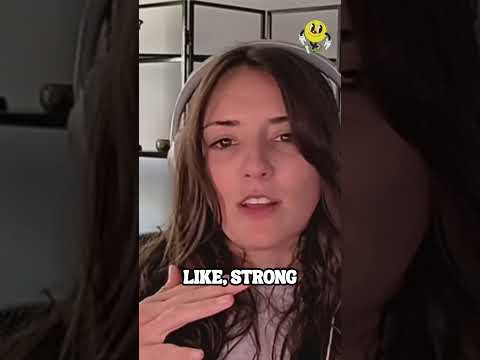
Why I Felt Completely Unprepared for Adulthood After Homeschooling
Ask about Ex-Homeschoolers Club
Episode Description
If you want to support the channel, like, comment, share, or consider buying me a coffee: https://buymeacoffee.com/exhsclub
Sorry to say, that today's episode is audio-only.
Today, I'm sitting down with Rachael to unpack her experience growing up homeschooled in a deeply evangelical Christian environment. Rachael shares how undiagnosed ADHD, dyslexia, and dyscalculia made school difficult while the pressure to be a “perfect” homeschool kid led her to blame herself rather than question the system. She also talks about purity culture, rigid gender roles, the pressure to discover God’s perfect plan for her life, and why she felt completely unprepared to launch into adulthood after graduation. Her journey eventually took her to YWAM and overseas to Thailand, where new experiences helped her begin recognizing emotions she had spent years denying (including anger). Today, Rachael is working through years of religious deconstruction and therapy while reconnecting with the creativity and artistic identity she once felt ashamed to embrace.
If you enjoyed this conversation, be sure to subscribe, leave a review, and share it with a friend who might benefit from hearing this story.
*Connect with me* • BuyMeACoffee: https://buymeacoffee.com/exhsclub • Email me at [email protected] • Listen on Podcast: https://creators.spotify.com/pod/profile/exhsclub/ • Instagram: https://www.instagram.com/exhsclub/ • TikTok: https://www.tiktok.com/@exhsclub • Newsletter: https://exhsclub.beehiiv.com/ • Substack: https://exhsclub.substack.com
*Chapters* 00:00 Welcome Back To The Ex-Homeschoolers Club 00:41 Meet Rachel 02:02 How Cancer Traumatized A Family 05:19 What The Early Years Of Homeschooling Looked Like 08:28 The Struggle Of Undiagnosed Learning Struggles 11:23 How Faith Fostered An Environment Of Perfectionism 15:00 What Did Homeschool Community Look Like For You? 19:11 What Role Did Gender Roles And Purity Culture Play In Your Life? 22:11 Moving To Colorado 26:50 Finding Homeschool Friends Via Seminary 29:25 Taking Public School Classes As A Homeschooler 33:36 Homeschool Hierarchy Pressure 36:19 Preparing Your Kids To Launch Into Adulthood 37:50 Rachael Was Unprepared To Launch 41:47 Crashing After High School Graduation 43:42 What Is Gods Will In My Life 47:35 Finding YWAM And Launching Into Adulthood 54:32 Red Flags Of YWAM 58:11 Discovering Anger 01:02:41 Find Myself And Reclaiming Creativity 01:08:35 Where Do You Stand With Homeschooling? 01:14:00 Find Your Self-Autonomy 01:16:19 Thanks For Tuning In
Read the full transcriptHide the full transcript
- What is good my ex-homies? It is your boy Jacob Gooden, and we're back for another
- week in Ex-Homeschoolers Club. This week, it's audio only, and, uh, we're having a little bit of tech issues on the
- back end, but it's okay 'cause, you know, you, y- you love the sound of my voice,
- you're gonna love the sound of my guest's voice, and, uh, it's gonna be good. So this week in the clubhouse, my new ex-homie friend Rachel is joining us.
- I'm not gonna do too much of an introduction. We're gonna get to know Rachel together.
- And so with that, Rachel, welcome to the Ex-Homeschoolers Club, Hi, Jacob. Thank you so much.
- I'm really excited, and I've been looking forward to this interview. It's gonna be good.
- Yeah, we're gonna definitely have some fun. Let's kick things off with your homeschool experience.
- Tell me a little bit about, you know, how you were homeschooled, like how long, siblings.
- Give me like a little bit of the backstory and just kind of your experience, a little day in the life, if you will
- Yeah, of course. I like to take my homeschooling experience all the way back to my parents.
- I come from a very multi-generational Christian family on both sides. and my parents, met in Bible College, and of course got married through that.
- And when they were first married, they lived, on an outdoor adventure camp in Minnesota, and it was very rustic, just very outdoorsy.
- My dad absolutely loved it. And when my mom, got pregnant with my oldest brother, she was like,
- "Hey, running water might be nice to have for a brand-new baby." And so it was kind of a little shift in life, and things eventually led to
- them m- moving down to Montana, where we then lived for close to 20 years. shortly after they moved and kind of settled in, my older siblings,
- attended public school for the first early years of their lives. and then when I was two, my mother contracted breast cancer, which obviously
- severely traumatized and upheaved the entire family and us kids as individuals. And yeah, it just really threw us all for a huge loop.
- And, and I think with that trauma kind of foreshadowing everything, I th- like, my dad, like, he thought his wife was going to die, and it's like, how
- are you going to raise four children? And just a lot of really hard questions, obviously.
- And thankfully, my, my mom survived. She's still here with us today. but I think kind of due to that shock, my parents kind of
- switched into homeschool mode. And this was, like, early 2000s is when this was happening, which is,
- like, the huge homeschool boom when everything was going on, mm-hmm. So was homeschool then kind of a way for your family maybe to be together
- while there was this kinda turmoil happening where there's, there's just a flexibility that I think also comes with homeschooling to some degree, right?
- If you have to go to the doctor's or there's just, you know, there's less worry of, "Oh, we gotta go get the kids at school," or, "We gotta have,
- like, you know, these types of things." And so do you feel like that was a chunk of it, too, of just, like, because
- there's so much turmoil, it's, like, almost easier to be like, "We're just gonna homeschool because we can then just do it on our schedule as things fit"?
- I think that was a big part of it for sure. But there's also, it, it was very strange.
- We went, like my mother like was recovering from cancer and then shortly after we decided to move out into the middle of nowhere from like
- living in a town close to a city to like 45 minutes away out in the boonies in, on 15 acres of land kind of surrounded by not a whole lot.
- And so it was just, just a weird choice of it's like moving your sort of sickly recovering wife out into the middle of nowhere with four young children.
- I, I don't quite fully understand that choice that was made, but it was. It, it's interesting 'cause the way you're describing it feels…
- I'm, I'm currently reading the book Educated by Tara Westover, and, yeah. And, and kinda similar, like, they live not totally out of town, but,
- like, out of town to some degree, and, like, there's an isolation with that, and that's just very much…
- It can be a big part of the homeschool experience of, like, these families being like, "Okay," like, "We're gonna, like, separate ourselves," and whether
- it's, like, you know, for, for reasons of, like, whether it's religion or, or, you know, we, we don't want our kids to be indoctrinated by schools
- or, you know, there's family dynamics. But yeah, it is kinda strange to make that, you know, my wife is sick, we're
- gonna move to the middle of nowhere where it's harder to get medical assistance To get anything Yeah, I, I, it w- it's a still a strange choice that
- I'm not sure I will fully understand. but yeah. so I, I was probably about three around this time when my parents chose
- to make the switch to homeschooling. We lived on, in a trailer. It was kind of a moldy old trailer, and my parents also at this time decided,
- "Hey, let's build a, a new house." So we built a new house with the help of our church community, which was huge.
- and then once the house was finished, then they really kind of settled down for homeschooling.
- And we, of course, used the good old classic Bob Jones University. Okay my dad especially would spend hours and hours and hours a day recording the
- broadcast lessons that they would have, and we had tubs and tubs and bins full of, like, recorded CDs of Bob Jones material of, like, every grade, every
- class from, like, 12th down to pre-K. And I think they, they chose Bob Jones specifically because what they
- had at the time was much more like regimented and like time scheduled. Like, you have 30 minutes for this class and 45 minutes for this
- class, and it was easier to kind of, I don't know, manage, I guess. and I think that was what appealed to them the most
- Yeah. there's a similarity of like When my homeschooling experience started, my mom picked, uh, Abeka to begin with.
- And I think for like a similar reason that there was kind of this, there was, I mean, she had used Abeka when she was in grade school.
- So there was also, but there's also this kind of built-in, hey, here's kind of roughly how long this should take, and there's a lesson plan
- built out, and there's all these different aspects of it, which is really attractive when you kind
- of don't know what you're doing or you're just getting started, right? It's like, "Oh, hey, hey, let me get something that's very structured,
- very just gonna, like we're just gonna follow the textbook." and like here's a schedule you can follow, and here's how you can make it work, and
- if only there was an alternative to that. I can't imagine what that would be, but
- Yeah. And, and, you know, and then, and then as you kind of get familiar with it, a lot of families will then start to branch off and kind of
- build their own curriculums, right? Of, of, "Hey, we're gonna read these books," or, "We're gonna, you know,
- pull a little bit from this textbook and a little bit from this over here," and, you know, and they, they kinda shape it to fit themselves.
- I'm curious, what's the age difference between you and your oldest sibling? Oh, I think it's seven years.
- Okay. Okay. So, so yeah, there's a pretty, you know, 'cause you like Mhm. kind of prepping of like, "Hey, I've got all the classes for our oldest
- kid, and it's gonna, it's just gonna go all the way down the line." which is kind of interesting,
- It is, yeah also that expectation that every kid is gonna go through the exact same curriculum
- and understand it. How did that function? Because I'm guessing not well. It's ver- it was very weird 'cause on one hand, like, yeah, we got-- we
- all had the same teachers, but it was all the same recording of the same teachers, so, like, nothing changed or nothing updated as the years went down.
- And to add complications to everything, I have ADHD, and I also had several learning disabilities growing up of dyslexia and also dyscalculia, which is
- basically the math version of dyslexia. and that really, really complicated things for me, and it made
- school very traumatizing for me, where I just-- I couldn't understand why I couldn't keep up.
- I couldn't understand why I couldn't pay attention. I couldn't understand why I couldn't learn the same way that my siblings
- were learning or why, why it was so easy for them or why my sister could read book after book and I was struggling so hard to get through one.
- and it just kind of added to that sense of pressure to be, to have that perfectionist
- attitude that a lot of homeschoolers have. Yeah, for sure. I, I grew up in a house where, you know, my, my sister and I have very
- different learning styles, and so it became very apparent very quickly Yeah. Mm-hmm.
- what was working for me was not gonna work for her, and what worked for her was not gonna work for me.
- And, that I think really threw a wrench in what my parents maybe had Yeah. Yeah, definitely
- because yeah, like you were saying, you know, I'm over here reading massive books and, and there's about a three-year age difference between my sister and
- I, and so, you know, I'm, I'm reading a decent-sized chapter book and, and she's,
- you know, struggling with like Cat in the Yeah. Exactly. Yeah. it's very frustrating
- Yeah. And so did you ever get any help? Like did your parents ever like look to get you tested or
- get some assistance with that? Nope, that was something that was never really talked about or brought up.
- learning disabilities was kind of a thing you made fun of. It's kind of like, "Oh, you're just an ADD kid," or, "That's not really a
- real thing you have to worry about." And it, it all kind of ended up boiling down to being a moral problem, where it's like it's, it's your fault that
- you can't keep the schedule or you can't go feed the pets when you want to, not because you're struggling with execu- executive dysfunction, but
- you're just a bad person, actually. And so it was just kind of like a compacted situation where this pr-
- pressure was making this worse, and it was making this worse. And it's like I really had no outside help or support or
- perspective on an alternative way of seeing what I was experiencing, and that was very isolating.
- And my coping mechanism, I think, throughout it, throughout it all was, like, I would blame myself for not being able to keep up with everything.
- because, like, if we're honest, through the, the lens of, like, the evangelical homeschooling Christian atmosphere, I think, I don't know if you experienced
- this, but I think for me, a huge pressure of being homeschooled was, like, you had to be the perfect homeschool kid.
- You had to make this work because we were promised, of, like, the prosperity gospel.
- Like, we were promised that if you were raised this way, if you were taught these things, you would turn out to be the most perfect functional human adult.
- And, like, these things were promised to your parents, too. And it's like you had to make this work.
- You had to figure out how to make it perfect, otherwise the cracks would show and the illusion would break, and that would be all your fault.
- Great And so I couldn't blame the system for failing me, because obviously it was my fault.
- The system was perfect. I wasn't. And so how could I possibly change to keep up with it, you
- know? Yeah. That's gotta be so frustrating because I was g- that was gonna be kind of my
- next question was, like, how did religion play a role in also that voicing of, like, okay, like, you're struggling with dyslexia and dyscalculia and
- ADHD and, and those types of things. And it's like, you know, I, I… For me, I'm thankful I had parents who
- recognized those things in, in my sister and I, and so there was a certain level.
- But I had friends who, who their parents, like, would refuse to acknowledge, like,
- that their kid was autistic or d- had dyslexia or anything. And so there was this very, yeah, to your point, there was this push of,
- like, "Well, it should just work. It'll just click at some point, and you'll just work." And then it never clicks, and you end up with kids who
- are very frustrated because they, they feel dumb, they feel left behind. Their peers are like, "Yeah, I'm doing, you know, geography and you're
- still doing subtraction," you know? And it, it's, it… That's gotta be extremely frustrating.
- And then you layer on very yeah, the Christian part of it, too, of, like, Yeah there's a perfection element, which is very strange.
- Like, I, I do remember, you know, going to church on Sunday, and everybody's mad
- at each other, and we get to church, and, like, it's like a f- a, a switch flips, and everybody's, like, happy faces, and we
- just go into the church building smiling. But deep down, we're like, "We were just yelling at each other." you know,
- a- and then it just kinda never gets resolved, which is kinda weird. You just kind of move on from it, and it's like, "Okay, that's in
- the past." I don't know if that's a similar experience for you. No, that's very, very relatable.
- Like, religion was just the undertone and the undercurrent of everyday life. Like, we were Christians, and we were proud of it, and this is what
- we were supposed to do, and I had a Bible class every morning as a part of my school curriculum.
- And, you know, like, we did AWANA. We did… You know, we were in church every Sunday.
- My dad was actually part of the worship team at our church, and so he led with that.
- And so just we were very involved in the religious space that we were in. and it was just, it was just normal life.
- Like, for me, it was all I knew. Like, this is just how life is, and this is what the world is like
- and reality and I have to accept that no matter how to go with it. Curious the, if there was a, like, homeschool community in your area as well,
- because like you were saying, early 2000s, kind of this boom in the homeschooling
- world. I grew up in a very big homeschool environment, hundreds of kids, lots of families, and so there's a big support system when it comes to that.
- And so even though families were kind of doing their own thing, we also had, like, the socialization aspect was kind of taken care of.
- we're still all kind of a little bit strange in that regard. But, but I'm hard to miss
- yeah, but, but, you know, you were saying, like, okay, you're growing up in Montana, you're out on a farm.
- Like, you know, there's a level to which I'm assuming church is probably a big social event.
- You mentioned AWANA. AWANA is a big social event for you. But was there, was there other homeschool families that you kind of
- related to or were around at all, or was it, or was everyone else just, like, public schooled, and you guys were the odd man out in that regard?
- Yeah, it was kind of a strange mix of both. Mhm the church we went to, like, I'd say half, half of the families there were
- homeschooled, and the other half were public schooled, so it was kind of a mix. But I remember going to a f- a handful of co-op classes growing up.
- Not very many. Like, it was nothing consistent. And so, like, I think we, we tried to reach out and kind of connect where there
- were opportunities or when we had the time to because we always had to drive a, a long distance to get anywhere.
- but y- like you said, my biggest social, like, gatherings as a kid was going to church and running around and acting a fool with my
- friends on Sunday, and AWANAs. AWANA was like, that game time is, you don't mess around.
- This is serious business, and I will win. Yeah, yeah. And for anyone listening who doesn't know what AWANA is, is it's basically, it's a
- little bit of Boy Scouts, and Girl Scouts. It's a little bit of, like, VBS, vacation Bible school.
- and like, and then, like, a games portion where there is… I, I mean, Google the circle.
- Google the AWANA circle and you will see what I'm talking about. But it's basically all these, like, hash marks and lines on the ground, and we
- play all these different games from, like, dodgeball to, like, in and out, and all
- many crazy Yeah, super fun. of running lots, yeah. Which, I mean, as someone who then later was an AWANA leader,
- and did, I was the games guy. So, Ah, yeah there is a, there is a significant purpose to why we do that, 'cause you're
- talking about a bunch of little kids. You gotta tire those guys out, like. Yes, absolutely.
- Did you ever do, like Bible bucks or shares where you would, like, earn… Yeah. You would go in and get little prizes.
- Oh, yeah. Yeah. So it, it's kinda this weird mix of all these different, like, you know, non,
- almost non-Christian things kinda melded together into, like, a weekly, uh, thing.
- But definitely, I- it's something I look back on fondly, even though I have separated now from religion.
- But, but the, but the connections and the people were, like… It, it was, like, A+.
- It's Yes. Like, that was the best part, yeah. Mm-hmm. And again, it's like, oh, if only there was a thing we could compare it to.
- I can't imagine what it would be, Yeah. so yeah, Bible, AWANA, and also we did 4H.
- So 4H was a thing we did every summer, and so that was a very big part of, I don't
- know if training is a too strong of a word, but that's kinda what it felt like. Yeah.
- Did you have a particular animal that you typically raised or did you alternate through?
- we, my sister raised rabbits when we were younger, and so she showed rabbits, like, very professionally.
- And I kind of toddl- toddled along and I was like, "Oh, I want a pet rabbit, too." So I showed my rabbit a few times.
- But I was mostly, like, I did art most of the time or kind of like the lower… We did a lot of quilting and sewing.
- We did a lot of that. That was another question I had for you, was kind of, you know, church
- tends to also, and, and especially homes- the homeschool world as it's t- tied into the religious world, there tends to be also very traditional
- values of, like, women and, and men's places in, like, the workforce and in life, and those types of things.
- Is that something that was also being brought into your home a lot? of like, "You're gonna be a mom, and you're gonna, you know, you
- need to provide, and a wife," and all these types of things? Oh, yeah. Uh-huh. That, that was just life.
- Like, the, we got all of the purity culture books. We had all of the evangelical Christian music CDs.
- We had all of the Casting Crowns, everything. Like, we, we were delved in. Like, a Focus on the Family was on constantly, 24/7.
- And yeah, like I mentioned before, it was just the constant background of life where like this, you were born female, and this is now your role that you have
- to fulfill, and this is what it looks like, and this is the only path you have. And sure, maybe you can express that in your own unique way, but
- it's going to have to end up being this path at the end of the day. So yes, complementarianism was just the way of life, and women were lower
- than men, just kind of inherently. It was just that patriarchal system of, well, you're a woman, so you
- have to be submissive to this or give up that and don't have opinions and don't take up space.
- And so there was a lot of shame, a lot of hiding, and a lot of honestly keeping secrets, I think, on my account.
- OK And probably when I was about- Nine, 10, 11, like a big theme of my life just with the religious trauma and the homeschooling is just the theme of denial.
- Like, there is so much denying everything, denying yourself in everything that you do.
- And like dissociating from your emotions and cutting yourself off from seeing things as negative or admitting to yourself that something bad happened.
- And it, I think that ties back to like what I said earlier with like, it has, you have to be perfect.
- You have to look perfect. You can't admit something wrong is happening. You can't admit that you're feeling pain.
- And I, like denial for me was such a huge, deep thing I was so saturated in. Like, it, it was, it was a time coming out of that, let me tell you.
- Yeah Yeah, and I wanna get into that, but before we, before we do, I- I'm interested, so was your whole homeschool experience in Montana,
- or did you guys move around at all? So when I was 10, cusping on 11, my dad kind of had a midlife crisis where he
- realized he wasn't happy with the job he was working, and he was basically doing
- two full-time jobs at the same time and was realizing, "Hey, I'm missing out on my kids growing up, and all of my time is being sucked here." And long
- story short, my parents found a similar outdoor adventure camp like where they had been first married out in Colorado.
- So when I was 11, we packed everything up, sold the house, sold the dog, sold the cars, sold the barn.
- We, we sold everything. It was quite impressive. And we packed everything up in this caravan of trucks and cars and moved all
- the way out, once again, in the middle of nowhere, tiny mountain town, Colorado.
- And thus began my formative puberty high school years. what I'm, picturing in my head, I- growing up I would go to a summer camp-like
- thing, and it was called Hume Lake. It was a Christian camp. And so, you know, fill me in, like, if, if your experience is
- What does But basically, Yeah. but basically it was like there were people who lived there who ran activities
- and different things for the camp. Um, and it, it was a church camp, so, you know, every week of the summer they'd have
- students come in, run all kinds of events. There was a lake, there was, you know, paintball and all these
- different things, and then there, you know, obviously worship services, and devotional times, and snack bar, and all these different things.
- So are we talking about something kinda similar to that? Very similar. the camp that we moved to, it was basically three camps in one.
- it was like a vacation camp. It was a camp and conference center, so a lot of church, churches would
- bring like youth groups or like women's groups, et cetera, family groups, where you, they would come for the week, stay for the week, have all sorts
- of activities and everything that we would host, and then they would leave. And so like we had the lodge, which was basically a hotel.
- So like we had all these rooms that we had to clean. We had like kitchens that we would serve meals, everything.
- So w- it was like pretty like highfalutin as far as like an outdoor adventure camp
- goes, honestly It had like the lodge camp, which was up at top, and then meadows
- camp, which was down at the bottom. And so, and there were all these separate, like they each had their own
- kitchen and like staff that would run it. So it was, it was quite like a big, a big serious place, honestly.
- Like we had a pool, we had water slides, we had a rec center with like a bowling alley in it.
- Like it, it was intense. Yeah, so then what was your kinda like parents' role, and then
- I would, I would venture to guess that you and your siblings probably also ended
- up working some of these events as well? So my dad moved out there to be, initially be the maintenance man.
- So, 'cause he's an incredible, like, mechanist. He can fix any car or anything you would ever need.
- And so we moved out there, and he started doing that. And my mom was a homeschool mom, so she was staying at home with us and
- raising us and helping us do school. And yeah, my older siblings, as we got older, kind of through high school,
- like in the summer we would work at the camp kind of like as a first job. So like I learned at like 14, 15, like how to professionally clean a,
- a hotel room and fold laundry and prep vegetables for like a salad bar. Which, just like those are nice skills to have, honestly, at the end of the day.
- But yeah, it was just such a unique environment to grow up in, where I'm out in the middle of nowhere on the base of this 14,000-foot mountain
- chopping up watermelon for a salad bar. Like, it was just very surreal. It's just a very surreal place
- Yeah. so I'm, I'm also venturing to guess that there's other families that live there too.
- Are they homeschooling their kids as well or, or is there a school system in that area?
- Like, yeah, again, kind of that question of like, are you guys the odd man out in this
- situation? So this, this is where it gets a little complicated. So we had, like, the camp that I lived at and that my family was staff at, and
- then kind of in the center of the camp is kind of like, you could walk to it. It was just right next door.
- It was a local seminary. And all, I think every family that came through that seminary were homeschooled.
- And as far as the family that lived on the camp side of things, from what I remember, I think most of those families, they public schooled.
- so my family, we were kind of like weirdly in between those two worlds, whereas, like, you had the seminar- seminary side Everyone is homeschooled.
- Everyone is connected that- And so there was kind of a, a weird separation that happened there.
- And so most, I made all of my best friends during those years at the seminary where we would, they had a potluck once a week, so I would just
- go over, over there as a little girl and just hang out with my friends. And we would roam around these woods all together as a group
- of, you know, feral children. And honestly, those were, those were really fun times.
- I do, I do. Those were good times. Yeah. I think that's the thing, like, mixed in with sometimes the things that we
- look back on and get frustrated at with our childhood, with whatever. There's always these moments that are, like, these very fun moments, you know?
- It was the best of times, it was the worst of times. They, they go together very often.
- Yeah. we're kind of leading up to, like, the post-homeschool years for you and, like, graduating.
- You know, was college or career, was that on the horizon? Was that something that your parents were kind of, like, pushing you towards?
- Like, "Hey, here's the next step of launching into adulthood"? Or, or was it… I know we kind of talked previously a- about, you're gonna
- need to start searching for, like, a husband and a partner and, like, you know, motherhood" kind of a thing?
- So what did that… Like, as you're exiting homeschool and entering, quote-unquote, "the real world," what does that start to look like for you?
- It's very, it's such a weird, interesting situation. so when I entered high school, the, the local public school that I, is in the town
- that I live in, they were very welcoming to homeschool kids, partially 'cause it was such a small community, so they needed extra bodies in the classroom.
- But through that, like I was able to experience, like, taking choir class, and d- going, d- doing theater, and doing art classes, and I loved doing those classes.
- They were so much fun. And yet at the same time, there, I, like myself and my siblings weren't
- the only, like, homeschool kids taking a part of those classes. It was kind of like a group effort.
- So like, one family would drive the kids down to the school for the day to go take those classes, and then we'd drive them back.
- And so we, there was a lot of carpooling involved. But like, even though I was able to kind of catch a glimpse into public school
- life, it was still very separated because there was kind of that superiority complex of it's like, "Well, we're homeschooled, so we're better than
- you. Like, we're holier than thou." Like, even to our local public school peers, who are just these normal kids,
- and here we come along like, "Well, I'm so much better than you because I homeschool," which makes no sense.
- Yeah So it's like, it, things were still separate I still felt that pressure to kind of behave like I'm so much more prepared and smarter than I
- am because my other homeschooled friends might look at me and judge me and think something's wrong.
- Yeah. I think it's kind of interesting because my first… I- so I did public school for a couple years.
- I did, kinder- or I did preschool, kindergarten, and first grade in, in public school, and then transferred, to homeschooling in second grade,
- um, and did all the way through. we also moved, so there w- between, between me exiting public school
- and, and doing homeschool, and so I did have some public school friends, mainly from church and things like that.
- But, like, for the most part, it was a lot of homeschool people until high school, and all of a sudden I was going to youth group more, especially
- when I got my license, I had more freedom to, to do a lot of what I wanted to do, and so I was making more friends that were public schooled.
- And to your point about the superiority complex, Mm-hmm definitely… I don't wanna say I was as bad as other kids because I also… I still to this
- day I remember my public school experience and, like, I was, I was fond of it. I liked it.
- Um, but, and my parents were never the type to be like, "You're better than public school kids." But that messaging crept in through just
- the, the homeschool community. it's just an inherent part of it. Yeah And so there would always be these jokes with, you know… I mean, I'm
- thinking specifically of this one guy. and you know, I'd be like, "Yeah, well, I did my homework in my
- pajamas this morning." You know, kind of a deal. And it was like things like that as little digs of like, "Yeah, well, you were at
- school at 6:00 AM so that you could be part of, you know, whatever, club or, I got my, my school finished in two hours this
- Exactly. Yeah, and then, you know, and I was, I was done by noon, and then I went
- to work, and, you know, I'm making so much more money than you, and yeah. There's this kind of level of superiority mixed with… I mean, there were
- periods of my life, too, where I was trying to, like, dual-enroll in college, and, like, there's kind of these, these expectations sometimes
- in the high school years of, like, Yeah. so much and be so far ahead that by the time you graduate, like, you're well on
- your way, whether it's like you already have two years of college done, or maybe
- you have a degree already, or you, you've worked enough in the, in, a career that,
- like, you can literally just enter into, like, a full-time job right off the rip.
- You know, so I definitely, when you're talking about the superiority thing, like,
- I remember that, and I still to this day, like, there's parts of me that, like, cringe a little bit when I think about
- those moments, 'cause I'm like, "Oh, I hate that I did that to people." I'm like, I, I was a 14-year-old.
- What was I thinking? Like Ja yeah, I, I can understand that. But yeah, it's just interesting, and kind of further going into the
- aspect of it, of like, there's even a hierarchy complex between the actual homeschool families themselves.
- And so specifically, like, in the seminary, life, I guess you would say, there was kind of a, like, the top-dog family who both started the
- seminary and who ran it and was, like, the head of the seminary. They were, like, this, the peak family that you wanted to, like, emulate.
- They had 12 kids, two were adopted. They had goats, chickens, rabbits, Yeah every- I think they had pigs at one point.
- Like, they, they're doing the homeschooling thing perfectly. It's like, and all of their kids are turning out perfectly on the
- outside as far as we could tell. And like, they were all graduating and going off to college, getting married,
- and having a dozen children themselves. And so it was kind of like this idol that we had to kind of look up to
- and be like, "Oh, this is the peak homeschool family." And so having that as the comparison to go off of, and like both like, I like, I was friends
- with that family, and like I knew them. Like, I grew up with them. And yeah, also at the same time kind of feeling like I was a little beneath them.
- It's just very strange. It, so it's Yeah that superiority complex is real, especially in homeschool communities.
- Very real. Yeah Yeah. I mean, I, I'm, I'll be honest, I'm guilty of that too. Like,
- I, you know, as I got older, it's like I realized, like, I have two parents who have fully college educated, like, in some capacities were well, way better
- equipped to teach me and my sister than other homeschool parents were. And I, you know, when I would learn those things of like, "Oh,
- well, so-and-so's parents only have their high school diplomas. Well, they're not nearly as smart as my parents, so my parents must be doing
- a better job." But then also there was families who their parents had, you know, master's degree, PhD, they were doctored, you know, these crazy,
- you know, all these different things. And, and, so to me, those, those kids were then a little bit more
- on a pedestal of like, they're definitely smarter than me, and they're headed for Yale and Harvard and, you know.
- But I'm, I'm a middle of the pack kind of a guy, you know? Like, I'm, I'm above… Yeah.
- waiting around like, "I don't know what to do." Like, "Help." Yeah. Well, and also, so my, my parents, my mom talks about this a lot, of just, she's
- like, "We went into it with the plan of, like, if we're gonna go all the way through high school teaching our kids at home, they have to be able to go to
- college. They have to be able to start a career. They have to, whatever it is." And so she took a lot of time and energy into making sure
- we were prepared for that. So whatever the subjects were, whatever the things were.
- we were also fortunate enough, like, they could hire help with the transcripts and the getting into col- like we had our own, college,
- like, a- advisors in a way, right? Like you would typically get in, like, a public high school.
- so that was helpful. I had other friends whose parents, because they didn't go to college,
- they really had no… Their end goal was get the kid graduated from high school, and then it stopped there, and it was like, "Then it's my kid's
- responsibility to go on and launch and do their thing." And that's a t- tough place to be in because, I mean, from the time I was
- a baby, my parents were prepping me for this, "Hey, someday you're gonna, you're gonna turn 18, and then you're gonna move out of our house, and you're
- gonna maybe meet, meet somebody and get married someday or have kids, or you're gonna do all these different things."
- So there was this preparation that was just going on throughout my entire life of my parents also knowing we're also gonna be a part of this kid's life
- even after he's out of high school. so I'm curious for you, where do your parents and where does
- your family kind of sit in that, like, prepping you guys to launch? Were you ready to launch and do career, college, whatever was next for your life?
- Or, or are there different paths depending on, you know, which kid it was? Like how did that look?
- Yeah, honestly, we were not prepared to launch very well at all, in my opinion. for college was something that wasn't very encouraged, particularly on my dad's part.
- He saw college more of as a waste of time and money, where it's like, "Oh, well, you're gonna go here and get this worthless degree and
- be in debt for the rest of your life," so it's like why even bother? But then on the other hand, my mom wanted us to go to college, and so she tried
- in her small ways to… Like, my older siblings did, like, CLEP tests and stuff, but once she got to me, there was a whole other, like, wave of life things going on
- where I kind of fell to the wayside a bit, so I never got, to take those classes or
- courses at all, throughout high school. And to kind of add fuel to that fire, a very-- Like, when it came to thoughts
- of, like, the future and launching and, like, being prepared for adulthood, for me personally, I never felt Like, I never felt that I would get there, like maybe
- in a morbid way, and I th- like, after, like, years of therapy and thinking about it, I realized that a lot of what was driving that sense is, was rapture
- ideology, where, like, we, the rapture was just an, a thing to expect in life. And it's like, well, yeah, the world's gonna end one day, and it's
- probably gonna be in your lifetime. So A, you don't bother planning about your future 'cause you might not have
- one, but also, as a woman, you're just gonna get married and have to sacrifice everything you have for your, your husband and your kids anyway, so don't even
- bother thinking about having a career or, or anything professional like that. And so for me personally, just any thoughts of, like, pursuing a career or,
- like, college or anything else like that felt very hopeless and just completely out of reach, I remember a few times when I was close, getting close to graduating,
- my mom would, like, bring up, like, going to college and a class and anything, and, and I would just immediately shut down in, like, a panic attack where
- I'm like, "I cannot think about this. I cannot even begin to process myself going through something like that,"
- because I was just so utterly terrified And a lot of it is, were very difficult and they were very traumatizing, where I just was not being well-supported.
- And a lot of that was due to just a lot of family issues going on that were very heavy and dark and hard.
- Thankfully, they're a bit better now, but at that time, high school was kind of survival of the fittest for me, where I was like, "I'm just here day by day, and
- I'm lucky if I can even graduate at this point." So yeah, the, the prospect of a
- future for me was honestly very bleak. Like, I didn't really have any motivation to pursue anything,
- 'cause I didn't see a point in it. I didn't see the purpose of it. Like, well, I'm, I'm damned if I do, and I'm damned if I don't, you know?
- Yeah. And so when I graduated at 18, I, I honestly, I felt like, I kind of felt like I was like a sham, like I was fooling everybody around me.
- And like I, I'm not actually as well put-together as you think I am. I'm actually severely depressed, and I have anxiety, and I, I didn't
- have language for that at the time. But yeah, after I graduated, I just, I honestly, my, mentally, I just kind of
- plummeted, where I just did not have any hope or sense of a future at all. Yeah.
- It was dark. Yeah. I can imagine. I Yeah. I can't say that I 100% relate, but I, but I know, like, I do know
- that, that you, you talked about, like, feeling like a sham to some degree, and, like, I do relate to that a little bit
- because all of a sudden, like, maybe emotional trauma that has happened in your life or the, you know, abuses or, you know, what-
- whatever it is, the things that have happened, right? The d- the the difficulties.
- For me, as a, as an 18 to 21-year-old-ish, I mean, that happened since then, but,
- but in those, like, early, I'm gonna call them the college years, right? The, the very
- early launching point of life, it's like all that stuff bubbled to the surface, and it was, it was tricky because, yeah, I felt
- very, like you were saying, I felt like a sham. I felt like somehow I coasted by.
- I got th- yeah, and I'm lost and I don't know where to go, and I'm supposed to, to your, to your point about, like, feeling like I'm
- supposed to know what I wanna do and Yeah, I'm supposed to have this perfect divine direction and nothing's happening.
- Yeah. I, I'm curious, so something that was big for me in high school, and I know
- you and I are very close in age, and so like there was always this talk about the will of God, okay?
- And like the the emphasis on it was almost to the point where it was like, "Oh my God, God cares about like what I eat for breakfast," kind of a thing.
- And like like almost like, well, if I eat cereal but it was God's will that I eat avocado toast, that like I messed up kind of a thing.
- And I f- I kind of broke that in high school a little bit, but I think it was just, it, there was a part of me that was so ingrained.
- I, I think there's a, the, the Westminster Catechism, has like this beautiful parable or what- whatever they're called, the, the, the sections themselves.
- And one of them is like the will of God is, is that you like honor and glorify him forever in everything you
- Yeah. Mm-hmm. And when I read that I r- it kind of made me realize like it's not so much a matter
- of what I do, it's that I do it for God. And now I'm a deconstructed Christian, but at the time it was like it was very
- meaningful because I had all these friends who were like praying and asking God for like, "Do I need to go to college?
- Do I need to go to community college? Do I need to go to YWAM? Do I need to…" Like all of these different things, and they're like
- waiting on this answer from God. I'm like, "You're not gonna get a letter in the mail from God.
- Like it's just not coming." Yeah. No, absolutely. and so for me, I finally got around 18-ish that was clicking for me where
- I was like, "I just get to make a decision and it will get revealed if this is the right thing or not."
- That was difficult though, because you're competing with everybody else who is like,
- "You sh- you're supposed to know that this is 100% the thing you're supposed to do."
- Well, yeah, obviously. Obviously, right? It's, it has to be. Otherwise, you'll again break that kind of illusion where it's like, oh,
- it wasn't all it was cracked up to be. But yes, I definitely can relate to that,
- where I was, I was, like, decision paralyzed, Mhm like, obviously there's the, the co- the complex trauma of being raised in purity
- culture and as a girl where you, you know, have kind of a loss of autonomy in, in yourself and in your choices where you, you don't trust yourself.
- And so, like, obviously I was reeling with that complexity. But then like what you said, if it's like, well, I have to follow God's will,
- and like I, I have to have the answer. I have to have everything planned out, otherwise it's going to fail.
- And so it was just like, well, I could leap and fail or not leap at all and stay
- safe, or at least what I feel is safe. And so yeah, it was just that decision paralysis where, one, I just could not
- trust myself to make a decision for myself of something that I wanted to do because
- I had always grown up believing that the things I wanted to do, that I was passionate about, were worldly and sinful.
- So, like, I shouldn't, I shouldn't worry about, I shouldn't put any thought or time or energy into those things because it's not pleasing to God.
- And so I had to figure out something that could be pleasing to God that, or something that could give me some kind of purpose in that way.
- But yeah, it was just such a floundering, lost feeling. I was just not in a good place.
- I was kind of crappy part-time jobs here and there, barely making by. And yeah, it was, it was just hard.
- It was really hard. Yeah. Yeah. So when does it maybe start to come together for you that you're
- like, "Okay," like, "I can, I can make some choices." Like, I'm a person I'm a person.
- I have things that I'm interested in." I'm like, you know, "I, I, I can stand on that," you know, "and I'm not gonna,
- I'm not gonna feel bad about it." Like, when does that start to come for you? That started when I joined YWAM yeah, I guess a little quick history of YWAM.
- It was started in the '60s by a man named Loren Cunningham, who was a part of the kind of, I don't know, the great Christian movement that
- was happening during that time. And long story short, started, bases all over the world.
- Like, I think there's a YWAM base in… There's multiple in each continent, I know that for sure.
- yeah. yeah. There's a lot it's, yes, they're everywhere. And basically a missionary training program that takes all of these very
- young, impressionable young people, usually freshly out of high school, and turns their passion and energy and fervor into becoming a missionary for God.
- And I, when I joined YWAM, I joined it partially because, like, I was just so aimless.
- Like, I didn't have any plans or concept of a future, and I was like, "You know what?
- Sure, whatever. I have the money, I'll do it. What, what, what could I lose?" It was the first time I had been outside
- of my home and my community and my church, and where I was surrounded by people my age and who were on fire for God, and were just so energetic
- and passionate, and it was exciting. And it was like, honestly, like, I was severely depressed at the time, and
- it k- kind of, like, jolted me alive. It was like, "Oh, there's actually life out here that I can look forward to."
- And the first night I was there, they had a crossing the line, I guess ritual, I guess you could say, where they put this rope across the room, and they had
- all this very, like, emotional, moody worship music going, live, live music. And they're like, "Okay, we want you to pray and ask God where you're at,
- and if you're ready to cross that line, you cross that line." And you know, so we all start on one end of the room, and everyone's crying and praying.
- And I had never experienced anything like this before. Like, this was the most emotionally intense church-
- thing I'd ever experienced. And I hate to say it, but I fell for it. I, it just kind of enraptured me.
- I was like, "Oh, this is what it feels like to be a Christian. This is what they've been talking about this whole time. This is, like, this is what I've
- been missing." Like, oh my gosh, perfect. I found it. Yay. Finally. And so I, with tears in my eyes, I, I crossed over that rope in the, the dimly
- lit worship room, and I continued the rest of that school very passionately. I filled out notebook after notebook of notes of all
- teachers they had come and speak. And I just, I wanted to try everything I could that they had to offer.
- Like, I wanted to go on street missions if I could. I wanted to talk to these people.
- and it w- like I said before, it was just, it was very life-giving to me in a way that I think I needed at that time of life that I was in.
- And yeah, like, it was a six-month-long school, like their DTS school, which is the first one y- you go to.
- And three months was on the base, where s- first three months you're kind of learning everything, kind of getting your training, quote unquote.
- And then the next three months you're overseas putting what you learned into practice.
- So you, that's when you'd get sent out on your missions trip. My, I was on a team of all girls, I think there was 17 of us, all girls
- trip to Thailand, where we were there for two and a half months. And we taught, or attempted to teach English to a lot
- of the local schools there. We ran a few, kind of VBS programs. honestly, my time in Thailand was one of the most, like, l- life-altering,
- life-changing times of my life. It was incredibly difficult and exhausting, but it was also so motivating.
- And it, it was one of those things, like, to my depressed mind, it just opened my eyes to the reality of like, oh, this world is bigger
- actually, and people are just like me. Everyone goes through their, their struggles of day-to-day life.
- It's like I'm no different than these local Thai people around me. And I, I really look back up at my time in Thailand very fondly.
- there, like I said, it was the best of times, it was the worst of times, Yeah it, it really stretched me in a way that I really appreciate now, and I'm thankful
- that I got to experience, for sure. Well, especially when we grow up inside of the bubbles, right, of, like,
- homeschool and Christianity, and even though, yeah, okay, you're part of this Christian organization going over there.
- For the first time, you're seeing this world that's bigger than… Right. You're seeing real life.
- You're experiencing real life. You know, you're, you're having to be an adult to some ex- to some extent, right?
- Even though you're there with other people who have your back and things like that.
- It is a very college-like experience from my understanding, and I have a good number of friends who have gone through YWAM,
- and so talking to them I'm like, "Oh yeah, this is very, like, college-esque." Like, living in the dorms kind of a,
- kind of a vibe, and so yeah, like, I don't blame you for feeling like it's, it's life-changing, right?
- And, and especially, like you were saying, you know, you're a little depressed, you're, you know, you're feeling, like, down and you're struggling to understand,
- like, what is going on with yourself. It's like, you know, it can be that kick in the pants sometimes to be like,
- "Okay, there's, like, so much more out here," and like, I wanna go see that. I wanna ask those questions and those types of things.
- So- It's really what I needed at the time, and I think if I had ended my YWAM journey after that, I probably would have gone off blissfully unaware
- and would've been promoting it and celebrating it to everyone I ever knew But things did not turn out that way.
- when that first class with YWAM ended, I think it was 20- 22, 21 or 22 when it ended, and I had just gone through this amazing, intense, crazy, emotional,
- exhausting experience, you know, with all of these people, and then all of a sudden
- it was over, and I had to go home, back to where things were still the same and boring, and s- I still felt very aimless.
- And I was like, "I don't, I don't know what to do." And I went back to YWAM. I signed up for a secondary school that they had, which was
- another three-month-long program, and that started, I think, the following fall after that summer.
- And I remember the summer I came home after YWAM, I was, I was honestly a wreck.
- Like, I was, I would go to my church when nobody was there, and like it was just
- empty, and I would just crouch down, my face to the carpet, and I would just weep.
- And like I would just cry and just gut-wrenching sobs of… But at the time, I thought I was praying for, like, the community and to come back to Christ,
- but I really think I was just, my body was expelling so much trapped emotions and so much trapped just feelings and anger and just that depression
- that I didn't have words to describe. But just the s- the strain that YWAM was, it was just, it was the
- only way I could expel that energy. And, and so it was just very deep emotional time for me.
- And after that summer, I went back to YWAM for the secondary school, which was kind of a staff preparing school, which is kind of funny, 'cause I was like, "Well,
- maybe I'll just join staff for YWAM. Maybe that's what I'll do next, and well, 'cause I didn't meet my, my
- future husband the first time around. Maybe I'll find him this time." Didn't happen either.
- so I did that, and that school was when the red flags kind of started to pop up a bit, where it was just a weird, weird three months.
- And even the other students and I, we would ha- talk sometime where we were like, "I don't know why it was so hard."
- But I think it was just a lot of… I can't even put it into words sometimes. It was just a strange haze would kind of settle over you.
- Of it's like, oh, the honeymoon period is gone, And I think, too, my emotional intelligence was starting to get a little better.
- Like, it was getting smarter, and I was actually starting to put words to things I was feeling.
- And a really, a, a big moment I forgot to mention was in my time in Thailand, I-- there was a day where we, we were around just kind of
- worshiping and praying as a group. And the, the, the theme of that day was to kind of pray for our families back home.
- And I was, of course, exhausted and probably getting over a cold, and I was just journaling.
- And I don't know to this day what inspired this or what caused this to happen, if it
- was truly a godly, divine moment, or if it was my deepest instincts or consciousness
- kind of finally rising to the surface. But I had this moment where I realized that I was angry, and I had never
- allowed myself to be angry before. Like, I never considered myself to be an angry person.
- And I was like, "Whoa, what? What? I-- No, I have nothing to be angry about." Like, I almost felt insulted.
- I was like, "How dare-- How dare you say I'm angry?" Like, I, I have nothing to be angry about.
- My life was perfect. Like, everything was perfect. And that day really was kind of the breaking point for me, where
- the cracks started to show and the rose-colored glasses started to come off, where I was like, "Well, if I'm angry at this, then why am I angry
- at this, and what does that lead to?" And then obviously the snowball starts tumbling down the
- mountain faster and faster. And so YWAM, for all its flaws, it did help me kind of activate a sense of
- emotional intelligence, kind of funnily enough, where I had been so dissociated and cut off from it for years before then.
- Yeah. I think, you know, it's, it's so interesting 'cause I'm putting together, like, the timeline a little bit of, like,
- you know, you're in your 20s, and this is kind of happening to you. And, and that was similar to me.
- I was like in my 20s, and like I was tap- tapping into… I- I- Something about that, like, 20 to 23
- year range, I feel like it's a very tough time, and I- but I feel like for so many of us ex-homeschoolers, it's really where w- we start to get touch, in
- touch with that, like, that emotion and that, like, starting to really unpack. And typically,
- again, we're, yeah, we're, we're in that era of like, again, like, kind of the college years of like we're step- we're stepping outside of home.
- We're, we're go visiting other countries. We're living on our own. We're whatever, you know.
- And so all of a sudden, all of the comfort and the familiarity of, like, just life as it was is just gone.
- And I th- and I think, you know, like you were saying, like, hitting that moment of being like, "I am angry, and I'm just gonna, like, allow myself to
- be angry, and, like, I don't really know why, even though, like, I don't think I should be angry." I was the same way.
- I was in college. I was like, I remember being like, "I am angry," and having to go
- to a counselor and being like, "I am angry, and I don't know why." And they're like, "Okay, do this and this and this," and like
- starting to unpack the reasons why. And there were certain elements of, of, th- there was grief that had
- not been explored, and there was, there was anger because of people getting sick and, like, all, all these different elements of my life.
- And it starts to, you know, I'm like, "Okay, yeah, I can feel this emotion, and I don't need to be ashamed of it, and that's okay." because I no longer
- felt like… Eh, I still felt like this, but I, I was starting to recognize that I did not need to feel like I had to be a perfect person all of the
- time. Mm-hmm. And it was okay to be a little messy. It was okay to, like, just let it out, cry it out, scream it
- out, you know, whatever it was. And so, and I, and I think, you know, I know YWAM has a lot of physical activity.
- And for me, I did some physical activity stuff around that age gap, too, where I was just kinda like, it, like, that was how that energy
- just expelled itself from me was like manual labor and, like, just being, yeah, having to do something, you know.
- And, 'cause it had just been stored in my body for so long. and so, yeah. So I wonder, like, now as you've kinda like come out of that, like,
- Mmm. what have you discovered about yourself of, like, these are the things, like, I enjoy?
- You've mentioned art a couple times. I don't know if that's something there. But, like, what are the things that you've found of your, like, you
- know, maybe I used to deny myself this thing because I thought it was, like, worldly or fleshly or whatever, but, like, now I'm like, "Okay, I
- wanna embrace this part of who I am"? Yeah, that's a great question. you know, I've gone through several years of therapy, and obviously through
- the complexity and the emotional rollercoaster that is deconstructing from religion, and kind of starting to come out on the other side of it.
- I have learned and grown so much than I ever thought would have been possible these past about five years, honestly.
- I think the biggest theme that I've been dealing with right now has been reconnecting with my creativity again, and healing that relationship for me.
- Because honestly, growing up, like, I was always drawing, I was always writing. I was just always an inherently very artistic, creative person.
- And it was in those moments when I was drawing or painting or doing anything creative where I felt the most alive, and I felt the most like me.
- But due to the religious indoctrination, I had to view that as bad. I had to disconnect myself from that.
- I had to, like I said, go into that denial. and so growing up, I was honestly ashamed to be an artist.
- I was embarrassed about it. I kept so much of it as a secret. I, I would share, like, my art with my friends, 'cause that was
- kind of our safe space, you know? It's what we did together. But honestly, it was something that was very damaged, and like, it's something
- I, I still struggle with, to trust myself with, and to acknowledge that I actually have talent and I have skill, and I actually have a real power in
- that area that I can connect with. and that it's actually a good thing, and it's a really amazing and
- incredible thing that I get to, to be able to do, and I don't have to be ashamed of it, and I don't have to be- embarrassed of the fact that it takes
- up space or that it's messy maybe. And yeah, it's just, that, that has been a theme I think recurrently
- that I'm, I'm going through, and I'm actually working with a few coaches specifically for my creativity just to kind of help bridge that gap
- and heal that part of myself currently. Yeah. Art therapy is so amazing. Um, I had a guest on and, and he talked about that and how he
- uses that with kids and, and, and, you know, it's such a b- it's a j- it's just a beautiful thing.
- And it's something, like, even for, like, I, I think everybody… I, I'm of this kind of…
- Some people disagree with me on this. I believe that everybody is a creative being, but I believe in, like,
- there's a lot of different levels of creativity. And so what is art? W- like I would classify this podcast as a, as a work of art.
- and so this is one of the ways that I stretch that creative muscle, you know? And for other people, you know, some people are, you know, very artistic
- with, like, a spreadsheet in Excel. That is not my level of art, art, but there are people out there who are.
- and so, you know, it, it's finding those things that, you know, stimulate that artistic creative side, of your brain, and, and really leaning into those.
- And so, yeah, even just, like, doodling and just being Yeah. connect- get finger paints and yeah
- to take that pressure off. And one thing I, I, I have to tell myself constantly is,
- like, it's not that serious. Like, the, the world isn't going to end. You don't have to save everybody's souls.
- You're just here, and that's okay, and that's enough. And you can allow yourself to just take that pressure off and to really kind
- of tap into that, that natural creative instinct that's within, I think, everyone.
- Yeah. So do you have a favorite creative medium as it sits currently? Like, are we into painting or
- drawing or writing? What yeah, with? I mostly do a lot of digital art right now, kind of like drawing on an iPad.
- I want to get more back into writing. I really think there is a writing, a wr- a writer in me
- that's kind of dying to get out. And so that is one area that I really want to start stretching myself in and kind
- of being a lot more intentional about, activating. I love that. I think that's, that's really cool.
- You have a beautiful story, Rachel, and like, I know it's still, it's j- we're all still in progress, right?
- Still have a long ways to go for a lot of us. Yes. But there is light at the end of the tunnel.
- There is. I promise you Yeah. And I think that's, that's like one of the reasons that I like having people
- like yourself on who can talk about their homeschool experience, and we can recognize this wasn't so great.
- You know, there was, there was happy moments, there was really difficult moments.
- There, there's depressive moments. There's all these things, and then we can c- you know, come out of it
- and still be a strong person and still be an independent person. And I think that's like the, the real beauty, of, of a lot
- of the stories that come on and get shared on the show, is that. And, Definitely
- so I guess, you know, I gotta ask you this. Now, as it sits today, where, how do you feel about homeschooling?
- You know, and I, I'll give you the hypothetical of, you know, you've got friends who have kids, and they're going, we're thinking about
- homeschooling our kids." Where do you sit on it? Are you like, "Don't do it. It's the worst thing in the world"? Are you, you know, are you like, "Yes, do it.
- You can, you, you'll rock it"? Or are you somewhere in the middle? Yeah, I think if you'd asked me that four years ago, I
- would have said homeschooling's terrible, horrible, never do it. It needs to be banned.
- Now, I don't sit there anymore. I think, I think there's an ap- appropriate place for homeschooling,
- And I think a lot of it boils down to temperament of the child. Like, some kids thrive in a hi- in a homeschool environment where it's like
- that is the best place for them to learn. And other kids, like myself, really suffer in a homeschooling environment,
- and I think that has to be taken into consideration also, I think their a parent bullied and they need space and a break, or a child is sick, and that's
- the only way that they can be educated. Like, and I think, like, there is a, a nuanced space for it that
- I think is important and needed. However, my qualms come with homeschooling, and I know you've
- mentioned this before, it's like, why? Why do you want to homeschool? Like, what is the reason behind this?
- Is this because of fear? Is it because you're afraid of your children doing this, this, and that?
- That's not a good enough reason, and that will actually severely harm your children in the long run.
- And it's like, is it because of fear? Is it because of religious reasons? Okay. I would also argue that's still not a good enough reason because it,
- like, again, it will just ultimately damage your children more than it will save them the way you think it will.
- And I, I know a lot of people say, like, "Oh, but with public schooling you'll get bullied, and you'll get traumatized through that."
- And I'm like, "Yes, that is true. However, you still come out with a different set of
- trauma, in through homeschooling, too." So you're not gonna be unscathed either way.
- so yeah, I think it's, it's a complicated topic. In my opinion, I do think there needs to be more regulations on
- homeschooling as a whole because I think far too often unregulated homeschooling can allow for very abusive situations to happen and neglect, and
- I think in the worst case, murder. And that, that's honestly a reality that we don't like to talk about, but it is
- true that, like, it can enable parents with bad intentions or severe psychosis and mental illness to do very bad things.
- And I, I honestly… It haunts me sometimes when I think about, like, how many children are now gone
- and who are never known because things were not regulated and they were never checked in or seen or heard of.
- And yeah, it's like, that is, it's like homeschooling at its absolute worst. That's what it boils down to, and it's like, they, you have to talk about it.
- You have to expose that underbelly, that dark side of it that is there. Yeah. it's it's why I always recommend CRHE, Coalition for
- Responsible Home Education. They are great. They're working on good legislation for homeschooling that hopefully a lot of
- it is welfare type stuff, what we're talking about limiting parents who have those bad intentions, from being able to
- take their kids out of, out of school. people are always surprised when I'm like, there's, I think it's now 47
- states, but it was 48, states where you can be a convicted sex criminal, specifically a child sex criminal
- and still take your kid out of school to homeschool Yeah, it, it, it's outrageous.
- It's feels like a no-brainer that we could all get on board with that not being a, an issue.
- like let's, you know, let's take care of that issue. but it is extremely hard to do.
- And so, you know, but there are, there are good people fighting their fight. And that's why these stories, the stories that, that you're sharing are
- important because, you know, it's, you know, you and I are both cases of, of kids who, you know, there's good, there's bad, there's, there's some ugly.
- maybe it wasn't as horrific as other people. but it like, it, it still matters, right?
- The, the good stories are just as important as the bad stories, and vice versa, right?
- to understand the full, view of like what homeschooling can be and w- and c- and, should be.
- and so anyway, but that's a whole another Yeah. Oh, I, oh, I know. It's like I could talk for hours about each of these topics.
- It's just, there's so much. Yeah. And like we didn't even get into, like, oh, where did homeschooling start?
- Why did it start in America? Oh, probably because of racism and eugenics. And it's like, oh my God, and it's,
- it never ends. It's, it's just, it's turtles all the way down Yeah, yeah. It is a black hole, with… Yeah, that goes on and on and on for sure.
- Rachael, is there anything we haven't touched on that you feel is important as we kind of close out our conversation?
- Yeah, I think there's one, one thing I really want to emphasis, especially as an ex-homeschool kid, and that is
- that, like, you were raised to not be yourself. You were raised to be a little soldier.
- And I guess I want to say to the other homeschool survivors out there that, like,
- you have autonomy and you have a voice. You are a separate individual being from your family, and that's okay.
- It's also, you have permission to hold your parents and your family accountable for the choices they made that were probably made with love, but they
- still hurt you, and it's okay to have those two realities at the same time And I think it's like you, you do have that power, that autonomy to individuate,
- to separate, to be your own person. And I think there is so much beauty in that.
- And I also wanna say, like, a lot of this comes from, like, I think homeschooling families struggle with enmeshment a lot, where, like, I don't
- know where I start and where you end. And I guess I, I wanna say as, as an independent adult woman, it's like
- your choices, your decisions, your morals, your whatever it be, does not dictate the morality of your family.
- It dict- it dictates that for yourself, and that's okay. And you can take power back for yourself and truly live and become
- the person you want to be and live that life that you know you want to. So I guess that's where I would, that's where I would end things.
- Yeah. That's a, that's a beautiful sentiment to end on, and I agree wholeheartedly with it.
- Rachel, once again, thank you so much for coming on, You're so welcome. Thank you
- I'm so excited to have you now as, as an ex-homeschool friend. Yes, part of the club.
- Let's go. And that has been the best part of this show in general, has been making brand-new
- friends and knowing that we are not alone. There are so many of us out here who have experienced similar things, and
- regardless of the curriculum you were raised on, the religious beliefs, the whatever, there is always some common thread in the homeschool
- world that we can all relate to. And so, I highly encourage people, if you are interested in sharing your story or
- connecting with more homeschool alumni people, email me, [email protected]. Get connected with me, whether it's to be on the show, whether it's just to chat.
- join the book club. We, by the time this comes out, we might not currently be in book club
- session, but we do have a book club. We read, books, we discuss, we hang out on Zoom, and, and, work.
- At the time of recording this, we are currently reading Educated by Tara Westover.
- but it might not be that book currently, but there'll be links for all that stuff down below.
- And yeah, and if you want to help kind of build the ex-homeschoolers community, let me know.
- We are figuring out the ways to do that, to get you guys not only connected to me,
- but also to each other, because we, we… That's, that's the next goal. We wanna… We need to be friends.
- Yes, I agree yeah, so we're working on it, folks. Rachel, once again, thank you, thank you, thank you.
- I appreciate so much. Absolutely. and to the audience, you guys have been amazing.
- Thank you for listening. Thank you for subscribing, doing all of the internet things that you know how to do.
- Like, comment, share it with a friend. And until next time, we'll see ya. right, bye
Brief Summary
Rachel discusses her homeschooling journey, emotional struggles, and the impact of religion on her education and identity.
Key points
- Rachel's Homeschool Journey. Rachel shares her family's transition to homeschooling after her mother's illness.
- Struggles with Learning Disabilities. Rachel opens up about her ADHD and learning disabilities that complicated her education.
- Pressure of Perfection. Rachel discusses the expectations placed on her as a homeschooled child.
- Theme of Denial. Rachel reflects on the theme of denial in her upbringing and its impact.
- The Pressure of Homeschooling. Navigating the complexities of being homeschooled while feeling superior to public school peers.
- Struggles with Launching into Adulthood. The challenges of transitioning from homeschooling to adulthood left me feeling unprepared.
Episode highlights
- Rachel's Homeschool JourneyRachel shares her family's transition to homeschooling after her mother's illness.“My parents kind of switched into homeschool mode.”2:58Sep 4, 2026
- Struggles with Learning DisabilitiesRachel opens up about her ADHD and learning disabilities that complicated her education.“I couldn't understand why I couldn't learn the same way that my siblings were learning.”9:07Sep 4, 2026
- Pressure of PerfectionRachel discusses the expectations placed on her as a homeschooled child.“You had to make this work because we were promised... you would turn out to be the most perfect functional human adult.”11:54Sep 4, 2026
- Theme of DenialRachel reflects on the theme of denial in her upbringing and its impact.“Denial for me was such a huge, deep thing I was so saturated in.”22:04Sep 4, 2026
- The Pressure of HomeschoolingNavigating the complexities of being homeschooled while feeling superior to public school peers.“We're homeschooled, so we're better than you.”30:39Sep 4, 2026
- Struggles with Launching into AdulthoodThe challenges of transitioning from homeschooling to adulthood left me feeling unprepared.“Honestly, we were not prepared to launch very well at all.”38:11Sep 4, 2026
- Decision ParalysisStruggling to trust oneself and make decisions due to upbringing.“I just could not trust myself to make a decision for myself.”46:44Sep 4, 2026
- Life-Altering Experience in ThailandA transformative trip that opened eyes to the struggles of others.“My time in Thailand was one of the most life-changing times of my life.”52:31Sep 4, 2026