Could Undiagnosed ADHD Explain Why School And Life Was So Hard?
Ask about Ex-Homeschoolers Club
Episode Description
Want to be alerted when new episodes drop? Join the newsletter: https://exhsclub.beehiiv.com/
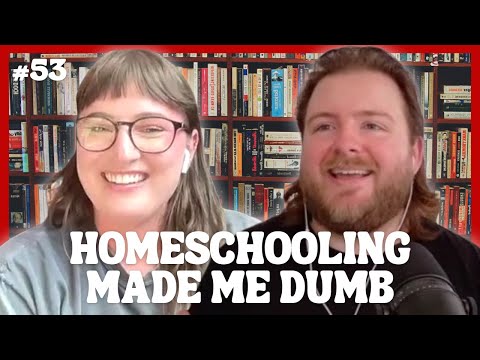
RB returns to the Ex-Homeschoolers Club to share how his life has changed since his first appearance. After years of trauma therapy, RB opens up about receiving an adult ADHD diagnosis and how it reshaped his understanding of his past, his behaviors, and his identity. From navigating burnout after a “manic phase” of newfound freedom to finding the right medication and building healthier systems, RB offers an honest look at what healing actually looks like in real life. The conversation also explores homeschooling, generational trauma, digital boundaries, and how to live in the “gray” instead of black-and-white thinking. This episode is a deep dive into growth, self-awareness, and what it really means to move forward.
Connect with RB: • RB on Instagram: https://www.instagram.com/flyerbrown/
If you enjoyed this conversation, be sure to subscribe, leave a review, and share it with a friend who might benefit from hearing this story. Follow Ex-Homeschoolers Club on Instagram and TikTok for updates, and send us a message – we’d love to hear from you!
Instagram: https://www.instagram.com/exhsclub/ TikTok: https://www.tiktok.com/@exhsclub Email me at [email protected]
Chapters 00:00 Welcome Back: RB Returns to the Ex Homeschoolers Club 00:46 RB’s Homeschooling “Elevator Pitch” (States, Groups, and Religion) 02:00 Homeschool Accountability & Why State Rules Matter 04:40 Life Update: Adult ADHD Diagnosis—Why Get Tested Now? 05:32 Trauma Therapy to “Manic Phase”: Freedom, Overcommitment, and Burnout 12:24 Getting Evaluated: 6 Hours of Testing + Inattentive ADHD Explained 17:55 Medication Journey: Non‑Stimulants, Ritalin Fears, and Doctor Oversight 23:38 Dialing In Adderall + ADHD Coaching: Sleep, Phones, and Focus Loops 28:28 Digital Boundaries & Circles of Trust (Notifications, Slack, After‑Hours) 37:41 Reframing Childhood Through ADHD: The Pearl Harbor Paper & Healing the Story 42:12 Trauma Isn’t the Event: Validating Your Past and Tracking Real Progress 46:35 Seeing Parents as People: Generational Trauma, Estrangement, and Limits 49:20 Breaking the Cycle: Becoming a Better Parent Than You Had 49:42 From Black-and-White Faith to Living in the Gray 52:13 Political Deconstruction: 2016, Voting, and the Right to Change 57:26 Reframing the Past: Homeschooling Through Trauma & Poverty 58:47 Pick Your Boat: Choosing a Cause Without Carrying Every Issue 01:02:04 Healthcare Access 101: The ‘Boat’ He’s On and Why It Matters 01:03:39 Fixing the System: Data Portability, QR Codes, and Killing the Fax Machine 01:09:57 Owning Your Health Data: Consent, Walled Gardens, and Trust 01:11:15 Crypto, AI, and Creativity: Where Tech Helps—and Where It Hurts 01:24:25 Real Connection in a Digital World: Friends, Touch, and Sandlot Baseball 01:28:20 Wrap-Up: Gratitude, Annual Check-Ins, and How to Share Your Story
Read the full transcriptHide the full transcript
- Well, welcome back to the Exhomes Schoolers Club. I of course am your host, Jacob Gooden, and uh we've got a
- repeat offender on our hands today. RB is back for round two. I shouldn't say offender, that sounds really bad, but
- repeat guest. RB, first and foremost, thank you for coming back to the club. >> Absolutely. Thanks for having me. Um
- yeah, it's been a while. Yeah, almost I think it's been about a year uh since we
- last chatted and so I'm I'm excited to catch up with you. I know some things have changed in your life. We're going
- to get into that, but if you have not listened to Arby's >> interview from before, I encourage you
- go back. It's going to be linked probably up here and also down in the description and wherever you're
- consuming this, it'll be linked. Okay, go check it out. But um can you give us can you give us like a quick taste like
- give the people a quick hit of like what your homeschool journey was like? just the quick elevator pitch of like what it
- was. So, if they do want to go back and listen, what they're what they're in store for there.
- >> Quick and dirty for a repeat offender. I got it. Um, yeah. So, I was I never went to a
- regular like public school or even a private school, right? My entire education from preschool or kindergarten
- up to college at 17 was uh homeschooling. And it was myself and my two sisters who
- were pretty close in age to me primarily. And I experienced homeschooling in two different states.
- Uh Kansas um and Pennsylvania. Pennsylvania was where I was born and we moved to Kansas
- when I was 13. So, um, there's some nuances there in and how homeschooling worked in those states, but also the
- kinds of curriculums and I would say even more so the kinds of homeschooling groups and religious groups that we were
- affiliated with in both places and those certainly shaped that experience. So, yeah, that's uh that's it in a nutshell.
- to your point about the nuances and the differences between homeschool states. I
- also just add um the uh leader not leader but the uh the chairman I I don't remember her title
- but Tess Ol I think is how you say her name and I'm I'm I'm butchering it. I'm just I'm
- waking up guys. I haven't had my coffee yet today and that's okay. But uh anyway, I had Tess from the Coalition
- for Responsible Home Educators or Education on the show and we talked a lot about the states and how they differ
- and we're going to have some other people back on and talk more about that. So, if that's also something you want to
- know, link for that down below. All right. >> I would I would like to understand that
- better because I think part of what defined my experience was that there was a lack of accountability, right? And and
- that definitely shaped. So, I love that folks who are choosing that path today are also choosing ways to hold
- themselves accountable, right? >> Yeah. No, and I think that's the the cool thing about what they're doing.
- They are kind of I don't want to say the antithesis, but a little bit of like HSLDA or HSLDA wants everything to be up
- to parents to decide every little nuance and everything. And there's some there's
- some credence to some of that, but um but the >> that's homechool legal defense for those
- of you who don't know as a like I was in the what we would consider one of the first generations of homeschoolers,
- right? I consider myself an a not a millennial but also not a Gen Xer. I'm I'm a Zenial, right? I'm 1982, grew up
- in the 80s, right? That that kind of generation. So I was the first one in my county to be homeschooled. So that yeah,
- that early experience and like all the all the parasitic organizations that were
- cropping up to leech off of people who chose that path. Um I'm very familiar with.
- >> Yeah. So, what I think is great about the coalition, one of the big things that they're pushing for is just like
- very common sense standards across the board for our states. And so, anyway, go check them out. Link down below. And
- >> yeah, I want to listen to that one. I haven't I haven't listened. >> Yeah. And we're going to have more of
- them on and talk more about what they do soon cuz it's it's really cool. I I appreciate it because it's not something
- when you're a kid, you really don't realize that like my the the rules and regulations of my state when it comes to
- homeschooling are different from other states. California. I I just assumed every other state was that way, you
- know, and then I come to find out I'm like, no, other states like they had to go for testing every every year and I'm
- like, I didn't have to do that. I'm thankful my parents did the few times that I did take testing, you know.
- >> Yeah. >> So, well, uh well, let's let's get into you sent me we we've been messaging a
- little bit and you kind of were like, "Hey, some life stuff has changed." And, uh and you wanted to chat about it. And
- one of the things you brought up was that uh was it over the summer you got diagnosed with ADHD?
- >> Yeah. Yeah. Last summer. >> I can't believe it's been a year ago. That's that's crazy. So, talk me through
- that because I feel like that is it's kind of a a big thing I'm seeing in my friend groups and just I I think in
- people in general who are like 30s and and 40s and and they're starting to they they missed the diagnosis when they were
- a kid and now they're going back and getting it and they're like, "Oh my gosh, things are making sense now. It's
- unlocking things." So, talk me through like what made you want to get tested in the first place? What was the process
- like? and then and then we'll get into like what you're doing with that information. Now,
- >> there's a little bit of pre-story to the actual decision to be tested. Um, and
- not to go into it a whole lot, but I I think some of these things I mentioned in the previous episode, but there was a
- lot of trauma in my childhood. There's a lot of trauma in my childhood. There's a
- lot of trauma in my parents' childhood. and that that kind of passing down of of
- that trauma is uh is just what happens. And so I had been working with a trauma therapist for
- 4 years I think at that point. And we worked through it was one of these things to where it was a little bit of a
- roller coaster. Like I'd work through some things. I'd be pretty good. I'd kind of be hit a dip again. I call him
- up. Hey, I need to come chat with you. Um and there were a few points where he was he was kind of like, "Dude, you're
- good. you're good like come see me anytime you want but we don't need to do it you know every month or you know
- every other week as it was for a while and every time he said that I was like yes I have arrived I am healed right I
- and there were there were a few things it I don't know if this is how everyone's
- therapy journey is but how mine was was it was a lot of like very general things
- and then it was very specific things that were triggering or that happened and because of the work that I had done
- and he had helped me with I was able to recognize that and go address it pretty much right away. Right? So, this had
- been kind of going on for, like I said, about 4 years. And then I kind of reached this point to where
- I was like, I don't I don't need this kind of therapy anymore. and my whole kind of view of life had not
- just all of a sudden but had kind of shifted right away from a trauma narrative away from like I I am who I am
- because of my parents right and there's I just want to say for anyone listening to you if if that's where you are right
- now it's okay right that is that is part of the journey but I promise you it is not the end of the journey
- um keep at it. So I reached the reached this point and I was like, okay, I don't
- like I'm ready to move forward with my life, right? And it wasn't from the like I'm shoving down what happened to me. It
- is that I now have the tools to be able to handle it, right? When it when it comes up and I have a better
- understanding of of all the things that have happened. So when I got to that point,
- I was able to let go of a lot of the coping mechanisms that I had kind of internalized in my experience. And it
- was things like, you know, you see people wearing t-shirts, right? I lift heavy weights so
- I don't kill people, right? It's it's that kind of like I didn't need those same
- tools that would just completely take me out of my mind and out of my body in some cases to a pain cave to where I I
- could go there and that felt safe. Right? So there were multiple things that I was like I don't need this
- anymore. I don't need this anymore. I don't need this anymore. And I entered this space that my wife and I
- like to call Arby's manic phase because all of a sudden I had time and I had energy
- because I wasn't putting it towards controlling everything around me so that I wouldn't be triggered.
- And so over the span of like a few months I started like four businesses. I did a
- bunch of really looking back like kind of dumb stuff that if I had been in a better a healthier state of mind, I
- wouldn't have necessarily done. But all of that was me like trying to figure out who I was without the
- shackles of trauma essentially, right? And as we as I kind of started looking at like, okay, what is this? What am I
- doing? Right? Because I immediately overwhelmed myself. I started a co-working space. I started like
- vending. I bought $2,000 worth of B movie star autographs cuz I was positive that I was going to be able to flip
- these and sell them for so much money. Um, I started going to I was going to the state surplus store and buying used
- pocket knives and like vending those at different shows and events. And um, I put all of this burden onto myself cuz I
- didn't I didn't know at the time what I was looking for. And like I said, I had never experienced this kind of freedom
- before. And God bless my wife. like she was so kind and so gracious and just cuz
- I would get I would get I was really stubborn too and I couldn't hear what other people were telling me because she
- was like I don't think that whole picture thing is going to work out like you think it's going to. Uh shout out if
- any of your followers want autograph pictures from be movie stars from like the 60s and 70s like hit me up. I've got
- them. Um, but you know, I couldn't hear it, right? And I was just like so sure of everything.
- So, this happened and then and then I started to burn out. Um, after a few months, I was like, I I can't do all of
- this and I've I've overextended myself and I I've made commitments that are going to be really challenging for me to
- keep because I'm I'm on the downward slope and I didn't know what that meant. And during this time I was, you know,
- kind of following the social media trend, which I think it is a trend right now. There's a huge space that is like
- everyone is ADHD and you need all these tools, right? And that is a trap um that
- I got caught in of like let me sell you this fidget spinner or let me sell you this piece of software or sign up for
- this music app that's going to help. And some of them are helpful. Some of them are not. But like you can dump all of
- your money into trying to manage what whatever condition you think you have. So I got to the point where I was like,
- I think I think I have ADHD. And I remember one night there's there's a an actual test you can go take online that
- is like a DSM and and um you go through it. And I remember taking it and waiting
- for my results and they didn't come quick enough. So I took it again and those results didn't come quick enough.
- So I took it again. I took it four times in the space of like 20 minutes because
- I was so like >> this is I was moving fast. I need the answer now. And it came back as like
- >> probably and I was like god damn it. Um what do I do with this information? So,
- I found a spot in Austin, um, which is an incredible place, and they're the only place that I know in this area of
- Texas that will do an actual come to our office, we will evaluate you, and it's not like we're going to chat with you
- and and tell you maybe you have it. It's like we're going to get super detailed.
- It's like it was like 6 hours of testing. Um, and then there was a like a pre like I sent them
- my kind of life history ahead of time. And then they took several weeks to basically go through that, go through
- that with a psychologist. And then a psychologist is actually the one who like calls you and says like, "Here's
- what it is. Here's what's going on." And um, and so they did that. And there's so many things I learned. So
- yes, you have ADHD and it's there are different types of ADHD and what you have is called inattentive ADHD.
- And what inattentive ADHD is is it's it's an imbalance in some of the ways that your brain processes or
- stores information. So for me there was no and there's different different systems inside of
- your brain essentially that do different tasks and all of mine were like around normal
- um except for one was lower and then a few were much higher. And how they explained it was it's not
- so much like where you are, it's where you are relative to the other parts of your brain and those processing speeds.
- So for me, working memory is really low. And one of the tests I did was like, I'm
- going to tell you a 10-digit number. When I finish with the last number, I want you to write that number down.
- Right? And I couldn't do it. I could get like four numbers in and then I I didn't
- know what it was. Right. So, it's it was very specific like we're testing um specific types of of brain processing.
- So, um once I got that diagnosis, I was like, okay, it didn't feel real. It didn't
- feel like I think some people experience a like, okay, this makes so much sense, right?
- That didn't come later until I started with the uh the medication, which we'll get into. But um yeah, that's like the
- the pre-story into the the like how I decided to to get tested. Well, I think one of the things I picked up on that
- that I haven't really heard a lot of people talk about is the fact that there's different types of ADHD. And I
- think that's that's important in the way you kind of described it of like looking
- at where your brain levels are and how they are relative to each other. Not just in general of like, hey, if
- everything is low, then you're I mean, probably to some degree then you're diagnosed as this, but also how they
- impact each other is is super interesting. Um, and yeah, because that that's that's the reality of like the
- more people I know who who are like, "Okay, yeah, I'm ADHD." I'm like, "But you all are so different." Like there's
- not a there's not a like common thread, so to speak, of like you all just like forget this one thing or like like I'm
- married to an ADHD person. They don't close the cabinets. Sorry, babe. Love you. But like it it's like one of those
- things where it's like I have just learned that it's like I'll just do it. It's not a big deal. you know, I'll go
- and close the cabinets. Um, and like the object permanence thing of like if it's
- out of sight, it's out of mind, you know. Yes. And so learning those things about
- >> people, it's like, okay, but not everybody who has ADHD >> struggles with that.
- >> Well, why is that? Okay. So, very interesting. So now, okay, so now that you've got your diagnosis, you said it
- took a while to kind of like hit you of like, okay, I've got this and like like a wave of relief or like just an
- understanding of like, okay, yeah, it's it's real. Um, cuz I had some friends who it's like it's instantaneous. They
- get the results and they're just like, >> okay, yeah, this makes sense. Like instantly it's like weight rolls off the
- shoulders kind of a deal. >> So that it doesn't seem like that totally happened for you. It took a
- little bit, but once that started to kind of kick in and you were like, "Okay, now I can do something with this.
- What what are we doing with this information?" Now, I I started on some medication and um
- part of this journey has also been around how do I connect ADHD to the rest of my health, right? So
- my primary care physician at the time was like, I get it. Um, I am not going to prescribe you a stimulant stimulant.
- You're in your 40s. Um, in people in their 40s, I'm more concerned about their heart health than I am about
- management of a of a of a, you know, ADHD or ADD or So he was like, I'm not telling you no. I'll give you some
- things to try that are non-stimulant options, but if you want a stimulant, you need to go see another another
- physician. So, I was really grateful that he was very open and honest about what he was willing to do and what he
- wasn't willing to do and why. So, I did try some non-stimulant options and they were more of the like
- they'll take your lyic system and help it calm down, right? So, your fight orflight response
- um and those I didn't notice a difference like that that wasn't that wasn't the challenge
- because that that is another type of ADHD to where you get you can get locked into that.
- >> Um so that wasn't the right medication for my type of ADHD. Um, so then I tried
- rolin and this is where it kind of starts like getting into the childhood stuff which is tied to
- homeschooling and how that all happened because we had a kid in our neighborhood
- in Pennsylvania who was on Roland and he w he was not sure where on the spectrum he was but he was in the like I
- am a functioning human area without a lot of cognition, right? So he could go to
- school, he, you know, he was in the in the, you know, more focused classes that can help
- someone whose brain works like that. But the way that my parents treated it was he is like that because he is on rolin.
- If they would take him off rolin, he would be a normal kid. >> Right? So there's some tapes that are
- playing >> and for you young people, a tape is like a cassette that we used to put into
- something and press play and it would roll a tape. So, um, but the old tapes of like if I take
- this, it's going to destroy my life, right? It's going to turn me into a zombie. It's going I'm going to get
- addicted to it. It's something that's going to like start controlling me rather than me being able to control my
- own life. It's not true, right? It's just it's it's not true. Now, are they are they
- potentially uh dangerous? Yes. Are they habit forming? Yes, they are. And that is why
- you need physician assistance and oversight with these kinds of medications because if I
- I've had conversations with with my psychiatrist of like this like this dosage like made me feel like a million
- dollars and I was crying because I'd never felt my brain all working in the same way before. And their response was,
- "That's fantastic. Also, that means it's too high of a dose because you're going
- to get addicted to that, right? So, we're going to take that back down. We're going to like the goal is that you
- slowly ramp up and you slowly ramp off, right?" So, there's not this like I took
- this drug and now I am a I'm a super, you know, I have superpowers. Um, if you want more information about that, go
- watch the Limitless movie with Bradley Cooper. But >> I was, yeah, I was thinking about that
- as you were saying that. But I think what you said there about like the doctor oversight thing is like really
- important because I think I'm kind of that way too with with drugs and stimulants and things like that
- where I'm just like, you know, are they gonna are they going to be addictive? are they going to be you know all you
- know and it's hard because it's like you yeah you do need you need those people in your
- life who are going to also help regulate you to some degree and you need the people who are also with you on a
- day-to-day basis to understand what what you're going through and >> yes >> you know and because they can start
- throwing up the red flags and the green flags of like yes this is working and no
- it's not working or something is really wrong here and so I think that's important that you said that because so
- many people they want the miracle pill, right? They want to take it once and they, you know, and be like, "This is
- the what I'm going to do for the rest of my life." And it's like, that's just not
- the way the human body works. Like we >> we are a very delicate chemical balance
- and sometimes it goes out of balance and we got to fix that with some with some prescription drugs and that's okay. But
- it's just like you it's going to change again at some point. You know, your chemical your chemical balance doesn't
- stay the same always. that is always in flux and so it makes sense that your drug would also be in flux.
- >> So, so now so have we gotten the dosage dialed in at this point or >> gotten the dosage pretty much dialed in.
- I switched from rolin to aderall and I ju I just want to say out loud a lot of people when they go on podcast or
- whatever they don't talk about the types of medication they're taking because they don't want people to think exactly
- that like oh is the one I'm going to go ask my doctor for aderall. Um because I I'm still like Aderal is working but I'm
- curious about Viveance. Like there's some some things about Adderall that I'm like uh not not great but also maybe
- there's something else. So like and I really appreciate what you said because one of the one of the challenges
- um with all of this is is thinking that there is a magic solution that is going to not only help today but
- also is going to be the same for the rest of your life. And that very black and white thinking was something that
- was a another coping mechanism that I learned early on of like someone was either safe or unsafe. There was no in
- between. Right? And I would I have been the type of person my whole life that I assume everyone is safe until they prove
- otherwise and then get out of my life. I don't want to have anything to do with you. Right? So along with the medication
- and figuring out the dosage and meeting regularly with a psychiatrist, I'm also meeting regularly with a a therapist who
- specializes in ADHD. And so it's taking everything from a trauma lens to help me understand how my
- brain works so that I don't just spin in circles because that's a lot of the struggle I
- think that folks with ADHD have is we get in this loop of I should I should be able to do this. I should be able to
- wake up and immediately check my messages on social media and not have it [ __ ] my entire day up,
- right? Because when when I do that, my brain is now running and I have a very hard time trying to grab it and say,
- "Hey, it's time to answer that email from Brenda and talk about what we're going to work on next week." Right? when
- I just watch someone be shot and killed on TV, right? It's like >> I can't exist in two places at the same
- time. So, I've learned >> like some some things like I keep my phone in the bathroom, right? It's very
- rare that I have my phone next to me at night anymore. Um because I will get lost in social media. Um and then and
- then I can't I can't sleep. Um sleep is super important for people with ADHD. Um
- and I think I think it's important for everyone, but I think it's easier for people without with ADHD to be like,
- "Oh, I'm fine. I am I am hyperfocused on this thing and I'm gonna stay up till two o'clock in the morning and I know if
- I take Adderall the next day on only four hours of sleep I'll still be able to function. And let me tell you, you
- can only do that so long. That is not a sustainable plan. >> No, it's not. I I used to work for a guy
- who would kind of go through spells of that where he would >> and and we would have a meeting at the
- end of the week and I'd be like, "How many hours have you slept this week?" And if it was less than eight, I was
- like, "Okay, you need to like >> get some help, please. Like, yes, >> next week needs to be different because
- like you are all over the place." Um, and like I felt bad, but I was just like, you know, I'm like, we're over
- Zoom, so it's like I can't physically be there for him, but I'm like, yo, something is really wrong here. So, I
- think what you said about the phone is also really important. I'm I'm guilty of that, too. You know, I think that just
- in general, >> our phones are a stimulant. They are meant to be. And social media in
- particular is meant to be a stimulant and it's meant to >> fire certain synapses in your brain,
- right? And so it's it is one of those things where right now, especially with the fact that the news cycle is 24/7 and
- it's the the stuff that always gets pushed the most is negative, it's nasty, it's evil, it's wicked. And so yeah, I
- think what you were saying about just like keeping it in the other room and like being selective of when you check
- it and how you check it. Like I have all notifications turned off for social media. you DM me on social media, I'm
- checking it when I want to check it kind of a deal. So, you know, >> and so when you earn enough trust in my
- life, >> I'll give you my phone number and that will alert me as soon as you text me
- kind of a deal. But anyway, so I appreciate you. Can we can we touch on that because I I feel like that's a
- concept that I really struggled to understand because in the digital age and I work
- completely remote um in the digital age it's very hard to explain the circles of trust
- and to build those walls to protect yourself, right? And when I started first started
- experiencing this was or or coming to understand that was in the same space of like I can do anything. So like I was on
- I don't know if I ever made a blue sky account but I was on threads, I was on Instagram, I was on Facebook, right? I
- was like, maybe I want to be a content creator. And so, like, just opening myself up to the entire online world and
- not understanding what you just explained that it's very important for us to have circles that are allowed to
- reach us at any time. And then there's usually a few other circles as you go out. you know, you've got your business
- associates, which they are allowed to contact you at specific times and not at other times, but usually there's one of
- those people that's in your inner circle. So, if something's really blowing up, they're going to text you
- and be like, RB, I need you online, right? And I'll be like, cool. You wouldn't have contacted me if if you
- didn't need that. So that I think that is something that we're I don't see obviously I don't see it on social media
- right because that is all the social medias want all of your attention but it's been really important to for me to
- kind of set up those boundaries of who can meet reach me in when and in what situations. Again, that was like a huge
- shift for me this past year was when I turned off like it. So, what happened was like a year or so ago, might have
- almost maybe a year and a half ago or so, there was a big movement to do a social media blackout during I want to
- say it was like Black Friday or Christmas. And it was just like commit to two days of no social media. And I
- was like, >> hell yeah, I'm on board with this. I was real. I was looking at my screen time,
- right? And I was like I was like that is where I'm spending the majority of my time on my phone is on social media. And
- so I deleted everything off my phone for those two days. It was fantastic. I read
- books. I did puzzles. I watched movies. Like I still did YouTube because I don't
- consider YouTube a social media platform even though it kind of technically is. But I was like, "Okay, but I'm not doing
- the messaging and I'm not doing the short stuff. I was like much more intentional with like long form
- >> content." And when I brought it back, I was like, "Okay, I'm turning notifications off. Like, this cannot
- keep happening." So, inside the app, yeah, all the bells and whistles go off. You know, it's all going to be there.
- It's going to show up for you. But as far as like my home screen goes, never, right? I don't If you DM me, I don't see
- it until I go looking for it. And I go check every single day, but it's just I can't do it. And it's the same with work
- stuff, too, like you were talking about. >> I I use Slack for some of my clients.
- It's like one of those things where it's like during regular office hours I have
- it on. I won't always respond cuz if I'm in editing I usually will put myself as
- like I'm in the editing bay right now like don't bother me kind of a thing. I'll get to it. But it is one of those
- things where it's like, you know, you have access to me during these hours. And then I also take it a step further
- and when I respond to people, I'll schedule stuff out if I if I'm working at midnight cuz sometimes I do that cuz
- we're all guilty of that, you know, but I will just set it to go to send it to them first thing in the morning because
- it's just it's one of those things where it's like I don't want to be I don't know if they have their notifications
- turned off and I don't want to be bothering them at two in the morning, you know? Um, and so
- >> can I can I touch on something you just said? >> Yeah. >> See, you said we're all guilty of that.
- And these are the kinds of things that my therapist is helping me with now because
- you're not guilty, right? There's no shame in that. It's as humans, we have different energy spurts
- and different needs at different times. And that's okay. What's not okay is to not take care of yourself, right? So, as
- long as you're like, I was up working at midnight and I'm going to clear two hours to my calendar tomorrow so I can
- sleep in a little bit and have a slower morning and allow myself as a as a as a mammal to let all of those chemicals
- release from my body so I can face the next day with the energy and the intention that I intend to. No shame.
- >> You You're so right. I Yeah. No, you're you're so right because that is definitely something where
- I think I tend to beat myself up. I think a lot of people tend to beat themselves up, right? Because like who
- wants to be working at midnight, 2 a.m. in the morning? Nobody. But sometimes it's just when your brain is firing and
- so it just makes sense to actually do that, right? And so it's like >> absolutely
- >> I get creatively active sometimes at 2 in the morning and I'm like, you know what, dude? Let's just rock it, you
- know? >> Yes. And that's that's also part of this journey is starting to understand that
- there are times when my brain is creative and there are times when it's not. Right? And
- one of the challenges with taking a stimulant is for me it lowers the creativity. I can focus on a task,
- right? But I can't um go create a script that's going to make my job easier, right? Like that's that's not
- where I'm I'm doing a thing and I'm going to do the thing and I'm going to finish the thing and and it's hard,
- right? But that's not the creative space. So sometimes that creative space comes when
- the aderall wears off and I'm like I have energy and I've been wondering how to do this
- thing. Like one of the thing an example of this is like I stayed up until I think 4:00 in the morning and this was
- during more of the manic phase but like I need for those pictures I needed to figure out how to price them right. So,
- I was working with Chad GPT and I was creating scripts in Google Sheets and doing things like I was hitting APIs and
- pulling back pricing information from like eBay and Etsy for this name and and building this. And I'd never built
- anything that complicated before and I did it in a space of like 6 hours which was amazing. Um, but I don't know that I
- could replicate that with the energy I have right now. Right? So, just understanding that there's different
- times and part of that is just your your awareness, right? And I think that's what the trauma therapy t started to
- teach me was awareness of how triggers show up in my body. Right? Because now I'm ever able to leverage that that I've
- learned and be like, "Okay, now without the trauma piece, how is what I'm doing and what I'm
- thinking showing up in my body today, right? And how do I do I want to change that or not? Or is that a recognition of
- like, oh, when I sit here and I take deep breaths for 60 seconds, my shoulders drop and the speed that I talk
- slows and I gain clarity and I'm not in this stressed out situation where like I
- have a deadline in an hour and I put this off because I have ADHD and now there's such a sense of urgency that
- I've got to get it done. But I can be aware enough about my body to Okay, you are not in danger, right? Your body is
- reacting to before you got beat by your dad right now, right? >> Let it go. Let it go. If you need to ask
- your boss, hey, I can I get this to you tomorrow morning? I'm working on it. I promise I'll have it to you then, but
- it's not going to be by 6:00 p.m. tonight. Right? and then you can take those breaths and you can you can move
- on. But that that awareness is something that the trauma therapy really helped me
- with and and the um ADHD therapy is just kind of helping take that to the next level.
- >> I was Yeah, I was going to ask you kind of like now with that ADHD like diagnosis and now
- that you're you're learning the skills to manage that, right? and you're looking at a as you look back and you
- okay like you've obviously done a lot of work in like healing your trauma right but as you are able to like look back
- and look at your childhood and things like that >> does it make it a lot more clear with
- like >> okay I acted this way in this situation because >> my brain is different right I needed
- right >> maybe I needed medication maybe I needed rol rin right and then like >> it's like so how is that what is that
- How is that going in your brain? Like what what are you thinking when it comes to that kind of stuff?
- >> Some of the earliest like when I started when I finally could accept like I have
- ADHD because part of it was acceptance and then once I was able to accept it, it was like okay now what do I do about
- it? Because you don't have to. Like there's plenty of people that have this that choose not to go down the
- medication path. They find other ways to to handle it. But one of the things that
- really helped it become real for me was thinking about times in my childhood that
- it was very clear that this was a condition that I had. Right? So, when I was I think I was
- nine or 10, I can I can like picture it in my mind sitting at my desk cuz we we got actual like school desks
- um in the kitchen. I'm sitting there and I'm staring at a blank sheet of paper. And I'm going to get emotional about
- this, but I remember staring at a blank sheet of paper and my assignment was write a research paper on Pearl Harbor.
- And I remember for 3 days staring at a blank sheet of paper and I could not put anything down on that piece of paper.
- And I am so grateful that my parents did not um punish me for that. They actually
- once they saw how much I was struggling, they were like, "Okay, we think maybe this was too big of a task. Like maybe
- just do like a book report on a book that you read about Pearl Harbor." Right? And and I was able to do that.
- Um, but recognizing that experience which still is is like seared into my being, right? And I can still feel that
- anxiety trying to creep in. Um, that was that was ADHD. That's because I didn't have enough working memory to be able to
- read something, be able to restate it in my own words and write it down. Like, and besides, like really at 9 or 10,
- like a subject that huge, you're going to ask a kid to do that. So, that goes back to the whole like what is what is
- reasonable to ask kids in a certain grade level to do, right? based on research and people who have studied
- this kind of thing of how brains develop their entire lives, right? We were not informed by that. We were informed by
- Abeca says that this is third grade material that a third grader should be able to do. Therefore, do this. Right?
- So there there's been multiple experiences like that that I've been able to think back and be like just
- and it's not just remembering, right? And this is part of what I've learned in therapy. It's it's remembering and it's
- talking to that little boy and it's saying you didn't have the tools you needed,
- right? You didn't have the tools you needed. No one around you understood what was happening.
- And that's okay. You're okay. You did what you could and you were trying and there was nothing wrong or evil or bad
- about you that you weren't able to do this quote unquote simple thing that someone had asked you to do. Right? And
- and it's so important for us as humans, I think, to get to the point where we can revisit
- those traumatic pieces in our past. And and people listening to this might be like, I mean, come on, that's [ __ ]
- ridiculous. You're going to call like being required to write a research paper traumatic.
- And I will counter with trauma is not the event that happens to you. Trauma is the story you tell yourself
- about yourself to make it through that experience. Right? So the story that I told myself
- was you're bad, you're evil, you're broken, there's something wrong with you. They had to dumb this assignment
- down for you because you couldn't do it right. And that is the trauma and that is what I
- can go back and heal. what you said there is like super powerful because the biggest thing I've come to realize in
- the last probably two-ish years is like I discounted my own traumas always because I felt like they were nothing
- compared to what other people had gone through, right? Being physically >> beaten, sexually assaulted,
- >> drug abuse, like just crazy stuff, right? the things that we label as like, oh my god, that must be insanely
- painful, right? And what I realized is like what you just said, it's the narrative associated with it. Yes.
- >> It's not always just the thing. And so that has been a huge eye openening thing
- for me as I like you were talking about going back and talking to your younger self and saying it's okay your feelings
- are valid and like giving them a big hug and say you know you you're safe here and that shouldn't have happened to you
- but nobody knew how to deal with it and you didn't know how to deal with it and that's okay. that's okay that you didn't
- know how to deal with it, >> you know, but you know now and you do better now. And so
- >> that's like that's a big thing. And so I appreciate you saying that because it is
- just this like it's a mind [ __ ] in a lot of ways of like like you were saying like like the
- way we react and the way we you know things that trigger us and and we act out and we do a certain you know this is
- this is our coping mechanism. This is the thing we do, right? It's like and then you start to unpack it and you're
- like, "Oh man, I'm like really screwed up." Right? Like I got so many journal entries at this point where I'm just
- like I'm like what is wrong with this guy you know um and uh and I tell my wife all the time I'm like I'm like I am a
- mess half of the time. And you know but it it's it's taking those steps. >> Yeah. It's it's taking those little
- steps day by day and and it gets better. It gets easier. it gets faster, you know, and you know, and so and then you
- get to a place where it's like it doesn't control you. And so like hearing at the beginning when you were talking
- about like kind of getting through trauma therapy to where you're like, okay, I I have the tools now to deal
- with that and it's given me freedom to now have access to this other this time, this energy that I didn't have before.
- That's huge. That's like a massive win, right? And like I want to applaud you. That's like incredible, you know? And
- so, but and so and I'm hoping I'm hoping for that. I mean, I see that in my life in
- little wins, but like I I hope that for all of the people who have come on the show, the people who listen, like as you
- work through these things, you get it will pay off at some point. It does. It's just taking the time to get there.
- >> Yes. And it's good to reflect on that. And I that's one of the reasons honestly
- that I wanted to have this conversation because it's helpful for me to kind of see how far I'm come I I've come and it
- and that's not that's not pride that's that's I mean maybe it is pride I mean of course I was grown up to believe that
- pride was a deadly sin but I can be proud of myself right for the work that I put in for the journey that
- I'm on and I'm not there I'm I haven't arrived I will never arrive Right. Um, but it's it's it's worth the time and
- it's worth the energy and it's worth the the wrestling with your past to to get to a point where
- you can see things in a different light. And and being diagnosed with ADHD has helped me to look at some of my
- childhood stuff differently, right? and see that in a lot of ways my parents were trying super hard. They didn't know
- what to do. They like I and it wasn't like I was a a a a wildly different kid than everyone else, but obviously I had
- struggles that were unique to me and they did not have the tools or the information to be able to process that,
- notice it even sometimes um because of their own unresolved [ __ ] from I mean my mom grew up you know
- working as a child labor in the Hines ketchup fields in Pennsylvania, right? My dad was adopted when he was 6 weeks
- old because his his family didn't want him. And like I look at my life and then I look at their lives and I'm like what
- a beautiful example in a lot of ways. Even though some of the stuff that happened to me was terrible and I would
- never want it to happen to someone else. What a beautiful view of evolution. through generations of where we are
- trying to be better, right? And some of this like I was talking to a friend of mine and he was like
- >> my childhood was my dad beat my mom in front of us, but he never beat us because his dad beat
- him. And that was him being a good dad to us, right? And and what a horrible situation that you had to you had to be
- there and watch your mom be abused, right? And also now he is coming out of that same like
- trauma and wanting better for his future, right? So it's not like I can go back and excuse
- I'm I'm estranged from my dad, right? That's something that's happened in the in the last year or two. Um because
- there's certain things that he he has done in his life that I cannot explain through that lens, right? They are
- heinous and evil and I cannot have a relationship with him unless he addresses those things and he's not
- willing to do that and he may never be willing to do that, right? Um but I can see a lot of the other things that
- impacted me directly as he was trying to help me. He just had no [ __ ] clue what he was doing and his experience was
- worse than mine. >> I think what you said there is it's something I've said on the show before.
- I I say it all the time. It's like I know that my dad is better than his dad and I want to be better than my dad.
- Right. And that's exactly what you just said. It's the evolution process of like
- taking the things that they did poorly and doing them better, but also taking the things that they did right
- >> and continuing to do them better. Right. >> Yes. The other thing that you said there
- that really struck me and this is kind of going back even earlier in our conversation when we talked about like
- black and white, right? And that's something that as as two people who grew up very religious, black and white is
- like that's the answer to everything, right? Is God or Satan is good and evil, right? It's like it's like black and
- white. Everything is black and white. You know, it's like historically accurate or like a complete lie and
- sham, right? >> And so it's very interesting now existing in that gray space, right?
- because >> it's hard. You see the the the ways that our parents messed up or right or the
- things that traumatized us. Those are bad. Those are arguably bad, >> but then there's all this gray space of
- like like you were just saying there like they were trying to be better to some degree than their parents.
- >> Yeah. >> So, it's like hard because it's like where do you start to draw those lines?
- It becomes a lot trickier of like >> when and how and all these things. And so I applaud anyone who's on that
- journey because like it's not easy to kind of start to figure out and draw those lines and eventually you have to,
- right? You know, and it >> it can be messy and it's not fun and it's it's painful, but it's one of those
- things where it's like >> existing in the gray space now >> has oh my gosh, it has freed me up in so
- many ways where I'm just like >> I'm okay not really having the answer. I'm okay just kind of being like, you
- know, I I don't think it's good. I don't think it's bad. I think it's in the middle here and that's okay, you know.
- And so I applaud you again for doing that work and continuing and like sharing about it because it's not easy.
- It's also not easy to talk about it. >> Yeah, it's getting easier to talk about it sometimes. I think I'm I bore people
- and I probably do. Uh it's it but it's also kind of fun being that one guy in the friend group who like you go around
- the room and you're like, you know, sharing stories from your childhood and and then I share something and
- everyone's like, "Holy [ __ ] Everyone gets quiet and I'm like, "Oh, I said too much."
- >> Yeah. You're like, "Uh, okay." Um, I had one other question. I >> Go ahead. >> Um, no, I was actually gonna gonna
- slightly I was going to play off the gray, living in the gray. So, if you've got
- >> No, I was going to completely pivot. So, I mean, >> Okay. >> Let's Let's stay in the gray.
- >> Okay. Um, I I've I've I've got a a working title for my autobiography that is
- Ascent to Gray. Um, because that like that's where that's where everyone is, right? And and something, you know, in
- our supercharged political climate that we're in, it is so black and white and it's like
- that on both sides, right? And it's it's hard sometimes because the way that I see things now, it's almost
- challenging to connect to how I saw them even 10 years ago, right? 10 years ago,
- 2016. And and this is one of those things like I don't want to say this out loud, right? I voted for Trump, right? I
- did. That was the situation I was in. That was the world that I lived in. And I was starting to come out of that, but
- I was still connected enough to where I was like, man, Hillary's the devil, man.
- Like, Trump's bad, but good grief. Like, she's she's she's it, right? So, so I voted for him. And now I see people on
- different social media sites saying like, if you ever voted for Trump, you are out of my life. Like, I cannot trust
- you. you are the kind of person who is, you know, you're not a critical thinker and I can't I can't have that in my
- life. And I recently saw a clip from um uh Glennon and and Aby's podcast, We Can
- Do Hard Things, and they did a they did a tour last year and they talked about this concept of there's a river of love
- and the betterment of humanity and it's flowing, right? and and we get in this space where we're we're worried
- and we're like, "Oh, everything is worse than it has ever been." And in in this country, in some ways, it is for white
- people, right? But it's it's they talked about this concept of like there's boats
- on this river and there's boats for immigrant justice and there's boats for better education and there's boats for
- better healthcare, right? And as humans, pick your boat and get on it. And also once you're on that boat, you
- have no right to look at someone else who is trying to get on that boat and say, "Why weren't you here earlier?"
- Right? And and that's the narrative that I think needs to needs to change, right?
- Because as things come to light, as people are starting to question the choices that they have made in the past
- that have affected the trajectory of this country, they need to feel like changing their
- mind is not something that they're not welcome to do. Right? >> So, anyhow, that was a that was a very
- much a a a tangent. Um, and I wouldn't blame you if you don't put that in the in the podcast. That is totally fine.
- Um, >> you know, I I've been thinking a lot about this recently, too. And like, you
- know, in 2016, that was the first election I got to vote in. I was a senior in college. It was a big deal,
- mailin ballot. And I I remember sitting there and looking at it and having watched the news and all these things.
- And I was I grew up conservative. I I was like when Barack Obama was running for president, he was I don't want to
- say he was the devil because I don't think that that was really what I believed, but I definitely was like he
- is the he is the evil um side of it. And so, you know, >> but I I remember sitting there and being
- like, can I really vote for Trump? And like >> and I I couldn't vote for either of
- them. and I went third party and I knew that that was like a throwaway kind of a
- thing to some degree, but I was like I I was unpacking things but I still had that taste of like Hillary Clinton is
- the devil and I but I also was like >> I couldn't do the Trump thing either. I just it was one of those really rough
- >> situations and I remember just sitting there and but what you said is great of
- like it is okay to change your mind. That is the last 10 years of my life has been nothing but changing my mind. It
- has been shifting my perspective and >> in in all aspects of my life, not only just politically, religiously, and
- >> in in who I am as a person and and just everything, right? And so, >> and that's okay.
- >> That's again that gray area that we're talking about. It's the ability to ask
- the questions and say, "Okay, I don't know that this is good or this is bad. I just need to continue searching to
- figure that out, right? And find that place for myself. And so >> I appreciate you saying that and it
- probably will make it in. Um so, you know, um but yeah, I think man, I just Yes, we need to we need to come to a
- place where we can be accepting of people changing their minds. And yes, we can be frustrated that it's like you
- didn't do it fast enough. >> Yeah. I mean I h I'm frustrated with myself >> that I that I it wasn't faster right I
- >> right but >> but the thing is >> I would not make the same >> yeah but I know I have become the person
- who would make a different choice today right and I I think that that recognition and that like that is just
- human growth that is natural and that's how like we should be learning we should
- be changing and that was something that growing up change was scary, right? And and part of the light that has changed
- for me and looking back is yes, homeschooling is a part of my story and the and the way that homeschooling
- showed up for me was not healthy, right? And it was not healthy for my sisters. Um,
- but I look at my my past more now through the lens of trauma and poverty than I do
- homeschooling. Right? I think when I when I was on the podcast for the first for the first time, um, my story was a
- lot of like my experience was terrible, right? And it legit was in some ways. And the reason why my parents chose that
- instead of public education or instead of private education had a lot to do with poverty and had a lot to do with
- their own trauma. And so while if I was them with the information that I know now, I would have made a different
- choice. I can understand the choices that they made and why they made them, right? And that brings a lot of peace.
- Yeah, I I I agree. The other thing I wanted to kind of that that you had said in talking about like the river with the
- boats and like every boat is kind of these different topics. The thing that I've realized
- especially last year was there is this unfortunate call right now to be like you have to be informed about everything
- and you have to be >> pro or anti whatever all the time, right? >> You have to pick a side. You have to and
- you have to pick a side, right? And and I I think that everybody should have their own opinions on whatever, but I
- also don't think that everybody can advocate for every injustice and everything wrong. Yeah. Right. And so
- that's why I really took the end of 2025 to evaluate where is it that I want to talk, where is it that I want to support
- the most because >> we will be stronger the more that we get groups of people together to focus in on
- one area at a time, right? And so this podcast, we talk a lot about education, we talk about a lot about homeschooling,
- the alternatives to that. That's kind of the direction that the show is going to
- continue to go is that vein of like and and childhood trauma and religion and that kind of a thing because th those
- things get grouped together. I'm not going to sit up here and probably talk about Israel and and Gaza and the
- genocide and Palestine and and the genocide that's happening there because that's not my lane. That's not what I
- I'm an expert in talking about. There's other shows that are going to talk about
- that. >> This is a show where we're going to talk about education in in the States, maybe
- in the world. We'll see. Maybe maybe it'll come up at some point. Um had a few people from out of the country be
- like maybe we'll come talk about it. But um childhood education, religion, and and that process of growing up and the
- traumas surrounding that and the good, the bad, and the ugly. That's what this show is about. And that's where I want
- to focus and that's where I want the people who are here to ride that ride with me. Great. That's our cause. That's
- what we're going for. Okay? Get on the boat or hop on your own boat and it's okay. It's okay. It's just where we're
- at. So >> yeah. No, I love that. And I like I >> even more so because I just saw that
- clip a few days ago. Even more so I'm grateful for this opportunity because I am I'm on a different boat, right? But
- you inviting me and having this conversation means I get to I get to hop on a boat
- that is really important to me, right? And I get to contribute to this space. And then, you know, in two hours I'm
- back on my other boat, right? Which is which is how do we get health care to millions of people in this country who
- don't have sufficient access to it, right? That's the boat I'm on. That's the company I'm working for. That's the
- vision that I'm I'm aligned with right now. Um, but I love that like you are taking
- um ownership of this space and you are helping guide this boat down that river. Like I love that and I support you and
- I'm so grateful that you are using your platform for that. >> Well, thank you. And I wanted to let's
- talk about healthcare because that is that is a big topic. It's something we t we chatted a little bit before we hit
- record about. >> Yeah. >> And the way earlier in the show, the way I was gonna kind of pivot it is like the
- tools that we're using, right, to for >> stuff. But since you brought it up, let's just go there. Like what what are
- what are you trying to do? What is this boat that you're on that you're like, "Okay, let's get healthcare to millions
- of people." Because the reality is, yeah, there's there's a ton of us, myself included, who we we not insured.
- And so going to the doctor >> is really scary because I'm going to get slapped with a big fat medical bill.
- >> Yeah. It's terrifying. And that that society, you know, if you think about our our
- health across the entire country, the access to care, the availability of care is
- lacking, right? and and getting people connected to the to care that they can afford, care that they need um is is a
- challenge and and what I've come to understand and you know I've been at this company now for four and a half
- years and um it's uh be wellconed health um but we're in this space of how do we
- connect people to their medical information and then how do we help them find the care that they need, right?
- Because the way that this our the US health care system worked um in especially from early on is it was
- a uh pay for a service model, right? to where you said, "I cut off my arm and I need to go to the
- emergency room, right? And so you're paying for this help with this event that has happened
- to you." And the more that we learn about the human body and the way our brains work and I mean the whole thing
- that we talked about with ADHD, right? ADHD wasn't a thing a hundred years ago, right? People didn't understand, the
- research hadn't been done, the drugs hadn't been developed, right? To understand how we could help people with
- these different conditions, right? And there's swas of our population that have challenges like this in worse, right, to
- where they have high blood pressure, they're at risk for heart attack, they're diabetic, right? and they don't
- have access to the kinds of preventative care that are going to improve their life experience. And that is the space
- that that my company is in. The the challenging part about this is for me, I see people on other boats and I see
- people who are going out to protest or donating to food banks or taking food to families who are afraid to lo leave
- their house, right? And I'm like, I I want to do that. It's and it's very discreet. It's very um I went and I did
- a thing and and I feel good, right? because I did this this demonstrable thing. When you're dealing with hundreds
- of years of legislation, right, and you're dealing with a market that is primarily
- based on capitalism and how do we maximize profits? you start getting into situations where
- um it's a it's a you have things like what we've seen with different insurance companies to
- where they have entire department that are dedicated to denying paying for your care because it's going to cost them
- money and they are in the business of making money not spending money right and we're like how Is health care so
- terrible in this country and yet the heads of these companies are making million-dollar bonuses and the stock
- price keeps going up and up and up, right? So, I work for this tiny little startup that's like we are trying to
- change how this country does health. And what's been fascinating about the last few
- years is as the administration of the government has changed, there is now the the space we're in
- currently, the administration is much more likely to rule by edict than by legislation.
- Right? So, they're much more likely to sign something, right, than go work with Congress and figure out how to change
- things and change laws and do that. They're much more likely to just like, "Oh, you have a good idea. Okay, cool.
- Let's make it happen." Right? And that is what has happened in the health industry to where these people there's
- people in like the, you know, they're not the the Dr. Oz and the RFK Jr. that everyone is like throwing out this guy
- said this thing and it's so stupid and I can't believe he would say that. Right?
- That's a lot of the what the social media cycle is about. But the people who work for those people are people who
- have been there for 20 and 30 years. They know where it's broken. They know what needs to change and they're
- actually getting a chance right now to change it. And and that's the hard work that my company has been doing is trying
- to be involved in legislative changes around Medicare and Medicaid and how that is administered and how that is
- that data essentially is shared or not shared. Um, so it's it's been this evolution and we're right now at a point
- where 600 over 600 um, healthc care providers have signed a piece of paper agreeing that by I believe it's June of
- this year, you will be able to using their software walk into a doctor's office and instead of having to spend 15
- minutes trying to remember every medication you've ever t taken, every um surgery you've ever had and you know
- what diseases your mother's aunt's uncle had, right? That might still apply to you that your physician might want to
- know about to where you'll be able to scan a QR code and share that information with them. Right? So that
- that's that's just one example of how we are trying to change the industry and this is not something that like you can
- do as a weekend warrior on your Saturday for a few hours, right? This this is time and energy and frustration and like
- what do you mean you want to fax us health information? The number one piece of technology for the last 40 years
- still in use today is faxes. I've talked to people who have worked in offices where they literally had a fax machine
- tied to another fax machine so they could get information from one provider and send it to another provider. So, how
- do we how do we work in this space? Going back to the whole gray area, right? Because some of the stuff that's
- happening could be viewed from the lens of, oh my god, what do you mean that entity
- has my data? or why would I ever consent to that entity having my data right um and so as as my company and I say my
- company I work there it's not I'm not one of the founders but I'm fortunate enough to be part of this journey
- is that is that area of we have taken a very firm stance that number one your data is your data it is never shared
- with anyone house without your express consent. And number two, that consent needs to be readable and easily
- understood and not 50 pages of garbage that in the end means you don't own your health data, but you're not going to
- take the time to read it because it's 50 pages long, right? So, so it's a it's trying to say this is the future. This
- is where we can go, right? But you are still in control of your the things that affect you the most.
- >> One of the big things a couple years ago I worked a lot in the web 3 space. Crypto NFTTS those big bad words that a
- lot of people don't like. Um and web 3 also encapsulates AI. So to some degree you could say I still work in the web 3
- space >> because I use AI for a lot of stuff. Um and and try to keep my thumb on, you
- know, what's going on there. >> Yeah. Yeah, >> one of the things that working in the
- crypto space helped me to realize was there are options and there is the ability to like own your own data like
- you were saying, right? >> Because a lot of times when we go on a website, right, Tik Tok is a good
- example of this, Instagram is a great example of this, Spotify is a great example of this. If you post your stuff
- onto those platforms, you no longer own it >> in any way, shape, or form. They are
- able to use it. And this is very different from >> our health or health information, but there are
- protective ways and there are digital wallets and things that can be can protect your your information and and
- it's not giving it out to it's not going to be trained on an AI thing, right? It's it's it's a closed
- wall garden kind of situation. >> And I think that that there is this kind of disconnect in people's brains of like
- we we've been burned. Social media burned a lot of us, I think, for for >> the fact of like for so long I've held
- this kind of belief. I'm like, >> well, it doesn't really matter if I delete my Facebook because guess what?
- They already have all that information anyways. You know, Amazon's already got all my information. I I there's nothing
- I can do about it, right? >> The reality is that there but there's new technologies that in the future can
- alleviate some of that. And so it's just shifting people's mindset to understand
- you can own it. You can protect it. It takes a little bit of work. It's not the easiest thing right now. There are
- people like like your company who I'm sure are trying to make that easier and faster and more on board than it has
- ever been before. The first time I bought a piece of a cryptocoin, it was a nightmare to do. I was convinced that I
- had just lost like I didn't even put that I made 50 bucks, 100 bucks, something like that. I was like that
- that money's gone. I'm never going to see that ever again. And then guess what? 24 hours later, I was like, "Oh,
- guess what? It's in my wallet." You know? I was like, "Okay, cool." >> Um, and if you don't know what I'm
- talking about when I'm talking about crypto, like, it's okay. Like, it's it's jargon. It's, you know,
- >> I've done I've done a little bit of it cuz the I I in my in my manic phase, I
- was like, I'm going to create a memecoin. Like, I'm going to figure out how to do this. And then as I got into
- it, I was like, this thing is a [ __ ] scam. Um, and people are losing. so much money. But I know also that there's like
- there's a lot of good that can come out of it, right? There's a lot of good with
- having a a a a stable um currency that is worldwide and has the same value no matter where you're at in the world. Um
- like things like that that that used to be the British pound. Now it's the US American dollar and soon that's going to
- be some version of cryptocurrency, right? And and it's one of those things that like there's still parts of me that
- doesn't like it. I don't like it, but it is going to happen, right? And that's how I feel a lot about the AI space is
- I get the concerns, right? I get the like they're building data centers and it uses so much power. Um, and we're
- concerned about AI taking over the world. And there's sometimes I have to sit back and be like,
- I can't control that. It is outside of my control, right? And if there's a way that I get to influence
- how that world gets created, so it is safer, so it is based on consent, so it is um actually helping people instead of
- hurting them, um then then yes, I'm I'm on board with those parts. But you know, an example of
- this is is early I'm going to keep referring to my manic phase because apparently I did way more
- than I even thought I did. But like I was I was experimenting with like what if I made songs about my trauma, right?
- That would resonate with people, right? So I went to an AI website and I was I put this stuff in. Dude, it made a song
- that made me cry. It was so real and so visceral and so like I could not have come up with the
- pairings of words and the and the imagery that it it did because that's not my expertise. That's not my forte.
- So I was like this is amazing and I was trying to share it with people and then I hit this point of like
- I started getting out more which is another part of the journey. I started getting out more.
- I started going to see live music and I was like, this is part of the human experience
- that I don't want to lose. And so I like deleted that. I'm not doing that anymore. I'm not like when I I'm still
- on Spotify. I need to switch everybody over to title or something. But but like one of the things I hate about Spotify
- right now is that they are constantly suggesting AI songs, AI generated songs. And maybe there's a person behind this,
- maybe there's not. But I don't I don't listen to music to hear an AI band in an AI voice. I listen to
- hear Noah talk about his experience, right? That's what I connect with. I want to connect with a human. Um, so I
- think there's there's areas of that to where we can use AI to help us, but we should never ever
- be putting humans sharing their experiences at risk because we're running towards a
- simulation. The other important thing I think that a lot of people don't understand is that
- all AI gets lumped together and the reality is there are very different forms of AI.
- >> Yes. If >> you've ever used Google even before the AI stuff came out >> you you used a form of AI and so
- >> the the they vary in the levels of power that they consume and all these different things. Generative AI is the
- big kind of scary thing that a lot of people talk about and that's what they're referring to a lot of time.
- That's what you're talking about with the song creation. I've done that too, right?
- >> I played around with it. >> It's really cool. It is a cool technology, >> but like you, I got to the same point of
- like, now this is human creation and I want to as best I can, I want to leave it up to the humans.
- >> And so, it's figuring out where the good comes from it and the bad comes from it
- and those types of things. So again, that is where a lot of what we're talking about owning your own data and
- those types of things and how can AI influence, you know, uh the health care system, a lot of those things happen
- inside of walled garden large language models that are sectioned off. They're not training across the entirety of the
- internet. They are locked into a server set. And you know, again, these are very
- technical terms. If you don't know what we're talking about, that's okay. Just understand it. It's it's getting put in
- a walled garden that is not it's not being trained. It's not you know you're yeah of course you can feed
- your health insurance stuff into chatbt and I would not do that because guess what that is going to train and then
- everybody has access to it. That's just a dumb move. Please don't do that. Um but but there are these other areas of
- where it's like it can be sectioned off. The other thing that I'll say about this
- too is that >> it can become more environmentally friendly and that is a big push that a
- lot of people do have. So while we are hearing about all of the drinking water that is getting tainted, I live in
- Tennessee in Memphis, Tennessee, >> XAI is down there. I'm not an Elon fanboy by any stretch of the
- imagination. What they're doing down there is really [ __ ] up and it's screwed up and they're breaking the law
- in a lot of cases. >> Yep. >> That can get >> Same here. I live SpaceX. Um, the Boring Company and X are
- headquartered less than five miles from my house and our river pollution is off the charts because of what they're
- dumping in there. Like it's just a fact, right? And it it is terrible. But yeah,
- >> I'm sorry I interrupted you. Continue. >> No, no, I just it can get better is what
- I I guess what I'm saying. And there is hope for it to get better and >> we always find ways to clean things up.
- That's That's the reality. Hopefully, we do it sooner rather than later. And so, look
- for those people who are talking about those things because >> yes, >> that's important. It feels like it's not
- happening and that that conversation is not happening. It really is. It just >> it's a lot quieter. We talked about it
- earlier with the way that social media is. It's always going to push the negative. It's not going to push the
- positive. And so, >> you really have to go digging for it because good stuff is happening in the
- world every single day. and we are missing out on it because it is not being shown. And so
- >> if you like me get worn out with turning on the news and it's just all bad and
- it's just like I promise you like go pick up a local newspaper, go like to your local library and like we have like
- a library thing that they put out that's our local area. Always good things in there of like this person is helping
- this and this is happening. There's a lot of good in the world. >> There's a lot of bad in the world too,
- but there's a lot of good stuff happening in the world. And so go seek that out. I mean, like we were talking
- about good in the world right here, >> you got diagnosed with ADHD. You've made some changes in your life. Like things
- are better, right? It's it's it's a positive. It's not a negative. >> Yeah. And and AI was part of that
- journey for me, right? Like I >> I have chat GPT open and I have a it's not listening to us, but I have a um I
- have an ADHD coach, right? a agent or project or whatever they call it, right? To where I've I have uploaded my
- diagnosis. I've I've I go in there and I ask like based on the conversations that
- you know we've had over the past two weeks, um would you recommend any changes to medication cuz I'm talking to
- my psychiatrist tomorrow, right? But I also go to my wife and I ask the same thing, right? Because AI doesn't know
- everything about me. Um, but it it has been a tool for me that has been super useful. And I want to go back just real
- quick to the concept of um the walled gardens, right? Because one of the things my company is doing is we are
- partnering with OpenAI and we are adding a health connector. And again, it's completely based on um consent. Like
- this is not hey here's all the information we have about everyone who's ever used our product. It's yours now.
- It is literally you have to go in and you have to consent and say yes for the purposes of this walled off garden I am
- going to allow you to access my health data and then bring that in and then it be informed and you be able to say oh
- like I now know what my blood pressure looked like for the last 15 years because it's
- spread across 15 different portals and it's you know it's unreachable in a lot of cases for me to know what my health
- trends have been over this time right so it's not I get it it's not for everyone
- right if you bubble up another layer it's like well do I really trust Sam Alman do I really trust open AI like I
- can't answer that question for anyone else other than myself and it's a gray area for me so but
- >> people are already using it so again how can we make it safer How can we make it
- more consentbased? How can we do things that are like you said, um, not pulling from the entire internet
- to where it's going to tell you like it's going to go find that one article that's like don't vaccinate your kids
- for measles and it's going to it's going to parrot that back at you as actual health advice, right? We've got to get
- away from that. And that's why, like you said, having different AIs that do different things are essentially
- specialists in this area. Um that's that's the direction that we need to continue to go in so that there are
- these walled gardens to where it's helpful in the areas that we want it to be helpful in and we take it out of the
- spaces that is going to ultimately hurt our creativity and our our our human experience.
- And I want to circle back I know we're almost out of time. I want to circle back to something else that I think was
- really foundational for me in this whole like figuring out getting diagnosed and
- then having this period of like I am just trying to connect to the world around me in so many ways.
- I was looking for friends cuz I didn't have friends. I had people that I talked and worked with on a
- computer screen for eight hours a day and that was my connection to the outside world. It's what happened to us
- during CO. It's what's happened with completely remote companies, and there's pros and cons.
- But if you're listening to this and you don't have real in-person friends that you can call and you can say, "Hey,
- want to come over and play a game tonight?" Find ways to do that. Because that was a
- lot of what I couldn't I couldn't say it at the time, but that was why I was starting businesses. That's why I was I
- was like, I'm going to become a content creator, right? And go on the internet and and connect with people. That's why
- I got so sucked into social media because I thought those connections were what I needed. And what I needed was a
- hug. What I needed was to get out and and watch a band that five other people are watching and get up on stage with
- them and and like actually have real human interactions. Um, one of the most amazing things that's happened to me in
- the last 6 months is I joined a baseball team and Sandlot baseball is making a resurgence. I played baseball when I was
- nine and 10 and haven't played since. Um, and it's a friend group and we get together, we see each other in person.
- like tomorrow we're going to go to our home field which is full of weeds and and like do some field work together and
- get our hands dirty. And those are experiences that the technology that we have today is making it easier and
- easier not to do and not to have those kinds of relationships. But we are [ __ ] mammals and we are pack animals
- and we need other people. And that is everything else aside that's happened over the last year and a half. That is
- the number one thing I think that has helped me is actually finding other humans that I get to see a couple times
- a week and hang out with. It's amazing. >> It It changes everything like it does to
- and and that physical >> touch is like >> it it Yeah. It's what we've been talking
- about. >> Yes. >> Humans need human experience. >> Yes. >> Can't we can't replace that. And so, you
- know, that is where that it's so important. And so, yeah, go find that. If you don't got it, like go find it.
- it. I don't want to say it's easy. It's It's like an easy hard It's not It's not
- hard to go out and be around people. It's harder to go out and be around people and build genuine connection.
- >> And so, >> yes, >> but it's it's good and it's important and do it. And so, text your buddy
- today, text your friends, >> say, "Let's go get coffee. Let's go do something stupid. Let's, you know, come
- over, play a game, you know, whatever it might be." like go do that because it's
- it yeah it it could make or break your whole week I think. >> Yeah. >> So or B I got this has been so much fun.
- Is there anything else have we got? I we went all over the place which I think >> we did. We did
- you had an ADA HD experience today. Um and yeah, Rusty's telling me that uh it's it's it's time to be done. But
- dude, I'm so again, thank you for using your platform to talk about these things. Thank you for
- helping drive the boat that you're on. Like, I see it. I see you. I see the difference that you're making. And
- you've made a difference in my life. And in just understanding that my homeschool
- experience was not uh it was not unique, but it was also not the only homeschool
- experience. and that other people are taking it more seriously and are thinking through the the cultural and
- the um impacts that it has on a child's development when they are isolated. And I see families around here, you know,
- that that are choosing to homeschool and I see a more intentional um mindset towards the experience than
- than what I had. So, I am super grateful about that and thanks for having me on and talking about all the things.
- >> Of course. Yeah. I think this is going to have to be an annual thing now at this point. We'll just do our yearly our
- yearly checkup. >> Oh my god. I don't know what's going to change in the next year for me, but
- that's a little anxiety producing, but also I'm here for it. Let's do it. >> Yeah. Yeah. And uh to the audience,
- thank you guys for sticking around. Hopefully you stuck around this whole time. If you did, leave a comment down
- below. Let me know you stuck around. Let me know your favorite part of the episode. And as always, all the links,
- all the things will be down below. Uh if you want to be on the show, if you've got a story to share, you know how to
- reach me. [email protected]. Shoot me an email. Give me a little blurb about your story and then we'll
- connect. We'll start chatting. I promise I don't bite. RB came back for a second
- a second uh run through the gamut. So, I can't be that bad. Okay. >> Not at all. Not at all. No. I I've
- really enjoyed it. >> Yeah. And uh yeah, until next time, we'll see you. Peace.
Brief Summary
RB discusses his homeschooling experience, ADHD diagnosis, and the importance of human connection in personal growth.
Key points
- RB's Homeschool Journey. RB shares his unique experience of being homeschooled in two states.
- ADHD Diagnosis. RB discusses his journey to getting diagnosed with ADHD and its impact.
- The Importance of Oversight. Doctor oversight is crucial when managing medications to prevent addiction.
- Setting Boundaries with Technology. Establishing boundaries with social media can improve mental health and focus.
- ADHD and Creativity. Understanding how ADHD affects creativity and productivity is key to managing it.
- Understanding Trauma. Trauma isn't just the event; it's the narrative we create about ourselves.
Episode highlights
- RB's Homeschool JourneyRB shares his unique experience of being homeschooled in two states.“I never went to a regular public school.”1:07May 1, 2026
- ADHD DiagnosisRB discusses his journey to getting diagnosed with ADHD and its impact.“I think I have ADHD.”12:26May 1, 2026
- The Importance of OversightDoctor oversight is crucial when managing medications to prevent addiction.“You need physician assistance and oversight with these kinds of medications.”21:18May 1, 2026
- Setting Boundaries with TechnologyEstablishing boundaries with social media can improve mental health and focus.“I have all notifications turned off for social media.”28:12May 1, 2026
- ADHD and CreativityUnderstanding how ADHD affects creativity and productivity is key to managing it.“Sometimes that creative space comes when the Adderall wears off.”34:54May 1, 2026
- Understanding TraumaTrauma isn't just the event; it's the narrative we create about ourselves.“Trauma is the story you tell yourself about yourself.”42:37May 1, 2026
- Embracing the Gray AreaNavigating life's complexities requires acceptance of the gray areas in our beliefs.“I'm okay not really having the answer.”50:58May 1, 2026
- The Journey of HealingHealing from trauma involves revisiting and understanding our past experiences.“It's okay to change your mind.”56:04May 1, 2026