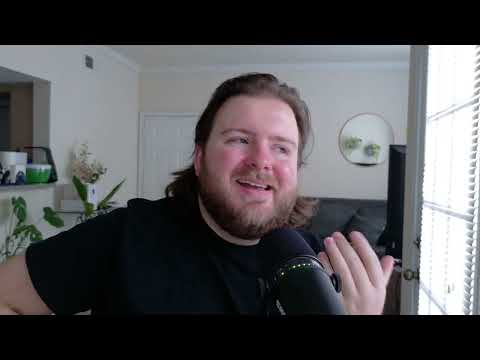
Was Homeschool The Best Choice For Me...Or My Parents? | EXHS #24
Ask about Ex-Homeschoolers Club
Episode Description
I'm always striving to make this show better and I want to hear from you. If you've got a few minutes, would you mind answering a few questions? https://exhsclub.beehiiv.com/forms/ecd981ec-ed4e-4b22-a15d-ae3b2858c757
Hey everyone! In this episode of the Ex-Homeschoolers Club, I sit down with Whitney Brim-DeForest, a former homeschooler with an incredible journey. Whitney’s story is a mix of unique experiences, from an unconventional homeschool structure to finding her calling as a plant scientist. We discuss the ups and downs of her homeschooling years, the challenges of reintegrating into public school, and how a passion for science blossomed from her eclectic upbringing. Along the way, we dive into the cultural gaps she experienced, the mentors who shaped her, and how her homeschooling days influenced her parenting philosophy today. If you’ve ever wondered how homeschooling shapes independence and self-direction, you’ll love this episode!
Key Takeaways: • Whitney’s homeschooling journey featured Saxon Math alongside experiential learning in arts, history, and hands-on activities. • How periodic public school stints and a lack of peer consistency impacted her social development. • The discovery of pop culture, music, and friendships after homeschooling. • A transformative high school physics teacher and how mentors can inspire career paths. • Whitney’s choice not to homeschool her kids and the value of diverse opportunities for children.
Timestamps: 00:00 Introduction to the Ex Homeschoolers Club 00:33 Whitney's Unique Homeschooling Journey 02:24 The Challenges of Socialization 03:27 Homeschool Curriculum and Learning Styles 07:03 Transitioning to Public School 09:44 Finding Passion and Career Path 17:15 Religious Influences and Gender Roles 23:50 Navigating Pop Culture Post-Homeschooling 24:45 Early Tech Exposure and Music Sneaking 26:25 Musical Influences and High School Experience 28:04 College Life and Music Exploration 31:18 Peace Corps and Cultural Disconnect 31:55 Friendship Challenges and Socialization 38:13 Parenting Choices and Homeschool Reflections 43:48 Biggest Positives and Negatives of Homeschooling 46:44 Final Thoughts and Farewell
Resources Mentioned: • Saxon Math curriculum • "The Miseducation of Lauryn Hill" (album) • Adventures in Odyssey audio series • "Our Bodies, Ourselves" (book)
If you enjoyed this conversation, be sure to subscribe, leave a review, and share it with a friend who might benefit from hearing this story. Follow Ex-Homeschoolers Club on Instagram and TikTok for updates, and send us a message – we’d love to hear from you!
Email me at [email protected] Instagram: https://www.instagram.com/exhsclub/ TikTok: https://www.tiktok.com/@exhsclub
Read the full transcriptHide the full transcript
- another week another ex- homeschoolers Club I am your host Jacob Gooden and we are back to get to talk about The Good
- the Bad and the Ugly of homeschooling uh I'm so stuck today I have a brand new friend Whitney who is joining us she
- reached out to me via I don't remember if it was social media or email or something maybe YouTube uh but to talk
- about the show and we just connected and I was like I gotta have you on the show
- so Whitney first and foremost welcome to the ex homeschoolers Club thank you Jacob I'm really glad to be here let's
- just Dive Right In let let's share with the audience a little bit about your homeschool experience um you know kind
- of set the scene a little bit for us like what was family life like how many siblings were all of you guys
- homeschooled roughly like when were you homeschooled that kind of thing give us a little bit of a snapshot of what
- things look like sure I feel like my experience is maybe a little unique um so we were well I was born in the 80s
- and my brothers and I I'm the oldest I have two younger brothers um and my mom was an educator so she had a bachelor's
- and then a master's in education so was a teacher by profession um and she decided to
- homeschool all of us um but we did have a little bit of a I guess a a strange trajectory maybe so I'm seven years
- older than my youngest brother um and so I started first and then my my middle brother next and then by the time I got
- to seventh grade my mom decided to put us back into school partially she had some health issues and so we went I went
- back into school part day in seventh grade and then back into public school full-time starting in eighth grade
- through high school so my middle brother went back into school and fifth grade would have been and then my youngest
- brother was was so much younger that he essentially wasn't homeschooled he only really had like maybe a year of
- homeschool so the three of us have sort of very different uh experiences and very different
- um right memories of everything yeah so just it was a sort of a unique thing and
- then I think when we spoke before I I'd mentioned to you that my mom also did a kind of a strange thing where she put us
- into school for like a month or two at a time randomly and and so we ended up like even through Elementary School we'd
- go into school for like a month or two at a time randomly I'm sure that played like such a weird role too in just like
- socialization too because you're like you go from like not that homeschoolers have no friends but they tend to be a
- little bit more on the we're a little bit more antisocial to like all of a sudden I'm in a classroom with a bunch
- of kids who know each other who maybe have been going to school with each other for a number of years at this
- point and then like a few months later you're like pulled right back out so it's like that's also got to be kind of
- this weird ping pong back and forth effect as well oh it really was and I will say too that she never put us in
- the same school twice so it was like there was five different elementary schools I think in my hometown and so we
- ended up at different points in each of the elementary schools and so it was it was I again I'm not really sure like
- unfortunately my mom has passed so I can't ask her why and my dad doesn't remember um and so it's just yeah it's
- it was weird not gonna lie it was it was a strange experience and as a result I I
- did have friends but it wasn't like a core group of friends when I was young okay so your mom was an educator so when
- it comes to school at home did she have a pretty good like structure to what she
- was doing since she had that training of like okay hey we're gonna go through this curriculum and set the days up like
- this or was it was it just kind of a free-for-all it it was more of a free-for-all except for math um so math
- we had um we we did Saxon and I don't I think we we touched on this before it was a I don't know where the Saxon Math
- comes from exactly but seems to be a common curriculum that was used by homeschoolers um so we did saxs and math
- and then aside from that we didn't have any curriculum set for any of the other subjects um and so my mom was really
- into like uh I guess having us learn through doing things so for example I'm a musician and that was a big part of my
- childhood was was having me play music um my brothers to a lesser extent um and then we did a lot of things like um
- like knitting like we we did art classes so we do classes and things with other people but it was like you know an hour
- or two a week that kind of thing right so it was more experiential I guess except for math okay I don't know and
- she didn't teach us math it was more like um here's a math book and learn it right so yeah which sometimes doesn't
- work so well when you're like a little little kid like I by the time I by the time you're in high school it's a little
- bit you can kind of okay here's a textbook it walks me through everything and then you know I would go to my mom
- for like tutoring or my mom was not the math person so my dad was the tutor for math but you know what whatever subject
- it was just kind of go to parents for more of a tutoring approach as opposed to them being like I'm not going to give
- you a lecture at home like that doesn't make a whole lot of sense just read the textbook but uh but yeah I can imagine
- as a kid that would be kind of tricky and yeah is kind of one of those I feel like Saxon curriculum and ABCA
- curriculum are the two that a lot of people yeah and never used that one for whatever reason but yeah yeah I I
- recently chatted with my mom because I did a Becca for the first couple years and her reasoning behind it was the fact
- that it's kind it's structured to be in a classroom already and so it's kind of this if you don't know what you're doing
- it's kind of this easy just like plug andplay type of situation however homeschool kids are usually homeschooled
- for a reason and it tends to be we're a little bit different than most people uh
- our education style is different and so kind of recreating that school experience at home doesn't always work
- for everybody me included so it was just kind of like it just it never fit right
- with my family so she quickly transitioned out of that and by the time I was graduating it was like it was just
- this crazy mismatch of everything that worked together right so we had this math which was like math you see and
- then we had this English company over here we had this over here so it kind of this mix Mash of of a lot of different
- things um not everybody s you know Saxon and and ABCA can work for some people but it just didn't it didn't work for us
- yeah and I I think like for for me it worked okay because I was um I liked math and I sort of thought of it as like
- a puzzle um but my brother didn't work for him as well um so he and I you know had slightly different experiences um I
- think he needed maybe more one-on-one attention than he got and then for me for whatever reason I was able to do a
- little bit more by myself um yeah but I think like it showed when we got back into school like I was I was fine I was
- at the grade level I should have been um but my brother was struggling quite a bit more and he continued to struggle
- he's fine now but it it was definitely like there was a difference when we went back to school so you also talked about
- like experiential learning you brought up like knitting and other things like that were they like are we talking
- mostly like homech type of stuff or like are we also talking about like you know
- oh we go over with these friends and like do like a science experiment or like things like that a lot of it was
- home act centered um and and I mean to my mom's credit we all did it so like my brothers both had
- to go to knitting class too um but it was more like it was definitely more artsy focused I would
- say my mom was pretty into the Arts um yeah and then on the science side of things it was more I actually don't feel
- like we had any like formal Science Education we would have books and things that we could read um but we didn't have
- like a science or science things that we did together she was really into like history so we did a lot of like visiting
- museums and we did a lot of um uh you know going and uh visiting like like for example I'm trying to think of like
- national parks and things like that so we did a lot of like history related um but not not so much on the science thing
- which is ironic now because I am a Scientist yeah no I think that's interesting because I feel like it's one of two
- things I I interviewed someone on the show who they really had very little education as a kid their their mom was
- not was not a great educator and what was interesting was but the the way they found their passion was was they they
- like like the thing that they were interested in they didn't really get to do as much as a kid and so then when
- they actually like got to a point where they're like oh I can like make this decision they're like I'm really into
- this or I'm like you know and so they kind of were like okay like I'm I'm going all in you know and then um so I I
- think it's interesting how people different you know kind of find their passions it's like I also was big in
- music I I played instruments and that kind of thing and then I went to college for to get a music business degree so
- it's like but my passion was kind of all throughout my life um so I don't know it's kind of interesting to see how
- people when and how people kind of find that thing you know that they're like okay this is this is it you know yeah so
- I mean I I Thought I Loved music as a kid but then it turned out as I got older um when I was able to make more of
- a decision for myself about things that it wasn't my passion necessarily I think
- it was more my mom's passion but it was my it was like the focus of my child to be frank I started playing when I was
- five and um that was like the thing that I did I played violin I was in orchestras and you know all sorts of
- musical touring groups and things like this it was the focus and then when I got to college and
- was able to kind of make more of a decision about what I wanted to do it turns out I really really like being
- outside and playing in mud with plants yeah is there a specific moment that you remember kind of being like Oh I think
- science is the thing or was it just kind of a gradual like realization of like no
- I'm really into this I think it was a gradual realization but I did have a high school teacher that was very
- inspiring to me she was my physics teacher and I really really felt like I connected well with her and that was one
- of the first times that I I was like oh man I really like this like I don't know
- exactly what it is but it's like cool like I am like talking about how things move and you know how they interact with
- the with the world and like oh my gosh you can make things fly you know it was one of those like sort of oh wow and she
- was awesome she was a really great teacher and um and she was a woman too so I think for me that was kind of one
- of the first women I'd seen in my life that was a scientist or you know teaching science and so I connected
- really well with her and then it kind of sparked a you know a trajectory I actually thought I wanted to do
- Engineering in college um and then I changed my mind but but that's I think that's kind of what set me most on the
- path towards being like this is cool yeah and what area in particular like do you study in like the scientific raw I
- know it's just like vast plethora of everything yeah so I'm in plant Sciences I work uh specifically in agriculture
- but um I'm yeah I'm a plant scientist so I I get to go and do like you know you know look at plants and I I ID plants
- but I work in in a so in the context of a but I was in really into ecology in college that's kind of what I was like
- Wow people get paid to do this like hike around in the woods like look at plants
- I'm like oh wow this is so cool yeah so that that yeah College was when I really
- solidified like oh wow this is amazing I tell people all the time because being a
- podcast editor I'm like people pay me to learn stuff every single day and I love
- that yeah and so like I work on a vast different variety of shows from business to dating to relationships to now
- interviewing ex- homeschoolers and like all everything you can imagine in between right like therapy and all that
- kind of stuff and it's so funny because I just I sometimes I feel like I'm just robbing
- people because I'm like you're you're literally paying me to learn something that I would just do in my own free time
- yeah um and granted you know I'm actually editing their stuff but it's it's funny it's it it's so refreshing I
- think when you can kind of find something that you're like whoa like someone will pay me to do this thing
- that's like the craziest I think feeling I agree I agree yeah and I will say like
- for for my current career like I do think homeschooling in in the way that my mom
- did it actually maybe did help because um you know as a scientist my job is to kind of learn on my own right there's no
- there's no guide right I have to figure things out and and try things by myself so I think that that experience as a kid
- of like not having a super directed like learning environment actually did kind of help in for my
- current career so when you transitioned into like Junior High in high school for
- into public school the difference there I'm wondering because I mean that I don't
- know but like is there a difference of like are teachers kind of holding your hand a little bit more along the way to
- be like okay you have to do this reading and you have to get this done and that kind of a thing because the the way like
- the way my school was set up was like my parents would sit down with me at the beginning of the week or whatever and
- they would kind of be like okay hey here's what you need to accomplish by the end of the week we don't really care
- how you get there it's on you to get to this end point but I would imagine High School is
- probably like public high school is probably not like that yeah you know there's very much more of a regimented
- like okay you're going to sit in the seat for x amount of hours and we're going to study this for a certain amount
- of time and that kind of a thing yeah where it almost feels a little bit more like handholding but maybe I could be
- wrong I don't know your experience in hes school is very different than mine because there was no structure like that
- even of like this is what you have to learn it was just like here's the day just like figure it out um yeah so it
- was like you know I might read the whole day and then the next day I might you know do math the whole day and then I
- might you know was very I guess if right I was yeah I've heard parents that are more structured than I guess yours was
- but mine was not at all so I was so far out in the other end of things I actually really liked when I went to
- school and was like bit more clear like okay this is what we're learning and here this is you know the the assignment
- that you have right this paper um about this particular thing so for me but I I did have like a really high
- perfectionist streak so I academically I I felt this need to like always get really high grades and it was very
- stressful for me so yeah and I don't think my brother felt the same way about it um but yeah for me I was like I have
- to do the best if be the best and so um it was a little bit more anxiety inducing I guess than it probably had
- been in the past I felt I felt F I had to earn the grades I guess if that makes sense yeah yeah yeah I think
- that's also just like you know firstborn yeah that could we kind of tend to I'm also a firstborn kid so I
- think it also we tend to be that kind of like you know we got to please Mom and Dad we gota like we gotta try our best
- you know proba there's an expectation yeah um and then the younger kids tend to like get it easier even if they're tough
- on themselves to be like Oh I'm going to be an a perfect student or whatever but
- yeah you know I think they they sometimes catch a break that where where we didn't feel like I don't know I there
- were certain things that my parents it's talking now to my parents they go they go yeah we don't know why you held
- yourself to the standard because we would you know tell you like you know it's okay to get a B it's okay to like
- do this thing and it's like no no no no no like I have to be A+ student I have to be this thing and it's like well you
- know sometimes it's okay um that's not everyone's parents experence experience but yeah I get that I understand your
- feeling of like I I gotta earn it I gotta really like you know if I don't get an A the world collapses you know
- yeah and I do think that from my mom at least there was that expectation that I do really well I don't know I it's like
- my dad wasn't as involved and so even to this day like when we talk about things
- that he doesn't remember things in the same way that I do or he won't remember exactly like you know how things went
- or and and so I don't feel like he was as involved but my mom certainly had that um that expectation on me
- particularly yeah yeah there was a bit of a gender difference and how my mom treated us and so there was a different
- expectation for me than for my brothers with a lot of things yeah it did you grow up in like a
- in a religious household as well where that was also cuz I know sometimes religion also plays a
- role in that like that gender pushing that gender role stereotype like forward in lot of cases yeah so there was
- definitely um like I I wouldn't say it was you know cult-like or anything um but my mom was and again this was coming
- primarily from my mom um but she was super into church and things when we were little um and then it kind of
- persisted like I I had like a um purity ring like that was but it was only me not my brothers I was only one um and
- then like you know there was an expectation that I wouldn't date or wouldn't uh you know have a boyfriend or
- whatever until I was I think you know an adult um so there were there was that and it was very very gender specific in
- that way yeah we we did go to church um you know I went to Vacation Bible School
- and stuff like that um it was uh primarily Baptist Focus which I don't think it was very like culty but I guess
- um I don't know at the time I do remember there was also like you know a lot of uh pressure maybe publicly from
- like Christina agair and Britney Spears I remember a lot of like that Purity culture talk was happening um you know
- maybe they changed as they got older but it was happening a lot when I was in like middle school and from what I can
- remember I don't want to say Purity culture doesn't still exist I almost feel like because I was that age in like
- the 20 10s I mean I started High School in 2010 um and so but yeah even a couple years before
- that Purity culture was very much still very real like I didn't have a purity ring I I had friends who did I I don't
- know I I didn't have parents who pushed that on me the the Purity stuff was pushed on me I didn't date in high
- school that kind of a thing um it's interes I've been I've been unpacking a lot more of it more recently
- and uh I shout out to one of the listeners of the show uh m is Annie slag boom uh she sent me a book called uh
- when religion hurts you and I've just been I've been actively listening to it and it's been kind of breaking down
- these thoughts of like because like you I don't I didn't view I don't view my church experience at a very like
- cult-like way I think mostly because when you when you think about a cult you think about a lot of times like
- Jonestown or you think about Waco Texas right you think about these like insane Cults where it's like
- they're very there's very strict rules there's very like you go outside of it you get you know yeah kicked off the
- scene Scientology you know that kind of thing and so I think we tend to go to those places and then
- ignore sometimes what could be argued as cult-like Behavior inside of okay the things we grew up in um so anyway and
- everyone's experience is different but this is just I don't know it's been helping me kind of unpack some of these
- things of like Purity culture and how was Purity culture like a manipul Behavior to get kids to do to act and be
- a certain way which was really I don't blame people for being like I don't want my kid to have sex I don't want my kid
- to get in high school like I don't blame people for feeling that way um but when
- you just replace all of like sex education with like don't have sex yeah there can be some problems with that uh
- down the line so well it's strange because my my mom like there was a bit of a dichotomy with her um so like she
- was actually pretty open about like sex education and stuff like that I grew up in southern Oregon and it's fairly
- liberal um and so it was like a weird like I don't know that's I in our current state I always tell people like
- I think if you go far enough left and far enough right they kind of come back and they meet right and so and I think
- my childhood like encompasses that so like my mom was very liberal like we learned all about sex and sex education
- when I was young um my brother and I were were all born at home for example so like I was there for my brother's
- birth um I guess we were we would have been more like hippies I guess a little bit along that side of things um but
- then yeah and then then I got a purity ring so it's just like this weird like I don't it was so confusing as a kid I'll
- be honest it was very confusing um very confusing yeah I had like a book like our bodies ourselves I don't know if
- you've read that book but like so I've heard of it before yeah so it was like and my friends and their parents were
- very liberal and and yeah so it's was just this weird very weird dichotomy that my mom
- was trying to I feel like hold both sides at the same time and it's was like how are you doing this it didn't it
- didn't manifest very well it made me super confused yeah yeah no I think that's the thing I I like I work with
- these ladies and they're wonderful ladies and they're they're currently writing a book that's kind of hopefully
- going to be the way they pitched it to me was they were like it's like the playbook for like what you kind of like
- wish your parents had known and what they would have said kind of a thing and their whole show and the reason I work
- with them their podcast is they interview uh 20year olds primarily about like their experience with sex and
- relationships and all these things and they're trained therapists and and uh and a sex expert and so it's interesting
- to hear them be able to talk to these young people um about just like and and ask them like what do you wish you would
- have known right what do you wish Mom and Dad would have said or done and and things like that and
- so hopefully I think that's going to be really helpful for a lot of people because I think I think parents to your
- point I think parents they kind of like they have some idea of like oh I want to
- educate my kid and this but maybe sometimes they don't know how or they don't know like the proper ways to
- communicate it and so yeah you end up with these weird funky feelings and sometimes things Circle back around you
- just end up with these weird points and and then now as adults we sit there and we go
- what the heck were you thinking you know like what were you doing um but then again you know the next generation will
- look back at us and be like what what were you doing it will just continue on uh for all of time but uh but hopefully
- it just gets progressively better over time I hope so we can hope that's funny so I do want to talk about to not to
- totally go off the rails but like yeah when when you did kind kind of like leave homeschooling and whether it was
- high school or college but like yeah catching up on like pop culture and like getting like were
- you some homeschooling has the you know the the myth or the title of also being like the sheltered environment right
- where it's like oh yeah we don't we don't do that we don't watch that you already brought up Christine angular
- Britney Spears but like you know was was there a learning curve when you kind of exited that to be like okay I
- got play ketchup a little bit with everybody else because I missed these cultural moments for sure well so we
- didn't have a TV as a kid it was banned in our house um we would watch like movies sometimes but they had to be like
- preapproved movies the weird thing was though that we did get a computer so I was one of the first households that I
- knew of that had a computer and so again it was this like strange dichotomy right
- so like no TV but computer and so my brother and I my brother's actually in Tech both of them are in Tech and I
- think part of the reason was because we had a computer kind of before a lot of other families did um and so yeah we
- spent a lot of time playing games on the computer getting on the Internet doing stuff probably in some cases that we
- shouldn't have been doing um so it's yeah it was a strange like um so in terms of like movies and
- TV and stuff I was totally not up on anything when I got back to school um music I I think I got exposed to a lot
- through my peers as a kid it was a lot of classical music and then you know my parents music that they listened to um
- so I remember like the first uh time I heard the Beasty Boys I was like what is this right and so then I started like
- you know I would like sadly I would sneak music right so I was like one of my big sneaking things which is I'm not
- saying it's a great thing but one of my big sneaking things was listening to like bad music quote unquote so BC
- Sublime I I think the first album I bought was Lauren Hill Miss education of Lauren Hill so just like and then
- trading music back and forth with my friends like because that was back in the day when we could do like mixtapes
- and CVS and things like that right so a lot of mixtapes yeah so that was my bad my bad
- thing was was listening to music I would like go outside and like put on my Walkman and listen to music I love that
- so much that's that's amazing I I feel like my parents definitely they sheltered and didn't
- Shelter Me In The Music Arena I mean I was I played guitar so and I wanted to play like I I we went to we had these
- people in our Lives who were kind of like my adopted grandparents they were just like they were the grandparents who
- lived closer than the actual grandparents lived basically it's how it felt um and so but uh Tom he he showed
- me like Eric Clapton for the first time one time when I was over and I just fell
- in love with it so I was like okay no most people you know air CLT not that bad right I mean it's it's classic rock
- um you know maybe it is bad um but but it it sparked this like interest in me to kind of pursue that and I had a music
- teacher who was really pushing me to be like okay you like listen to anything and everything because like you will
- hear influences in anything and everything you listen to and it could impact you as a as a musician right and
- so thankfully I had parents who were like a little bit more lenient where I was like okay I I remember buying John
- May uh room for squares and being like Oh my gosh and then like getting every John
- Mar album after that okay you know but there was definitely also this like you know Lady Gaga is kind of On The Fringe
- of like maybe she's more of a bad artist and like you know uh Pitbull is like a little bit more like a bad you know
- stuff like that so it's like that guilty pleasure music that I would listen to quietly but it wasn't I wasn't blasting
- it out loud um now I don't care now I'm like this listen to Mom and Dad um exactly but yeah but it took a minute to
- like I don't know like when I got to college I think is where I really like I flipped the script of like I was like
- I'm gonna listen to anything and everything and Spotify was like really fresh at that point too and Pandora was
- massive so it was like it was a lot I think easier also to just like access music in any genre you wanted to and
- find additional stuff but it's funny you brought up mixtapes I do remember when I
- was a kid swapping CDs with my friends most of the time it was just like Christian music back and forth um but
- when we were in high school we did for a while we all bought MP3 players and we would load stuff onto them and then we
- would just swap MP3 players that was like our way of changing uh mixtapes so yeah but that's interes it's
- funny because it's crazy too because you know you're more of a product of the '90s I'm a product of the 2000s
- primarily and so it's interesting that even within that it's a decade of time but like there's still just a lot of the
- similarities in there of like yeah well this is what parents were doing and this
- is what was like good and not good and you know um I know I I put a note down because I when we chatted last time uh
- you brought up like Adventures in Odyssey which was like Audio Drama and how that was really big in your house
- same for me it was like a massive thing in my house and that and Veggie Tales it
- was like that's the clean stuff that's the stuff the kids can listen to any time
- you know yeah that actually yeah I forgot about that we listen to adventures and odyssey like all the time
- because we didn't have TV access yeah I I guess my mom would let us watch PBS but that was like the one channel yeah
- yeah PBS and then adventures and Aussie very similar I didn't have cable for the
- longest time we had like a DVD player at a VHS and yeah just you know um yeah so
- I I feel you I I I feel you on a lot of these things because it's like I and it was just normal I think I look
- back on it and I go well that was just normal and then I hear I meet new people and they're like oh I grew up watching
- cable and I'm like what is that right exactly yeah and I do feel like there was like gaps when I when I went back to
- high school I did feel like sort of I think you asked me this before but like I felt kind of disconnected in a way
- because there were like large chunks of things that I just didn't know about and
- then I did the same thing you did once I got to college is I went Bonkers with music I you know downloaded Napster
- which I know was illegal but but yeah we were all doing it at the time right so I
- had Napster and I was downloading you know as much music as I could I was like part of some CD Club where I was you
- know buying a dollar CDs so I got really into just learning as much as I could about well music primarily because that
- was my thing right um I still have huge gaps in movies so people will be like did you watch blah blah blah movie and
- I'm like nope like from the0 80s through like 2000 pretty much no I'll try to go back and watch some stuff
- now but it's like you know it's not as cool as it was I guess yeah it doesn't hit the same it's not gonna have the
- same Nostalgia really I feel yeah that there's those few movies for me too where I'm just like I I missed it I
- missed the cultural moment past it now you know yeah it is what it is it yeah and then and then of course I went to
- college and then I I think I didn't I don't know if I mentioned this to you before but I joined the Peace Corp after
- that so I have and during the Peace Corp I was also like completely disconnected
- from M or like electricity so I didn't have any like access to anything so essentially for me like if you ask me
- there's like a small chunk of time between like 2000 and 2004 but like from up to like 20078 I'm just like a
- cultural wow so people are like did you watch that movie and I'm like nope remember miss that one yeah yeah so
- I'm interested to know too like the transition from like you you mentioned earlier that like well a lot of kids
- were maybe growing up with like their core friend group you didn't really have that core friend group partly because
- you were just ping ponging back and forth between home school and public school and and you know a few months
- here and a few months there and all this different thing was there ever a point or or was
- it difficult then when you kind of like okay now I'm in a more stable place of like okay I'm in high school
- consistently like in public school now I'm in college where you were like okay now I can build friendships finally or
- or had that kind of hurt your socialization skills so bad that it was like just really difficult so I think I
- I was I did make friends in high school um but I was part of like I would say you know I wasn't part of the cool Group
- by any means um I was you know sort of with The Artsy kids I guess which which was fine it was fine to be part of that
- group I don't like you know it was a fine group of friends but I but I don't feel like I have I only have
- like maybe two people from my childhood that I'm still like regularly in contact
- with and then in college I went far away so I didn't have any friends that like transitioned with me from high school to
- college um and I did build friends or friendships but I I think I do have a hard time like maintaining friendships
- and I don't know if that's you know partially reflection of homeschool I I'm not sure
- um could just be also you know childhood stuff who knows yeah but um but yeah I do have a harder time like I would say
- maintaining friendships than I I have a lot of I have a lot of people that I know but not necessarily a lot of like
- close friendships I I feel that I think I also moved far away for school and like my the first real like friend I
- made in college was honestly because we were waiting in line at some party to get like a root beer float and I and I
- was you know day two of being at school I know nobody I was like at some point I
- just have to start like introducing myself to people and I said okay whoever's behind me right now I'm just
- gonna turn around and say hello and I did it and we became good friends in college and that friendship hasn't I
- wouldn't say we're not not friends but we it's definitely drifted a little bit so I I also relate to you on that kind
- of like the maintaining friendships is very hard and I think that's also just it's hard to have adult friends I think
- that's reality for a lot of people I will say though like in comparison so my brothers have had more
- lifelong friends than I have like people that they both of them for example married people from high school and so
- they they and they have like friends that they've known since the time they were pretty little that they're still
- friends with and they hang out with on a regular basis even as adults um so I do
- think that like not having Elementary School friendships did do some amount of damage I guess to my like ability to
- make like life long friends I do feel that way so in those early years like of homeschool where it was yeah you're at
- home most of the time you have you you brought up you had some kind of like outside classes with other kids
- potentially that were more experiential but like was it primarily just like were
- at home kind of cut off from the world or was there was there opportunities to have
- friends so there were and there weren't like so my mom was a friendly person so we did have like friends that she made
- that would be like family friends that we'd all hang out with together um and then I had like a couple of like oneoff
- friends that that I made through you know classes or things that um you know things that we were doing um but weirdly
- like a lot of the experiential stuff wasn't with other homeschool kids I think there's more of that now than
- there was when I was young but like we didn't have like a core group of homeschool people that we hung out with
- right and so there wasn't like this continual like oh this is our group that we get together and do things with um my
- mom did tutor kids like periodically in our home so we'd have like an extra kid for a while that she would have
- homeschooling with us which was kind of weird as well um yeah so that was yeah so I don't
- know I feel like there could have been ways that we could have done better with the socialization part if she tried
- harder but I I think you know she had her own stuff going on and her own like issues from her childhood that she was
- dealing with and I I think that like reflected in our upbringing and maybe like I I don't think like her making the
- choice to homeschool maybe was was necessarily in our best interest it was more something that she felt like she
- wanted to do and so I kind of think about that a lot when I'm like why are people homeschooling are they
- homeschooling because of themselves or because they truly think that it's better for their kids so in my mom's
- case I think it was stemming more from her not from us if that makes sense no that does that does make sense well I
- think it's interesting because like you said you have two brothers they're both younger so one sounds like he's about
- three years younger than a sevene age Gap and so their experiences are just vastly different where it's like you had
- a good 8ish years of your life where it's like I I was homeschooled and then the
- next brother it's only five and the next brother it's not even that and so their
- experiences I'm sure are just vastly different vastly you know because of the fact that it's just like you didn't you
- didn't ride the wave the whole time I rode the wave right yeah exactly you know uh and so for you I yeah and and
- that's that's sometimes the struggle of being the oldest kid right is like at the end of the day we usually get get P
- kids yeah yeah exactly um yeah I I feel that so much sometimes with my mom but um that's funny but yeah so I think
- that's interesting because I'm sure that's now shaped because you're you're a parent now and that's shaped maybe how
- you've chosen to like raise your kids and like um you know homeschool not homeschool like um yeah you know you
- shared with me before you're not homeschooling your kids but like you know did some of that has has your past
- I guess kind of influenced maybe how you think about it today yeah definitely I so I I made a choice not to homeschool
- purposefully um I not to say that any parent can't hom school but even me like I you know and I
- have a PhD and I don't feel qualified to to homeschool my children and the reason
- is because like I don't have early childhood education training at all I don't and I it's really hard to be a
- parent um not going to lie like you're kind of like thrown into this thing that you don't really know that much about
- right and you're like here go like huh like there's no classes I mean some people take classes but and read books
- but a lot of people don't right and so it's just kind of like you go off of what your parents did and you hope for
- the best right um right and not to say that I think public school is always like the best uh place for every child
- but um the things that I really like about it for my kids are that there are opportunities that I can't provide for
- them like things that I don't know about or things that I you know can't get them
- in in a normal setting like my son loves sports and and I didn't get really get to do Sports as a kid there were you
- know City leagues and stuff but that's his thing he loves it it's his dream to be you know and he's really good at it
- and as a result of being in school he's been able to pursue you know whatever sport he wanted to do which is something
- that I would have had a hard time providing for him um and then my daughter is more artsy and so I you know
- she really loves like all sort of Arts um so I will say that's one of the things that I feel like you know public
- school's gone away from a bit is is offering the Arts as much um yeah but but I was able to get them into a school
- that has choir and and music and art classes and she's done really well um and then like both of them have very
- good friends that they have known for a very long time and teachers that they've
- really connected to and I think that you know some people get afraid of their kids connecting to other adults but I
- frankly think it's a good thing to have good adult connections that are outside of your family that's something that I
- really value like the some of the best mentors I've ever had in my life have been teachers right people that I that
- taught me that were not my parents not my relatives um that inspired me in some way like the reason I joined the Peace
- Corp was I had a middle school teacher in seventh grade that joined the Peace Corp and she talked about it all the
- time and it was life-changing for her and it stuck in my head and right and so like I I really strongly believe that
- like that whole village mentality you know it takes a village to raise a child I really really believe in that and I
- think that having a village of good people in your kids lives can be really really valuable to them in a way that's
- hard to recreate like with just a parent or two parents I tell people I think my
- homeschool experience was it's it's kind of different because I had a lot of that
- I feel like I had I was part of big homeschool communities homeschool classes I had outside teachers and
- influences in my life and so I have those people like you're talking about and that you want to provide for your
- kids and so I think the difference it made a difference I think and and it didn't I think always feel
- like oh well I'm I'm a homeschool kid it felt much more just sometimes like I I have some of those same
- influences I talked to my friends who went to public school and they're like oh I was really close with this guidance
- counselor or this professor or whatever and it's like oh well I had that too like I was really close with my music
- teacher um you know and things like that and so it's it's like those interactions and like you said I
- think being able to as a kid have those is especially being able to like talk with adults and um you know hold
- conversation and learn from adults is is really important and as a parent you know it's like I'm not a parent so I
- mean but this is an outside perspective but I see the most benefit from the parents who regardless
- of where their kid goes to school how they educate they are just involved in their kids's life and want to know and
- they want the best for their kid and they push for whatever that is so you know that I think goes so much further
- than like homeschool don't homeschool it's like well you can really screw up either one of those true it's more about
- you being a good parent or not uh at the end of the day is the way that's how I feel personally um but yeah so I applaud
- you um because I mean there's you know there's also just like a billion in One Voices out here that tell you like this
- is the right way to do this and this is the right way to do that and it's like no there's just I don't think that
- there's one right way for a lot of it um yeah so this has been incredible I um I want
- to say thank you first of all for coming on and being so vulnerable um and sharing your homeschool experience um is
- there look kind of kind of looking back at your homeschool experience I'm gonna ask you two things was is there a moment
- that stands out as you go okay this is like in my opinion the biggest negative of homeschooling okay and then maybe
- this is the biggest positive of homeschooling um so I think it kind of relates to what
- you were saying but um for me the biggest negative was that my mom probably wasn't and my parents weren't
- in a place to be the healthiest parents and so for me the biggest negative was that H school I was like trapped with
- with this not great situation um and because I didn't have a good network of other people to talk to or even like
- another reality of like oh other families aren't like this um it was it was like took me a long time to like
- work myself through that as an adult and like that what what I went through um so
- for me I think that's the biggest negative is that if you have a a family Dynamic where things are not healthy
- toxic whatever abusive I guess that being in homeschool can trap you there in a way that I feel like yes people do
- get trapped you know if they go to public school but there's teachers and other people that are looking out for
- kids um so for me that that was certainly the biggest negative overall um but the
- biggest positive I think that was that I I became like a a more self-directed learner I think I kind of touched on
- that earlier and yeah and I and I've become somebody that like you throw me into a situation and I can just kind of
- figure it out like I don't need necessarily guidance to be like this is the steps right I I like okay do this
- thing figure it out and I and I can most of the time right and so so so that that
- is the positive for for me 100% that and it's influenced what I chose as my profession essentially yeah yeah the
- best compliment I ever got from someone was they're like you are like a human uh
- Swiss army knife and I was like okay and they're like we have thrown you into this situation we throw you into that
- and you just like picked it up and did whatever and I was like huh that's interesting and yeah as I've spent time
- unpacking that it to to your point it's like I think being at home and having an
- education where yeah you are kind of that person who has to you have to want it and you have to like pursue it and
- it's a I think it's a love of education at the root of it um which is like something that my parents instilled in
- me it sounds like your parents kind of instilled in you or at least put you in a position where you're like I have to I
- have to be in the learning yeah uh yeah and and I think when you have that it's like you said it's easy to just kind of
- get thrown into any situation and be like okay I can pick this up I can I know the questions to ask I know the
- like the logistics of like how to find the information that I need and then we can roll and most of the time that's
- half the battle right there it's just it's just that I agree I agree oh oh my gosh Whitney this has
- been amazing is there anything I left out or that I haven't asked you that I should have asked you um or any other
- homeschool memories that have just like popped up where you're like oh this was funny or cringy or just like I don't
- know anything that I've I've forgotten Before We Say Goodbye nothing in particular that I can think of but um
- yeah I just yeah thank you for having me on it's been really great to kind of delve more into your channel and stuff
- so thank you yeah no I'm I'm so glad you found me and I know what we chatted last
- you were talking about everybody I've talked with who has kind of come from outside of like my friend group that I
- grew up with it's interesting how like either hear about the show or that you know asking them about exploring the ex-
- homeschooler realm of just them being like Oh I found Reddit post and I found quora and whatever else like asking
- questions to find that community and so yeah it's been cool cool to kind of like
- be a part of that and learning and and even me I'm I'm seeking out that more and and trying to find more people
- outside of the you know the few hundred that I grew up kind of surrounded by um and because there's a lot of us out
- there there's a lot of us weirdos out and we got some crazy stories um crazy unique experiences and so um yeah so
- once again thank you for sharing your story I appreciate it so much and uh to all my listeners uh if you want to reach
- out if you want to be on the show it's super easy just shoot me an email at exhs [email protected] Whitney did it you
- can do it um we chat we have a good time we we just we goof around um and we and
- we talk about our ex homeschool days so until next time I'll see you all right peace
- [Music] [Music]
Brief Summary
Whitney shares her unique homeschooling journey, discussing educational challenges, socialization issues, and the impact on her career as a plant scientist.
Key points
- Unique Homeschooling Journey. Whitney shares her distinct experience of being homeschooled and the challenges it brought.
- Finding Passion in Science. Whitney reflects on how a high school teacher inspired her love for science.
- The Pressure of Perfection. Whitney discusses the anxiety of striving for high grades in school.
- Unpacking Purity Culture. The speaker reflects on their experiences with Purity culture and its lasting impact.
- Navigating Cultural Gaps. The speaker discusses their disconnection from pop culture due to homeschooling.
- The Challenge of Maintaining Friendships. The speaker shares their struggles with forming and maintaining friendships as an adult.
Episode highlights
- Unique Homeschooling JourneyWhitney shares her distinct experience of being homeschooled and the challenges it brought.“I feel like my experience is maybe a little unique.”0:51Jan 23, 2025
- Finding Passion in ScienceWhitney reflects on how a high school teacher inspired her love for science.“I was like, okay, this is cool!”10:46Jan 23, 2025
- The Pressure of PerfectionWhitney discusses the anxiety of striving for high grades in school.“I felt I had to earn the grades.”15:31Jan 23, 2025
- Unpacking Purity CultureThe speaker reflects on their experiences with Purity culture and its lasting impact.“Purity culture was very much still very real.”19:03Jan 23, 2025
- Navigating Cultural GapsThe speaker discusses their disconnection from pop culture due to homeschooling.“I felt kind of disconnected in a way.”30:14Jan 23, 2025
- The Challenge of Maintaining FriendshipsThe speaker shares their struggles with forming and maintaining friendships as an adult.“Maintaining friendships is very hard.”34:26Jan 23, 2025
- The Impact of HomeschoolingExploring the pros and cons of homeschooling, including personal experiences and insights.“The biggest negative was that my mom... wasn’t in a place to be the healthiest parent.”44:03Jan 23, 2025
- Finding Community After HomeschoolingThe journey of seeking out connections and stories from fellow homeschoolers.“There’s a lot of us weirdos out there and we got some crazy stories.”47:56Jan 23, 2025