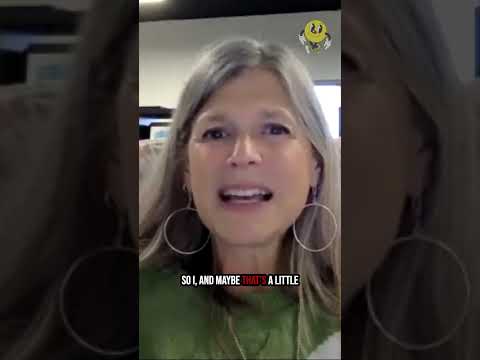
What Does A Public School Teacher Think of Homeschool Kids?
Ask about Ex-Homeschoolers Club
Episode Description
Former public school teacher turned world traveler Patti Hunt joins Jacob to unpack what teachers really think about homeschoolers, why she eventually wished she homeschooled her own kids, and how road-schooling families are reshaping modern education. Patti also shares her journey from the classroom to RV life, and the powerful lesson that pushed her to stop waiting and start living.
*Key Points* - What 20 years in public schools taught her about kids, parents, and the system - Myths homeschoolers believe about public school — and what’s actually true - Patti’s honest experience growing up in Philadelphia’s school system - How teacher bias shows up in classrooms (even unintentionally) - Why she now believes homeschooling can be powerful...but not for everyone - Patti’s transition from teaching to entrepreneurship to RV travel - The road-schooling families she met and the hilarious moment she told one she was a public school teacher - The urgent lesson from her mother’s final days: don’t wait to live your life - Practical encouragement for parents who feel guilty about their choices
*Connect with Patti* - YouTube: @InspiredTravelsPattiHunt - Podcast: https://open.spotify.com/show/10YFZMzAmwA305cI4W5Db5?si=1a0d269337d44814 - Instagram: https://www.instagram.com/inspiredtravelswithpatti/
If you enjoyed this conversation, be sure to subscribe, leave a review, and share it with a friend who might benefit from hearing this story. Follow Ex-Homeschoolers Club on Instagram and TikTok for updates, and send us a message – we’d love to hear from you!
Instagram: https://www.instagram.com/exhsclub/ TikTok: https://www.tiktok.com/@exhsclub Email me at [email protected]
*Timestamps* 00:00 Introduction and Welcome 00:21 Meet Patti Hunt: A Journey from Teaching to Traveling 01:43 Patti's Teaching Career: From Business to Education 04:28 Homeschooling vs. Public School: Myths and Realities 13:46 Parental Involvement in Education 16:28 The RV Life: From Classroom to Open Road 19:21 Road Schooling: Educating on the Move 22:00 Parental Guilt and School Choices 22:26 Homeschooling Success Stories 24:11 Rethinking College Education 26:41 The Value of Hands-On Learning 28:53 Exploring the United States 33:47 Encouraging Spontaneous Travel 39:12 Final Thoughts on Parenting and Education
Read the full transcriptHide the full transcript
- What do public school teachers think of homeschool kids? We're going to find out
- on today's episode of the Ex Homeschoolers Club. I'm your host, Jacob Gooden, and uh if you're new here,
- welcome in. This is the Exhome Schoolers Club, where we talk about the good, the
- bad, and the ugly of growing up a homeschool kid. If you're a returning uh audience member, welcome back. So stoked
- to have you. Today, I'm joined by my lovely friend Patty Hunt, and uh I'm so stoked to talk to her. She was a school
- teacher for 20 years. Is that right, But Patty? >> Yes. >> Yes. >> Okay. 20 years. And uh and then she
- ended up uh doing the RV life thing for a couple of years and now she is a traveling she's just like kind of a
- little bit of a nomad um and travels around the world and shares her experiences. We know each other because
- well I produce and edit for your podcast and some of your other stuff. But with all that, Patty Hunt, welcome to the Ex
- Homeschoolers Club. Thank you so much, Jacob, for having me. I'm excited to be here.
- >> I'm excited to have you. It It's really cool. I getting to know you has been such a fun experience. We met in
- Orlando, Florida a couple years ago at a podcasting conference and you said something to me like I it was one of the
- last days we were there. You were like, "We are going to work together on something. I don't know what it is, but
- it's going to happen." And not long after that, I became your editor, producer, and we just have stayed in
- touch and done some really cool stuff together. So, if you want to check out anything Patty's got going on, Inspired
- Travels with Patty on YouTube, Instagram, podcast, all that kind of stuff, go check it out. There'll be
- links down in the show notes below. But Patty, let's talk about you being a public school teacher. So, you were a
- school teacher for 20 years. First of all, how did you get into that? Did you know that that was the career path you
- wanted to go down? No, no, not at all. I um I decided when I was young that I needed to go to college, have a career,
- and then I'd be able to retire and be financially set. That was the goal. I grew up in a home where college wasn't
- something any of my family did. Nobody had gone to college. But I just knew having grown up in a home where money
- was always a struggle that um education, college was so important and that was the way to have success and be
- financially set. And so I went to college. I actually a lot of people don't know this but wanted to be a
- doctor. So I was sort of you know in that beginning stages and I started college at 17. I graduated high school a
- year early and I took classes and one of my first classes was anatomy physiology
- at 700 a.m. and I don't think I was ready for college. I wasn't ready for getting up early in the discipline but I
- made it through. Um what anatomy physiology taught me was I might not be cut out to be a doctor. So, at that
- point, I decided, like a lot of people, to just get my business degree. Um, and that's what I did. I got my business
- degree and all my electives, every other class that I could take that I had an option was in psychology. I love
- psychology. I love knowing about people, how they thought. And so, I ended up with a degree in psychology as well as a
- business degree. So now fast forward, got married, had kids, and decided that I wanted to spend more time with my
- kids. Um, I loved working with children. And so I went back to school and got my
- master's degree in education. And it started out in elementary education, which I quickly realized was not for me,
- and then I went into middle school and finally high school. >> So you kind of did a little bit of the
- gamut, it sounds like. You said elementary and then junior high and high school. So like in the younger years
- it's more of like you kind of teach everything, right? >> So the elementary level you teach
- everything and that was where my init education was was an elementary education and I didn't like teaching
- everything. English wasn't my thing. Math wasn't my thing. So I wanted to really focus on biology. Let me tell you
- some of the myths that I think homeschool kids believe about public schools. So, one, and maybe not just
- homeschool kids, but I think homeschool families kind of have this little bit of
- a negative view of the public school system. And I'm a little bit of an exception. I went to public school for
- two years, and the reasons my parents pulled me out of school had more to do with the schools in the area not being
- up to snuff with what they wanted for their kid. My mom was like, I think I can actually do better here. But they
- weren't against public school. So I never had that indoctrinated into me. But I grew up with kids who were like
- public school is for is like is evil. It's indoctrinating. It's you know it's it's a inferior product to what my
- parents are doing. And so I wonder like can you crack that myth at all for us or
- like lay out maybe maybe it's quite not quite as bad as people are making it out
- to be in the public school system? This is a tough one because I think we could uh start a lot of kind of reactions from
- people. Let me just say I grew up in Philadelphia. So, while I wasn't in the city of Philadelphia, I was in the
- Northeast, a little bit different an area for those of who who aren't familiar. And I was in public school in
- Philadelphia. And it it didn't do a great job for me. I it really didn't. And it was a very negative experience
- for me. I'll be totally honest. I was actually sick all the time. So I missed a lot of school. And while maybe there
- was the support, I didn't feel supported. I felt left out. I felt left behind. I felt like I wasn't capable. So
- I don't I think the public school on the other hand I think schools do the best that they can do and the bottom line is
- it often comes down to money. What are the resources available? And and that's kind of sad. I
- let me just say this. If I had to do all over again I would have homeschooled my
- kids but that would also be based on their personality. what would work for them because each
- kid has an individual personality, individual needs. And I think when kids are going to elementary school, it's not
- like you could ask a first grader, hey, do you want to stay home and do school or go to school? That's not necessarily
- something that you could do. But I think that knowing their options as a parent is a great thing to know. So going back
- to your question about public schools, I I think that they are failing in a lot of ways. I was very frustrated with
- public schools growing up seeing my kids in public schools. Some of that was very
- frustrating as you know. So I do think there are and as a teacher definitely saw the downside of it. I worked in a
- school district that was a very low income school district. So a lot of the students I were work I was working with
- were at risk youth. I loved doing that but again lack of funding, lack of having coaches and counselors and the
- things that those students needed was definitely missing. >> Yeah. No, I to I totally align with
- that. I recently had a conversation with a cousin of mine who she's a current second grade school teacher and that was
- she was mentioning very similar things of like when the funding's not there things get worse and it becomes much
- harder. She also works in an integrated school. So there is no special education
- programs. Those kids are in the classrooms as well. And so you have this mix that like you said like kids,
- we can be very individualized with the way that we learn. And that I'm sure is hard when you're teaching a classroom of
- 20 plus kids, sometimes up to 30 kids. Like >> yeah, from that perspective, I definitely understand the argument for
- like homeschooling. I think one of the other fears that comes from the homeschool world is also like what is
- being taught in the school systems and this like I grew up in a religious homeschool environment. So there's a lot
- of this talk of like indoctrination happening in schools which based on my experience and based on now
- knowing a bunch of school teachers I'm like they're just there to teach a textbook that the state has provided for
- them. Is that pretty accurate? Like I don't know that there's necessarily a whole lot of indoctrination happening.
- >> Think about it. So we're human beings. I taught in a school district where the
- students, the parents were religious, you know, Christian religion most mostly. Um and and that's fine. That's
- okay. But here I was teaching science, life science. So now you get into the question of evolution. And so while I
- tried to just teach by the textbook and that is something I did because everybody's individual belief is their
- belief. I'm not there to change or talk about religion or any of those things was not what I wanted to talk about. But
- you know teachers are human beings. They're individuals. They're kind of belief system
- probably plays into things to some degree. And then there are teachers who will fullon give their opinion, give
- their thoughts, give their belief system, you know, whether it's an English teacher reading a book and
- giving her belief system about whatever it is, that's going to happen. That is absolutely going to happen. You know,
- even a a gym teacher comes into class and he's overweight. what that teacher believes
- may pour out. So yes, you that you have that happen. >> So I am also curious at this point in
- your career, how familiar were you with like the homeschool movement and like was that
- something that you knew about? Was it just kind of a like, oh that's like on the fringe kind of a thing? And you said
- that if you could go back and do it differently, you would homeschool your kids. But like they it seems like either
- went to public or private school. So I don't know what what was what was your thought on homeschooling at that point?
- >> So my kids were all public school. Uh we lived in really good school districts.
- That said, you know, that means so much. It's not like they're quote unquote good
- school districts and everything's perfect. At the time my kids were growing up had some conversations with
- people that did homeschooling and I was very curious and one of the thoughts that came to mind was well I can't teach
- them everything they need to know. So my belief system was if I'm going to homeschool I need to know it all. the
- English, the math, the science, the social studies, all of it. And I knew I wasn't capable. But I had talked to
- somebody who was homeschooling her kids and they had a whole community of people
- that got together or they had, now this was back before computers and online courses and all of that. So they had one
- parent that they go to a house and she would teach certain topics and that's how they kind of taught their kids all
- of everything. But as my kids got older and seeing each of my kids struggle in a
- different way. I have three kids. Each one of them struggled in a different way. And I think every kid has some
- struggle. I don't think that, you know, you have a kid that just excels at everything and everything's perfect
- because if that's the case when they get out in life, that could be a rude awakening. And so I just thought that
- being able to give them the experiences, get them out of a classroom, not sitting
- behind a desk for long periods of time, I really truly believe that that is, in my opinion, a better way for kids to
- learn. It's just what I've come to believe. Now that said, should all parents homeschool their kids? Does all
- are all parents able to be home with their kids? Cuz when they're young, it's not like you could go out and do a job
- and leave your one, you know, your first grader home being homeschooled. So, it isn't for everyone. I wouldn't want a
- parent to feel bad if they can homeschool their kids. I have three kids and five grandkids, and none of my kids
- right now are thinking about homeschooling in any way, shape, or form. And it is probably for the best
- that they and their kids are in public schools. You know, it's it's not for everyone and nobody should feel bad
- about the choices they make. >> My philosophy on it has always been like be parents being involved and included
- in their child's education of like what are they interested? What is your kid interested in? what like and this
- was something when I was like I don't want kids but when I thought about okay if I did have kids what kind of dad
- would I want to be those types of things I think about like the level of involvement I want in my kids' life
- right and that becomes like this like okay hey like I would want to do this I would want you know my dad really leaned
- in when I was interested in like learning about his the history of wars you know and so it was like he leaned in
- with that with me and so we would go to the museums and we would go. We watch the movies and we read the books and we
- whatever. I believe that even if I had been in public school, he would have done the same thing. Like he just would
- have been like, "You're interested in this. Let's like full-fledged let's go kind of a thing." And um and so to me,
- I'm like I think even if you can't, like you were saying, even if you can't homeschool your kids, there's a level of
- like be involved in your kids's education to understand what is the things that make them tick. What do they
- like to learn about? It's like you you cultivate a wanting to learn and just this like desire to always be learning
- things and that will take you I think way further than any any education ever will because if you want to learn it,
- you'll figure it out eventually, right? >> What you're saying is so true. So for
- parents whose kids are going to public school, they're leaving the house every day, they're going to school. I think
- absolutely what you said, take an interest in what they're doing, obviously. And then go find things. If
- it's war museums, go do that. My one grandson loves to bake. Do that with them. It's education. You are teaching
- them skills. So, you don't have to make it like, okay, we're we're cooking today
- and I'm going to teach them fractions, but you can incorporate those things when, you know, my grandkids are
- learning to read, showing them the ingredients, showing them the words, reading it to them, pointing out like
- this is the cake mix. They're going to learn that word very quickly, >> right? It doesn't have to be we're gonna
- sit down now and you're going to learn how to read or I'm gonna educate you. It doesn't have to be that. Let them see
- different things to some degree. Let them make some choices. Let them try different things. I think that is
- absolutely part of it and is an add-on to the education they're getting. >> Absolutely. I want to pivot just a
- little bit and go into let's talk about traveling a little bit. So you when I met you, you were living in
- an RV and traveling across the United States of America. So can you tell that story? How did you get from like, okay,
- I'm a school teacher to now like, okay, now I I've left everything. I've downsized my life and now I'm living in
- an RV going across the the consecutive 48 United States. What was that like? >> And I'll I'll give a quick story to
- that. Years before the RVing thing, I was teaching, as I said, in a school district with at risk youth, I had been
- sent for training to mentor students, and I was mentoring my students. And that to me, I I enjoyed that more than
- the actual education. You can't educate a kid. You can't help them learn photosynthesis if they're worried about
- where they're going to sleep that night or whether or not they're going to eat. And so for me, I wanted to support them
- as best I could. And the school district would say, "Well, you can't take your time, your own time to do that because
- it's not fair to the other teachers because they have to do door duty or cafeteria duty." And it just became
- frustrating. So I ended up quitting after 20 years. I just quit. I said, "Okay, one more year and I'm done." And
- then I got into other other things, other businesses. I became self-employed. Um, and so after moving
- to Las Vegas and COVID hitting, that's where the decision to go in an RV and travel came. My husband just said, "Hey,
- let's just travel across the country. Let's go in an RV. Let's sell it all." And I just got to a point where I said,
- "What the heck?" And just I am not that spontaneous a person. Like I need a plan. I need to know what it looks like,
- what we're going to be doing, how this is going to work. And with very little plan, we did. We decided to just hit the
- road and see things that just I never saw as a kid. I never could have imagined.
- So that's how the whole travel got started. >> Yeah. I think I think co gave a lot of
- people that courage I think to do something that they had been putting off for a while or that they had talked
- about doing and it was just like well we're just at home anyways might as well just like for you was sell everything
- and move into to like what a 45 foot RV something like that and and drive across
- the country that's that's wild that was like I mean meeting you and Dan I was like I don't know how people could do
- this like I just I don't I don't know that I have that bone. I love traveling, but I don't have that bone in me. Um
- yet. We'll put put an asterisk on that. Um, but so one of the things that when when
- uh you and I met and we were talking and and you found out I was homeschooled, you you brought up to me road schoolers
- and meeting these people along the the way who they travel with their kids all throughout the year and they road school
- their kids and uh and you have this funny story about one of the families you met. Would you mind sharing that? I
- met a woman who lived with her four kids and they were ranging in age from like 10 up to teenager and they lived in a 45
- foot fifth wheel. So those of your listeners who don't know what a fifth wheel looks like, Google it, look at it,
- think about yourself, your husband and four kids first of all in that kind of space. And so she and I just connected
- and we were talking and she was telling me how she road schools her kids and I was really interested in asking
- questions and she said, "You know, sometimes my youngest just doesn't want to read. He's not the best reader and I
- don't know what to do." And she was, you know, feeling I could sense she was feeling bad about herself. And so I said
- to her, I said, "I get it. I was a public school teacher for 20 years and she physically took a step back. She
- took the step back and I'm like, "No, no, no. I'm not." Because I know she felt like I was judging her and I said,
- "No, I'm not judging you. I think what you're doing is amazing." She was trying to work with each of her kids
- individually, figuring out what they needed, how to give them what they needed. And I then said to her, "Your
- kid," and again, I don't remember how old he was. He was young, but a lot, and I'm putting this in air quotes, a lot of
- kids at the age her kid was is starting to read, and he wasn't. And the problem is, as parents, we're comparing. We're
- comparing, well, my kid's five and all the other kids are reading and mine isn't. Well, that's not true. It's even
- like within a household. My one grandson who's now nine was reading very quickly
- at a rather early age and he just got it and started reading. The six-year-old now is not reading quite so fast, but
- he's getting it and he will get it. And I said to her, listen, I think what you're doing is amazing. I wish I had
- done this with my kids. And we had a whole conversation around it. And the I think the point here is I wouldn't want
- anybody to feel bad. I think parents are always feeling bad. You put your kid in
- public school, you hear about homeschooling, you feel bad, you feel guilty. Maybe that's what I should be
- doing. You take your kid out of school, you homeschool them, and you think, "Wow, maybe they're missing out. Maybe
- they should be in public school." It's you you have to do what you feel is right for your kids. And as parents,
- we're not always going to get it right. We're going to screw some things up. That's just part of the job. It's part
- of the job description. But she and I had a great conversation and I think she felt a lot better after we spoke.
- >> I I like what you had to say there because it was like my my mom had this philosophy of like, okay, if I
- homeschool my kids and I choose to do all the way through cuz so for me it was second grade through high school. My
- sister went all the way through homeschooling. Um and her goal was always can they get into college at the
- end of it? if they're smart enough to get into college, I've succeeded. Um, you know, they they can read, they can
- write, they can do math, they can they understand science, kind of a thing. And um, and I had a different homeschool mom
- on the show and she was sharing something similar of she's like to to your point of like my kid was struggling
- to read, but eventually it clicked. Yeah, it was maybe two years past everybody else, but it was like it
- eventually clicked with them, but it just took time to get them to that thing. I think for a long time I held
- this like oh well we're all like at the same grade level very traditional public
- school kind of mindset I think in my head of just kind of this like we're all at the same level we can all do the same
- things kind of a deal and uh and the older I've gotten the more I've realized I'm like no we're just like all at these
- different levels in our life >> and eventually they'll level out or someone's going to surpass me and that's
- cool and then like I'll surpass them in other ways and it's like it's not a competition it's just a that's part of
- life we all are always learning um new things and and getting better with with our skills. So, I hope that homeschool
- parents are encouraged by that that story for sure. What have you said? Like, so being on
- the road and then now meeting all these families, what what how has that changed
- your perception of homeschooling at all? Like what what what's changed there? >> So much has changed there. And if I can,
- I'd like to go back and address the whole idea of college. When I was growing up, I thought I have to go to
- college, have a career, I could retire. Told that story. When my kids were young, my kids are older. When my kids
- were young, I used to say, when you go to college, when you graduate high school and you go to college, because to
- me, that was the only option. Well, over the years of me quitting the job, I mean, I had my have my masters and I
- went on to get 45 additional credits because I was working toward my doctorate degree. And you know, that was
- the belief when you go to college. Well, years later, probably 10, 15 years ago,
- I realized that college isn't necessarily for everyone. Look, if you want to be a doctor, a brain surgeon, a
- lawyer, obviously there are a lot of things that you may choose to do that college, absolutely you're going to
- need. But does every student need to go to college? I no longer believe they do.
- I just had lunch with my three kids, five grandkids, their spouses, and my daughter said, you know, she finished
- college. She feels like she barely made it through, but she did. graduated after four years
- and she said I wish I hadn't gone to college. She said I don't know that that was what I needed to do. Now life
- changes so you never know. Co hit she was a preschool teacher. She had her education degree and you know during co
- she was like no I don't want to do this anymore. So she ended up getting a great
- job that she loves that has doesn't really have anything to do with her education. So, a lot for me has changed.
- Whether you choose to homeschool your kid or send them to a traditional school, knowing that kids have options,
- I think more important or as important as learning math and science and, you know, literature and and social studies
- and all those basic things that you're taught. I think as important is letting your kid know that what they want to do,
- what they would like doing because a job does not have to be, well, this is the 9
- to5 place. I go 5 days a week, I get a couple weeks of uh vacation and gear and I just struggle through till I retire. I
- totally don't believe that anymore. And I do see where homeschooling teaches that, especially people on the
- road showing people. I I met a couple early on. They were in a um an SUV. It was the husband, the wife, and two kids.
- They had driven from North Carolina out to Las Vegas. And they said their kid was on the, you know, on Zoom learning
- about the Grand Canyon. It was during COVID, so they were home, you know, they were learning by Zoom, right?
- >> She said, "I just told my husband, we're getting in the car and we're driving
- across the country and showing it to him." And that's what they did. She said, like the handson. And I see that
- all the time. I see that with all types of education, whether it's seeing the country, learning about the world,
- learn, there's so much you've learned by getting out and doing, as well as learning how to get along with other
- kids, make friends, deal with situations. There's there's a lot there that I see just such a incredible,
- you know, just incredible value in homeschooling kids, whether you're traveling full-time in an RV or you're
- doing it at home. >> I always think about like I loved Revolutionary War history. Like I just I
- love understanding the founding of this country and what we fought for. I think it's so fascinating to me. And so when I
- was in high school, I got the opportunity to go to Boston and it was like a church trip. So I was just there
- with friends and I was geeking out the entire time. Every every building is historical in Boston, Massachusetts.
- Like everything has some piece of history tied to it. And so I'm geeking out the entire time and I'm telling
- people all these like they're like it was like having a tour guide with us because there's Jacob in the front of
- the group being like, "Oh, did you know that that chapel yada yada yada yada, you know, and that's the one and you
- know all this kind of stuff." And um but it was it was like seeing it in person like reading it in a book and seeing
- pictures of it in a book is like so different than actually like yeah walking the streets of it. And so I
- wanted to ask you in your time in the RV traveling across the United States, was
- there anything that you guys stopped at that you were like that you learned maybe a piece of history that you were
- just like, "Oh my gosh, this is amazing." And I would have never known this or maybe you did know it, but you
- got there, you're like, "Seeing this in person, just totally different. I love this." I think for me and again I wasn't
- a big history person at all and I didn't do well when I was young just learning information. So when I had to learn
- about certain things in history and dates and people that was my worst. There was nothing for me to tie it to.
- It was just this just bunch of information. And so being able to travel across the country and see certain
- things that I can't remember if there's something history-wise I do know I always called myself geographically
- challenged. So I live on the east coast in Philadelphia. I know some of the states in and around the east coast. I
- know where California is, but I didn't know like where certain states were anything about them. So traveling across
- the country and learning about states and there were a lot of things that I learned along the way that was like, "Oh
- yeah, that was what they were talking about in school." And I can't remember an example, but I remember thinking,
- "Oh, that's what they talked about in school." Duh. It was almost like simple, easy. And even just having lived right
- outside Philadelphia in Philadelphia and then outside of Philadelphia for most of
- my life, you take for granted all that Philadelphia has. You know, again, you learned about it in the book. As you
- know, when I think I was in elementary school, they took us to see the Liberty Bell and I was young and I was like,
- "Okay, who cares? I couldn't have told you anything about it." and then getting in the RV and there not being that
- pressure and there not being that okay now this is what we have to learn today like it almost being forced and I hate
- to say that about public school but here's the things you need to know and remember and regurgitate and it's just
- not that way when you're homeschooling and certainly not that way with most people traveling and learning.
- I was going to ask, so did you have you done all 48? Have you done all 50 states?
- >> No. So, okay. Um, no, I definitely need to get to Hawaii. >> How How close Okay, so we have Hawaii.
- So, we're missing Hawaii, but how close are we? >> So, of the 48 states, I think the last
- time I counted was 28. >> Okay. Okay. >> I have recount, but I will say, now this
- is an RV thing. There are maps. You can't see it, but I have a map and I fill in the sticker of the states that
- I've been to. And the thing is RVers biggest, one of the biggest um debates is when you get to put the sticker on
- the map. So, do you just pass through the state? Did you stop? So, there's debate. So, I have to go back and
- recount and then think to myself, what is it that counts as having been to a state? For me, it's a memory created.
- For some RVers, it's Oh, you have to stay there overnight. So, different people have different things. So, it's
- probably over 28, probably 30 something. >> Do you have a favorite? >> So, it depends on what I was looking
- for. One of my favorite states is Oregon. Um, I love Tennessee. I went to a little town and we talked about it
- called Bonqua, Tennessee that I think you didn't even know where it was. >> I had no idea that that even existed.
- Yeah. It's like I think about an hour, 45 minutes, something like that outside of Nashville. So,
- >> yes. Yes. And it's just there were different states in different areas that I loved for different reasons. I love
- Florida because I love Disney, you know. Um each area has something to offer. So
- now you're off the road, but you're still traveling. We I mentioned Inspired Travels with Patty and one of the things
- aside from I mean so your show I mean you you talk with people who travel all different ways. You had somebody on who
- was who lived in a boat for 6 months like you fly and people go by trains and travel with their kids who are have
- autism and you had me on and we talked about Nashville and just like going doing stuff in your backyard and things
- like that. But you interview these people who talk about trips and travel and those types of things. What have you
- got coming up? Any fun trips on the books or maybe they're not maybe they're not scheduled yet, but you're like,
- "Okay, I'm working on this thing. I want to go do I want to go do this experience?"
- >> So, for me, what I have coming up and again, my whole idea of encouraging people to travel is I just want to
- inspire people to live life fully. And I think that you get so much whether you take a walk in a park near your house.
- So that's the whole idea behind what I do. I have been asked over the last four years about going to the Keys in
- Florida. There were two years that Dan and I had planned on going and we never got there because my mother got ill,
- then he got ill. And last year I said, "Okay, I'm going to the Keys in Florida. I was invited to go. I just need to get
- there." And so this year I am definitely going to the Keys. Not planned yet. I do
- a lot of last minute plans, but definitely will be going to the Florida Keys. I'm excited about that. In
- January, I'll be back in Tampa for the Tampa RV show. And then we met at Podfest in Tampa after after that show.
- It actually is at the same time this year. Um but that is planned. And you know, I just want to keep myself open.
- Travel to me is just the most amazing, you know, it's just just want to do lots of it. So, I will be making more and
- more plans for travel. >> Yeah. I think one of the great things like now living on the eastern side of
- the country is the closeness of states. Like if I want to go to a different state, it's not that long for me to go
- up to Kentucky. It doesn't take that long to go to Arkansas or Georgia or anything like that. And I know
- Pennsylvania is that way, too. Like, you could get in a car and be in a different
- state in a couple of hours. Um, growing up in California, I mean, granted, you go to Northern California, it is not the
- same as Southern California. However, you're still in California. Um, and so I think that's something that now
- as I've gotten older, I've started to appreciate a lot more of just like, oh my gosh, I can go anywhere in just like
- a few hours and like not be in the same state, totally different vibes cuz states do
- have this completely different vibe. It is >> I don't unless you've experienced it, I
- don't like it is it is such an interesting thing to like just cross over the border of a state and stop at
- the first town and it be like this is completely different than the than the previous state. Um yeah. So okay with
- that traveling I know your big thing like you said is encouraging people to just get out and travel. What what has
- helped you get in that that mindset to be like, "Okay, I'm just gonna do this. I'm not I'm gonna" Because a lot of
- people, you and I talk about this all the time on the phone of like, "We do this. We'll put it on my bucket list.
- I'll It's It's down the line. It's down the line. It's down the line." And eventually I'll get there. What has
- gotten you to the point where now you're like, "Okay, enough with the waiting. Like, let's actually like just pull the
- trigger. We're doing the thing." >> Because life is too short. People hear it all the time. People hear that saying
- that I say all the time, live life fully every day. You never know. And I don't say that for people to be afraid. I say
- that for people to really stop and say, "Okay, what is something I could do?" Because, you know, my husband a year and
- a half ago at 64 ended up in long-term nursing care. um years before that you know I've lost
- people people that have suddenly passed I I one of the big things is sitting with my mother now she was 87
- she had three children three grandchildren saw two of them married she has five great grandchildren
- and while we sat there basically on her deathbed she talked about all the things
- she regretted not doing So, if any message that I could get out to anyone is about not having regrets, and I think
- a lot of times people put things on their bucket list, going to Alaska, going to Hawaii, I want to go to Italy.
- I want to travel. You put it on your bucket list and you say, "Well, I don't have the money. I
- can't do that. I'm waiting for the perfect time, the perfect person to go with." Start small. We all have the
- ability to go explore the little town. I I visited a town 20 minutes from here. 20 minutes from my house. I felt like I
- stepped back in time. It was like started in 19 whatever early and I felt like I stepped back in time
- and just spent hours there listening to the waterfall. Just a beautiful that's travel to me. It just got me out of my
- everyday. And everybody can do that. I don't care how much money you have. I don't care how much time you have, the
- lack of planning. It doesn't matter. Just go do those things and that'll lead to what's next and how do I get to that
- next thing and that next trip. And so that's that's what it's all about for me. >> I love that. I love that. You and I, I
- think, share much of that philosophy of like it doesn't take Yeah. It doesn't take going far to find something fun to
- do that you've never done before, literally in your own neighborhood. So, I love that. Patty, is there anything
- we've missed in our chats about public school, homeschooling, road schooling, travel? Is there anything else that we
- need to leave the people with? >> I I just want to leave people with especially parents, go easy on yourself.
- And again, I'm going to reiterate. Nobody gets out of parenting without screwing some of it up. We are doing the
- absolute best we can. I think to myself, if I could go back and do it again, these are the things I do different. I'd
- look at my grandkids and think, "Oh, this is what I would do." We are doing the best we can. Cut yourself some
- slack. Every day is a new day. And do what feels right for you and your kids. what other people think is none of your
- business because a lot of times we're thinking about what someone else thinks of us and they're not even thinking
- about it. They have their own lives. They're dealing with their own stuff. So, don't worry about it. And that's
- easier said than done. It takes practice. But when it comes to your kids, look at what your individual kids
- seem to want or need and try and do that the best that you can. I love that. All
- right, with that guys, go check out Patty on Inspired Travels with Patty. I highly encourage checking out her
- YouTube channel, mostly because I produce that. But, um, but go give her some love, some support. She's a brand
- new show and, uh, we talk all about travel. So, if that's something you're into, go subscribe to that. Hopefully,
- you have enjoyed the show. Do all of the internet things that you know how to do
- on my show. Leave a like, leave a comment, leave a subscribe. All of the things you you know what to do, okay? I
- don't have to tell you. Uh if you've got any questions or you want to reach out to me, exhclubgmail.com.
- And uh with that, Patty, once again, thank you so much for coming on the show and sharing your uh public school
- teacher knowledge uh and your travel knowledge with us. And uh yeah, until next time, we'll see you.
Brief Summary
Patty Hunt discusses public school experiences, homeschooling myths, and the value of travel-based education.
Key points
- Exploring Public School Myths. Patty discusses common misconceptions about public schools and her own experiences.
- The Decision to Homeschool. Patty reflects on her choice to homeschool her kids and the challenges involved.
- Life as a Road Schooler. Patty shares her experiences traveling in an RV and road schooling her kids.
- The Value of Homeschooling. A conversation about the benefits of homeschooling and personalized education.
- Traveling and Learning. The importance of experiential learning through travel is discussed.
- Living Life Fully. Encouragement to embrace life and travel without regrets.
Episode highlights
- Exploring Public School MythsPatty discusses common misconceptions about public schools and her own experiences.“I think homeschool families have a negative view of the public school system.”4:36Dec 6, 2025
- The Decision to HomeschoolPatty reflects on her choice to homeschool her kids and the challenges involved.“If I had to do all over again I would have homeschooled my kids.”6:31Dec 6, 2025
- Life as a Road SchoolerPatty shares her experiences traveling in an RV and road schooling her kids.“Let’s just travel across the country. Let’s go in an RV.”18:08Dec 6, 2025
- The Value of HomeschoolingA conversation about the benefits of homeschooling and personalized education.“I think what you're doing is amazing.”21:46Dec 6, 2025
- Traveling and LearningThe importance of experiential learning through travel is discussed.“There's so much you've learned by getting out and doing.”27:30Dec 6, 2025
- Living Life FullyEncouragement to embrace life and travel without regrets.“Life is too short. Live life fully every day.”36:50Dec 6, 2025
- Inspired Travels with PattyCheck out Patty's new travel show on YouTube!“Go check out Patty on Inspired Travels with Patty.”40:30Dec 6, 2025