What Happens When Homeschool Kids Finally Enter the Real World?
Ask about Ex-Homeschoolers Club
Episode Description
Want to be alerted when new episodes drop? Join the newsletter: https://exhsclub.beehiiv.com/
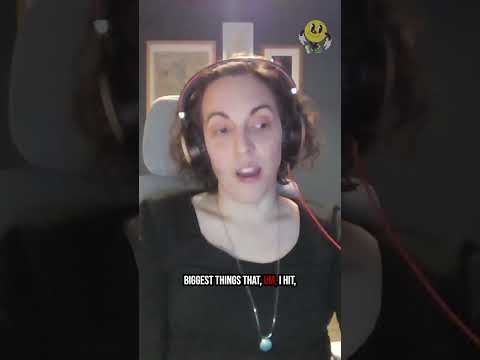
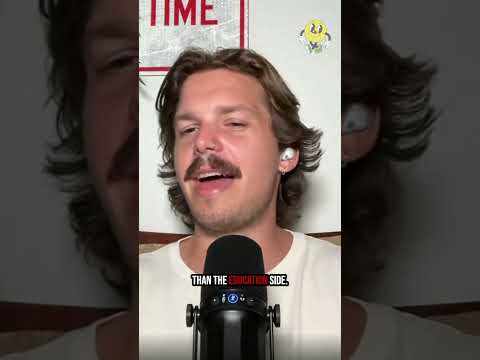
This week on the podcast, I sat down with Jaycie to unpack what it was like growing up K–12 homeschooled in a deeply religious environment shaped by ACE curriculum, church culture, and isolation. From role-playing public school in her bedroom as a kid to struggling with depression and culture shock during college, Jaycie shares an honest look at how homeschooling shaped her relationships, faith, and transition into adulthood.
*In this episode, we covered:* • ACE curriculum often prioritized religious ideology over deep academic learning • Homeschool isolation can make transitions into adulthood and college extremely difficult • Many homeschoolers develop strong self-teaching and research skills • Fear-based religious messaging can make social connection feel unsafe • College became both liberating and emotionally overwhelming • COVID gave many former evangelicals space to reevaluate faith and church culture • Public school and homeschooling both have tradeoffs, but involvement from parents matters most • Creative freedom and independent learning were meaningful positives from homeschooling
*Chapters* 00:00 Welcome to the Ex-Homeschoolers Club 00:35 Jaycie's Homeschool Rundown 01:36 ACE Curriculum Breakdown 03:09 Pros and Cons of ACE 09:45 Church as Social Life 11:02 Moving Missouri to Texas 13:59 Senior Year Depression 16:35 College Culture Shock 26:39 Gods Not Dead Mindset 30:23 Dropping Out and Marriage 32:50 Faith Shift During COVID 36:49 Homeschooling Reconsidered 40:22 Choosing Public School 44:33 Art Career and Reading 50:40 Cringey Co Op Puppets 53:04 Wrap Up and Goodbye
If you enjoyed this conversation, be sure to subscribe, leave a review, and share it with a friend who might benefit from hearing this story. Follow Ex-Homeschoolers Club on Instagram and TikTok for updates, and send us a message – we’d love to hear from you!
Instagram: https://www.instagram.com/exhsclub/ TikTok: https://www.tiktok.com/@exhsclub Email me at [email protected]
Read the full transcriptHide the full transcript
- What is good my ex-homies? It's your boy Jacob Gen. We're back for another week in the exhomechoolers club. And uh I've
- got another I've got a brand new uh ex-h homeschool friend in the clubhouse today. Uh Jaci is joining us and she's
- going to share her homeschool experience. I don't totally know where the conversation is going to go yet, but
- that is aokay. Um, so all that being said, JC, welcome to the Ex Homeschoolers Club. So stoked to have
- you. >> Thank you so much, Jacob. I'm super excited for our conversation. >> So tell me a little bit about your
- homeschool experience. Give me give us kind of like the rundown, like how long were you homeschooled, where were you
- homeschooled, siblings, all that kind of stuff. Give us just a little taste of of
- the homeschool life for you. >> Yeah, for sure. Um, okay. So, I was homeschooled K through 12, so all the
- way through. Um, I have an older sister and she went to kindergarten and half of
- first grade and then my parents pulled her out to homeschool and we just kept going. Um, then I have a younger
- brother, uh, and he was homeschooled K through 12 as well. So, just very committed. Um,
- >> yeah, >> I grew up in the Dallas, Texas area and we kind of moved around a lot in that
- area. So, homeschooling kind of helped out with that. Um, then when I was in high school, we moved to Missouri and
- spent like three years there. And then my senior year of high school, we ended up moving back to Texas.
- Um, and for most of that time we did the uh the ACE curriculum or ACCE. Um, so that was a very like selfdirected
- curriculum. Um, I think other people have talked about it before, but it's like the um
- each grade, each subject is broken up into like 12 pieces, these like little workbooks, and you work on you have to
- finish all of those to finish that grade and that subject. And it's like very heavily focused on like you sit down,
- you you read the instructions, you do the work, and then you even like grade your own work. Um, so
- outside of that, we weren't like super involved in co-ops or clubs or anything like that. We tried a co-op for a year
- and then quit for reasons I can't remember. Um, and then I did Girl Scouts for like one year and then quit.
- Um, so really like thinking back on my homeschool experience, it was very like kind of isolated. Like
- we did the like sitting around the table and like our mom helping us when like we
- were really young, but I would say once we got into like middle school, maybe like fifth grade, it was very much like
- I did my schoolwork alone in my room. >> Yeah. >> And graded everything. So, uh, a little
- bit of a isolating experience, I would say. >> I feel like the ACES, the people who go
- through like the ACE curriculum, that is kind of, it almost feels like that's what it's designed to do is like keep
- you like isolated and give you, like you were saying, it's very self-motivated. Like, you can work ahead, you can get
- behind, like it's kind of all on you as the student to like work through uh those textbooks. I'm curious from a
- perspective now, like looking at it, do you feel like that curriculum was good, bad? Like I I I've heard like
- mixed things. Some people love it, some people hate it. Like do you think that it, you know, where do you sit with it,
- I guess, is the question there. >> Yeah, I would say it's not my favorite. >> Okay.
- >> Looking back, I think it has a lot of problems. Um, like a major one is that I
- feel like it was it it wasn't ever super indepth. So, I kind of feel like a lot of it was
- like the Spark Notes version of, you know, learning like in science or social studies. It would just be like,
- you know, a couple of pages of reading about a event or a subject and then you basically just like memorize and
- regurgitate facts. But we were never required to like do research projects or write papers or anything like that. So
- it didn't ever go like super in-depth. Um and then it was also like super super religious. So every every single one of
- those little workbooks had like a moral theme to it. If it was like honesty or um tactfulness or faithfulness or
- whatever, there would be like that that theme that it was also teaching you throughout the book and there would be
- like a memory verse with every book that you had to memorize and you were tested
- on it at the end. So, uh yeah, kind of felt like maybe the the religious aspect was kind of the primary thing and then
- the the educational aspect was secondary. Well, it's interesting because like I I didn't do aces and
- paces and stuff, but I when people describe it and even like when I've pulled it up and looked through kind of
- that curriculum, I it reminds me very much of Awana. I don't know if you're familiar with that at all.
- >> Yep. We were very involved in Awanas. >> So, like it to me it feels like the Awana like handbooks that you would like
- flip through. Um, but obviously with like like you were saying history or math or whatever, but just this like
- significant tie into some of it being religious, which I think is really it's kind of an interesting thing to think
- about people's curriculum being like hyper religious like that because I I obviously I had some Christian
- curriculums as well. science was very young earth creationistbased science and things like that. But there
- was a lot of other subjects like my math had nothing to do with religion. It was
- just like not even word problems were you know it's not it's not like asking like oh if Jesus multiplied the fish by
- x amount what is the number you know it's not stuff like that. It was just very like
- traditional math in a lot of senses. Uh even though the the company themselves is a Christian company. And so I think I
- never really thought about it until now connecting with so many other homeschool
- alumni that it's like, oh no, there is curriculum that is just 100% Christian values all the way through everything in
- it. And so you said you guys primarily use the ACES stuff. Did you ever switch it up and do anything else?
- >> Um, so I we did switch it up a little bit when I was in high school. It's actually kind of funny. Um, I was like
- super into like school and education and stuff and so I I think I kind of knew like this isn't like super rigorous and
- I think I wanted something more. So I like I went to my brother, my younger brother, and I was like, listen, we have
- to convince mom and dad to like look into a different curriculum. So I like researched and found some different
- things. And so I think we did something different for um like science and history in high school.
- >> You know what's so interesting about homeschoolers too? I feel like we are given this
- drive to like learn stuff and like to go find and seek out stuff because a and challenge ourselves in a lot of ways
- because like you were saying it's like super easy, not rigorous like and you're like I I need something more like you
- know so let me go do the research and present it to mom and dad. And I feel like that's such a like
- I I feel like that's a little bit of a true statement for me too of like my curriculum maybe was a little bit more
- rigorous than yours, but it definitely was like there was a portion of it that was me driving that like well what do
- you want to learn? Let's learn this thing or like I need something more, right? And so do you feel like that has
- also stuck with you as an adult where you're like, "Hey, when I want to know something like I'm just going to go like
- seek out that information." Yes, it for sure has. Um, and honestly, that's something that I feel like has kind of
- benefited me in my career. Um, like I feel like I've had employers who are like, it's just so great that you'll
- just like, you know, you're willing to just jump in and like learn whatever. It's like, right.
- >> Well, yeah. Doesn't everybody do that? Like that's just what I grew up doing.
- >> Yeah. Exactly. I in college, it was funny. My my first semester of college, we had a professor who was like, "After
- you finish this class, you're going to be an expert Googler." And I already kind of felt like I was to some degree
- because I was used to having to do that research of like whatever it is you want
- to learn because I mean, again, the homeschool environment, my mom doesn't know diddly squad about, you know, she
- has her area of expertise, right? And that's for her it was like English lit and things like that, but when it came
- to I was really into music and stuff like that, she she knew none of that. So like I had to do all my own research and
- find my own books and all that kind of stuff. And she encouraged that, but it was definitely like it was me. It was me
- driving that conversation. And so um yeah, I think it just carries for a lot of us on into adulthood and like you
- said, careers and stuff like that. going back really quick to kind of the younger
- years and specifically I wanted I want to ask you a little bit about like the move to Missouri and then back to Texas
- and you had already said like co-ops weren't really a big part of your guys' life but did you socialize at all or
- like what did socialization look like for you guys? >> Um socialization looked like church.
- >> Yeah. >> Yeah, that that's pretty much it. >> Okay. Um, so yeah, I like when I was
- like in middle school and high school, I lived for Sunday mornings and Wednesday
- nights. Like nothing else in the week mattered. It was Sunday school and youth group on Wednesday nights. And yeah,
- when we were younger, we were involved in Alana. Um, I even did we did like uh like a I was on like a Bible quiz team
- and we won first place at the Texas Bible Quiz tournament. So, I still have the medal from that.
- >> Hell yeah. Um, but yeah, it was mainly just church like and anything that even like the co
- the co-op that we were involved in and the Girl Scout troop I was involved in like anything extracurricular like that
- would have also been like Christian based >> I guess. How is the move then to Missouri? Cuz that's like that's a far
- distance to go like but I mean obviously you must have had some friends to some degree but was that difficult like
- considering maybe it wasn't? I don't know. I I guess I'm thinking about like some of my best friends. We met at Aana
- and I mean we were third grade maybe something like that and we were buddies all the way through the end of high
- school and beyond. Um and so moving away for them from them was like insanely hard for me. But I'm curious from the
- perspective of I guess a little bit more isolation like was it easy to move to Missouri and then come back or were was
- that tricky in of itself especially if it's only a year it's hard to make friends in a year.
- >> When I was living in Texas we also kind of moved around a lot within the Dallas
- area but different suburbs. I it was like every maybe like two or three years we would move and change churches. So, I
- had like good friends throughout my younger years, but it was kind of hard to like have those longlasting
- friendships. So, I was kind of like a little bit detached from people. So, I honestly I
- was like excited to move to Missouri for the potential of like maybe having some
- new friends or staying longer or maybe even going to school. I like really wanted to go to school.
- >> Yeah. >> Um but so we moved when I was a freshman in high school. >> Okay. >> And so we were there for like my
- freshman year, my sophomore year, and my junior year. And then the summer before
- my senior year is when we moved back. And that was way harder. >> Yeah. because we had like act we had
- stayed in Missouri for the three years in the same place going to the same church and I had like made some really
- good friends and it was like high school so I don't know I just feel like the friendships are different like you can
- go deeper than >> when you're little kids you know >> um so that was just like a lot more
- devastating for me >> so I wonder then like well I Let me ask you this then. So you move back to Texas
- to do senior year. Are is the goal then at like, okay, I'm going to turn 18 and then like I want to just get back to
- Missouri because that's where my people are or or were you like, okay, no, I'm going to like finish up here and then
- move on with career stuff or college or whatever that next step was. >> Yeah. No, for sure my main goal was to
- like get back to Missouri. I did kind of contemplate like when I was looking at colleges and stuff, I did look at one
- that was in Texas, but that was never going to happen. I was like, I had to get back to Missouri,
- back to my friends. I It was also just like so it was like a really hard transition because I was I was also like
- dating somebody and um he ended up breaking up with me like two days before I moved.
- >> Oh. So just the whole thing was like really upsetting. So >> yeah, >> my senior year was honestly I think one
- of the worst years of my life just because all of that happened and then it was like that whole year I was just
- alone in my room doing school and like watching my friends on Instagram like hang out with each other and do
- things and I didn't have any distractions from that. You know what I mean? Like it wasn't like I went to a
- new school and had to like figure out new dynamics or like worry about a test or
- you know anything like that. It was like no this this was the only thing I could
- focus on and it like consumed me. >> Yeah. >> So I really struggled with like I went
- through a long season of depression like just trying to figure all that out. Um,
- but I was like, I am going back to Missouri and I'm going to like just go back to my old life. Like I just wanted
- everything to be the way that it was before. Um, which actually like if that hadn't
- happened, I honestly don't know if I would have even applied to college at all because
- like a like I don't know about you, but a lot of the rhetoric that I had growing
- up was that like what public school is like evil and like going to corrupt you, you know. Um,
- but then college was also like not something that was like not actively discouraged but also not like really
- encouraged in my family. Like I don't know. My parents were very much like college is kind of a scam. Like
- you're just going to get in a lot of debt and like you don't really need it. like you could like teach yourself to do
- things cuz I was really interested in art and that's what I wanted to do as a career was go into like illustration or
- graphic design and they were like that's something that you can like like you have natural talent you can just teach
- yourself just like go into business for yourself but so that that was kind of something
- that I struggled with but I was like well college is the thing that's going to get me back to Missouri so I'm going
- to college >> I think weirdly I had almost kind of like an opposite reaction My parents are
- both college educated people and so I think for them they were viewing they always viewed college as like that's the
- next logical step and they were obviously supportive and we did explore other options of like does Jacob want to
- do a trade or you know he does he want to go into farming I grew up in California so like farming big deal
- there you know kind of a deal or like or I was into music so is he going to start
- a band and are they going to do that you know kind of a thing and so but college
- was definitely kind of I think always been on my brain as just kind of the logical next step. And I'm really glad I
- went because I feel like college is is a lot more than just the classes. It also
- for me was a lot had a lot to do with socialization. I moved uh to Illinois, lived right
- outside of St. Louis, Missouri. And so it gave me an independence that I had not really had before. And in my
- homeschool world, a lot of a lot of the homeschool people I grew up with just kind of I think struggled to launch a
- little bit. And so a lot of them would go to community college and maybe get stuck there for a number of years or
- even if they just did two years. But they I knew that for me if I had done that path, I was going to get stuck and I was
- just going to be in Ventura County for the rest of my life and work whatever jobs I could do. And you know, I just
- needed that out. And so that was that was a big push for college for me. Um, but when you talked about moving back to
- Texas and like watching your friends on Instagram and that kind of being your own thing, I do remember that struggle
- my freshman year of college of like seeing all my friends who were at home and they're hanging out with each other
- and their parties were happening and whatever. And I remember just being like, "Oh, I miss this." But thankfully,
- I had new friends. I had the college friends who could kind of distract me. There were definitely seasons where it
- was a little bit slim, but um yeah, so I just think that's kind of interesting because I I definitely relate to you on
- that aspect of like you and I come from the era of like Instagram somewhat being
- new. So it was like all of a sudden you you could see your friends that were a million miles away. Um but let's talk
- about college like and and getting into college and your like you obviously wanted to do art. Um, and so how was
- that transition into college and kind of for a lot of people it's that first step
- of that adulthood, right? And that independence from from under mom and dad's roof.
- >> Yeah, it's interesting that you mentioned independence, too, because I feel like that is
- something that I I just don't think that people realize that like homeschool students just don't really get like a
- lot of independence. Like I mean when I was growing up like outside of church camp every year like I
- was constantly with my family or my parents, you know, like even when we were like involved in the co-op or
- whatever, like my mom came to that and like was required to volunteer and stuff, you know, there just weren't any
- spaces where I got to be without my family or without my parents watching over me. Right.
- >> So, that transition was really hard. And I didn't even like go live in dorms.
- Like my sister, my older sister actually stayed behind. She didn't come back to Texas with us. She stayed in Missouri
- cuz she had already graduated. Um, so I was able to live with her cuz I was like, there's just no way I can live on
- campus in the dorms. That's totally terrifying. Um, so we like lied to the college and said that I was living with
- my grandparents, but I was actually living with my sister. Um, so yeah, it was really interesting.
- I at the really struggled with this tension all of my freshman year because I had
- wanted to go to school so bad when I was a kid. like I would role play um being in public school. Um like there was this
- private school that I really wanted to go to when I was a kid, but it was too expensive. And so one year I made my mom
- buy me like a green polo shirt like they wore and a khaki skirt. And I would get
- dressed up in the morning in my uniform with shoes and I had like my desk on one
- wall and then my dresser on the opposite wall. My desk was the classroom and the
- dresser was my locker. So I would like do a subject and then get up and like take three turns around the room to get
- to my locker and get my next book and then circle back to my classroom. and I like made a student ID and I would like
- record morning announcements on my phone. Like it was really sad. >> I I just want to chime in to say like I
- think I I'm not laughing at you. Like I definitely I think it's it's so interesting to hear because I think
- there is this u misconception maybe that homeschoolers are like in their PJs all
- day and like and there is >> I'm never in my PJs. >> Yeah. there. But I think there is
- there's like both s sides to the coin. When when I started homeschooling, my mom was like, "You got to be dressed and
- ready and at the kitchen table by X time." And then by the time I was in high school,
- >> she was just like, "Just get it done kind of a deal." Um, and so I didn't necessarily have the drive, I think,
- that that you're talking about of like wear a full uniform or anything like that. Um, but it is interesting because
- you're not the only person I've I've heard talk about kind of fantasizing about being in the classroom and
- creating that structure for themselves of like, okay, the bell rings and I got to go do this and then, you know, they
- create that series of events that gets them to the next class. Um, and so I think that's an interesting thing to
- notice uh for yourself honestly of like it took you you needed this kind of like
- uh habit building thing to like I don't I don't know what what it is but it's it's you know what I'm saying like it's
- it's kind of getting you prepared for like that next that transition into next class or whatever it is. And so um so
- that's that's definitely interesting. And I'm curious like did once you got to college like it
- obviously is a little bit closer to that. You have time in between. So was it did it live up to the hype or were
- you kind of like okay no never mind. Like I I actually kind of like having my own space and ability to kind of decide
- when I'm going to do things. >> No, I really loved it. Like I loved the whole like picking out your schedule,
- um which classes you were going to do and then having all of that structure. Something about that was just like
- really attractive to me and like I got a lot of satisfaction out of. Um so in terms of like the academics,
- I really enjoyed it and I did really well academically like my whole freshman year. I think I got A's in every class.
- Like, that wasn't a problem, which I was kind of nervous about because you don't
- really know when you're homeschooled all the way through how you're actually stacking up to your peers. Like, I could
- be totally stupid and have no idea. >> But, but then I kind of got to college and realized like, oh, there's a lot of
- people who like don't actually care. And like it's that like putting forth of effort and like showing that you really
- care that like the professors really >> appreciate and will work with you if you're like not getting something. You
- know what I mean? >> Yeah. I mean, I had a professor who gave me an A solely for the fact that one, I
- I I gave a in class. And two, when I was struggling, I went to him and I said I was having some some personal
- life stuff happened. And I was just like, "Hey, like I'm really I'm struggling mentally, but I I want to do
- well in your class. Like, is there something we can work out?" And he literally told me, "If you come to class
- once a week, so three-day class once a week, and then come and meet me for coffee on a different day and we talk
- about the Wall Street Journal for 5 10 minutes, you'll get an A." >> I was like, "What?" Like, and so to your
- point, like it really just takes the showing of effort. It's not always, this isn't true for every professor, but it's
- it's not always >> just going to class like is going to get you the A. Sometimes it is that showing
- of effort. Your teachers will respect that. And so anyway, continue on with your story though.
- >> Yes. So I I did really enjoy it academically. Um >> but there was just this tension of like
- just everything that I had been taught. I w I was going to a secular university first of all. I because I really wanted
- to pursue art and design and the art and design programs at Christian colleges were just not good, not worth it.
- So, I went to a public university and it had a really great art program. Um, but I was just not prepared. Like,
- it was a culture shock, I will just say. >> Okay. like >> I mean you kind of know what you're
- getting into from like movies and TV and books and stuff but then when you're like actually in that
- environment um I just had no experience with like being around people who were different
- than me and like I had just grown up believing all these things that I struggled to like have empathy for
- people and like make connections and it was hard for me to trust people. Like I just felt like I couldn't trust any of
- my professors because they like weren't Christians or like I I don't know. I was just like, well,
- it's not really worth it for me to like make deep friendships with people who are like going to drag me down or like
- >> not encourage me in my faith, things like that. >> Um, so that was really challenging. I
- wonder if to like because you and I when we had talked previously, we had figured
- out like you and I graduated the same year, graduated 2014. Date ourselves a little bit, sorry. Um,
- >> but I know that that was kind of in an era where like the God's Not Dead movie
- had come out and was like this big. I remember watching that and I remember thinking the same thing of like college
- is this thing where professors are they're going to be atheists or agnostic or some other religion and they're going
- to be against me and they're not going to stand with me. And so that that kind of to some degree pushed me into going
- to a Christian college. But even there, I mean there's just because you go to a Christian college doesn't mean
- everybody's a Christian. Um, and so but I'm interested like is that when you talk about like the media that's
- influencing you to say okay like this is what college is like is that kind of was
- that at all shaping what you were thinking going into these classrooms? >> Yes. And I definitely like felt that
- God's not dead pressure to like take a stand in every class. Um, which looking back on some of it like
- makes me cringe so hard. Like, you know, in English classes we had to like pick political topics and like I would write
- papers defending like homeschool and religion and like in art classes we also had to do a political project and I did
- this big thing about abortion which like looking back feels like it was just like
- kind of insensitive and I don't know there was just like it was just like I had to like be this
- there was so much pressure to like be a representative that I felt like it kind of got in the
- way of learning, >> you know, cuz it was like I like it was like I was going into all these
- environments not open to anything. Like I was like I was like, "Okay, I already have like
- >> like I already know what I believe and like my job is to make sure that nobody
- can change my mind >> and like drag me down." Did that also hinder you from making friends because
- of that kind of closed offness to like I I like I'm thinking for myself I'm like I remember people you know kind of
- saying things about whether they they were even like people who were Catholic I remember just get it was kind of a
- non-starter for me of like I don't really want to be friends with you but did that also hinder you from from
- building friendships by just saying like this is who I am and I have to protect my my religion. Yeah, for sure. Like I
- like was friendly with classmates but never made any friends on campus. All of my friends were that I made were through
- my church's college program >> I guess. Well, when slash if did that like break for you where you were like,
- okay, I not everything has to be a battle, so to speak, of like, you know, um I I know for me, I was like 21ish by
- the time it really I think clicked for me that I was like, you know what, I can just be friends with people and I can
- also just like go into something even like like I went to my first like yoga session
- uh that was like a legit yoga session when I was 21 and kind of hearing that and having this little voice in my head
- that's like, you know, maybe this is satanic or something like that, but kind of fighting against that to some degree.
- Um but just kind of being open to more experiences like when or did that like click for you where you were like,
- "Okay, I can I can let off the brakes here a little bit and just be more inviting?"
- >> Yeah, I mean it definitely did feel like everything was a battle. like you said.
- >> So my So I did my freshman year and then I ended up dropping out. I think because
- in part like I just felt tired >> Yeah. >> of feeling like everything was a battle
- and like I was like why am I going to school and like paying this money if like I
- like kind of don't believe anything they're saying you know and I feel like I can't trust anybody. And I also was
- just like still really struggling with depression. Um, you know, I had moved back and like not, you know, not all the
- relationships were the same. Like it was a lot harder to like pick those things up. Um, so I was really depressed and
- um, I met my now husband then too. Um, and he like he went to public school but grew
- up like very religious also. And he wanted to like get married really fast. And in my mind I was like, okay, keep
- going to secular college or get married and start a family. And I was like, obviously God wants me to get married
- and start a family. So let's go with that option. So I ended up dropping out of school and getting married. And even
- though it was like very rushed and like looking back I wouldn't recommend that to anybody. We were both 19. Um it did
- end up working out. We're still together and like he's amazing. Um and we have a
- great relationship and two little girls. Um I feel like that could have like turned out way worse if it had been
- anybody else, you know? Um, but yeah, it wasn't honestly until way later that I feel like I kind of was
- able to look back and realize like, oof, I feel like I made a lot of mistakes there. Like I feel like I should have
- you know kept going with school and like um you know just learned to be a little bit
- more open and like um be open to more experiences. Like I feel like I really like shut a
- lot of things down and limited myself a lot. Um, it honestly wasn't until like maybe co that
- like just to be totally honest co happened and we had to like stop going to church.
- Um, and that was like the first time that I I was like I just felt like relieved because I was like, "Okay, I
- don't have to like like fight this battle anymore of like trying to like live up to all these expectations."
- Um, so that was like an interesting journey. I now currently am still like a person of faith and I still like believe
- in Jesus and like we are going to a different church now and we're really involved in our church and our
- community. Um so but yeah, it's interesting. It was like I don't know now I just feel like
- I I am able to like in like enter into spaces where like maybe I don't necessarily agree with
- everybody but I don't feel like I'm in danger of like being attacked. I think that's one of the most interesting
- like changes about a person when they kind of like get to that point of like it's not always acceptance but it is
- just like you were saying that willingness to like enter into a space that is like unfamiliar or a little bit
- scary or a little bit out of touch and I think co did that for a lot of people. I
- know I transitioned a lot during co I was already deconstructing religion at that point for me um and had stopped
- going to church and like that in and of itself was like this very freeing thing because I think we tie ourselves to it
- of just kind of this um weekly thing to check off the list. Um and I had taken a stop from that. So
- I was like okay well like you know I I was trying to let my faith be my own at that point. Um but it it it's
- interesting that like for me around 21 was when I started to open up to like okay I need to I need to ask questions
- of like what are these other spaces like? And the the reason I did it was because I worked a job that required me
- to work on Sundays which I hated and I would beg for like can I just get one Sunday a month to like go to church kind
- of a thing. Um, and I never got it. But my co-workers, we were such a diverse group and we kind of decided that we
- were going to like go out to lunch when we get off work, go out to early dinner or whatever, and we would just have
- conversations and we were just vastly different people. You had me, the good little Christian boy, and then you had a
- one of us was Catholic and one of us was a Buddhist and somebody was agnostic and
- like it was just really interesting. And so once we broken through, you know, the
- very casual get to know each other questions, right, of where did you grow up and all the boring stuff and we got
- into, you know, the deeper, more philosophical thing, I realized that all of us wanted very similar things, right?
- We wanted we wanted love, we wanted acceptance, we wanted other people to feel loved and respected and and those
- types of things. And so it became easier to kind of see the world in less of a battle zone. so to speak because I was
- like I think everyone just kind of wants the same thing but we're just getting there different ways. I'm curious like
- where you're at today. Obviously you said you know you guys have transitioned churches and things like that but as you
- have continued to kind of explore this like okay I'm more I'm willing to put the battle gloves down a little bit and
- and be more open to it. um you know, how has that shaped like your view of like homeschooling and and and
- where homeschooling should maybe kind of reposition itself going forward? Um I don't know. Any thoughts there?
- >> Yeah, it's it's been like a weird journey because I feel like when I was in college, I was very like pro-
- homeschool. Um, but then like further into my adult life as I kind of like struggled a little bit in career
- and like transitioning to adulthood and feeling like ooh like maybe I've been a little disenfranchised like the things
- that they told me were going to like work out or not working out and like I kind of needed all these things that I
- was pushed away from. Um, after after kind of realizing that, then I think I went through a period where I
- was like very anti-homeschool and like really passionately against it. And now I think I'm like somewhere in
- the middle where like I think it can be done in like a positive way, but I also just think that there's like
- so many valuable things that you miss out on if you're like honestly committed to it like all the
- way. I don't know. Like I I really like I understand like when kids are little and stuff like homeschooling
- is attractive, but I think once you start getting closer to adulthood, like you really need those you need to start
- training those muscles of like dealing with people, dealing with hard situations,
- um and like just being at like more in the real world before you get to adulthood. I'm with you. I I think one
- of the things I hear when I talk to homesooled parents or like even my own parents and the decisions that they make
- and the decision that they made to homeschool is a lot of times it's the protection of like I want to protect my
- kids from the world or I want to give them the best or I want to cater it to their learning style or you know which
- are a lot of time they're sometimes valid reasons to do that. Um, but yeah, they there's this I think struggle once
- those kids, like you were saying, they get older, we get in the high school era, and it's like to let go, to let
- them go out and like experience because at some point you're going to experience
- the real world. And so the hard the closer you hold on to that, you know, that that closed fist or you keep that
- bubble not popped, it's like the long the the the less control you have when they get outside of that bubble or they
- get outside of that closed fist, right? because um I think we just have the opportunity like you were saying early
- those early adulthood years that for those high school years particularly to kind of introduce things and have those
- tough conversations um because I don't know about you there was plenty of conversations I'm like man I wish my
- parents would have just had this talk with me um and we could have just you know rather than it being something that
- was hidden away um or something that was just like denied to me can we actually like discuss it you
- And um you know that's so now as an adult I get to do those conversations. But uh but um so I'm interested. You
- said you have two little kids and where where are you sitting with like their education as as they're getting older?
- What are you thinking? Are you thinking homeschooling? Are you thinking public school? It sounds like you want to be
- involved. Um but where where's your head at with that? >> Yeah. So, my oldest is starting
- kindergarten next fall and I'm super excited for her. We have decided to do public school. Um, and yeah, I mean,
- picking schools, it's like it is like a really difficult decision. I mean, I'm I'm going to be honest, there's like no
- part of me that desires to homeschool. Part of that is because of like my experience. And I think that like as
- adults and as parents, you kind of like always want to give your kids the thing that you didn't have. Um like I think
- about often like I think my parents didn't have super great experience in public schools and then they wanted to
- give us something different and now I'm going the other way and maybe my kids will feel differently and homeschool
- their kids because of their experience. So I don't know. Um but yeah, we decided
- to public school. Um, and I feel good about that decision. Um, but I of course want to remain open.
- Like I don't want to be too rigid with anything. So the plan is to like just have a quick check-in every year, kind
- of re-evaluate. Um, but I'm pretty sure we're just going to public school. Well, I think the
- other thing that a lot of people who come from the homeschool world and even and then put their kids into public
- school or private school or maybe a more traditional school environment, one of the things I hear them talk a lot about
- is the wanting to be involved in their kids' life a lot. And so I think I think the messaging I got as a kid was
- like if you go to public school like your parents kind of don't care. like they sit they ship you off in the
- morning, you come back in the afternoon >> and they're they're like not involved
- which was cuz I did go to public school for 2 years and that was not my experience in public school. My mom
- would walk me to the school bus, she would send me off, have packed my lunch, all those kinds of things. I went to
- school, I came home, she'd check up, how's your how's your homework going? You know, do you need any help? Do I
- need to meet with the teacher? Anything like that. And so it really came down to
- that. And I I recently had a teacher on the show and that was something she talked about too was the fact that like
- the parents who get involved in their kids education and just come in and ask questions, right? Or just are there when
- they get home or help them with homework or whatever encourage the education, right? And so and so it's a lot easier
- for that kid to enjoy public school and stuff can still happen of course but it's it's
- I think everybody I've talked to it just kind of comes down to this like parents
- being involved to some degree in their kids education. >> Yes. Yeah. We were planning to be
- involved and I honestly I think like a temptation for me is going to be like to be too involved because I'm like really
- excited about all of these things that I didn't get to participate in. And so I know I'm like okay don't become the
- parent who like lives by game through their children. So but I'm really excited for like book
- fairs and just for her to have access to like clubs and sports and and things like that.
- Yeah. I'm curious too, JC, from the perspective of your education as you've looked back on it and maybe you've
- recognized gaps or things that you missed, like how have you or have you sought to like fill any of those voids?
- We talked a little bit about like the desire to learn, right, that us homeschoolers have. But like I'm
- curious, like the example for me is like I know that science is like I suck at science. I don't understand it kind of a
- thing. And so so I have definitely invested a little bit more time and energy into like kind of not taking a
- science class, but at least trying to explore some of that. uh whether it's YouTube videos or podcasts or something
- or reading a book, but has there been anything that you were like, "Okay, I missed out on this, but like as an adult
- now, I'm going to go back and relearn that thing." >> I don't know if there's any specific
- like subject. Um I do. So, I was always interested in art and design. Um and that's what I wanted to
- do. And so, I didn't finish my degree. I did end up going back to school like two
- years after I dropped out my freshman year and did a few more semesters and then ended up dropping out again. Um,
- but I started working at a company um, a local jewelry company that was like a small business that were just starting
- up and I was just like working in the warehouse. But I think it was that homeschool energy in me. I was like,
- "Okay, like how can I somehow insert like the thing that I like to do into my job?"
- >> Yeah. >> And so I was slowly able to kind of work my way into a design role um and kind of climbed the ladder there
- as the company grew. Um and then I ended up leaving that company, but now I work
- and do um product design and illustration for another jewelry company that's like all kids jewelry. So, it's
- pretty heavily illustration focused. So, I actually ended up like landing on my feet and like doing a job that I really
- love and think is really cool. >> Well, let me ask you this. When does when did the the love for art start? Did
- that start as a kid or was that a later thing for you? >> Yeah, it's definitely something that I
- loved like from like like childhood. And I do think that that was one like really positive thing
- about homeschooling is that I did have so much time to focus on like the thing that I loved. Like I don't know how much
- time you spent on school, but I was done by noon every day and had like >> it was like you have to finish by noon
- so we can watch Seventh Heaven reruns during lunch and then the whole afternoon was like just doing art and
- reading books. And so I do think that that was something that was really positive about my homeschooling
- experience is that like I was able to like focus like on developing my creative energy a lot without having
- like maybe teachers like fit me into a box or like tell me how to do things a certain way. I was just kind of like
- able to let that grow naturally. Um and then I do like still to this day love reading. I feel like something that I've
- heard from a lot of um people who are public school, mainly like men, is that it just made them hate reading. Um and
- I've I've always loved it. Like that was something that my parents like really encouraged. And I feel like that was
- like a big part of my education. Like most of what I learned was just from reading.
- >> Yeah. I think you're on to something of like guys not having a desire to read.
- And I think what it is to be very honest, I don't think any of them have read a good story or they've been forced
- to read a story, right? And and so they fight we just naturally guys tend to fight against that. And so I'm always
- like just go to the library and just like start reading the backs of books and one that sticks to you just just
- read that and then and then come back and tell me if you enjoy the story or not. Um because yeah, like you I
- freaking love reading. Uh, I was talking to somebody yesterday and was telling them how when I was, I don't know, in
- grade school or something, we read Little House on the Prairie and I read all seven books in a week and my mom was
- like, "Okay, like what are we supposed to do now?" Like that was a part of the curriculum. Um, and I just ripped
- through books uh, left, right, and center. So, I think, yeah, highly encourage people to to read books. I'm
- curious from an art perspective, do you have a particular type of art that you enjoy the most? Like is it drawing,
- painting, sculpting? Like is there something that sticks to you? Obviously sounds like you do a lot more graphic
- and illustration work now, but is there is there a particular medium that is just like the thing for you?
- >> Yeah, I love drawing. I mean, mostly now I work with like Adobe Illustrator um and creating like vector graphics,
- but when I was in college, like I loved my drawing classes, just like pencil, graphite, charcoal, that sort of thing.
- And like if I could like go back and redo it, like I would love to have like explored that and and just grown that
- skill, but I was terrified of taking the life drawing class. So >> I'm assuming that's the one with the
- nude models potentially. >> Yeah. >> I was like, I can't do that. >> Yeah. Yeah. You know what's funny? I
- just had someone on who who talked about taking the life um uh what do you call it? Life
- >> life drawing. >> Life life drawing and talked about being very worried about the nude models and
- getting some advice. So yeah. Um but I think I would be freaked out a little bit too. I'm not going to lie.
- Especially in the co in the college years. Um yeah. Yeah. Nudity terrified me. Um
- but um hey well it's also it's never too late to to pick up a old skill. I've been thinking a lot about for me it was
- music played guitar for many years kind of life gets busy right and you just kind of set it aside and I I've been
- thinking more and more about >> I think it's time to break that back out and maybe maybe that be the new skill
- for for the year or well I guess it's an old skill but just to kind of brush back
- up on it because it is never too late to learn and that's the thing that I keep trying to remind myself is it's like we
- might have missed out on stuff. You know, we might, you know, have not explored certain things, but it's never
- too late. We got so much time left. Like, we can do whatever we want. >> Yeah. We're still young. 30.
- >> Yeah. You know, >> exactly. Exactly. 30 is just the beginning. >> Yes. >> Yeah. Well, cool. Jay-Z, is there
- anywhere we haven't gone in the homeschool arena or any of the topics we've talked about today that we need to
- hit on? Um, you know, I always ask people like, "You got a cringey home school moment or something that just
- stands out as maybe like one of the best." I I I tend to tell people like swing dancing was like a big highlight
- for me of just like I enjoyed. It's It's one of the weird things that I did as a
- homeschool kid. That and English country dance. And I just love it and I still look back on it so fondly. But is there
- anything like that that sticks out where you're just like, "Man, I don't know that I would have had that experience if
- I had gone to public school." I I did I did take a cringey class. The one year that we did a co-op, um I was in a
- puppetry class. >> Hell yes. >> So yeah, we spent the whole semester building our own puppets and then at the
- end of the semester we put on a showcase for the co-op. Um and our puppets lip sync to um Christian covers of Walk Like
- an Egyptian. So, it was Walk Like a Christian. And then there was another one, but I can't remember what it was,
- but it was so cringey. >> I I love that. I love that kind of stuff. Like, >> it's like, why why do we keep choosing
- to do these things? >> No, I love stuff like that. I think I think I I know that it's not exclusively
- homeschool kids that that do those types of things. Like, I was heavily involved
- in theater. I filmed the whole movie with my friends. like we did a bunch of those types of things, right? That
- looking back on it, I'm like, that was so cringey. But then I start thinking about it and I'm like, but I had so much
- fun doing it. And it also is such a good conversation starter with someone when you can kind of break out that like,
- >> oh yeah, I've done this thing like I was a mime. >> Who in the freaking world,
- >> right? It's so random. And so for you, you get this cool story of like, hey, like Yeah, I know what goes into making
- a puppet. Yeah. And one one day at work uh like a year ago, we had like a everybody bring a random object into
- work day and I brought my puppet because I still have it and it was a hit. Like they won the day.
- >> People love that kind of stuff, man. It's, you know, so anyway, anything else
- before I let you go? This has been a wonderful conversation. I've really enjoyed getting to know you some more.
- >> Yeah. Yeah, this was awesome. I feel like I could talk forever about like homeschooling culture and weird
- experiences. So, this was super fun. I feel like we covered a lot of good stuff.
- >> Yeah. Well, thank you once again. And uh maybe we'll have you come back and we
- can tell we can do some more homeschool stories at some point. >> But JC, this has been amazing. To the
- audience, I hope you guys enjoyed. Uh it's just like fun just look at homeschool life and JC's story. And uh
- if you enjoyed it, leave a like, leave a subscription, um leave a comment. All the internet things, you know how to do
- them. And uh until next time, we'll see you. Peace.
Brief Summary
Jaci shares her homeschooling journey, socialization challenges, and reflections on education as a parent.
Key points
- Jaci's Homeschool Journey. Jaci shares her experience being homeschooled from K through 12, highlighting its isolating aspects.
- The Move to Missouri. Jaci discusses the challenges of moving to Missouri during high school and the friendships she formed.
- Struggles of Senior Year. Jaci reflects on the emotional turmoil of her senior year after moving back to Texas.
- A Surprising Grading Policy. A professor's unconventional approach to grading highlights the importance of effort.
- The Pressure of Expectations. Navigating the challenges of college life after homeschooling, feeling the weight of expectations.
- Finding Common Ground. In a diverse workplace, discovering shared values among different beliefs leads to deeper connections.
Episode highlights
- Jaci's Homeschool JourneyJaci shares her experience being homeschooled from K through 12, highlighting its isolating aspects.“It was very much like I did my schoolwork alone in my room.”3:01May 15, 2026
- The Move to MissouriJaci discusses the challenges of moving to Missouri during high school and the friendships she formed.“I was excited to move to Missouri for the potential of new friends.”12:22May 15, 2026
- Struggles of Senior YearJaci reflects on the emotional turmoil of her senior year after moving back to Texas.“My senior year was honestly one of the worst years of my life.”14:21May 15, 2026
- A Surprising Grading PolicyA professor's unconventional approach to grading highlights the importance of effort.“If you come to class once a week... you'll get an A.”24:40May 15, 2026
- The Pressure of ExpectationsNavigating the challenges of college life after homeschooling, feeling the weight of expectations.“I just felt like I couldn't trust any of my professors because they weren't Christians.”26:11May 15, 2026
- Finding Common GroundIn a diverse workplace, discovering shared values among different beliefs leads to deeper connections.“We wanted love, we wanted acceptance, we wanted other people to feel loved and respected.”36:04May 15, 2026
- Homeschooling vs. Public SchoolReflecting on the differences between homeschooling and public schooling experiences.“I think my parents wanted to give us something different.”41:06May 15, 2026
- The Importance of Parental InvolvementParents who engage in their kids' education help them enjoy public school more.“It comes down to parents being involved.”43:06May 15, 2026