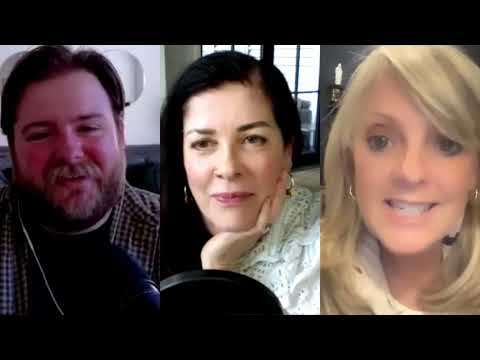
The Story Behind Homeschooled: Stefan Merrill Block Opens Up
Ask about Ex-Homeschoolers Club
Episode Description
Grab a copy of Homeschooled for yourself: https://bookshop.org/p/books/homeschooled-a-new-york-times-bestselling-memoir-and-read-with-jenna-pick-stefan-merrill-block/7e9b1465fdf608ff?ean=9781335000989&next=t
This week I have the honor of sitting down with author Stefan Merrill Block to discuss his memoir Homeschooled, his years in an isolating homeschooling environment, and the complicated relationship he shared with his mother.
Stefan opens up about being pulled out of public school at age nine, the isolation that followed, the pressure of being told he was a prodigy, and the difficult transition back into traditional school after four and a half years of homeschooling.
We also explore themes that will resonate with many former homeschoolers: loneliness, identity, friendship, family enmeshment, educational neglect, and the long-lasting effects of childhood narratives. Beyond homeschooling, Stefan shares how books became a lifeline, how writing helped him process grief after his mother's death, and why he believes storytelling can be one of the most powerful tools for healing.
Whether you're an ex-homeschooler, current homeschool parent, educator, or simply interested in memoir and family dynamics, this conversation offers a thoughtful look at the complicated realities behind one family's homeschool experience.
*Connect with Stefan* • Grab a copy of the book: https://bookshop.org/p/books/homeschooled-a-new-york-times-bestselling-memoir-and-read-with-jenna-pick-stefan-merrill-block/7e9b1465fdf608ff?ean=9781335000989&next=t • Follow him on Instagram: https://www.instagram.com/stefanmblock/ • Check out his website: https://www.stefanmerrillblock.com
If you enjoyed this conversation, be sure to subscribe, leave a review, and share it with a friend who might benefit from hearing this story. Follow Ex-Homeschoolers Club on Instagram and TikTok for updates, and send us a message – we’d love to hear from you!
*Connect with me* • Newsletter: https://exhsclub.beehiiv.com/ • Instagram: https://www.instagram.com/exhsclub/ • TikTok: https://www.tiktok.com/@exhsclub • Email me at [email protected]
*Chapters* 00:00 Welcome and Guest Intro 01:35 How Homeschooling Began 02:53 Bluff Called Leaving School 04:57 Unschooling Day to Day 07:30 Math CDs and Drifting 09:05 Isolation and Genius Myth 12:02 Decision to Return 16:06 High School Culture Shock 20:01 Success Versus Scars 24:35 Friendship After Homeschool 25:54 2020 Isolation Flashbacks 31:16 Owning the Homeschool Identity 33:03 Sanity Is Consensus 34:34 Finding A Writer Voice 35:45 Books As Empathy 39:35 Fiction Versus Memoir 42:47 Writing After Loss 47:42 Choosing Homeschooled Title 52:18 Calling For Homeschool Reform 53:54 Finding CRHE Community 57:14 Hate Mail And Defensiveness 59:15 Next Novel New Focus 01:03:11 Stories Change Laws 01:04:16 Wrap Up And Farewell
Read the full transcriptHide the full transcript
- What is good my ex-homies? It's your boy Jacob Gooden and uh we're back for another week in the exhomeschoolers
- club. And this week I'm so pumped because I have I'm going to deem him a homeschooled celebrity and uh but the
- author of homeschooled Stephan Merryill Block is joining us today. And uh if you
- haven't heard me talk about this book, where have you been? Okay, because I've been talking about this book quite a
- bit. And I'm so pumped to talk to Stephan today. him and I got the opportunity to meet thanks to CRA, the
- Coalition for Responsible Home Education and uh and we just kind of struck up a little bit of a friendship and a little
- bit of a back and forth and so I'm so stoked to have him on. Stefan, welcome to the Ex Homeschoolers Club.
- >> Thank you so much, Jacob. I'm so happy to be here and I uh the flattery is too
- much, but I'm glad I'm glad to be having this conversation with you. >> It's funny because uh every time I've
- chatted with you, you know, it's come up. I I know that that Tess from CRE also she you know we we both I think
- call you like the homeschool the current like homeschool uh uh poster boy in a lot of ways but I think it's it's mostly
- because you've been doing so much PR around your book and and out there and really advocating for uh just like
- homeschooling and and things that could be changed and and the homeschool experience. And so I know we're going to
- touch on a little bit of that today, but you know, the way I like to start every
- conversation is just kind of a little breakdown of like your homeschool experience. And so for those of us who
- haven't read the book and and seen all the years you were homeschooled, can you can you walk us through a little bit of
- that homeschool life for you and how it started and how long it was and and that
- kind of a thing? >> Yeah, absolutely. Um, yeah, my mother pulled me out of school when I was nine.
- Um, I was halfway through fourth grade. Uh we had recently moved from Indianapolis where I was born to Texas.
- I think none of us were, you know, entirely settled or happy there. My mother had had a kind of big bigger
- career, bigger social world in Indianapolis. And when those things were taken away, she was, I think, somewhat a
- drift. And you know, her her whole sort of personality darkened a bit then. And um you know I I feel like a big driving
- factor be behind her pulling me out was like it gave her a mission. You know I was not entirely satisfied with my
- public school at the moment. You know um and you know I complained about it a lot
- to her partially because I could tell that she enjoyed it when I complained about it because she you know she was
- sort of like percolating this other idea of this other way of educating me. So, you know, at first she presented it to
- me as just a semester and I thought I was going to go back for fifth grade and then, you know, one year led to the next
- led to the next and pretty soon I was, you know, a teenager trying to think about how to, you know, persuade her to
- let me go to high school, which is which is when when my homeschooling ended at nth grade. So, it's four and a half
- years. One of the things that uh I picked up on because I've been rereading your book and I'm still I'm still kind
- of in that first uh section of the book and in the early very like you guys kind
- of trying to figure it out and maybe not totally having your your way yet. But you know what I thought was so
- interesting is the way you outlined like how you had Yeah. been complaining about
- like school is just like not working or I'm having issues with the teacher or whatever. and then, you know, and uh and
- maybe hoping like, hey, I'm going to get into like a private school or like something's going to change. And then
- your mom kind of being like, hey, why don't we do this homechool thing that's like new and and uh and there's a
- there's a scene in your book where you're you're in the principal's office and the principal's like literally
- saying like, I think this is a bad idea. Um but if you know, if it doesn't work out, you can you always have a place
- here. Come right back. And I I jotted down in my notes. I said it feels like Stefan uh you know would like he got his
- bluff called uh you know to some to some extent. Did it feel like that or or were
- you just or were you genuinely unhappy where you were like I do need some kind of change?
- >> No, you know I I think I was like in that classroom I did not love the teacher. But I there were a lot of
- things I did love about school. You know I loved my friends. I loved the other classes I went to other teachers I
- interacted with. Um, I was kind of on my way to being the class clown and I kind
- of enjoyed that. Um, you know, I I I think calling the bluff is is somewhat right. You know what it feels more like
- to me is like when I when I see like a pro a cop procedural show and I you know, some a confession is coerced out
- of an innocent person. That's kind of what it felt like to me. Like like I could feel the vibe of the room which
- was like keep saying more bad things about what's going on there. And so I was just sort of like, you know,
- exaggerating the badness to win my mother's approval. I, you know, I was a nine-year-old kid. So, um, and then, you
- know, and then finally like the that confession, that false confession led to a kind of imprisonment.
- >> Right. Right. So, let's talk about like what an actual day in the life looked
- like at, you know, when you were at home like I, you know, were, did your mom try
- to structure it like traditional school? Did she just heavily emphasize specific
- subjects? Like what kind of shaped that thing? And also like, you know, I'm keeping in mind too the fact that like
- this started as a hey, we're doing one semester, we're going to see how this goes and then like and then maybe we'll
- go back to school or maybe we'll keep doing it. But like was there a structure there or was it very I don't know. I'm
- just thinking of my own home school experience where it was like there attempted to be a structure but it was
- it just went out the window the second things actually started rolling. >> Yeah, it was like that. I mean I I began
- you know when we started my mother had this theory that uh that for I don't know why but she believed I think maybe
- because she had struggled with math but she believed that math was like the only
- thing that a school age kid really needed to keep current with to keep on grade level with and that the rest of
- the subjects would sort of come naturally if you just sort of followed your curiosities. So at first we um we
- had a math curriculum. I mean, we we just ordered this textbook they were using at school and we did math together
- every morning for um an hour or something. Um and then eventually um you know, I think that probably lasted for
- most of the first semester, but the rest of the the day was, you know, was she was she was a follower of like the John
- Holt unschooling movement really. Um we it's interesting we didn't really have the word unschooling somehow at that
- moment, but it what what it was was unschooling. Um and so you know the rest of it was you know sort of what we call
- like following my interests or my passions. Sometimes that involved a lot of um you know some sometimes I was like
- reading in my room or you know going to the library. A lot of it was just time spent at the shopping mall or you know
- going out to like endless lunches and things like that. Um it it felt very clear to me by the end of that first
- semester that like the substance of what we were doing every day was not education and that surely she was going
- to recognize that as well and this was just going to have been like a fun semester long break essentially. Um but
- that wasn't how she felt at all and you know and then she she wanted to to reup for fifth grade and I was sort of too
- too scared to to say to say otherwise. So then does that pattern then just continue for the next couple years while
- you're just like math is more of an emphasis and the rest is more of an unschooling thing or did math eventually
- also drop out from being involved? I would say the math continued to be I continued to do math at grade level or a
- fed because what happened was um I think probably in fifth grade and maybe sixth
- grade we were sort of doing math together but then I discovered um you know these very early computer
- correspondence courses and I started to do correspondence course corresponds math um it was the EPGY through Stanford
- that had these like CD CD ROMs. They would send you like a stack of CDROMs and you would, you know, pop it in and
- do the do these lessons. Um, and I really enjoyed that those those correspondence classes and and so I
- would like um what I would do weirdly is like I would binge them. So I would like
- do all of algebra 2 in like three weeks. I would do as fast as I possibly could and then and then I'd be done with ma
- math for the entire year. So then you know what that meant that like by October I had zero curriculum ahead of
- me for the rest of the year. And um I would say that the our education became you know my education became looser and
- looser and especially in like sort of seventh uh and eighth grades as my mother um you know because of our family
- finances she had to take on other work. So she was just like not with me a lot of that the day and um so I was just
- like increasingly um you know left to my own devices which which meant like ostensibly I was you
- know reading and writing and but a lot of the days were like you know not that I was you know watching a lot of TV and
- um and just sort of like hanging out and you know I think I think um by the really by the four by the third and
- fourth year of it um the isolation of of the experiences had really caught up to
- me. I was I was um I was just so lonely, you know, and it was just my mom and me.
- I have I have a brother who went to school every day. Um but homeschooling was just mom and me. And then when she
- was working especially, I was just like, you know, there there was no one for me
- to talk to and I had, you know, I felt like I had no friends left. Um and I think that I think I was in a kind of
- depression. Like I I think it was hard for me to feel ambitious or to care. Um, also also like what was behind so much
- of my mother's um, homeschooling was this like you know she she presented this narrative to me which was that I
- was you know one of history's great thinkers. I was so exceptional that um I was sort of too exceptional for school.
- She would we would go to the library and check out like children's biographies of
- of Einstein and you know Isaac Newton and Shakespeare and she would literally compare where they were at age 10 11
- versus where I was at age 101 and convince me that I was like smarter than Einstein actually. Um but I you know you
- know as as like the years went by in this situation and I wasn't learning I wasn't engaging with knowledge I I just
- knew it all to be false you know and then I was also like without friends and and I just started to feel like I was I
- was trapped in this like sort of isolating false narrative. >> I feel like a common narrative in the
- homeschool world is that homeschoolers are smarter and they get better test grades and they do all these types of
- things. And I and I think back to, you know, I didn't necessarily have a mom. I think my mom was a little bit more
- realistic in understanding that I probably wasn't as smart as Einstein. Uh but but you know, I know that my mom was
- like, "You guys are very smart." Um kind of a thing. But I had friends that legitimately believe they were better
- than public school kids. They believed that they were, you know, they're in a lot of senses God's gift to this world.
- um as far as just like many geniuses. And you know, little did we know that come college time, come like adulthood,
- we would all be like, "Oh, I'm kind of an idiot." You know, to some degree, like I'm just as smart as the rest of
- everybody else. Um, and so, uh, I'm curious like, you know, as you headed into high school and like, you know,
- that was the transition back into a public school environment. What was there like a was there a moment that
- kind of I don't want to say broke you, but like kind of you knew, okay, I got to I got to get back to school. And then
- and then maybe became more of a like, okay, I got to figure out how to approach this subject because obviously
- mom's going to be a little sensitive about it, you know? So, What did that look like of that like I I guess plan to
- be like, okay, I gota I got to get back to school now. >> Yeah, I I think it was a convergence of
- two factors. I mean, one was um the work that my mother took on when um when you
- know what we're calling my homeschooling was sort of like falling by the wayside
- was was private tutoring. She was actually tutoring many of the kids who were my age from the school that I would
- have gone to. And so what I think this functionally meant was like I was like upstairs alone in my room and I would
- hear the voices of all these kids who I should have should have been my friends,
- you know, and my downstairs and my mother was teaching in the house and that I would hear their laughter and I
- would I would like feel like the world that they were a part of that was like just beneath my feet and I like the
- longing I had to be a part of that and like sort of anger that I wasn't was you know I think like the bigger factor
- behind it but but also in that year you know this is still this was 1996 When I went back to school, um, homeschooling
- hadn't been legal for so long in Texas. Um, we, you know, there were, of course,
- like John John Holt's like sort of newsletter community existed, but um, there wasn't like as much access to
- information and also because the movement was so new, it wasn't clear to us at least that um, I would be able to
- get into a decent college if I didn't go back, you know, like we, you know, like
- would a college accept me without a GPA? like, you know, now these questions are
- sort of answered for homeschoolers, but at that time it was a big question and it seemed like maybe community college
- would be like the best I could hope for or something. I would get like a GED and
- um who knows like how I would do in an SAT. And um so I I was just looking down this future of being like I was so
- lonely and I was like I am either going to do the scariest thing I've ever done in my life and confront my mother about
- this or I'm going to be a middle-aged man in my mother's minivan being driven around this this town for, you know, the
- rest of my life. So I, you know, gathered up my courage and told her and um she, you know, she she was she kind
- of pleaded with me to to cons consider continuing through high school. Um it was I could feel and see her heartbreak.
- Um it was an unhappy separation and I and I think in a lot of ways the beginning of
- erlong decline like I I think that that those years even even though like we were often for long parts of the day not
- engaging. It just you know I I think it was like the end of her happiest of life.
- >> I think there's this comfort that that parents have when they're just with their kids. And I say this as somebody
- who I I'm also a little bit of a mama's boy and like her and I have I'm I'm the oldest her and I have this just very
- special bond and I think you know I see it when when I go to visit and like the you know the attention that gets placed
- on me or the you know just the the relating and then also like when we talk about the past and we talk about our
- relationship from the past and things like that there is very much this like I I I I don't I don't totally know how to
- put it into words, but there is this there is this bond there that when I went to college was very difficult for
- her to let go of. She had to kind of like we had to build boundaries that previously we really hadn't had before.
- And so it was just like this weird like leading up to college I remember my mom being like, "Okay, so here's the deal.
- Can I just call you once a week?" Like cuz otherwise I'm going to call you every single day, but if I say it out
- loud then like we know we can like set this boundary. And I was like, "Of course. Yeah, you can call me once a
- week and you know and then you know call me more if there's you know crazy life stuff happens. But you know we set like
- this nice boundaries to our relationship and that was how we we pivoted right into into adulthood. But it's been
- interesting to then also like look back on it and see what you were describing like with your mom where there kind of
- the the depression and the >> this change was happening that like she maybe wasn't ready for uh in a lot of
- ways of like you know baby boy is growing up you know and that's you know I I I relate to that um in some ways.
- And so how then is the transition to high school? You know you've been isolated now for a little while. you you
- don't have friends like uh you know was it easy difficult like did you feel like
- a fish out of water? >> Yeah. I mean I think until the summer of 2020 which was the summer you know the
- pandemic um summer when my my second daughter was born and my mother died within 10 days of each other. Um that
- moment of going back to high school was the greatest trauma. I mean I think I think yeah only 2020 could touch it. Um
- I you know I had gone from being the most beloved most eleated child of you know the valadictorian with a class of
- one to being you know just another you know weird kid in one of the largest high schools in the country.
- Um, I you know I my social skills at that point were entirely developed or the impressing and placating of
- middle-aged lady which you know the things that impress 14year-old boys is very different. Um I also my I mean I
- think this can only be read as a kind of sabotage. My mother when she sent me back to school she um she was so
- concerned that my my handwriting still is not that great. She was so concerned that my handwriting was going to be a
- liability that she she she like came up with this crazy solution which was she was going to send me back to school with
- we had this like old electric typewriter and with you know it was like it's like
- this like 40 lb behemoth typewriter and she made me lug it to school on the first day. So like after after being
- away from other kids for four and a half years, the first thing that they see of
- me is me like pulling out this huge contraption like thump on the on the desk, plugging it in, and then you know
- this like clicketity clacky clicketity clack like drive driving everyone mad. And um oh the other uh thing that she
- came up with I I was like how how how am I going to carry this 40 typewriter around school all day? And she's like,
- "Oh, I've got a solution for you." Which is like, "I've reinvented the backpack."
- And I was like, "What do you mean?" And she said, she said, "Backpacks are so bad for your posture. You shouldn't be
- using them." She went to the Container Store and got me a filing cabinet on wheels. It was like a miniature filing
- cabinet with each of my subjects. It's like a hanging file folder. And then and then she was like, "The good part is you
- can balance the typewriter on top of the filing cabinet." So that's how I walked
- in. you know, they're like like not knowing a thing about how to relate to other kids. I like walked in pushing
- your office equipment >> and uh it went about as well as you can you might imagine. I mean, you know,
- there was there was just like the, you know, the absurdity of that scene, but like more deeply, um, you know, I just I
- just didn't know, you know, how to relate socially. And and it was it took me it took me like, you know, a semester
- to be able to do it at all. And then a couple years before I was like comfortable with other people really.
- Um, and then, you know, academically it was extremely challenging too. Like there were gaps in my knowledge of
- course because I hadn't had curriculum but the harder part was actually just testing like I had I had not taken a
- test in you know basically ever I mean you know test that test that fourth grader takes is a very different thing
- than like you know being tested on knowledge you know in seventh eighth and eighth grade. So I um I was just like
- failing, you know, and and then like you're saying earlier of like, you know, went from being Einstein to being like
- the kid who was failing the class and didn't know how to take a test and was the loser and the outcast. I was like
- none of the things that my mother had said I was. And the shock of that um I think is still with me on, you know,
- like like these are these are deep scars. That's something that I don't think a lot of homeschoolers always talk
- about is that like the the like I think there's two there's two trains of thoughts when it comes to like the
- legacy that homeschooling like holds on each of us, right? Like there's the scars and then there's like the really
- good stuff, right? And so like of course like >> you are a successful person. You've
- written a book. like you you've been on television like you're you're doing the thing like you are a successful person
- for all intents and purposes but there's also like you were saying those scars that just like linger with you for
- forever and I think you know but we don't always see the balance of the the two that people talk about like as more
- and more people are coming forward to talk about their homeschool experiences we hear we hear one or the other and so
- I'm I'm curious I don't totally know what this question is but Like I'm curious for you like how how have you
- dealt with those scars? Are you still dealing with those scars? And then how do you like I guess to some extent like
- reconcile that with like you are a successful person in a lot of ways as well. So like you know you're both like
- a homeschool success story and also a homechool failure story in some ways. >> Yeah. I mean I want to say like I do
- think like like homeschooling you know can be an extremely positive thing and sometimes it's you know saves kids
- lives. it's, you know, absolutely necessary. And I also I also still believe that, you know, I I think the
- way that my own mother did it was kind of haywire, but the idea of letting students interest and curiosity kind of
- lead at least part of the path, I think, is an extremely exciting and productive
- one. And I I wish that public schooling had more, but it um you know, and and you're right, like I wouldn't I wouldn't
- be a writer definitely without homeschool. wouldn't have like you know if you anyone who's ever tried to write
- a book like one of the things that you learn right away is that um you know it's all a confidence trick like you you
- write a draft it doesn't feel good you read the draft it feels like and you're like I you know maybe I can't do
- this and I think what separates a writer from a non-writer is just like you have
- like somehow this confidence or this faith that you're going to get there eventually and I think that was
- partially born of this like extreme elevation that of of my childhood of like you know or maybe I am Shakespeare
- Shakespeare um maybe not that but but um but the scars are you know are real too
- and and um you know I I think that that moment of you know going back into the world and like discovering that the sort
- of like central narrative of my childhood was false is a big one. Um, also, you know, you know, some I I know
- that some people have in hearing the more outlandish and, you know, borderline abusive things that happened
- to me in my homeschool time, um, have said, "Well, it can't be so bad. He's, you know, look at him. He's he's
- published four books and he's, you know, there he is out in the world like talking like a normal person." Um, you
- know, I don't think that, you know, career success should at all be read as like the outcome of of this situation,
- you know, or or like as like a sign that it worked. Like I think often and I I have felt in my own life that my
- ambition um grew out of a need to transcend my past and to like get myself to safety on the other side. And so like
- I I have felt I mean I don't feel this way now really but for years and years I felt like almost like deformed by
- ambition because I I just was like I have to win everything I have you know and it wasn't competitive. It was like
- if I'm not safely in the this place where I'm like get you know where I know I can go to what whatever graduate
- school or whatever you know I know I'm going to be published well like like just just feeling unsafe unless I
- succeeded you know on my own terms in a big way. Um and that was that was a pressure. And then um you know I think
- when I went back to school I um I mean some people I just did an event last weekend and um the other the the readers
- were like you know you seem you seem normal whatever that means. And I I I've heard that from people. I'm flattered
- that people think I'm normal. Um, but the thing that's, you know, I think I learned how to socialize and I really
- like when I went back to school, I was like really taking notes on like how people relate to each other um, in a
- sort of larger social scene. The thing that I still have struggled with um, and and still do in some level in my
- adulthood is friendship. You know, I think it's like natural for me as someone who like grew up in this
- extremely tiny, tight, claustrophobic household to um to be extremely close with my family. Like I I have I have two
- daughters and my wife and like I don't struggle like with closeness or commitment or anything with any of them.
- It's it's this like sort of second level of you know I'm like good in like the general social sense. I'm good at the
- family sense. It's the second level of like long-term committed friendships that I um I've had to like learn how
- they work and to remind myself to show up for them and and you know it's just not it's not natural. And um and I I
- realize now like how you know how many friendships I've let lapse just sort of out of incompetence, you know, and and
- like what that what the loss of those friendships have meant to me. And so it's I have to be like much more aware
- of of them, I think. kind of um and that is still with me. I I totally relate on
- the on the friendship level and I think also I think men in general we also have
- a little bit >> we have some other messaging from the world that sometimes leads to us not
- having strong friendships but I realized you know this show is birthed out of kind of that place of like 2020 I was
- really lonely and I got depressed like so many other people you know we're isolated from the world and it kind of
- to some extent did take me a little bit back to the homeschool years of feeling that like you know that aloneeness and
- and I'm somebody who grew up with hundreds of homeschool friends. I mean we were big part parts of big
- communities. I had my best friends. If I didn't see them at least once during the
- week like what was you know my life was over. You know in a little kid sense I was like oh my gosh the world is
- crumbling kind of a thing. But as I've gotten older >> you know it's been harder to maintain
- that kind of those friendships, those closeness like you were saying. um you know and so this show kind of came from
- that place of like being uber depressed and doing a lot of work on like understanding my homeschool experience
- and and some of those those scars maybe being unlocked at a later time where it's like you know for a long time I was
- like my home school experience was great and 2020 comes around and I'm like oh maybe there was some things in there
- >> but it was interesting >> to have you know I'm so thankful for my wife because she literally goes I think
- you just need to call somebody from high school and I was like Okay. And and she's like, "Well, I mean, what are they
- doing? We're all just locked in the houses together. Like, why not just like give them a call?" And so, I started
- calling these friends and we started having conversations around our homeschool experience. And we started
- rebuilding some of those friendships that had lapsed like you were saying. >> And it's so cool now to kind of like I'm
- not perfect at it. Like I still struggle with the closeness of friendships and things like that, but it's it's
- definitely like it's gotten better as time has gone on because, you know, it's you just have to put effort in. You got
- to work on it, you know, and it's it's not easy, but you know, um and I liked what you were saying too about, you
- know, homeschooling really trained you to have the closeness with the family, which like I feel that very much too.
- You know, I'm a ride or die for my family in a lot of circumstances. And so, you know, it drains you to do that.
- Um, but yeah, but some of the other things, you know, kind of fall to the wayside when when that happens. So,
- >> yeah, you know, my my mother had also um been very social and had great friends
- until really until we moved to Texas. And then she had this attitude, you know, after I left the house like,
- you know, gone to college that that like that there's like a sort of awakening that happens in middle age maybe where
- you you have children and you realize that these other this other layer of of relationships in your life is like not
- really relevant and that that like what really matters is like family and that's
- you know and then and I I remember like her sort of preparing me for for fatherhood. started being like, you
- know, you're not really these people aren't really going to be in your life. You know, that's just what happens. And
- it it's, you know, I I kind of believed her and now that I'm I've been a parent for eight years, I'm like, oh, that was
- insane. Like our our lives are so, you know, like I'm more a part of community than I've ever been. I'm closer to my
- friends than I've ever been because, you know, our kids are always playing together. We're, you know, like always
- like, you know, smooshed in together. So, so it's like um and and how would I possibly get through this stage of life
- without that? You know, if it was just like me and you know, five and an 8-year-old in the house all day. That's
- that's rough. >> Yeah. Yeah. No, I think, you know, there's that there's that old saying of
- like it takes a village to raise a child, right? And and I think >> I think we we steered I think as a
- country really away from that and into the individuality. And I think we're starting to see a a little bit of a
- comeback to this idea of like we need friends. We need each other. We are just we are like I had someone on who was
- like humans are pack animals. And I'm like, "Yeah, we kind of are, you know, we need that tribe of people around us
- to keep everyone staying in a lot of ways, you know, and so, you know, you build those friendships and those
- relationships that it's whether it's your neighbors or your kids' friends's parents and, you know, whatever else."
- And, you know, you figure it out and and you need each other because I mean, 20 2020 taught us anything, it's like when
- we don't have each other, it's we go we go a little bit nuts. Um, >> yeah. Was there a part of you I I felt
- like there's a part of me that was like a little bit like smug in 2020 when I was like I was like now you all see what
- it felt like. >> You know what's so funny? I literally so so leading up to co happening I I had
- quit my day job. I was I had gone full-time working for myself. I was like okay like and I had made this plan. I
- was like I'm going to go make new friends. I'm going to be that coffee shop guy who goes and works on his
- laptop at the coffee shop or at the co-working space. I'm going to be that guy literally the week and I gave myself
- one week of like, hey, I'm just going to like kind of get adjusted to to working
- at home all the time. And then that second week, COVID happened and the world just shut down.
- >> But I'd still be on calls with a couple people that I was clients that I was working with and they were all
- struggling way harder than I was because I went, I've been trained for this, you
- know, I have, you know, and that's when I started talking about homeschooling again because I was like, I am used to
- this. I don't need to go anywhere. I don't need to see anybody. Um, and that lasted for probably about a month and
- then I was like, "Okay, now I'm dying to see people." >> Yeah, >> totally. I'm curious kind of along that
- same line of like, you know, as you went back into school and then later college
- and early adulthood and things like that, was homeschooling something that was like an identity marker for you
- where you like held on to it or was it something that you kind of hid away and were like, "Okay, that's the past." You
- know? I'll give you an example. Like when I got to college, I I didn't tell anybody I was homeschooled. I I
- literally did not want that mark on me whatsoever. I just was like, I went to private school, very exclusive, first my
- class, like all that kind of thing. And I just didn't really want, I think, the weirdness that was
- associated with homeschooling to follow me as I got older. Um, and yeah, and it wasn't until really 2020 that I was
- like, "Okay, no, this is like a fullblown part of my identity." And now I scream it from the rooftops. And when
- people are like, "That's weird." I'm like, "I know." Um, but was there anything like that for you where you hid
- that away or was that always a part of like >> Yeah, I was a homeschooled kid. >> You know, I when I was reintroduced to
- high school, like with my typewriter and my my file cabinet, I think, you know, everyone knew was the homeschooler. I
- was like introduced that way. Um, I mean that I didn't ever try to like shrug off
- that identity. Um, I don't think that I realized like maybe what a profound part
- of my personality it had become until later. But the curious thing I would do, I mean maybe maybe a little bit less in
- college, but when I got out into, you know, I moved to New York after college and was just starting to like come to
- grips, I think, with with, you know, as people do in their 20s and early 30s with with like their childhood and what
- it means for, you know, their lives lives going forward. I found myself suddenly telling the story of my
- homeschooling or virt you know parts of it to everyone. Like it was the first thing out of my mouth on my first date
- with my wife. It was the first thing out of my mouth when I would like meet like
- be on an interview for a job. I would be like talking about the crazy choices my
- mother made when I was homeschooling. And I I think what it was about for me um was was I was like curious to see how
- people would react because it wasn't it wasn't about like how they would think of me. What what it was was what what
- was my past and what does it mean? You know I think because I was raised you so so much of my childhood was just my
- mother and me. Um there was no one I I I read once that sanity is consensus. It requires three three people to for two
- of them to declare something as sane, you know, or insane, right? Like there there have to be at least three people
- in the room for there to be some some agreement over like what's a good choice, a bad choice, what's sane,
- what's insane. Um, and it was just the two of us. And really it was her leading the narrative the whole time. And so I
- would tell these stories of things that had happened to me in my home school trying to understand like are do people
- think this is crazy? Do they think it's scary? Do they think it's funny? am I, you know, making too much of it? And so,
- so like I was obsessively telling the stories for years and years and years until I finally wrote this book. And
- now, now I feel like a little curative that need to tell these stories >> and I want to get into that. But before
- before we touch on like the book and why you wrote the book, I want to ask a little bit about when did you know you
- wanted to be a writer? Because you in the book you talk a lot about like and you even mentioned on the show like you
- know you were doing math but then you were spending a lot of time reading and it seems like escaping his stories. You
- mentioned the library like did you know even back then that you were like I want
- to be a writer or was that something that happened as you got closer to maybe college age and things like that? I
- think I have known it about myself since like I kind of since memory began, you know, like I I especially during my home
- school years. I mean, I think it actually does pre I'm sure it predates it because I I I remember being in
- public school and like sneaking novels and like turning the pages of the novels with my toes. I'd be like looking down
- at the desk and like reading something under my desk and all I wanted to talk about was books. and I was writing a
- novel and I was in third grade like a it was about like a boy in a school very much like my own. Um I was writing short
- stories all the time. So I think it's I think it actually you know in some ways my my homeschooling um deepened the that
- desire that feeling about myself. I think it was always there. Um, and during homeschooling,
- you know, I found that like it wasn't a substitute for being with other people. But what what reading
- allowed was like there was like people and voices from over the fence, you know, like I I felt this fence between
- myself and the world. And I, you know, these things came over and and I felt connected with these characters and with
- these writers. And then when I would write, I would feel myself throwing my own voice over over my own story over
- that fence. And it felt like the like the only kind of form of like real social discourse I was I was having. And
- um I think and and you know I still believe that that there's no deeper connection that you can feel to another
- person's life than to read about them in a book. Like you know I think a a a book
- a novel is an empathy machine. Like it places you into the experience of another. and you know and then when you
- share your own story then people are placed in your experience. It's like it's like the most intimately we can
- access each other I think. Um and I I you know I I think a lot of my like need to write which is still so so deeply in
- me even though so much else has changed um is is probably a product of that time
- a product of this like sort of primal scene of loneliness that that I'm still trying to undo. I like what you touched
- on the like books. Yeah. They give you a window into to another person into their
- thoughts, their process, the empathy machine. Like I love that. Like I I have fallen back in love with reading um in
- the more recent years and reading both fiction and non-fiction. Um and the great thing about when I read
- homeschooled was like, you know, I I went into it kind of with this like, okay, it's going to be non-fiction. I I
- had my expectations of what you were going to write about and and then as I read I got about maybe a quarter of the
- way maybe a little over a quarter of the way in and I was like this is really written as a story and I was like it
- doesn't it almost doesn't feel like I'm going to say it doesn't feel like real people um in the sense of like it
- felt like I was reading a novel and I and so you know a couple times I had to step back and be like okay no this is
- like this is a real story, you know, and so but but I uh you know, I when we chatted before, I had mentioned to you
- like there were I wrestled with your book a lot because there were parts that were like I I related strongly to you.
- There were parts that I saw like my own childhood self and or or even just your childhood self and wanted to give it a
- hug. like I you know I definitely was not an easy book for me to read in the sense of like I connected to it in a way
- that I don't think I've really connected to some other books um in the past like it
- made me emotional um I don't normally cry reading books um kind of a thing and so you know and I found myself tearing
- up reading your book and and things like that and so I love what you're saying about you know a book is that you know
- it is that window and that that you know putting you in the place of that person
- and connecting you to that person. And so, you know, even though you and I don't know each other very well, I do
- feel like I know you extremely well because I've heard your story. >> And so, let's talk about books. Let's
- talk about becoming an author. And like, you know, I know you you have a couple novels that came out before homeschool
- did. And I had read a blurb somewhere that um of you saying that you know inside of those books there's elements
- of yourself there's bits of your story um in those and that kind of maybe led up to eventually reading homeschooled.
- But I don't know do you want to start with those books? Do you want to start with homeschooled? Like where where
- should we start with the books and where you know your love for writing comes in?
- >> Thank you so much for that Jacob. That really means a lot to me what you just
- said about your experience reading reading the book. Um, yeah, I I I mean, fiction is really what
- is closest to my heart still. Um, I'm now back in the realm of fiction, writing another novel. Um,
- I, you know, I I I feel like it's all autobiography on some deep level. You know, in fiction you're inventing other
- people, but like what comes out of you and you know, the choices you make in some ways I I find to be more revealing
- than just saying what happened to you, you know, like like the you're you're showing people like how your
- subconscious works. It's it's like a it's a much more intimate thing. I I I feel as a writer like I feel more
- exposed by fiction in some ways than I do by by memoir. Um but I yeah I mean I always knew that this is what I wanted
- to do and um there there came a moment when I was 22 or 23 I was I had moved to New York and I was working as a
- cameraman actually in like documentaries and a lot of bar mitzvah and weddings and things um when I when I thought you
- know what I'm here I'm kind of in adulthood and it's time to try it. Um and I just you know locked myself in a
- room and um and wrote and wrote and wrote and um it it's shock of my life. I had never met a published writer, but I,
- you know, eventually I like I sent it in and I to an agent and he wanted to work
- with it and soon I found myself at Random House with a book deal, you know, at 24 and it was like this like miracle
- had befallen me and like and literally the first the first time I met published writers was in Random House when I went
- to like sell this book. Um and it was it was this just this big transformative event in my life because um the book
- also sold in I don't know 10 languages or something and I got to travel the world with it and like you know connect
- with readers who had who had like you know read the story and felt something in it. Um I think I think that first
- book is called the story of forgetting um has maybe the most in common with the memoir. I think it was probably like the
- closest to my my experience, although also quite different in some ways. Um, and
- and you know, the next two I I wrote three novels before before this memoir. Um, I you know, when I look back on them
- now, I'm like there's a central dynamic between there they all deal with mothers and sons.
- there's a central dynamic um that between my mother and me in real life that I wanted to push I could I can see
- myself pushing as far as I can allow myself in those books and and you know when it finally came out like like I can
- only write the memoir after she she had died she died in 2020 um but in some ways like it it wasn't just the fact
- that like I finally told the truth of what happened it was that I finally showed the dynamic you know, and I that
- could have taken place in a fictional context, too. She would have been just as hurt and, you know, um, you know,
- felt just as betrayed by that as as by a memoir in some ways. So, you know, it took I wouldn't have had the courage to
- share to publish this book while she was alive. But the way the book came to be,
- homeschooled came to be was um you know I had the idea of course of like writing
- a memoir someday about about exactly what had happened. Um I didn't know that's what I was doing
- though. I you know after she died like it happened on screens for me. She was in Texas and I was in New York City and
- I was like you know I said bye to her on FaceTime and like saw her body on FaceTime. Um, and it was like the, you
- know, the most central relationship of my past just vanished. You know, there we couldn't have a funeral. It was, it
- was just like she like ceased to this. I mean, that that is what loss often is. It's just like, you know, it seems
- impossible. The person is just gone. But, but my reaction was, well, I am like the last surviving member of this
- nation of two. And if I don't write all these memories down, as many as I can right now, then then it's as if it never
- happened. And so it started as like a sort of morning grief exercise to just it was just like writing memories down.
- And I I was thinking maybe it was very unfiltered, very raw and rough. And I was like maybe I'll use these in a novel
- at some point. And then what happened was I um I had I wrote a lot and then I I was like what would happen if I tried
- to polish like five pages of it to look to read like a book? And I tried it just
- as an experiment. I I may I maybe did like 15 pages, but I I revised and revised like I would with my fiction and
- then I read it after, you know, I put it aside for a while and then I read it and
- I discovered something amazing which was um you know when you when something has
- been revised you stop looking at it as just the writer and you start looking at it as the reader and when I could read
- my own story um I started to like see myself as a character as as you're saying like um
- and I started to like have have pity for this did and to be scared for him and to
- root for him and and I kind of like wanted to hug my former self. And I saw that like the dream that this boy had,
- which is absolutely the truth, is is that like someday someone would come along and tell his story. And I just
- like thought how amazing that like I can be that person for my former self and I
- can like come come along and like rescue that kid out of that feeling of like nobody is watching, nobody nobody cares.
- Um, and it so it was it was an incredibly empowering. It wasn't cathartic. People have asked me about
- catharsis. It wasn't exactly cathartic. It was empowering. It was validating. And you know, I I know like some
- memorialists don't like the aspect of like it makes them uncomfortable to have their story shared widely and to have
- strangers like have opinions about their mom. I feel the opposite. I feel I feel
- like isolation was the problem and like the work of bringing this book into the world and to letting myself be seen and
- letting my story be seen has been just profoundly healing and I I feel I feel transformed by it. I really do.
- >> What you mentioned there about like the you know her passing and then immediately taking to writing down like
- as much as you could remember and like the stories and the things like that. I I recently had a family member pass and
- that was as soon as I got the news I did the same thing and I just because because to your point of like
- yeah there's a lot of stories that involve other family members and they'll remember them as well. But there are
- certain stories that relate only to his and my experience of of our shared dynamic. And I was like I never want to
- lose those things. And so I have a whole journal now of all of those things. And
- whether that becomes a book probably not. But it but I you know to then take that and and put that into the story
- like you were saying and start to see yourself as the character in the story. It's like it's such a a beautiful way I
- think to to heal in some ways. And uh so like when you can remove yourself sometimes
- from you know the the the narrative that was our experiences and look at it from the
- outside perspective like you were saying and see ourselves as those characters that were happening and you can relate
- and you say I want to give them a hug or I want to like high five them or I want
- to whatever the things are. It's a really it's a beautiful way sometimes to like
- deal with the trauma in in some ways. Um, and so you know, um, so I applaud you for that because
- >> you recommend it to everyone, too. Like, you know, even if you're not a writer, I
- think that like writing therapy is just profound. Like, >> you know, I think it's just as profound
- as my other therapy that like, you know, to to see to try to like create a narrative out of your your past and to
- see what that narrative looks like and what you choose to include and not include. Um, and then to see see
- yourself as a character and to see yourself a little bit from the outside is just um it's it's really healing.
- >> I'm curious too where the title comes from because again when I wait when I when this book was presented to me as
- like hey this is coming out I was like okay I feel like I know exactly what Stephan's going to say. Like I just I
- built a narrative in my head of what you were going to talk about and probably in
- in my head I thought you were maybe going to talk more about like the homeschool experience itself. But as I
- read the book I realized the book is really about it is about homeschooling but it is very much about your
- relationship with your mom and the dynamic there and the love and and you know and the fighting and the everything
- and and the the complicatedness of it. And so you could have named this a billion different things and you know
- you know you could have named it my mom and I you know something like that but like why why did you land on
- homeschooled? >> Yeah thank you. You know I I did name it a billion things like I went through so
- many names so many titles in the process of of finally settling on homeschooled.
- Um, you know, I I it's it's hard to title things and it, you know, I know titles can be like kind of determinative
- of how people think of the book. Um, you know, I at some point I mean what what I was
- just like in a sort of like you know state of like laying in bed every night and free associating mother and school
- adjacent words and trying to come up with something and my my friend who was who was the first reader of the book was
- like you know Stephan it's a book about it's about education and it's about home
- like it's it's obviously should be called homeschooled. Um, and you know, I I think when I titled it, I I did have a
- sense that like people might feel with that title that it's going to be like a larger history of homeschooling or like
- more more directly about, you know, like the topic rather than the experience. Um, and so I I did it with some some
- trepidation, but like the the more that it has been in the world and the more I've connected with other former
- homeschoolers, the more I'm like, "This was absolutely the right title." And I'm
- so glad I listened to my friend. And the reason that like what what what it feels
- like to me is that um you know I first of all I know it's the I know it's the criticism that that like it's like the
- number one critique of the book is like it shouldn't be called homeschooled. It should be called like toxic mom or
- something or like you know like something about like mother son or you know some something focusing because
- like it's really about that. It's not about homeschooling. But what I would say is like because of the laws and the
- regulations we have in place or don't have in place around homeschooling um you know every homeschool situation
- is inherently and entirely tied up in the dynamics of home of of family you know and like every homeschool situation
- is so different. It's as different as every family is different, but what what we all have in common, what every
- homeschool situation has in common is that is entirely specific to the house in which you were raised. And so like in
- some ways to like get deeper into what happened in my own experience is is in my mind to like show more generally like
- what can happen when no one's watching for years, you know? And and I I I like I I feel like it took, you know, sort of
- the material and the the writings and research of the Coalition for Responsible Home Education to to sort of
- make me understand the context of my own story in this larger this larger homeschooling movement and and to
- realize like um that it does have these things in common that are, you know, like yes, it was highly specific to my
- mother and and our, you know, complex codependency, but it was also So, um, it was also about something something
- bigger, >> you know. I know I I kind of before I asked a question, I kind of gave you the
- criticism of like maybe it could have been called this or that, but like I do I agree with you. I think homeschooled
- makes the most sense as title for this book because yeah, maybe I went into it with that like he's going to tell the
- history of homeschooling and then also fit in his narrative and then maybe give some resources or whatever. I I went
- into it I think really thinking this is a non-fiction book in the sense of like I think a lot of non-fiction books today
- which are present you know present historical evidence present whatever and that's just not what you did. It really
- is in a lot of ways a novel, >> but that's a real story. And >> yeah, you Yeah, that's right. You know,
- it's because I'm a novelist. Like I I you know, it's like the way that I write is it reads like a novel. It's like what
- naturally comes out of me. >> Um I al I also think that there's something to my like I think changes
- need to happen. I think I think like some amount of regulation needs to be uniform across the country. And I think,
- you know, I know that, you know, regulations about like socialization outside the house, about curriculum,
- just health and wellness, like these things would have helped me. They they would help a great number of other of
- other people. And I I feel like calling it homeschool is like and and for it to not be an entirely happy story is is to
- provoke. And I like I'm glad to have provoked a bit with it because I because I think the change is necessary. I'm not
- inherently a provocative or argumentative person. I'm actually very conflict avoidant, but but I I think I
- think like conflict is necessary in this case because I I I do think some change
- is necessary. >> Yeah, absolutely. I mean, that's it's I get similar feedback with like this show
- because the idea of this show is the good, the bad, and the ugly of homeschooling and like and it's told
- from the perspective of the student um a lot of times. And so, you know, it it it
- can be messy. I've had people on who talk about just insane neglect and abuse and then I've had other people come on
- and they had a much they it just was a better experience. And so, you know, all of those stories are very valid. And
- that's again what I think your book does beautifully is it tells your story very
- beautifully and it brings attention to the fact that like I think anybody can relate at some degree to to this book.
- But it, you know, it's it's your story and it's starting that conversation that I think is starting to really happen in
- our country around this topic of homeschooling and you know, how can it be done well and things like that. I'm
- curious how you got connected to CR in the mix of all of this because I know they also helped with some of the the
- end chapters of the book. >> They Yeah, they've been they've been so helpful. Um, you know, I think I just
- found them in a way that like we all sort of found each other in the, you know, digital age when when finally like
- we could like there are online spaces for us to connect and to compare notes. Like I I was just out of um curiosity. I
- I remember like I was Throughout my 20s and 30s, I was like always trying to pitch these stories of my homeschool
- experience or something or something more journalistic about homeschooling to to magazines and newspapers. And the
- response I kept getting back was like, it's too niche a subject. And it made me angry because I would be like, you know,
- I know that there must be thousands or millions of other kids out there who have complex feelings about this and
- it's such a large movement that it's not really niche anymore. But but it was just sort of like born out of this need
- to like find more people like me. And I think it was just through googling that I found them and you know read all of
- their material long before I I um connected with them. And then um I think I actually my my first point of contact
- was Rachel Coleman who was you know one of one of the founders or maybe like the
- official founder of the coalition who I reached out to um trying to I wanted I wanted to actually write an article
- about their founding and about you know who they were and like how they had made
- this choice to you know say these difficult things about their own experiences. Um I think there's still an
- amazing group of people who who are acting so bravely. I mean, I I think if you're not a homeschooler,
- a former homeschooler, you don't know like the courage it takes to like, you know, speak about something that was
- unhappy, which mean, you know, because you're not just speaking about a teacher. You're not speaking about like
- some something that's in the past. Like, these people are still in your life. It's sometimes it's like, you know,
- you're talking about your parent, you're talking about the only teacher you had,
- which was sometimes it was your parent. um you know you you're talking about the
- ideology or belief system belief system in which you were raised and and you know it's it's potentially an act that's
- going to like blow up your world and uh so the stakes are very high and then you
- think like well the stakes are that high and people are still you know telling these stories they must they must feel
- really necessary you know >> no that was a big point of contention even like within my relationship with my
- family as I started to have these conversations with people and I started to recognize things about my experience
- and going and talking to them and I'm thankful my parents are who they are and they could kind of hear some criticism
- and yeah they'll maybe push back on some things but like you know they have recognized some of the shortcomings of
- their of of my homeschool experience and so we can talk about it but every now and then I will text my mom and I will
- say hey I said this thing on the show so just don't listen to this episode because I
- >> I'm not ready to have that conversation with you kind of a thing but Um, you know, yeah, to your point of like if it,
- yeah, if if you're willing to tell the story and you know that it could blow up your life, like yeah, it's probably a
- story worth telling uh to to some extent. >> So, >> yeah, totally. I, you know, it's worth
- pointing out that like I get a lot of, you know, letters, messages from from readers.
- A lot of it is hate mail, you know, and like people angry at me for sharing the story or for calling for reforms or
- something. And um a lot of it is like profoundly moving notes about like people seeing themselves in, you know,
- in the story. And like almost always the the hate mail comes from homeschooling parents and the the positive email come
- from from exhomeschoolers. Not not universally, but almost always that's the that's the split. And I I think
- that's somewhat telling, too. And I I think to to your point you made earlier like we're going to hear more and more
- of these stories as as you know more homeschoolers reach adulthood. >> It is a very interesting dynamic because
- I think more I think more parents need to be open to the idea that it's okay to be wrong and it's okay to have made a
- mistake and it doesn't mean that your child doesn't want anything to do with you. It just means that they sometimes
- want you to recognize that this wasn't the best decision in that time and that's all it takes is sometimes just
- that acknowledgement >> and then we can move forward from that. But when you don't acknowledge it, I
- think that's where a lot of the >> like you're saying that hate mail kind of comes from of like, well, I did
- everything right >> and they, you know, and then they went down this other path and it it it's
- >> it's frustrating because I've gotten a few of those comments as well of people
- saying, you know, well, you're just telling nasty homeschool stories. And I'm like, "No, not always." Um, you have
- you listen to three. Yeah. Yeah. Which >> offense because they they feel implicated by But you're not talking
- about them, too. You know, I think that I think it's interesting like >> when I when I receive these messages,
- I'm like, I I said I've said nothing about you. In fact, I've said positive things about homeschooling. I'm telling
- my own story. And it's like, why does my telling of my story bother you so much?
- And you know, I think that's a question for them to answer more than for me to answer. Yeah. Um I'm curious, not to
- pivot too hard, but I'm curious what's next. Like are I, you know, I know we've chatted for, you know, a couple weeks
- now and and I know you're working on a new book or something new. You know, is this has is homeschooled like the end of
- a end of a chapter in a lot of ways and you're like, "Okay, now I feel free to do something else or or I guess what's
- what's in the works? What do you what do you got cooking up there?" Well, you know, in my past, I've like thought it's
- a really good idea, and it I still believe it's a good idea to be sort of halfway into your next novel or book by
- the time the current book comes out because you you know, like the the anxiety of releasing a book is just
- immense. And like, you know, you're watching people criticize it. You're seeing whether or not people want to
- even read it at all, if it's selling. Um when you're already halfway on to the next thing, you're like, "Oh, I don't
- that's not even me anymore. That was some other person who wrote that thing." You know? Um, in this case, I just had
- the strong feeling that um, this was going to be such an upheaval to publish it that I couldn't possibly start
- another book because I didn't I knew that that whatever whatever I was going to experience by the release of this
- book was going to change me as a writer and like shift my focus of what it was interesting to me and it has. And um,
- I'm glad I had like sort of started a novel before I I tossed it and I I've just started over. Um it became it
- became clear to me um while I was traveling around a lot with promoting homeschooled like what kind of book I
- wanted to write. And you know, I've only like I actually just articulated this to
- my therapist yesterday and I had never I had I this is like a brand new thought,
- but um I'm I'm you know, I'm probably 20% of the way through a novel. And what what I'm discovering is that for the
- very first time in anything I've written, the focus is on connection and friendship and love. like the focus is
- on positives and then of course there's threats to like that that positive relationship but it's really a story
- about like people finding each other in hostile world rather you know I think in
- in everything I've written before this there's like it's all about like the hostilities between people and I'm like
- I'm like why why is it that I could never I could never like write about like how we find and rescue each other I
- never never come even approach that material and those are the books I actually love the most. And like why why
- was I so tied up in in conflict? And I think it was I I think it has something to do with like feeling this deep
- profound unexpressed conflict that I had in the central relationship with my mother and then expressing it and
- finding all of you, you know, in the process of publishing it like makes me feel like how we heal each other, you
- know, and and I I want to write about that now. That's a that's a beautiful thought and a you know a beautiful take
- on that because I think this I I I think the homeschool alumni exhomeschooler like group that is like
- what is happening right now is that a lot of us kind of existed in maybe more of that hostility or like you know those
- were the narratives that were playing in our head and now we're building this community and this love and this like I
- see you you know it's like I see you for who you are kind of a thing. Um, and it
- changes you as a person. It makes you like, >> you know, we go from maybe the isolated
- little kid to now like I have friends. I have people who understand. Not not even
- just that I have friends. I have people who understand what I went through. >> And that's really powerful. I think
- that's that's where >> this whole movement I think of just homeschool alumni speaking up finally
- and and finding each other and connecting like that's that's what's going to be the big deter is we're not
- alone. We we found each other. >> So >> absolutely. You know, I I've been thinking a lot about, you know, the C
- CRG has just um gotten these two bills through state houses, one one in Nebraska and one in Connecticut, you
- know, that that are putting in place some like very quite modest protections for homesooled kids. But, um, Tess, you
- the exec director of of CRJ pointed me toward some of the deliberations that happened in these state houses. And I
- was I was so excited watching some of this because it was like what these lawmakers were saying as they're trying
- to support it is is they're telling stories of homeschoolers. They're telling they're telling like what
- happens and what the experience is like. They're not, you know, like the groups fighting, you know, against these
- regulations are so powerful. They're so well um they have so much money. They they're so well connected politically.
- But what we have are stories, you know, and it's like, you know, like we tell our stories, people share them, and
- these stories have power. And I think like the more that we connect with each other and share our stories, like the
- more these changes like are going to be inevitable. >> I am going to link down below so that
- people can go buy your book, go read it, get it at your library, get it at the bookstore, do do what you can because
- this book is is incredible and a worthwhile read. Even if you weren't a homeschooled person, like if you're
- listening to this and you're not a homeschooled person, like still read this book cuz it it definitely it's
- good. It like I do I need to say more. It's it's a fantastic read and well worth the time and and the energy and I
- thank you so much for putting it out. I'm looking forward I am going to pick up some of your novels at some point,
- >> too. Start with the first one, I think. But yes. >> Okay. >> Thank you. >> Good to know. Yeah. And I'm looking
- forward to the the next book that you've got coming out. But is there anywhere else I should send people um to go
- follow along, see what you're up to aside from >> You can follow me on on Instagram. I'm
- I'm I'm posting fairly often there. And then also uh which I mean you can just search for me on Instagram and then also
- my website which is just my name.com. Um I keep it pretty pretty up to date. >> Awesome. Yeah, I'll make sure all of
- that's linked down below for everybody as well. >> Perfect. Stephan, is there anything we
- didn't touch on that, you know, in just our conversation that you feel like we we need to need to touch on real quick?
- >> I feel I feel like this is like one of the more in-depth and and like uh meaningful conversations I've had on
- this on this book and like I just I just want to say again like how grateful I am
- for the existence of your show, but also also for you, you know, giving this like
- so much time and attention. Um, you know, like I I I really do think like like you know, for those of us like just
- like you were saying like who felt so so isolated like just just like that that a
- show like yours, a podcast like yours exists is is just um a reason to feel to feel some solace and so so thank you for
- that. >> Well, thank you. I appreciate I appreciate the kind words. Um that's what I'm shooting for
- >> and you're doing a great job. Thank you. Thank you. Uh with that audience, you
- guys know what to do. Do all the internet things. Share this episode, you know, comment down below, subscribe,
- send it to a friend, you know, let us know qu more questions you have for Stefan, more questions you have about
- homeschooling, what else you want to see on the show, like all of the things you
- you guys know how to do this. We've been on the internet long enough, you should
- know what to do. Um and uh but with that, I'm going to let you guys go. Until next time, we'll see you. Peace.
Brief Summary
Stephan Merryill Block discusses his homeschooling experience and its impact on his life and writing.
Key points
- Stephan's Homeschooling Journey. Stephan shares his experience of being homeschooled and the challenges he faced.
- The Moment of Decision. Stephan recalls the pivotal moment he decided to confront his mother about returning to school.
- The Struggles of Homeschooling. Navigating the challenges of socialization and academic pressure after being homeschooled.
- The Scars of Homeschooling. Reflecting on the lasting emotional impact of homeschooling experiences.
- Friendship and Loneliness. Discussing the difficulty of maintaining friendships as an adult.
- The Importance of Community. Recognizing the need for friendships and community support during tough times.
Episode highlights
- Stephan's Homeschooling JourneyStephan shares his experience of being homeschooled and the challenges he faced.“I was just so lonely, you know, and it was just my mom and me.”9:18Jun 12, 2026
- The Moment of DecisionStephan recalls the pivotal moment he decided to confront his mother about returning to school.“I gathered up my courage and told her.”13:56Jun 12, 2026
- The Struggles of HomeschoolingNavigating the challenges of socialization and academic pressure after being homeschooled.“I went from being Einstein to being the kid who was failing the class.”19:45Jun 12, 2026
- The Scars of HomeschoolingReflecting on the lasting emotional impact of homeschooling experiences.“The scars are real too.”22:32Jun 12, 2026
- Friendship and LonelinessDiscussing the difficulty of maintaining friendships as an adult.“I’ve had to learn how friendships work.”25:13Jun 12, 2026
- The Importance of CommunityRecognizing the need for friendships and community support during tough times.“When we don’t have each other, we go a little bit nuts.”30:08Jun 12, 2026
- The Power of ReadingReading connects us deeply with others' lives, acting as an empathy machine.“A novel is an empathy machine.”36:36Jun 12, 2026
- Transformative Writing JourneyWriting became a means of healing and empowerment after loss.“It was empowering. It was validating.”45:11Jun 12, 2026