The Truth About Christian Homeschooling, Purity Culture, and Finding Healing Through Art
Ask about Ex-Homeschoolers Club
Episode Description
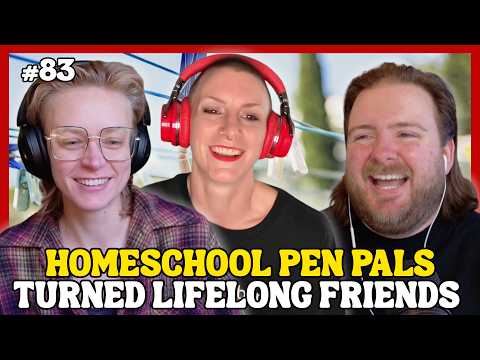
In this episode of the Ex-Homeschoolers Club, I'm sitting down with artist and college educator Jennifer King to explore what really happens when you grow up inside strict Evangelical Christian homeschool culture. Jennifer opens up about navigating deep childhood social isolation, recognizing the toxicity of patriarchy and purity culture at an early age, and the sudden culture shock of transitioning into college life. She shares how visual art became a powerful outlet for processing stored emotions when words fell short, and why healing from a sheltered background often requires balancing strong boundaries with an understanding of family history.
Key Takeaways • Navigating severe childhood isolation requires unlearning social anxieties to successfully build adult community and professional confidence. • Purity culture and patriarchal teachings instill deep shame and fear that often require years of intentional unlearning in adulthood. • Evangelical universities can function as an extension of the homeschool bubble rather than providing a true bridge to the real world. • Visual art serves as a powerful communication tool to express complex emotions, process past trauma, and reclaim identity. • Reflecting on a sheltered upbringing allows you to process past bitterness while recognizing that parents often acted out of genuine love.
Connect with Jennifer • Website: https://jenniferkingart.com/ • Instagram: https://www.instagram.com/jenniferkingstudios • YouTube: @JenniferKingStudios
Resources • Shiny Happy People: Duggar Family Secrets
*Support the Show* • BuyMeACoffee: https://buymeacoffee.com/exhsclub • Subscribe on Patreon: https://www.patreon.com/cw/exhsclub • Check out our Substack: https://exhsclub.substack.com • Email Newsletter: https://exhsclub.beehiiv.com/
*Message Me On Socials* • Email me at [email protected] • Instagram: https://www.instagram.com/exhsclub/ • TikTok: https://www.tiktok.com/@exhsclub • Threads: https://www.threads.com/@exhsclub
*Listen on Podcast Players* • Spotify: https://open.spotify.com/show/1hIhpMeEy6VJuqNUwfz5TE • Apple Podcast: https://podcasts.apple.com/us/podcast/ex-homeschoolers-club/id1641525487 • iHeart: https://www.iheart.com/podcast/269-ex-homeschoolers-club-201877573
*Chapters* 00:00 Welcome to the Ex-Homeschoolers Club 00:36 Finding An Ex-Homeschool Community 04:39 Jennifer Background and Upbringing 12:52 Finding Belonging and Reading Bad Vibes 19:17 Patriarchy and Purity Culture 25:05 Sex Shame and Relationship Rules 36:02 Leaving Home and College Fears 41:19 The Culture Shock Of College 45:22 Secular Music Debate 49:14 Leaving For Art 50:23 Art Roots And Purpose 53:46 Choosing Oil Paint 55:25 Art As Escape 58:21 Museums And Meaning 01:03:40 Homeschooling Advice Today 01:09:43 One Good Thing From Your Homeschool Experience 01:13:22 What Is One Thing You'd Want To Change 01:17:24 How To Find Jennifer's Artwork 01:20:04 Healing And Closing
Read the full transcriptHide the full transcript
- What is good, my ex-homies? It is your boy, Jacob Gooden, and we're back for another week
- in the Ex-Homeschoolers Club. Today, I'm so stoked. I'm stoked every time I get to have a new guest.
- But, uh, I am, I'm especially stoked today, uh, because Jennifer King is joining me, and we're gonna just know a little bit about Jennifer.
- I- she's a new person to me, and we've chatted a little bit in a pre-interview, um, and gotten to know each other.
- But I'm excited to, like, ask even more questions and learn more about her story.
- And so, uh, with that, Jennifer, welcome to the Ex-Homeschoolers Club. So stoked to have you today
- Well, thank you so much for having me. I, I feel very grateful to be here. I've been really enjoying your videos and, you know, I think I told you
- when we talked, um, it's been really hard to find any kind of community online for ex-homeschoolers, like people talking about like experiences
- that maybe weren't like the perfect story of what homeschooling should be. And it was really a, a … It was really a great surprise to come across your
- channel and being like, "Oh my gosh," like I'm, I'm relating to these people. And also interesting hearing a variety of perspectives as well.
- And as I was watching your videos, I was starting to remember things from my past that I had forgotten a lot about, and it was just a, a very strange,
- interesting experience and I was just like, "I, I gotta be friends with this guy," or like, "I gotta contact him."
- So thanks so much for having me on. Yeah, no, I'm so stoked. That's been the craziest part about doing the show, to be honest, is like
- the, the things that have come back. Like, I think I have a pretty decent memory.
- I've been out of it for years now. Oh my gosh, Mhm been that long. But like, you know, it's a decade of my life.
- There's a lot of things to Yeah like I said, I think I have a pretty good memory up there, but there's so many
- things that have just kind of come to the surface talking to so many people. And
- Yeah like, our experiences are so vastly different, but also Mhm level of similarity in there as
- Mhm that's what's very unique because I don't know about you, I know for me there,
- even though I grew up in a big homeschool community, there was a lot of times I felt like, well, this experience is like nobody else feels this way about this
- Mmm-hmm And so now to find people that it's like, I am not alone in thinking this way or,
- you know, having this experience, it's kind of, it's kind of refreshing in a way.
- Oh, yeah, absolutely. And, you know, when you're a kid and you're in it, and if that's all you
- know, and, um, and maybe you're feeling a certain way about it, but then, like, it seems like everyone around you is like, "Oh, homeschooling is
- this perfect thing, and we're superior to people who go to regular school," and all this kind of stuff, you don't really feel like there's anyone
- that you can ask those questions to. Uh, so it is really interesting, um, being… You know, I'm in my
- late 30s now, and kind of just now starting to understa- or I don't know. I think actually your, uh, your YouTube channel helped me to have a
- bit more understanding and perspective of, like, you know, not everyone was, like, having a totally negative experience through this, right?
- There, you know, there's some people who have some good, some bad, some both good and bad, and you know.
- So it's, it's been interesting because for a long time, I felt a bit, uh, a bit bitter towards my experience, and, um, lately I've been trying to, trying
- to have a more balanced view of it, um, and recognizing that, like, you know, our parents are people like everybody else, and they're not always gonna
- make perfect choices in everything. Like, that's not fair to expect people of that.
- Um, and I, I know that my parents love me a lot, and they were choosing things that they thought were the best for me.
- I don't agree with all of their choices, but, um, I, I know that, uh, yeah, I know that what, what they did, they really thought was, um, giving me,
- like a, a better, uh, experience. Yeah but yeah, it's, it's very complicated Yeah, that nuance is important.
- It's something that I think Mhm with being out of it for so long, and you Mhm There's a little bit of a reframe that I think happens as opposed
- to right at 18, 19 years old when you're launching out of it. But Mhm with that, I, I wanna get to know your story a little bit.
- So g- give us, I guess, a little bit of, like, your experience. You know, how long were you homeschooled for?
- You know, maybe a little bit of where you kinda grew up. That way, you know, the state and that kind of a thing, you know,
- Yeah and just give us a little peek, you know, maybe a day in the life. I know homeschooling can be not the same every day, but, you know, what was
- Mhm a day in the life, uh, for Jennifer growing up? Yeah. So I grew up in Southern California in Orange County.
- I'm still here. I didn't travel very far. I'm still here. But, um, yeah, so I was homeschooled all the way through.
- I never went to public or private school, so I didn't really experience school until college, which… And I'll get to that, 'cause even that
- was kind of, like, interesting. But anyway, um, so I have one younger sibling who's 10 years younger than
- me, and, um, he was homeschooled up until, I think it was, like, junior high and high school that he went to a private Christian school.
- So we grew up very, uh, yeah, I'm sure this is gonna sound like a broken record,
- 'cause I know a lot of your guests have the same thing going on, but we grew up very Evangelical Christian, um, at, you know, church every Sunday type of a
- thing, and in the homeschool, uh, culture. Um, I, I know now that the Evangelical Christian homeschool
- culture was its own thing. Like, I'm sure there's other homeschoolers out there who didn't grow up religiously,
- but, like, it was interesting listening to your other guests of how s- how similar, uh, you know, I was remembering things, like certain names
- like Bill Gothard and stuff like that. I was just like, "Oh my God." Um, had creepy vibes about him back then, and now
- we all know he's a creep now, so you know. Exactly Um, yeah. So y- it was, uh, so I was homeschooled all the way through, so my experience
- was a little bit more intense than my younger brother, 'cause he at least experienced a little bit of, uh, you know, having more friends and stuff like that.
- So I had maybe one or two friends at a time growing up and, you know, if, if you have a friend, you might see them on the weekends or whatever.
- But, um, other than that, you're home a lot. Um, so a lot of my memories of childhood were just, like, being home and, uh, I
- never really enjoyed going to church, but that was something I was forced to do.
- And even into my 20s, because I lived at home for a very long time, I couldn't really afford to move out for a very long time.
- Um, even into my 20s, I just felt like I didn't have a choice because I lived at home, that I had to go to church.
- Uh, my mom was very, um She likes to be in control of what her kids were exposed
- to and what they did and things like that. And so th- you couldn't really say no.
- And so I just felt like I really did my time. I r- I really did my time with the homeschooling and the church.
- Um, but in terms of, like, when I was a kid, like the, the day-to-day kinda homeschooling thing, it, um, honestly a lot of it I've forgotten about.
- And I don't know if it's just because it was so boring and monotonous 'cause I was home all the time.
- I don't know if it's just 'cause my memory's not that good or if it's because a lot of it I feel a little bit bitter about because I missed out on being
- around… I m- I missed the experience of being around a lot of other kids with other, uh, with other kind of worldviews and, and other experiences.
- I was very sheltered and so the only other kids I would ever be around would be other Christian homeschool kids, and, uh, who also are socially awkward.
- So I didn't really get, in my opinion, nearly enough socialization to feel normal
- or to be prepared for adult life later on. Um, tran- transitioning into adulthood, adulthood was very, very, a very long,
- difficult process and I, and I, I faked being normal as best as I could. I really, like, I, I do vividly remember the majority of my childhood
- and, and young adult life being, like, wanting to figure out how to be normal to fit in and knowing that being homeschooled was not a normal experience.
- what is normal then? Like, what is that, Right your worldview on normal? Is it television and movies?
- Is it reading books? Like, what is, what is kind of setting this in your head that, well, this is normal and
- Mhm of that I watched a lot of TV as a kid, so that was a little insight into, like, the,
- the world beyond my l- small world. Um, and I think I just never felt connected to the church
- and our homeschooling groups that we were a part of. I just felt like, um, I just wanted to exist in a socially normal way,
- and I was very, a very quiet kid. I didn't f- I didn't have much confidence at all.
- I would say very, very low confidence, and I knew, I was very aware of my social awkwardness.
- And so, like, for example, uh, I think it was around high school age, we did a program where there was, there was this, uh, Biola University that ha-
- I don't know if they have it anymore, probably not, but they had a program for homeschool kids where they could go take some classes outside of the home.
- Uh, a- I think it was called the STAR program. And so just from going to that and trying to talk to people and make friends and
- stuff like that, I failed miserably. I just couldn't connect to people. I, I was very aware of how socially awkward I was, and it
- w- it was, uh, frustrating 'cause of course I wanted more friends. Of course I wanted… Like, when you watch, like, TV and movies about, like,
- people in high school, and they've got their friends, and they go on adventures, and they, like, you know, do fun stuff outside of the house you know?
- You can't help but feel jealous and feel like, man, I'm really missing out on, um, a lot of, a lot of memories that other kids would have.
- Like, I don't get, like, soc- like, I don't get, um, pop culture references that people remember from their childhood of certain songs and
- certain movies and things like that. Um, I, I didn't go to prom because, like, my prom would've been, like, five people
- that I didn't like from the homeschool group, like, hanging out together. And I, you know, it was just… I don't know.
- It, it's, it's sad to think that I could have been a bit more prepared for college
- and for adult life, and I was, I just feel like I had a lot of fear of growing up and of leaving the hou- the, like, my home because I knew I was not prepared.
- I knew I didn't know what I was doing. I didn't know how was I gonna, uh, choose something to major in in
- college and get a job and move out. And how do people do that? I don't, I had no concept, you know?
- That's so interesting. You talk about, like, having this, like, very, like, gut feeling that you're
- like, "I don't belong here," or like, Yeah for maybe a little bit more than this," or things like that, and I think
- that's such an interesting, like… I, I don't even know what the, what the question is there, but it's just
- Ja that's such an interesting feeling of, of like almost knowing, knowing you don't belong here just seems
- Ja visceral. Um, y- yeah. So I, I guess, I guess where I, guess where to go from there is, is really like
- w- when does that go away? Does that ever go away? Like, did, you Mm. I mean, not to jump too far ahead, but just, you
- Sure like does that feeling ever go away of like, "Hey, now I've found this thing that I belong to"?
- I definitely feel like, um, I'm trying to think in terms of a timeline. I would say when I turned 30 and I h- I had a really great group of friends
- from college who all kind of stayed within the area where we would still plan things, do things together.
- I felt like, okay, at this point, like I, I have direction, I have a job. I've, I've been out of homeschooling and all that long enough to learn
- how to socialize more normally, and I felt like I had made a, a bit of a little community of artists and friends from college that, uh, to me
- felt a lot more normal, uh, uh, to me. And, um And that, that was, that was really great.
- I think it, it really did feel like a long journey to get there. And, uh, to kinda try to answer your question about, like, why I had those
- feelings so early on, you know, especially with being homeschooled in, in this very
- specific environment where everyone around me has that same kind of same faith, same
- kinda worldview thought processes, all, uh, like all this sort of same culture of
- Christian homeschooling, why I never felt good about that even as a very young kid.
- Uh, the only way I can explain it is that even now I will say I'm extremely sensitive to recognizing bad vibes in certain people and places.
- I am not very good at determining good vibes for some reason. Like, I- if someone is, like, a genuine, like, you know, maybe a stranger to
- me, but they're, like, nice and genuine and they don't have any ill intent, I'm not always good at recognizing if they're safe to be around or not.
- But if someone has weird bad vibes, I pick up on it. Um, I don't know why. I don't know why that is, and I can't explain it to this day.
- I just know that even from very early on, I felt uncomfortable about The church vibe, it,
- Ja uh, I, I didn't make friends. A lot of the, um, young people at my particular church, like the
- youth groups and things like that, I found them to be very unfriendly. I found them to be very cliquey, like high school cliquey, like,
- "Oh," like, "We don't know you. You're kind of socially awkward, weird homeschool kid.
- We don't wanna be friends with you," type of a thing. I just fe- I, even early on as a kid, I felt like I was
- recognizing a lot of hypocrisy. And of course, the older I got and the more I learned about, like, some of the
- stuff that we believed, uh, and stuff that wasn't even really from the Bible, but just culturally that Christians believe in, um, or at least this flavor
- of Christianity , um, I just felt were all very, uh, wrong and very hypocritical,
- and ver- and didn't make any sense to me. And, um, so it was just a feeling. I- it's really hard to explain.
- And it- it's, it's like, I guess kind of a good thing, but it was also, at the time, a really bad thing that I did feel that way, because it made it
- even harder to, to make friends, 'cause the only options I had for friends were those people around me, right?
- Right but yeah, I, I don't know. There, there was some mean kids there at church, and then in the homeschool
- group, it was a lot of just really strange, socially awkward personalities. And it's like, if you get a whole room of that together, like, you
- know, what do you expect to happen? Yeah. I, I think w- also what you're describing is so interesting because,
- you know, for me, religion very much taught me this kind of like, you- your, your gut feelings can't be trusted and things like
- Mm. I Yeah bought into that, and it's been as an adult that Mhm to kind of recognize like, "Okay, no, I need to trust, like, my
- body is telling me this thing." And so, Yeah think that's why I'm so c- I was so curious, and I am so curious about that
- feeling for you, because when I had feelings like that, just was able to push them away and, and say, "Oh, well, that's like, that's not good," 'cause I had,
- Mhm to just not trust myself. And so, oh, that feeling must be, you know, bad. It's from Satan.
- Right You know, it's very, it's fleshly, uh, and I need to not worry about that.
- And so I was able to just kind of ignore those things. Uh, and then in tw- in my 20s, then it was like all of a sudden all that stuff came
- bubbling back to the surface, and now, Yeah uh, yeah, I'm now 30. I'm, like, still kind of unpacking some of that.
- Like, "Oh, really genuinely felt uncomfortable in this situation," but, you know.
- So I just find it so fascinating that you felt that way even back then and were Mm-hmm
- it a little bit more than, than someone like me who's just like, "Nope, ignore, ignore, ignore. Shove it away. Put it away." Like, you
- Yeah it's not real, uh, in a lot of ways. And so, uh, Yeah. Yeah, it's, it is interesting.
- I, I think I just felt a certain unfairness, and I don't… And it might be, uh, partially because I'm a woman, and so as a girl growing up in
- this culture that, uh, unfortunately a lot of Christian viewpoints are very rooted in these patriarchal, uh, views.
- I mean, uh, listen, at the time I didn't know, like, the Bill Gothard stuff, like, looking back and l- actually looking at how horribly patriarchal,
- uh, the, the ideas there are. And, and I mean, it really makes me frustrated to think that my
- mom went to those sem- seminars. But, you know, as, as a girl, like, hear- hearing this stuff and feeling
- that vibe of like, "Oh," like, "Men are in charge and they make the decisions," and stuff like that.
- And thinking about how ridiculous that is, I mean, now as an adult looking at, like, these men who are ruling our country and doing a horrible job.
- Not to get political, but, you know. I mean, let's look at history. A lot of wars have been started by men who are, are very emotional,
- and how silly it is to think that men, right? I mean, how silly, how silly it is that we have been telling ourselves all
- this time that women are the emotional ones, they can't lead, they're not smart enough, and stuff like that.
- And I just for some reason early on just felt that unfairness, and was just like,
- "Well, like I, I have a right to be taking up space, and like having my own ideas
- and opinions," and, you know, um, I just, I didn't see, I didn't see the future for myself that a lot of other people in that culture would see a- as a woman.
- Like, I, I didn't see myself being like, "Oh, I'm gonna go, like graduate high school or college and then just like meet someone and start having babies,
- and have this like white picket fence like lifestyle." Like, I, I never saw myself as having kids or wanting that.
- Like, I feel like my childhood was different where I missed out on stuff, and I'm like, I, I want even as an adult to like have the time
- and space and energy to enjoy some, some of those like fun experiences. Um, which I'm sure a lot of people, uh, people have opinions
- about people who don't have kids. Like, "Oh, that's selfish, and you're immature," whatever.
- But I think it's totally fair. I don't think that, I don't think that… Actually, I think a lot of, there's
- a lot of people out there having kids who maybe shouldn't, because once… You know, they do it because our society says you're supposed to have kids, and
- then they have kids and realize how hard it is, and how they can't afford it, and how they, uh, are not able to take care of themselves 'cause they don't
- have enough support for raising kids. I think it takes a village to raise kids, and if you don't have
- that, it's gonna be really hard. And so I was just like, you know, everyone else wants these things
- that I don't understand why this is the formula for happiness. Like, I just didn't agree with that.
- And, uh, I kept all that stuff to myself, but I, I felt that really early on. And all the purity culture stuff that was shoved in our faces
- like, um, that, uh, that book that you, you did some episodes on. What was it called?
- Goodbye Yes. Oh my gosh, I t- I told my mom, I'm like, "This is…" Even as a kid I
- told my mom, I'm like, "This is BS. This guy's not married. Why are we listening to him?
- Like, who is he? Why, why is it just 'cause he's a, he's a guy? Is that why you're listening to what he has to say?
- He's, he's feeding you information that you wanna hear, and you're not even looking at who he is and if he has any experience."
- Yeah. That book is a tough read as, as Ja it now as an adult. And then he had a, he had a follow-up book, um, called
- Boy Meets Girl, and that was Oh, really? and that was about, that came out about a year into his marriage.
- And I, again, I was gonna do a whole episode series on, on that one too, but after doing I Kissed Dating Bye, I was like, "I gotta, I gotta take a break on
- Yeah, take a break. Yeah. But, It's a lot. that book, that book was so crazy to me because I was like,
- a one-year-into-his-marriage person is, is giving advice on Advice strong, healthy relationships look like.
- And Right I'm about to celebrate eight years of being married, like, Thank you. Um, like, that is just such a small glimpse into what eight years, and
- I would, I would say that even eight years is a very small window of time, Mhm you know, when you compare it to someone like my parents or, uh, you
- know, any of our parents who have been married for 20-plus years. It's, uh, you know, it, it's just wow, well, oh my gosh, my parents have been
- married much longer than that, 'cause they've been married my entire lifetime. So the over 30 years of marriage,
- Yeah that's a much bigger window of time. And so Mm-hmm I, uh, I, I agree with you.
- Like, seeing some of that and being able to call it as, as b*llshit, Mhm I, I wasn't totally able to do that as a kid, but now as an adult, I'm
- like, "The- these were very damaging things that, yeah, were getting Yeah of us and said, 'Hey, here, read this.
- You're struggling with this thing,' or, 'You're a teenager,' or read or Well, it was normalized.
- It was normalized for us that it's like this is the perfect fantasy of a conservative Christian lifestyle, is that you don't think about each other, look at
- each other, touch each other or anything. But if you think that person is, like, a cool friend, then you marry them.
- Like, what? Yeah. Well, and that's just… Yeah, it's, it is very, uh… Yeah, it's,
- like, very tricky, 'cause yeah, it's this… I, I always allude to it being like a light switch, right?
- Of like, we were told for so many years, "Sex is bad. Sex is bad. Sex is bad." You get married, all of a sudden, light switch flips on, sex is
- Yeah But, like, that's not really how the human brain works, right? You program it to believe that this thing is, is wicked and evil and just terrible.
- Um, you know, when you finally are okay to do it, it, it's, it doesn't work that way,
- and it leads to a lot of frustrations, both, both for men and women, right? And, and, you know, I can speak for myself that it's like, it led to
- problems in the bedroom that were just, like, I just couldn't, I couldn't be my full self, because I just
- Sure disgusting and had shame and guilt around it. even like when you know that it's not evil and wrong, like you've made a
- decision that like, "I don't believe this anymore," but because you've been conditioned to feel that way, you're still gonna have problems with it, right?
- Because you, you know, you've, you've been, um, fed this kind of, these feelings
- of like guilt and shame and, uh, and fear. I think fear f- is the biggest one for me.
- Um, that it's, it's like it follows you. It, it haunts you a little bit, and it's really hard to, um… It just takes a long
- time to, to shed some of those feelings. And, um, yeah, it, it is really… It's really sad because
- it w- I mean, let's be real. Marriage is something that people, humans invented.
- It's a little ceremony. You get a ring, you know? And it's like, that's somehow supposed to be magical in some
- way, where like suddenly this thing that was so evil before is now like amazing and good and perfect?
- Like, I, I don't think life is black and white like that Yeah, no, it's taken me a long time to kind of recognize that I'm like,
- to me, like, to me, sex became something that it was like, it's very much a decision between two people,
- Yeah more. But it's also, uh, for me, it's something special where I wanna do it with someone
- who, who means something to me and has a significance in my life, right? And Mhm.
- it, it became an understanding that I'm like, "This is a, this is a s- a stronger
- commitment level than just, 'Hey, we're hanging out. We're being friendly.'" Right
- those types of things. And to your point, yeah, rings and m- you know, the actual marriage
- ceremony and all that stuff, it's like, yeah, that's kind of stuff we made up along the way to, to, you know…
- A- and, and it means something to some people, and that's fine. But it's, it's a very… Yeah, it's a very interesting thing that
- it's like we can't, we can only, we seem to only be able to respect relationships in this certain form,
- Mhm And reality is, relationships just look so vastly different, you know? And, Yeah
- relationship looks in- incredibly different. And so, And I, and like marriage is such a big commitment for a lot of people that
- why not have some learning experience of, of, you know, like, uh, I had recently re-watched the Shiny Happy People documentary series, and they'd
- go over like the Duggars and h- and like the young couple that ha- had like all their dates were chaperoned.
- And so it's like you're not preparing yourself for the reality of being together alone.
- What does that look like? How are you actually getting to know each other if you have someone,
- like, watching you the whole time? Um, it's, it's… I don't think that it's a normal progression into
- a huge lifelong commitment you're making to be with one person. I mean, you gotta have some, some experience, you know?
- There, yeah, there's way more to it than, yeah, just, "Oh, we went to the movies, and we
- Yeah. It's like there's very deep conversations that happen, and there's very significant moments that happen.
- And, um, it's funny that you bring that up because the, the homeschool world that I grew up in, not everybody believed in the chaperone thing, but there was
- Right a group of kids that, yeah, their parents had that chaperone rule. And I remember just being like, "I'm sorry," like, "That's… I'm
- never gonna date you because that's Right. like…" It sounds miserable it's, uh, it is.
- It is miserable. Um, Yeah like I saw it firsthand with these people of like, you cannot be
- alone with this person for fear of who knows what's gonna happen. Um, you know, and, and I think that's, that's a frustration for a lot of people
- is also it teaches a, it teaches a w- a not trusting, again, not trusting yourself
- and not being able to, you know, trust that you, you can be alone with somebody.
- Uh, Billy Right one of their, the rules that, for his organization was like, uh, if men and
- women were alone in a room together, the door always had to be open. Yeah we could s- you know, you could see in and things like
- It's it's like y- you can't teach men self-control. Like, you know, I'm not saying that you should be closing the door, but I'm
- saying, like, are you really… Like, you can't, you're telling people you can't be
- trusted to be alone with women around you? Like, it, it, I, I really, uh, felt very icky about all of those
- kinds of, uh, opinions, you know? and that's a totally fair feeling around that.
- You know, as someone Ja up being taught, "Well, you kind of are this uncontrollable hormone monster,"
- Ja That does a lot of damage to a kid who, you know, it, it's like, "Oh, so you mean, like, when I feel this way and I do this thing, or I act this certain
- way, like, I have no control over that?" Like, Mhm seem real, you know? Like, it, it,
- Yeah know, breaking out of that to get to a point where it's like, "No, I have, I have the power to say, no, I don't wanna act this way, or be,
- Mm-hmm in this way," or, you know, uh, all the different, all the different things.
- It's like we need to be enforcing that narrative of there, there is the ability to say no as a guy.
- There is the Right, right to a higher standard. Um, Yeah we can't put it on somebody else to do that for us, which is what a
- Right. culture teaches, is that Right, it puts it on the women. yeah, it's Yeah to make sure you dress a certain way and act a certain way, and you
- Mm-hmm put yourself alone with a man, and all these different things. And for men, it's like get to do whatever, and if,
- Right s- if we screw up in some way and, you know, we make out with someone, or we
- Then Jesus will forgive you. guess what? We are forgiven and we no longer have a
- Right on us. But for women, oh, that is like, Right get you kicked out of the church bad.
- Like, Yeah to me. That is such a, an insane teaching. And, uh, um, know, and some people I know will say, "Well, that's
- very, like, extremist belief." It's like, yeah, but it, but it But it leaks in, it's part of it, right?
- Yeah. Yeah. And especially like, especially if you are listening to people like Bill Gothard
- and, and there's these, these really strong, strong patriarchal ideas in there, even if they're not ex- explicitly saying like these things of like,
- "Oh, women who have sex before married are, are gonna be kicked out," even if they're not saying that, it's building this, this, uh, normalization of like
- men are higher than, up th- than women. It's like God, men, women, children, and, uh, it's wrong
- I always, I always laugh when people quote, you know, the, the verse in the Bible of like, uh, women submit to your husband, right?
- Mhm. it always ends at that. That's the end Mhm. thing that gets preached, right?
- But you read the next segment of the Bible, and it literally Mm-hmm men should also submit to their wives." And I'm like, it's right there, and we
- Yep we doing, you know? And so Because throughout history it's been a lot of men in charge of interpreting
- the scriptures and making up these rules and building the culture around this religion, and that's why patriarchal ideas have gotten so ingrained.
- And it's sad because I really do believe that s- you know, certain religions and, and Christianity as well could be really great for…
- And it, I know it is helpful for a lot of people. Uh, I mean, some people it works well in their lives, but it could be so much
- better if people would actually accurately interpret the scriptures instead of bending it to what they wanna hear.
- Um, I really truly believe that thing that really helped me is, like, I have read the Bible three
- or four times front to back. Um, and, you know, uh, just all the way through, and that's not counting
- all of the times that, you know, you individually go in and read something. That's just actually sitting down and reading it cover to
- Yeah And, know, that helped me create a much clearer picture of what is truly in there and how
- Mhm reading different translations of the Bible too. But, That's important too. I mean, we were all like New King James Version, which is like
- reportedly the worst translation I mean, that b- that book, oh my gosh, learning the his- also
- learning the history of translations is, yeah, that's been a big That sounds interesting, yeah
- the New King James Version has a major influence from a king, from, from, who wanted to create… He wanted to change the Bible to justify him getting divorced.
- Mmm-hmm that is putting new interpretation into the Bible that was not there Yeah.
- So Yeah gets changed in that process? And so understanding where those translations come from is very,
- Mhm Um, yeah, it's, it's a whole rabbit hole of stuff I know. We could be here all day.
- And, um, no, I think, but it's a, it's a great, like, it is a great thing to point out, though, of like, where do all these things come from?
- Because that is, i- in some ways, to me, it is almost the beginning of the end for a lot of people.
- It's the beginning of pulling the thread, right, to unravel some stuff. But it's like, you really, if you wanna believe this stuff, I have no
- problem if you want to believe that there is a God and, you know, and that Ja come and die for your sins.
- That's fine. But yeah understand, where does your religion come from, and how is it, where is
- it birthed out of, and where does these translations, and who are these people who are influencing you to believe certain aspects of the Bible?
- Right an always asking of the question of like, "Well, where does this stem from?" And never
- Mhm committing and trusting to one person's, uh, words that they, Mhm the all-knowing power on that thing.
- And so, uh, Mmm-hmm made a big difference Yeah, absolutely I wanted to kind of go back.
- You had mentioned, you know, fear played a big role in childhood and, Mhm in just also growing up.
- And you, you had even said in your early 20s, you know, still living at home and kind of having this fear of really launching and
- finally leaving bubble that had been Mhm you. And so I'm curious, after those homeschool years, we're out of high
- school, what is next for Jennifer? Like, was it Mhm go to college? Was that something that was being ingrained in you that, hey, college
- is kind of the next logical step? Or, you know, uh, we talked about, you know, patriarchy, right?
- Like, there is this Mhm hey, you should just get married and start having kids and, and move on with that.
- But what did kind of leaving the homeschool bubble look like for you? Yeah, it's interesting looking back because I, I am grateful that it… I
- don't even think it was ever a question of whether to go to college or not. It was always kind of expected that, oh, the next step is go to college.
- So I'm really grateful that my parents had that attitude that like, yeah, education is important.
- Like, you're done with high school. What else are you gonna do? Let's go, you know, uh, that would be the next step.
- Um, now again, I, I haven't personally ever been to public or private school before, so I don't know what kind of, uh, experience people have
- with like planning for college. But I would imagine it would be helpful having a lot of friends who
- are in the same position talking about, "Ooh, I'm gonna go here. I wanna go here.
- I'm gonna apply here." Um, because I didn't have that, I was really at a loss of like where to go or what I wanted to do in college.
- I felt like a very average student in most things. Uh, definitely below average in things like math and, you know, I
- was like an okay writer and then I like, I was like, I know how to draw. Okay, so what is how is that gonna be helpful to me?
- I don't know. Um, so, uh, my mom You know, being really, uh, you know, strong in the
- evangelical Christian, you know, culture, of course wanted me to go to Biola. And a lot of my, like the f- the few f- friends from homeschooling
- that I did know were going there. And I didn't really necessarily wanna go there, but I felt like
- anything else would be scarier because I wouldn't know anybody. If I go to this one school, at least I kinda know a couple people
- who are going, so there's some… Like, I, I had that much fear. I mean, let's put it this way.
- As a kid, when my dad told me that I would have to learn how to drive, I cried, okay?
- Like, I was a very fearful kid, okay? Like, most kids would be like, "Oh, I can't wait to learn how to drive
- so I can get out of here." I was like, "That sounds terrifying." Yeah. It's 'cause your, the majority of your childhood is spent at home,
- and that's your comfort zone, right? So this idea of just like, oh, well, you've been homeschooled your
- entire life, and now you're just suddenly gonna go off to college, and you feel completely unprepared.
- And how am I gonna make friends? How am I gonna know how to plan for the rest of my life?
- I don't know what kind of job I wanna have or should have, or I don't know the concept of how much money I'm gonna need to make from a job to
- move out or th- things like this. I had no clue. Um, and so unfortunately, I did end up going to Biola.
- Um, didn't work out. I eventually tran- uh, transferred out of there. But I, I did waste all the savings we had for college on a couple
- years at Biola, unfortunately. Um, and again, it was just because of fear, and my mom had a bit of
- a negative attitude towards other options like community college. Um, she kinda felt like that was for, like, the low-achiever kids.
- Like, the high-achiever kids go to university, which, like, I understand. And by the way, like, I'm painting my mom in a little bit of a negative light
- here, and that's not my intention. I, it just happened in the conversation that there's a couple
- things I wanted to bring up. But both of my parents are really am- I wanna make sure I say that I
- really love them both, and they're both really amazing people who… And both of them really care about their kids, and I think a lot of their
- decisions to homeschool were just 'cause they felt like it was the right decision.
- I mean, my, it was more my mom's decision than my dad. I I, uh, I definitely, I f- I feel like I should ask my dad what he really thought
- about all of this because I think… I feel kind of bad for my dad 'cause I think that he really felt like
- his role was just to work and make money, and that everything regarding the kids was, like, my mom's call.
- And I feel like if he had more say, he probably wouldn't have been a fan of the idea of homeschooling, but that's a conversation for another day.
- Anyway, Yeah yeah, so like it, I'm glad that it was like, okay, like, yeah, you are gonna go to college.
- You just have to choose where. But I felt very heavily influenced by my mom and the fact that I
- knew a couple people who were going to this one university. And for those who don't know, Biola is a very conservative Chris- or at the time.
- At the time. I don't know how it is now, so I'm just gonna speak to at the time, uh,
- was a very conservative Christian, uh, evangelical Christian university. And you had to, like, sign contracts, uh, to go there saying that you would,
- would or wouldn't do certain things. Like, we weren't allowed to dance on campus.
- Like, that's the level of, like, conservative that, you know. When you go on campus, I don't know if it's still there, but they had this giant
- Jesus mural that was scary as… I don't know if I can swear on this show, but say
- was scary as f*ck. Like, this Jesus guy was s- like, huge and looking down at you, and it was like
- y- when you're on campus, you know that, okay, like, you better watch yourself. always watching you.
- Always watching you. He can read your thoughts. And, uh, you know, you were required as a student to minor in Biblical
- studies and to go to their on-campus church multiple times a week, and they recor- you had a card that you'd have to scan going in and out of
- church to prove that you were going. And that's not counting you're going to s- church on Sunday.
- So let me tell you, I've done my time with church, okay? Like, when pe- when people ask me like, "Do you wanna go to church with me?"
- I'm like, "No, I've done my time." As, as someone who went to a very similar col- I didn't go to Biola.
- Mh. Uh, Okay Biola because one of the main reasons was because of the dance clause,
- because I was a dance instructor. Oh. so Oh, really? that is a no-fly for me. I have to go somewhere where I could still,
- that's so interesting Um, and yeah, and I didn't believe dance was bad, which it's
- No, of course not. It's amazing, and I, I wish I could have danced and so, but, but we had similar rules of pr- you know, you probably
- Mm-hmm. agreement where, "Hey, I'm not Yes. before I'm married, and no Yep. drinking on campus," and, you know, all of
- Mm-hmm Um, and then we also had the on sh- on-campus church, and you would scan in and all those types of things.
- And it's, it's very interesting. My, my friends and I, when we talk about college, we talk about it being, like,
- an extension of the homeschool bubble. Yes bubble, but it's this extension of that safety net to some degree, where
- you can kinda dip your toes into being independent a little bit, you're still in the safety zone, where you
- Mhm maybe thinking, you know, community college is, is a little bit scary for her 'cause, oh, well, it's for the kids who didn't excel very well,
- Mhm you could be exposed to probably ideas that, Yeah. your mom doesn't approve of.
- And Mm-hmm. There is kind of this fear associated with, with things like that a lot of
- times for parents as their ki- as their homeschool kids are getting off, getting
- ready to launch and go to college. They're like, " Well, I Mhm college where they're not gonna lose all of this, uh, teaching
- I've been giving them," right? And so, you know, uh, yeah, Biola's just one of those safety nets
- for a lot of homeschool kids. Specifically in California, too, it's very much a safety net for a lot of those kids.
- And you really hit the nail on the head there. I have described it this way before, that it really felt like
- an extension of homeschooling. I still felt controlled. I still felt wrapped up in a plastic bag, like, you know, protected from the
- out- the scary outside world of people who think differently and, uh, but while at the same time not really agreeing with or connecting with any of those
- people and those, that culture there. Uh, I literally just went there out of fear, and it, and it sucks
- because, again, it was expensive. It was expensive for, uh, an experience that I didn't enjoy.
- And, um, the, you know, the requirement of getting your biblical studies and all
- of that, like, that was such b*llshit. I mean, those were the hardest classes. Um, I, I remember this one class.
- It was-- So we had, like, a Old Testament class and a New Testament class. In the New Testament class, there was this one class where the, the, he started the
- class saying, like, "Okay, we're gonna, um, split up into two halves of the room.
- If, if you think that secular music is sinful, go on this side. If you think it's not sinful, go on this side, and then we'll debate." So
- we did all this. It took the whole class time. At, at the end, he's like, "Well,
- actually, it is sinful, so that's it. Bye." And I was just like, "Are you kidding me?" Like, y- and his example
- that he played, 'cause he played, like, you know, gospel music, and then he played, like, a, an Elvis song.
- Yeah Okay, so it's sinful to listen to Elvis? Like, give me a break. is And it--
- What are we I-- He was very, very, ver- like, the most conservative. Like, he-- I remember he mentioned, like, uh, 'cause at, at the beginning
- or end of the cla- every single class, they would have to, like, you know, do some worship singing and pl- he'd play his guitar or whatever.
- And then he said something like, "When af- when we die, the rest of eternity, eternity is gonna be this." And I was like, "Oh, hell no.
- I don't wanna do that for the rest of e- Please, no. This is torture. I hate singing.
- Like, I don't like… Please, no." Like, I just… So, someone… I majored in music business.
- I wanted to work in the music industry, Oh, cool was, it was so funny to me because when people would say, "Oh, well
- what Christian band do you wanna work with?" And I'd be like, at, Mm. ti- at the time, we did not know this yet about Kanye, but Ka-
- I wanted to work with Kanye. That was my Oh, okay. Yeah and I work, wanted to work for Kanye.
- And, uh, this was before Kanye was a Nazi. Um, and so Kanye is a lot of things. to… Yeah, he's a lot of things.
- Uh, yeah, we used to debate, jerk or genius. Um, and ja he, but it was, it was hilarious to talk to people because they'd be
- like, "Well, why do you wanna work for such, like, a sinful person?" Yeah " Well, my understanding of the Bible was always it, it's our job to go be
- in the world but not of the world. Yeah, of course am I supposed to do that if I work for a Christian artist who is already
- Ja. who is already a Ja this thing? It does nobody any good, and so I need to go work
- Mhm outside of that." And it just was always so interesting to me that people would
- just, very similar to your professor, but the, you know, secular music is sinful and
- it's evil and it's all of these things. Well, okay, but we should be reaching out into these groups of people.
- We should be Mhm it to, to understand it and see where it comes from and ask those
- Right Again, that's my worldview. That was, that was the way I looked at it, and so,
- Yeah just hilarious to think that y- you know, your professor would have hated me 'cause I would have been like,
- Oh ja Swift is super cool because of X, Y, Z reasons," you know? And Right know, Elvis Presley was, Elvis Presley was a gospel singer before he was
- Right. Like That's why it was so funny that he used a Elvis song, you know? And it's just kind of like, "Oh my gosh," like, um… And yeah, I, I totally agree
- that it's like if, if you wanna be, like, a legit Christian and follow what the Bible teaches, the Bible teaches, like, be friends with everybody and, and be
- an example as a, of, of a good person. And, like, it- I think when people get fearful of the outside world and
- they build these little bubbles and little communities of, of everyone who thinks the same way, that's when it starts getting more cult-like.
- And I think that's where all these kind of like dangerous, um, ideas sort of fester and build.
- Um, it's because you're not being challenged. Your thoughts are not being challenged at all.
- Um, and that's how it felt. It really did feel like being in a bubble at Biola, and I just felt like I still
- didn't know what I wanted to major in. I kind of would have preferred to major in art there, but at the time,
- their art department was very weak. Like, I went to their tiny little art gallery and it was like Jesus
- portraits, and I was like, "Oh my God, what is this?" And, you know, um, so I, I majored in English at the time just to do something, but I was like,
- "Well, I don't wanna teach English. What else am I gonna do with an English major?
- This is, like, wasting my time." So I transferred out of there. I went to Fullerton Community College for a year to finish up my GEs, and
- then I went to Cal State Fullerton, majored in art, which, uh, you know, like it, it took a little bit of, like, navigating of, like, trying different
- majors before, you know… It took me ev- forever to get my bachelor's I think I spent like seven years trying to get my bachelor's, but I finally did it.
- so art, like is that something that was like, is that something that has been a part of, of you and your personality for a long time, or is that something
- you kind of found and fell in love with more in those college years? yeah, it was something that I enjoyed drawing as a kid.
- My mom had a bit of a art background because she got her associate's degree in commercial arts, which was, like, before they started calling it graphic design.
- It was called commercial arts. And her grandmother, uh, she did some painting and, uh, rosemaling, which is
- a Norwegian folk art style of painting. And so that, uh, little bit of, like, artistic background was
- passed down th- on my mom's side. And so, uh, it, as a kid, you know, when you're part of a homeschool group, like,
- if one mom kinda knows a little bit more about a certain subject, like we had one
- mom who she had majored in science, so she would teach the science class for us, and
- then my mom was the art lady, so she would teach the art classes and stuff like that.
- So I did learn a bit about drawing and painting as a kid. And, uh, because people would tell me that I was good at it, it was the one thing
- that I had a little bit of pride about. Um, because otherwise I really lacked in confidence as a kid, but with
- the art, I was like, "Oh, everyone seems to agree that I'm good at this, so this is kind of exciting."
- And it motivated me to, to draw. And so, um, I, I remember being really obsessed with the Lord of
- the Rings movies when they came out, so I drew the portraits of all the characters and stuff like that.
- Um, but I didn't really know if I was going to do anything artistic later on. But, uh, you know, when I was trying to navigate college and trying to figure
- out what to major in I just realized I wasn't really good at anything else And, uh, art felt like a way of communicating with things that I
- didn't have words to put into place. Um, so it did feel good to make stuff. And so it just sort of eventually naturally happened that I
- switched my major to art. And the more I got into art and being around other people who were
- into art, I, I learned that, oh, art i- is a communication tool. It's not just about making something pretty that you can put on your
- wall that matches your couch. It's like actually putting thoughts and feelings and ideas out into
- the world and shaping the culture with what you are communicating. I mean, there's all these different types of art, right?
- Like music is communicating in an audible way, writing is communicating in a written word, uh, and then art is, like visual art, is communicating visually.
- And I was like, "Okay, I'm not really good with expressing myself verbally or knowing the language of how to express my ideas, but I can do it through
- pictures." So, um, it just naturally happened over time that I did that. And of course, when I graduated, I was like at a loss for what to do next
- because you can't really do much with an art degree in terms of earning a living.
- So I worked retail part-time for like four years and then ended up going to grad school for art because I was like, "Well, I, I don't have many choices
- here. I've gotta do something." And then, and so now I, uh, I'm in art education.
- I teach at a university and a community college. Do you have a, like, a, a specific medium that you lean towards?
- Um, you know, I know there's, like, there's a billion different mediums Yeah just went to an art museum and I was like, "Well, that thing over there is
- made with yarn, and that over there Yeah. painted." And I'm like, you know, Yeah
- that I didn't know that art had that many mediums, but it, it just is, it's so fascinating to me to see where people fall with that kind of stuff.
- But do you have something that you lean more towards over other things? Yeah, these days it's oil paint.
- I really love the history that oil paint comes from, but also the versatility of all these different techniques you can achieve in oil paint.
- And oil paint just looks sexier than acrylic, so I went with oil. But, um, as a kid I did a lot of drawing just because that was kind of the
- easy setup and easy thing to do and, uh, but over time I just really fell in love with color and learning color theory and all that kind of stuff.
- So, um, I'm really into oil paint now. I know how to use all the different mediums like watercolor, gouache,
- acrylic, all these different things, but oil is my absolute favorite What have you found, like, you know, you talked about, you know, being able to
- express some of the emotions that you were feeling, you know, that you're like, "I can't really verbalize this," or, "I can't write it down," or anything like
- Mhm I'm curious, you know, whether it's even today or whether it's even looking at
- pieces that you were making at that time in your life, like, what, what has kind of
- maybe revealed itself to you that you're like, "Oh, I was feeling this at that Mm.
- And may- maybe you don't have the words for it still, but, you know, what, what have you found has been some of the emotions and the expression that
- you've, you've done through, through art? Well, I think as a kid, I mean, the main access I had to, like, the outside world
- was through TVs and, TV and movies, right? And I watched a lot of TV and movies.
- And so of course it'd be natural that when I got into drawing, I would draw from pictures that I'd find from shows and movies and stuff.
- And for me, it was kind of like a, a fantasy of like, "Oh," like, "if I was this character, what would my…"
- I was a very, very, uh, daydreamy kid. Very … Like, I would just disassociate and daydream all the time.
- It was really a problem in terms of actually, like, focusing in on, like, home- you know, doing homework and stuff.
- Um, I remember, I remember sitting at my desk and, like, looking out the window, and my, I think my math textbook was in front of me, but I was
- just, like, staring out the window. My mom's like, "What are you doing?" But you know, I would just … I'm like,
- "Oh, there's a whole story going on in my head." I'm fantasizing about, like, being
- in Lord of the Rings or whatever it was at the time that I was fantasizing about.
- So, like, books, TV, movies was all, um, an escape, right? Uh, so I could feel like I was traveling.
- Um, so other than that, as a kid, I don't think there's anything else I look back on
- and think like, "Oh, I was really, like, expressing my feelings." I think it was
- more, like, expressing fantasy of escape. And then, uh, but now as an adult, I'm incorporating a lot of, um, kind of like
- ideas and symbolism of, uh, this, these ideas of like, you know, like feminist ideas of like, you know, female power and these kind of like linking y- your
- spirituality to, like, nature and kind of looking for that kind of connection because I didn't get that, uh, in the environment that I was in as a kid.
- I just didn't have any sort of connection in that way. Uh, I love animals. I am a … I have four cats.
- I'm obsessed with all animals. If money were no object, I would own all the animals, okay?
- So, like, for me, like, that ki- that comfort and a way to make you feel like you're at home is having animals around you.
- So this idea of nature, being in nature, I'm incorporating that in- a lot into my work, and it's very freeing.
- It's very comforting to be able to, like, you know, I'm not the best speaker, but I know that I can b- I can make things and communicate through
- these ideas visually, or even just feelings, uh, communicating visually. So a lot of my oil paintings feature the female form and then
- incorporating, uh, maybe some nature or animal in environments. I lo- I love that.
- I think something I've been learning more about art, so as we're recording this m-
- about, uh, two weeks ago or a week ago, a little over a week ago at this point, I
- went to the art museum here in Nashville. And, um, to a couple, but they… It was, it was interesting.
- My wife has a much bigger appreciation for art than I do. I, I tend to lean in this place of like, "Well, I just don't get it. I
- just don't understand," or whatever. Um, but she's forcing me to kind of go and just face it.
- I, I think it's a little bit of a fear of like it makes me feel stupid sometimes 'cause people pull these beautiful meanings out of it.
- Um, and I'm like, "Well, it's a painting of a dog." Like, I don't know. I don't see anything else, um,
- Yeah. a thing. And, I will say that the fine art world can get very snobby, but don't be intimidated by that.
- You don't have to get it to enjoy the art, in my opinion. what I loved about going was seeing, 'cause they had a, they had a, a
- surrealism exhibit and, um, and then they had an artist showcase, uh, uh, for this lady who… It's like, it's this mix of, uh, like lace and very patterns and
- light, and just a very, very interest- It's hard to describe without seeing it, and I'm blanking on her name right now.
- But was very cool to sit in these spaces, um, and, and see, and just kind of like
- I, I tried to let myself just feel what, what emotions am I feeling right now, as
- Mm-hmm. understand what is it Yeah to portray. I just was letting myself kind of put my own feeling into what that
- Mhm was. Um, and so it, it was kind of a, it was a fun, I guess, uh, experiment in
- some ways to also recognize that like, while an artist makes something with a, with a particular type of emotion that they're trying to convey, there's
- Mm-hmm to which it's like your audience will also be able to kind of put their own story
- Yes as well. Um, and I think that's, like it's one of the beautiful things about art and fine art,
- Yes. I agree, and I think exactly what you, uh, described is, is the way to do it
- because I don't think that you should have to, like, know the history of the artist or the painting or to know all about, like, the artist's intent.
- I don't think that you should have to know any of that. I think that if you can come to an art piece and ha- feel a certain way
- or think a certain thought or get something out of it that you enjoy, that's really, that means that the artwork was successful, you know?
- Um, so I, I, I think that art can be for anyone because everyone can kind of bring their own interpretations to it.
- It's also something that I think is so approachable for, you know, anybody can really pick up a pencil or something and, and
- Yeah some type of doodle, and it's also a, it's a, it's a way to, like you said,
- convey, like, your emotions and your feelings, where you are as a person. You know, for me, I, I doodle as a form of also just, like, decompression.
- Yeah it's, you know, got little notebooks with, like, just stick figures or, you know, whatever.
- It's, it's Yeah stuff, but it, it, it's just fun to look at it and to, you know,
- try to remember, "Well, what was I feeling in this moment of, like, Yeah sad because of this or angry or, you know, whatever."
- And, um, it's just And this stuff approachable thing. Right? Anybody, like I said,
- Yeah, exactly. Know? It's like y- and it can be like, it's like someone who makes a painting
- or a drawing, someone from a totally different culture or language can… Sorry, my cat is trying to get in here.
- Um, can un- you know, can appreciate it and, you know, y- they don't have to understand your language
- Ja get something out of it and to connect, you know? So it's a really cool, it's a really cool form of expression that's very
- accessible, I think, or it can be. Yeah. I'm sorry. She really wants attention. I'm sorry.
- Yeah. No, I love it. I think that's, I, yeah, that, that is one of the things that I think is very
- cool about, yeah, like you, like you said, visual art is, yeah, that form that it doesn't need, yeah, it's not constrained by language barriers and
- Yeah. It is a Mm-hmm. you know, everything and, and a- as someone who I, my, my latest, uh, like,
- uh, reading habits have been a lot of Japanese translated books, and the, it's, it's very interesting to read about the, the process of translating a
- book from one language to another, and Mhm trying to understand culturally what's going on, but also make it applicable
- to, for, for me, English, right? But it, it, you Mhm choose to re- to change the settings to more of an English setting.
- Some people choose to keep it in, you know, Asia or read books that are translated from Russian and th- things like that, you know?
- And so is a very, it, it's an interesting thing 'cause that's different. You know, that's a, you do kinda change the meaning when you change the language.
- Uh, Totally doesn't, doesn't necessarily change. Uh, the meaning doesn't change, uh, because everyone can look at a picture
- of, like you said, nature, you know, Yeah a fe- female form and understand, oh, I know what that is.
- Yes. Yes, totally. And like… Yeah, I lost my train of thought, but yeah, I agree.
- So I'm curious where you are today with, like, homeschooling and, I, I typically
- give people the hypothetical of, you know, you have friends come to you and they've got kids, and they're thinking about, you know, "Should we do this?
- We're kind of talking about it, you know, we're thinking Mm-hmm What are you saying to those folks?
- Are you, are you on the side that's like, "Don't do it, it's a trap," or are you…
- Is there, you know, are you all for it? Is there more of a nuanced in the middle of, like, what, what are you,
- what is kinda coming to your brain and what are you communicating to them of like, "Hey, just think about
- Mm-hmm as you're making this decision"? Well, I definitely used to be a lot more negative in terms of like I would
- just be straight up like, "Just don't do it. Don't do it." But now especially I have to credit you with your YouTube channel after I've been listening to
- other people's perspectives and stuff. I, I think now my opinion is that, um, I think that people should be cautious.
- I think that homeschooling definitely needs a lot more regulation for the safety of kids and, and to ensure that things are being done right, 'cause
- a lot of people don't do it right. I definitely witnessed people within our homeschool group who pretended to teach
- their kids and didn't teach them shit. Um, and that was really sad to see and, um, and I think that people also
- really underestimate the importance of socialization for their kids. It's not enough to once in a blue moon put them in a environment with other
- homeschool kids and call it socialization. It's just not enough. It doesn't even compare to the experience of kids who go to school every day and
- see their group of friends and navigate, you know, friendships, relationships, and, and all that kind of stuff that people get to practice as a kid and kind
- of learn how to do those things, right? Uh, however, there's gonna be certain Certain, you know, times when maybe
- homeschooling, at least for a short period of time, might be necessary. If the kid has a mental c- mental or physical disability where they're
- not getting-- they don't have the resources at the, at their local school, maybe they just need more help, and maybe it's just more beneficial for
- them to get their schooling at home. They can get a better quality at home or whatever.
- Uh, maybe the situation is their, the kid is getting bullied at school, and maybe there isn't an option to go to a different school.
- Maybe these, this family lives remotely and, and there's maybe only one option for schools.
- And if they're getting bullied, maybe take a year off and do some homeschooling and then try again, you know, the following year, and maybe
- there'll be different kids there, or maybe they'll be more mature, you know? I think that there's always gonna be situations where it might be
- helpful if the parents are equipped for that undertaking because I think that's a, a lot of responsibility.
- Um, but I think at least for short periods of time, it can be helpful for some people.
- I don't recommend homeschooling kids all the way through. Um, I don't recommend, uh, e-extremely religious environments for homeschooling.
- I think it's very limiting, and it's not, um, preparing kids for adult life, uh, 'cause the, our, our modern lifestyles, our experience if,
- especially if you're living in a city. I don't know how it is if you're living out in the boonies
- where there's not many people. But if you're living any-anywhere near a city where you're gonna be around
- a variety of people as an adult, it's good to be prepared for that. Like, how, how can you learn to get along with people who
- think differently h- than you? How do you learn how to be respectful towards other people and not have this,
- like, superiority complex of like, "Oh, I'm enlightened, and I have the answer. I must save you.
- You are lost. You need this religion." You know, all of that I think is dangerous.
- And, um, so, so it, I, I guess my answer is it depends. I, I really think that it depends.
- I definitely caution people, though. And I also highly recommend people to not only consume information online
- that is pro-homeschooling 'cause all of that is coming from parents. It's not necessarily coming from people who were homeschooled.
- So challenge yourself. Maybe mix it up with some documentaries like Shiny Happy People and see at least what was happening in the '90s to early 2000s.
- I don't know how much it's changed today, but I'm sure a lot of that is still going on.
- And, um, it's good to be aware and have a balanced outlook I think. To, to your point about, like, how is it today, it's such
- Mm-hmm thing because I hear from a lot of homeschool parents who they are doing it a little bit more secular.
- They are, Hmm if they are religious, they are trying to incorporate a wider worldview and maybe
- not use some of the, some of the things. But at the same time, I've also, like, but these companies that, that do
- produce this insanely religious, uh, curriculum are still multi-billion dollar corporations who are still producing those things, and people are buying them.
- Ja again, this is not to say Homeschooling is such one of those things where it's, it's very hard to put a blanket statement on any of it because it's
- just a very individualized thing. Um, but yeah, to, to your point of, like, just yourself those questions
- of, like, why are we doing this? And, you know, looking at different cases, and should we also look at
- public schools and private schools, and all of these things of, like, is it a Right
- a full-time, is it all of those things? Those are all Mm-hmm. to Yeah The thing I wanted to ask you kind of in partnership with this, and you're, you're
- a little bit of my guinea pig because this is the first time I feel like I'm really asking these specific questions.
- But Yeah like, if you have, if you could say one good thing from your time as a homeschooler, one positive, like, you know, it could be, it could be as simple
- as, like, got to, I got to sleep in and read all the books I wanted to," you know.
- But, like, what is one thing that you look back on your homeschool experience and you're like, "That was a, that was a good, that was a good thing that
- Hmm. So I s- I saw this question in your list that you emailed to me yesterday, and I was really pondering last night, and I was really trying
- to figure out what was I gonna say. And this one's, this one's really tough because I feel like when I
- think about, "Oh, maybe I could say this," I almost feel like I'm assuming that a non-homeschooling experience would've been worse to say, "Oh,
- this was good," about homeschooling. So it's really hard for me to say exactly what was a good thing that I remember.
- But I will say, uh, just on a completely personal note, that, uh, one friend that I had made through homeschooling, her name was Elizabeth.
- Um, she was like a, a best friend. She lived over an hour away, so I didn't see her very often.
- But she was, she was really cool. She was a real one. And, um, she also, in my mind, is an example of the dangers of isolating your
- kid through homeschooling, because she was by nature a really social person, and she was completely i- isolated.
- They lived out in the desert, um, so friends were very limited. And as soon as she got out to go to college, she went crazy with the
- partying and getting in with a bad crowd. And unfortunately, she ended up passing away, uh, due to, I guess, her with some
- other kids were drunk driving through, uh, the night and drove off of a cliff. And, um, I really, really feel like her friendship was a really good thing
- that came out of homeschooling for me. But at the same time, it was a, it was a really, a big wake-up call
- to me and, and a little bit of like a kind of affirming my feelings of like, for some kids, this is not good.
- For some kids, they really need friends. They need socialization. And I think a lot of parents don't understand how crucial
- that is in a child's experience. Um, so I, I know that took a dark turn real fast, but,
- Yeah trying to say something good and positive. But, um, but I will say I look back on my friendship with her really fondly
- and, um, and I saw a lot of dysfunction in her family and in her, her childhood.
- And I, I, I just feel lucky that I, um, I survived homeschooling because, uh, it,
- it can be really, really rough on people. Yeah, So sor- sorry for going so dark.
- No, it's okay. It's okay. I think it's, it's one of those questions, it's, it's kind of a new
- thing for me to ask and, and, you I like it. I like it, yeah trying to tailor it to, to fit, you know?
- It, it's d- it's difficult, you know, and it's not always easy, you know, Ja you know, a super positive, and that's okay.
- Yeah to that is what is one thing that you would change? You know, if you Yeah and say, "It's this." I'll give you the example of for me, one of the
- major things that I would change is I would change my science. That is, like, something that I
- Mm. me significantly in adulthood, Yeah like, I wish I could just go and change that textbook to something that's a little
- bit more, uh, secular and inclusive. Um, Mm-hmm anyway, but you, you take that wherever you wanna go, as
- deep or as shallow, however, Totally. Yeah, I definitely wish that I had maybe a bit more, um, balance in my education
- as well, because I definitely got a lot more focus on writing, reading, art, and
- less focus on math and science, which, I mean, I didn't like math and science. However, I know that my education on it was, was very limited.
- I mean, the math a lot of times was like, "Here's a math book. Do a lesson on your own." Like, it's not a lot of, um, at least my memory,
- my memory's probably more for like the, the junior high or high school. I don't really remember previous to that how it was, but I do
- remember the, the textbooks, um, had all the answers in the back. So I was supposed to do a lesson.
- I'm like, "I don't know what I'm doing. I can't understand this. I'm just gonna copy everything from the back and call it a day." So I, I
- do know that my education w- on those particular topics of science and math was not as thorough as it could've been.
- Um, and uh, so yeah, I, I agree. Um, and of course like, yeah, yeah, if we're talking about
- homeschooling specifically, then yes. I mean, obviously there is a lot about the, the combination of the religious
- and homeschooling thing that makes things even more complicated, and I could probably talk all day about things that I would've liked to have changed.
- But in terms of like specific homeschooling, it would've been nice to have more balance in, in e- in the education of different subjects.
- And um, it would've been nice to have more PE because I think the only PE I ever did was like maybe one semester or one year of tennis.
- So it would've been nice to maybe do some dance or s- or some other things outside of the house.
- Um, and uh, and it would've been nice to have more socialization as well, which I probably could've gotten from more PE, you know?
- Yeah, exactly. Yeah, I know I made a lot of friends when I played soccer for, like, two years, and
- Hmm was, you know, met a lot, did it through, like, the community, um, center and,
- you know, that was, that was big. Like, I made Ja new people and, you know, that was than the homeschool community, right?
- Where it's, Yeah the same people week after week, you know. And, and, you know, some of those people are still m- some of my closest friends,
- like you were saying with your friend. You know, you have those friendships that you still cherish with those people.
- Yeah it's, you know, but yeah, it is nice. I have a few of those people that are, like, from outside of that bubble,
- uh, even if they're part of a, a little bit of a larger bubble, it's Yeah to have a few of those people that, that are outside of that.
- And so I agree with Oh, for sure is missing significantly in the homeschool, uh, world, and
- Mm-hmm. be, definitely be worked on. And that just goes back to how we need more regulation.
- I mean, I remember, uh, a friend in the homeschool group, like, their idea of PE was, like, they walked a couple feet from their car to the class at the,
- like, Biola star, and they're all like, "Okay, well, this is PE 'cause we're walking up a hill for a couple feet."
- And I was like, "Oh, no." Like, that is not, that is… Yeah. Nope. That's, yeah, it's not gonna cut it.
- Um, Ja. yeah, we Ja. that one. Ja. meant to ask this, uh, earlier, but I wanted to give you the chance also
- to shout out because not only, you know, do you teach art, but you are also an artist, and I'm sure you art, but I know you have, like, a Patreon
- and a YouTube channel, and you're, Oh yeah art with the world. And so I also wanna give you the chance to tell people where they can go find and
- see what, what it is that you're creating Oh, thank you so much. Yes, so, um, my website where you can see my portfolio is jenniferkingart.com, and
- on Instagram, I am jenniferkingstudios. Um, my, uh, my YouTube is also Jennifer King Studios, and I'm really … I've
- really been trying to grow and learn how to make better videos because I've, I've seen examples of other artists that have had some success with, uh,
- building a, a collector base through kind of sharing their stuff online. And it's always been kind of scary to me to share myself and my art online,
- but I'm trying to get over that. And so I'm, I am in the learning process of learning how to do all that on YouTube
- and, um, I'm, I'm, I'm figuring it out. So It, it's an intimidating thing, uh, yeah, as
- Yeah yeah, two years ago putting, pushing publish on literally the trailer for this podcast was very scary day for me.
- I was just Yeah. Uh, I know, 'cause it's like, "Ew, strangers are gonna look at me? Ew."
- Yeah, yeah. Strangers are gonna look at me. Strangers are gonna be able to comment on me.
- Yeah. Right? They're gonna tell me I look ugly? Like, what's gonna happen? exactly.
- Yeah. So I'm gonna make sure that all that stuff is linked below as Oh, I appreciate it.
- Thank you to go subscribe on YouTube, to subscribe on, you know, Instagram, it's free, guys.
- Just go do it really quick Yay! making over there because, you know, uh, give, give some words of encouragement,
- I appreciate it know, it's not easy to share, uh, to share the things you're making.
- And so, you know, I know It is hard uh, what you, what you're cooking up over there, and I'm, I'm
- stoked to see more, especially of Thank you side of things as you share your story and art
- Ja it's really, really cool. And so definitely I'm like, okay, at some point, you know, I gotta save up
- a little bit, but at some point, you know, I wanna have a little wall in my house, and I wanna have a p- you know, a piece from Jennifer, and I have
- Oh, that'd be so cool we gotta have the homeschool wall at some point in my Oh, I love that idea.
- From the Little homeschool community here on YouTube. Yes. I love it um, yeah. Is there anything we haven't touched on that you feel is important, or
- any last words that you wanna end on before, before we say goodbye? I will kinda, uh, you know, I think I touched on this, but I will kinda
- end on a positive note of, you know, it wasn't all doom and gloom. Like, you know, I am grateful and lucky that I am close with my parents.
- They're good people. They care about their kids a lot. And, you know, I don't agree with everything that they've ever decided on.
- I don't necessarily agree with my mom's views on homeschooling and stuff like this.
- Uh, but I've been able to kind of separate that and, and, and think about how, like, you know, um, as an adult now and looking forward, like I, I wanna
- have good relationships with my family. And so I f- I focus on the positives, and there's a lot of positives
- there with, with my family. So I'm, I'm very lucky in that sense. Um, and I'm lucky that in, uh, in college when I g- uh, when I
- transferred to Cal State Fullerton, that's when I really started making friends, like mid to late 20s.
- Uh, and a lot of those friends I still have today. And, um, they were all really important parts of, of my journey of, of trying to
- Trying to, um, have some, some type of, like, normal social life, uh, getting out of the homeschool mindset and kind of getting out there and, and learning
- about different people's perspectives and, and learning how to, um, learning how to respect those different opinions, and also, like, it's, it's been awesome.
- It's been awesome to be able to have conversations with people who can offer a different perspective and help me grow as a person.
- So I'm very lucky to have some good friends. Um, and even just, like, helping me realize, like, how different
- my growing up was and how it is worthwhile to kind of look back on it. I think for a long time I didn't wanna look back on it, 'cause I was just
- like, "This is not pleasant to look back on." But for example, in college, uh, shout-out to my friend James.
- I haven't talked to him in many years. He moved away. But in college, he was a really important friend to me because he had these
- crazy stories from childhood of, like, he would go off with, do adventures with his friends and all this stuff.
- And I think at that time it was a wake-up call to me that, like, "Wow, I don't really have stories like that from childhood." So it kind of really helped me
- realize how different my experience was. And, um, it was almost kind of part of the grieving process of, like,
- I feel like I missed out on things. But I want to work through that and not necessarily let it make me bitter, 'cause
- I think I was bitter for a long time. So for people who are watching who've gone through homeschooling, and maybe
- you've, you've experienced things that you don't really agree with or that were not pleasant, I do feel like there's ways of kind of accepting
- that that was our reality, but it doesn't have to control our future. And, and all this stuff is just so helpful to talk about.
- And, and listening to these interviews on your channel have been so helpful to me in seeing other people's experiences and opinions on all that
- stuff, 'cause I really shoved it away. I really tried to forget about it and not think about it at all.
- Uh, but now I'm realizing the, the value of kind of reflecting back on it and really kind of, um, trying to have a, a balanced view on
- those memories and stuff like that. So anyway, thank you for putting this channel together.
- I really appreciate it. Well, thank you for the kind words. I think, yeah, that it's not easy.
- It's not easy to reflect on that kind of stuff, but it's important. And the reason I
- Ja I want people to feel comfortable coming on and sharing their story, and hopefully
- Yeah like they have to, you know, uh, to censor it in any way. Because, you know, there's a, there's a world that exists where there's good,
- there's bad, and there's ugly, and that, Yeah we need to talk about all those aspects of it.
- And, uh, one thing I did wanna say in addition to what you were talking, when you were talking about your parents and, you know, still having a, a, a
- relationship with them and loving them Mhm that they love you. Um, something that I wanted to say too, is that that is also
- important as a kid, but for the Mhm out there who are listening, also know that it is okay to apologize and to
- listen and to understand that your kid's experience was maybe not great. And is a lot of healing that can come from just apologizing
- or just acknowledging that Mhm I made a mistake here, or maybe, you know, this wasn't
- the best or anything like that. That goes so long, so far with, with kids. Um, a- and I speak for myself in this too.
- It's like I, I have a good relationship with my parents as well, and I've had to
- Yeah they, they made decisions out of love that maybe weren't the best, but they have also come to a place where they've been able to say, "Hey, we
- know that this was not a good choice. This was Mm. available at the time." And Yeah
- there's kind of a mutual understanding there of like, we coulda done this better.
- We didn't do it better, but, like, we wanna forward. I Sorry. What, what is your cat's name?
- Her name is Harlow and she has a lot to say. Harlow is, yeah, is wanting to steal the spotlight right now, but I
- She, she is, yes. She's a diva. yeah, I love it. Jennifer, this has been wonderful.
- Thank you for coming on and sharing your story, Thank you being vulnerable with, with strangers on the internet.
- Um, Yes. Thank you for listening. Yeah. Um, and, uh, yeah, maybe we'll have to have you come back and we'll t- we'll
- talk more about art, and we get to… We can go, I mean, I know there's a different, 100
- different places we could go, uh, Oh, I know. We could be here all day. I mean, for real.
- Yeah, I'd love to, anytime. Absolutely. And to the audience, thank you guys for listening.
- Uh, do all the internet things that you know how to do. Like, subscribe, comment, share this with a friend.
- Go make sure you check out all of Jennifer's stuff linked in the description. There's links for
- Thank you so much We have, you know, there's book club, there's all of our social channels as
- well for the Ex-Homeschoolers Club. And so whatever suits you and where you are as a person, there's
- stuff for all of that down below. And, uh, until we see you next time, peace
Brief Summary
Jennifer King recounts evangelical homeschooling, social isolation, Biola University, and how art and adult friendships helped her build a life beyond the homeschool bubble.
Key points
- Finding a community after homeschooling. Jennifer says it was hard to find people discussing difficult homeschooling experiences until she found the show. Hearing others’ stories also brought forgotten memories back to the surface.
- The long road to feeling normal. Jennifer describes growing up isolated, struggling to make friends, and fearing adulthood because she felt unprepared. A supportive group of college friends eventually helped her find a sense of direction and community.
- Rejecting the expected life script. Jennifer recalls questioning patriarchal beliefs and never imagining that marriage and motherhood had to define her future. She argues that choosing not to have children is fair, especially when raising them requires sup
- When the switch doesn’t flip. They discuss how years of being taught that sex is evil can leave shame, fear, and bedroom struggles even after someone changes their beliefs.
- Who gets held responsible?. The conversation challenges teachings that place the burden of sexual self-control on women while excusing men, and calls for a different message: men can say no too.
- College as an extension of the bubble. Fear of leaving familiar surroundings helped steer Jennifer toward Biola, where strict rules and required church attendance kept the homeschool safety net in place.
Episode highlights
- Finding a community after homeschoolingJennifer says it was hard to find people discussing difficult homeschooling experiences until she found the show. Hearing others’ stories also brought forgotten memories back to the surface.“Oh my gosh, like I'm relating to these people.”0:44Oct 24, 2026
- The long road to feeling normalJennifer describes growing up isolated, struggling to make friends, and fearing adulthood because she felt unprepared. A supportive group of college friends eventually helped her find a sense of direction and community.“I faked being normal as best as I could.”8:59Oct 24, 2026
- Rejecting the expected life scriptJennifer recalls questioning patriarchal beliefs and never imagining that marriage and motherhood had to define her future. She argues that choosing not to have children is fair, especially when raising them requires sup“I have a right to be taking up space, and like having my own ideas and opinions.”19:53Oct 24, 2026
- When the switch doesn’t flipThey discuss how years of being taught that sex is evil can leave shame, fear, and bedroom struggles even after someone changes their beliefs.“Sex is bad. Sex is bad. Sex is bad.”25:14Oct 24, 2026
- Who gets held responsible?The conversation challenges teachings that place the burden of sexual self-control on women while excusing men, and calls for a different message: men can say no too.“There is the ability to say no as a guy.”31:19Oct 24, 2026
- College as an extension of the bubbleFear of leaving familiar surroundings helped steer Jennifer toward Biola, where strict rules and required church attendance kept the homeschool safety net in place.“I've done my time with church, okay?”42:38Oct 24, 2026
- The class debate with a predetermined endingA professor split the class over whether secular music was sinful, let them debate, then announced his own verdict and dismissed them. Elvis became the unlikely example.“Okay, so it's sinful to listen to Elvis?”45:29Oct 24, 2026
- Art as escape, then connectionAs a child, drawing and daydreaming let her imagine other worlds; as an adult, her work explores feminism, spirituality, nature, and animals.“It was more like expressing fantasy of escape.”55:26Oct 24, 2026