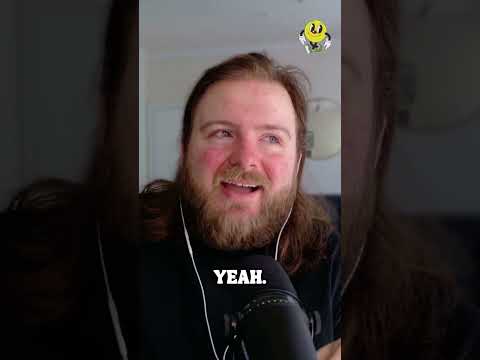
How 2 Homeschool Pen Pals Started a Podcast 17 Years Later
Ask about Ex-Homeschoolers Club
Episode Description
Chris and Syd join Jacob in the clubhouse to unpack their unique homeschool experiences, starting with their early days on the Homeschool Blogger platform in 2007. They share how a long-distance friendship built over poetry blogs, emails, and AIM Messenger eventually evolved into launching their podcast, Clothesline, nearly two decades later.
The pair discusses navigating parentification, testing anxiety, college pressures, and living abroad while exploring how their fundamentalist upbringing shaped their adult identities. They also dive into deconstructing religious trauma, processing abusive relationships, and embracing their identities as non-binary individuals, closing with a candid debate on curriculum flaws and the need for legislative oversight in modern homeschooling.
*Check Out Clothesline* • Substack: https://clotheslinepod.substack.com/ • YouTube: @clotheslinepodcast
*Connect with Chris* • Everything Chris: https://xcjumperx.carrd.co/ • Substack: https://crisiscorner.substack.com • Pickles and Vodka Podcast: https://picklesandvodka.substack.com • Pickles and Vodka YouTube: @picklesandvodkapodcast
*Connect with Syd* • Everything Syd: https://houseghostcreative.carrd.co • Substack: https://houseghostcreative.substack.com
*Support the Show* • BuyMeACoffee: https://buymeacoffee.com/exhsclub • Subscribe on Patreon: https://www.patreon.com/cw/exhsclub • Check out our Substack: https://exhsclub.substack.com • Email Newsletter: https://exhsclub.beehiiv.com/
*Message Me On Socials* • Email me at [email protected] • Instagram: https://www.instagram.com/exhsclub/ • TikTok: https://www.tiktok.com/@exhsclub • Threads: https://www.threads.com/@exhsclub
*Listen on Podcast Players* • Spotify: https://open.spotify.com/show/1hIhpMeEy6VJuqNUwfz5TE • Apple Podcast: https://podcasts.apple.com/us/podcast/ex-homeschoolers-club/id1641525487 • iHeart: https://www.iheart.com/podcast/269-ex-homeschoolers-club-201877573
*Chapters* 00:00 Welcome to the Ex-Homeschoolers Club 02:15 Meet Chris 03:26 Regimen vs Unschooling 05:10 Curriculum Swaps and Conventions 06:10 Syd Plans Her Own School 10:58 Testing and Scantrons 15:58 College Pressure and Paths 18:26 Dance and Safe Colleges 21:51 Gap Year to Hong Kong 27:13 Oldest Sibling Expectations 29:39 Meeting on Homeschool Blogger 36:40 Online Friends to Podcast Partners 40:24 Why Start Clothesline 42:00 Building The Podcast 42:59 Vulnerability And Trauma 46:14 Queer Identity Question 47:35 Syd Nonbinary Journey 52:43 Chris Coming Out Story 59:46 Finding New Community 01:01:47 Beyond Masculine Feminine 01:07:26 Where To Find Them 01:09:30 Homeschooling Today Debate 01:16:48 Final Thanks And Wrap
Read the full transcriptHide the full transcript
- What is good, my ex-homeschooler friends? It's your boy, Jacob Gooden. We're back for another week in the Ex-Homeschoolers Club,
- and this week, I got brand-new friends with me in the clubhouse. That's right, Chris and Syd are stopping by, and they're gonna touch
- on their homeschool experience. But more importantly, we're gonna talk about them being homeschool friends who
- have never actually met in person, okay? They actually know each other because of a website called Homeschool Blogger,
- or at least I think it's called Homeschool Blogger, which was like social media before social media, and they used to email each other and,
- uh, you know, DM each other on, like, AIM Messenger and stuff like that. And, uh, we're gonna touch on, like, their friendship and how it started, how it's
- evolved, how they've remained friends all these years later, and now ultimately,
- how they've come together to start their own podcast called Clothesline, where they touch on, like, growing up as religious homeschool kids and some of the
- struggles and the trauma that has come from that and healing from those things, finding their true identities and just, yeah, becoming better people ultimately.
- Um, and so we had a great conversation today. I'm stoked for you guys to hear it.
- Link for their podcast is also gonna be in the description below. But stick around first, listen to this episode, and then go
- check out their podcast, okay? I'm being selfish, but, you know, there's an order to the madness, okay?
- But, uh, before I turn it over to the past version of myself and our interview, uh,
- I do got a favor to ask, and that is this. I am trying to hit 1,000 subs on YouTube before the end of the year, okay?
- And so, uh, if you have not subscribed over on YouTube, maybe you listen on audio
- platforms, or maybe you watch on YouTube but just haven't clicked Subscribe, consider clicking the button, okay?
- Just do it. Uh, it helps the channel out. It helps me out. It's just a goal I have for the end of the year.
- I wanna hit 1,000 subs, and we're well on our way to do it, okay? But, uh, you know, think of it like it's like an early Christmas present, okay?
- So, you know, if you wanna do me a favor, I'd appreciate it. All right. With that, I'm gonna turn it over to the past version of myself and
- Chris and Syd okay, I'm gonna do I kinda, I like to always get started, like, with your
- guys' homeschool background. So I don't know, uh, this is one of the first, like, three-way conversations
- I'm having, so I don't know if someone wants to raise their hand and go first. But, like, let's, I mean, let's dive in a little bit.
- Who wants to, who wants to share their homeschool story, I guess, first? So I am the oldest of seven, and we were a military family, so we moved around a lot.
- That was part of the reason we homeschooled. Um, but the other part was religion.
- Um, my dad was a chaplain in the military and then later became an evangelical Presbyterian minister.
- So we were military kids, and we were pastor's kids simultaneously. Best of both worlds.
- Yeah And yeah, I was homeschooled from preschool to 11th grade, and I did my senior year in a private Christian school.
- I got the choice to homeschool or finish out there, and I said, "Well, at least I'll have one year of semi experience before going to college."
- Yeah But yeah, I was homeschooled most of the time, and I also taught one of my little sisters to read.
- Homeschooling is a big… in there too, sounds Totally. Totally. A lot of parentification, um, and homeschooling
- played a huge part of it. But it was also fun, Mm-hmm which I'm sure we'll talk about later
- Is there a particular, like, were you, were you… W- was your homeschool a r- a regimented homeschool, or were you guys kind of, I don't wanna say
- maybe bordering on, like, the unschool? Like, I think about my homeschool experience and at the, the first couple
- years of my life, or the first couple years of doing it, my mom was very like, "We're gonna be at the kitchen table at 8:00 AM, and we're gonna do this for
- an hour, and then we're gonna do this." And then by the end it was literally like, "Here's a bunch of textbooks,
- and here's what is expected to be done by the end of the week. Go do it." Um, where do you fall in kind of maybe… Well, and then I know there's also
- the unschooling, which is literally like, just run around and be free. So where, where do you fall in that kind of span of stuff?
- Kind of similar to you, my mom tried so hard to have a regimen, and she'd, she would try a bunch of different ones, and so none of them really stuck.
- Um, but like at one point we were wearing school uniforms from the thrift store even though we didn't go to school, 'cause she wanted us to feel like a real school.
- Yeah. I mean, hey, there was That's cute So I Yeah know, a little bit of a micro school going on
- She has, she had seven kids in nine and a half years. Uh, she graduated from high school, so like I, sh- I have so much respect for
- her for doing it as long as she did. I don't know how she did it. We did a lot of textbooks.
- Um, Abeka comes to mind. That was a big one we did. Uh, for a while we did the IBLP, um, wisdom booklets, the AF- AFI,
- the ATI, Mm. wisdom booklets. We did that for a few years, but then kinda gave up.
- Okay. So there's Towards the end it was… Yeah, towards the end it was totally self-driven
- I feel like that, that similar in that like, yeah, we did Abeka to begin with, and then it was not working.
- Certain aspects of it weren't working, so it was like very just like cherry-picked
- off of, you know, the, the curriculum. My mom would go to a, a big, um, like curriculum meetup.
- It was called the CHEA Convention, and it was just this massive ballroom type of thing with all these vendors.
- And she'd be like, "Okay, this year we're gonna try this thing and this thing and,
- Yeah And eventually some things would stick, right? Like we found Math-U-See, and Math-U-See was the thing that worked
- for my sister and I. So, okay, we're gonna stick with that one, and that goes all the way through high school.
- Great. Uh, but everything else was kind of this constant rotation out of like, this is not working.
- It's not clicking for my kids. Or when you get to high school, a big curriculum change a lot of times
- for, for most families as well, We had a lot of PC games that were educational. Yeah, a lot of that
- house? That's, that's so untraditional for a homeschool family. I'm just kidding.
- Kidding. I also had a computer in my house. So Syd, let's hear, us the longer than the elevator pitch, shorter
- than a 500-page novel, what was your homeschool experience like? Very boring compared to Chris's.
- Okay. Uh, Don't say that just… I mean, compared to, like, a party house of seven kids, you know?
- Like, we were just three kids. I was eight when my brother was born, and I was nine and a half when my sister was
- born, so quite a big age gap there, and a lot of the aforementioned parentification.
- yeah, and it was I was homeschooled the entire way through, so I never once to a public school or private school.
- But when I was, I think I was 16, I became dually enrolled. 'Cause I could have graduated, but I was like, "I'm 16 years old," like,
- "What am I gonna do if I graduate?" So I just used the last two years of, of my, um, school to basically just write books and, like, research things that
- I was interested in and just do, you know, like, the fun stuff that, um… There w- there was, like, a very strict regulation, uh, back when I was
- homeschooled in Alabama for what qualified as officially completing a school year.
- You have to get this many credits in this subject and so on. So it was a little more, uh, strict and basically because I'd had all of
- my credits done, I just used the last couple years while I was dually enrolled to, like, finish high school by, like, writing books about the Middle Ages or
- doing whatever could just add extra. But yeah, I was dually enrolled for a couple years and that was my very, very
- first experience of being in, like, a, like, a, quote, quote, "regular school environment." And it was pretty nerve-wracking, but I remember
- feeling so accomplished with myself. Like, "Oh, I'm going to class." Even though… So I, I grew up and we were in a
- homeschool group, so we still had classes, but it's different when you know everyone.
- Whereas, like, me, you know, getting lost in this teeny tiny community college campus and walking in and not knowing a single soul and sitting next to a stranger
- and having a strange professor, you know. I was just like, "Ah." So, um, in terms of curriculum, my, my mom definitely
- obviously helped, uh, and did all the curriculum planning probably until, I don't know, I think once my sister was born, when I was nearly 10, is when she
- started showing me how to do it myself. And then by the time I was 11 or 12, I was pretty much, planning my
- entire yearly curriculum myself. So I had the, like, requirements open on one tab for the school year and then I
- was doing all the research, like, here are the books I should read, here's… You know, like, planning everything.
- So Interesting I feel like that gave me a very unique skill set that I still utilize
- today, so that was pretty good. But yeah, your, or your parents at all involved in, like, you building out
- your own curriculum at that point? 'Cause, like, my parents definitely took input from me, but never, like,
- to the degree of like, "Yeah, you're just gonna decide everything." I think, I think the reason she gave me, obviously once I could prove
- that I had grasped, you know, the concept of planning it in accordance to the regulations, she gave me that responsibility I also kind of enjoyed it.
- Um, but she always double-checked everything, when I was younger. You know, as I got older and I'd used up all of… It's like, okay, I've
- already got all my credits for English. I've already got all my credits for, you know, history or whatever.
- It became pretty much like I was just kind of focusing on the subjects that I was interested in, so she was a little less concerned
- by the time I was, like, 15 or 16. So, um, but yeah, she was, she was my main teacher.
- A lot of it, uh, was self-taught as well. So I don't know if y'all did the, um, like, the Abeka English workbooks,
- and it would explain everything. Like, you kind of didn't really need someone to go over that you
- Did you, especially once you got older What were y'all's standardized testing experiences, if any?
- 'Cause in the s- the states where we were, I remember going to, like, these homeschool groups that it would be a week long with all the same kids,
- and while you all took the state standardized tests, and that was, like, a highlight of the year for me.
- I was so excited to take those tests I loved SATs because they were all… Do you remember, like, on the form,
- they were little bubbles, and you had to, like, shade in the little bubbles? That was my favorite
- I still love doing that. What if you made an art project with those? Oh, 100% you can, for sure.
- Just buy some Scantron sheets on Amazon or S- You'd oh man. Yeah. just took me back with that word.
- Yeah, I didn't take any standardized testing. So California is Oh, really? literally you submit a piece of paper at the beginning of the year
- that says, "Hey, I'm homeschooling my child," and that's it. That's the only thing you have to do to homeschool your kid.
- Um, it's I remember you saying that which is crazy. I will say I did take my m- After a couple of years, my mom paid for us to do some
- standardized testing just to, I think, Mmm. give her the sense of confidence that at least the kids are
- kind of in the right place. Right very often, and it wasn't until the SATs, and I also took the ACT, that I
- was like, "Okay, this is what testing is like." And I took those quite a bit because I was, you know … They, they're nice 'cause it's kind of
- s- stacks on each other, right? You can take your math score from the SAT and also pair it with the, you know,
- English score of a different SAT make a, Mmm-hmm. ' cause I was just trying to, like, get into as many
- Maximize it. I was like, I Yeah I don't know. I was a homeschooled kid. I didn't know.
- Could I get into college or not? Like, it's a big maybe. I feel like we all have really different experiences when it comes to that,
- and I'm excited to talk about it it varies depending on state. So, like, we didn't do state… we didn't all gather together.
- Y- y- you said you went to, like, a, like, a standardized testing conference thing?
- for Did I…? it was just like Yeah, for y- for like a private, um, Yeah testing thing.
- I don't know if it was through Yeah really… I was a little kid, so I really, I remember it, like, and I
- remember them walking through, "Hey, here's how you're gonna fill out the, the bubble sheet," and all those types of
- Yeah. yeah, it was Mm. Don't know. I don't know if that Ja or accurate to what standardized testing looked
- Yeah or any, in any of the other states then what, what did you say, Chris? It was just like a homeschool group that everyone had to do the mandatory
- standardized tests anyway, and so we would all just get together to do it. And the parents, like the, the moms, you know, let's be
- real, none of the dads did it. They would like hand out the tests. One of them would be … Like, they would be supervising, and
- then everyone had a bag lunch, and, Yeah. it was really fun s- Yeah, it was very similar.
- Like, in our, our little rural town, we would just get together as, like, a homeschool group for, maybe a couple days, two, three days, something
- like that, and we would just meet at, like, a random church, and we would have all of the testing done.
- So there'd be some people in one room who did whatever subjects, and then, you know, you'd switch after
- Mhm Um, yeah. And, and I found the, I found the SATs and the ACT to be completely
- different, I don't know if it was the environment because with the SATs, I was in a familiar place with people that I knew, and then with the ACTs,
- I had to go to the high school because that had to be, like, firmly regulated. You couldn't do that.
- Like, you had to be, like, under a school or, or whatever. I don't know. And I remember the first time I took it, I can't remember about the second time
- I took it, but the first time I took it, not only do I not know my way around the
- high school because I've never been to school, but they put us in this teeny, tiny classroom that had no windows.
- It was, like, in the middle of the high school, and there was just this random room that had no windows and those horrible fluorescent lights.
- just, like, it was so intimidating, and I already have test anxiety. So not do as well on the time as I hoped, but, know, we got there.
- We still all, well, I'm guessing we all made it to college, uh, in some form, possibly.
- Art school dropout. Yeah, I graduated… I, I went to three different colleges before graduating
- Okay. W- Mmm. was college something like that your parents a heavy emphasis on, "We wanna
- make sure our kids are prepared to head to college," or was it a little bit of an afterthought of like, "The goal is really we're gonna get them through high
- school and then they'll figure it out"? I guess it was, for us it was kind of an assumption that you would go
- to college, but there was also not a lot of pressure to choose college. Like, my, most of my younger siblings had different experiences than me in
- that they did take a gap year or they did, like, not go to college at all. They went to trade school or whatever.
- Um, and I'm kind of envious of them for that 'cause I, I felt so much pressure, not from my parents, just from society at the time to like,
- you know, go to college right out of high school and choose a career. Um, and so that was really, really intimidating for me 'cause I didn't
- really know what was out there when you, you're so isolated like that, sometimes it, you
- know, the, the homeschool world, regardless of how, you know, uh, socialized you are with anything, there is a bubble component to it.
- And so then you, yeah, you throw your kid to a college, even if they go to a Christian college or whatever, it's like there is still that bubble
- getting popped of like, "Oh, this is the real world all of a sudden? Like, there's so many options out here, and yeah, what do I wanna do?"
- I mean, I changed my major like a couple weeks into college 'cause I was just like, "This is clearly not what I'm, I'm gonna do, uh, with
- Yeah Um, but yeah, I, I totally relate on the like feeling a little scared. And no, looking back, I'm like, "Uh, maybe I should have taken a gap year."
- I feel like I took a gap year at the end, 'cause I did college in three years, and I'm like, and then I did a four- my fourth year of what would be college.
- I just kinda like lived at home to figure out life, and I feel like that was my gap year.
- Um, so I did it in the wrong order, I guess, is what I'm trying to say I mean, I, I feel the same.
- I went to the Christian college right out of high school, dropped out junior year,
- worked for a year, did a few community college classes out of pocket, and then I went to a school online through my employer, and that's where I graduated.
- So very different experiences. Uh, and I think I It was kind of a soft landing from the Christian high school.
- Like, from homeschool to the Christian high school to the Christian college, it, you know, it could've turned out worse, I guess
- Did you pick a Christian college because, like… Well, picked a Christian college
- because I wanted to continue on what I ca- what my friends and I have deemed, like,
- the, the youth group experience of like, oh, it's like it's somewhat safe 'cause,
- like, everyone's gonna kinda believe what I believe, and, like, there's, you know, I'm not gonna be exposed to the world like if I went to a state school.
- Oh my gosh, I'm gonna be, you know, Mm. know, uh, They're drinking at state schools.
- I went to a s- I had all They're partying The o- the People are getting pregnant left and right
- Hmm thing that I knew was a requirement was I, I was a dance instructor, and so I
- was like, "I can't go to a Christian No way allow dancing." But aside from that, I was like, "I don't care.
- I'm n- I, I won't drink, I won't do drugs, I won't have sex. Like, I, I don't care about that stuff." Uh, but I was like, "I have to be able to
- dance 'cause that's how I make money." Um, What kind of dancing did you do? uh, ballroom and swing and a little bit of, like, cotillion
- and English country and stuff. So all of the Oh my God tropey stuff, yeah. yeah, super fun.
- That's awesome but it was definitely a really fun part of, of childhood. My mom threw me in that class when I was, like, 12, and she was like,
- "Y- he needs to be able to talk to people of the opposite sex, and, Mmm how he's gonna have to do it."
- So hated it the first week, and then by the end of that week, I was like, "Okay,
- no, I'm, I'm hooked on this. This is super fun." So, um, did that for a long time.
- Uh, Wow But yeah. For, for you, Chris, was that… I don't know. Was there any thought like that when you were picking your first college
- of like, "I kinda wanna go somewhere that is still safe in that regard"? I think subconsciously I was scared of the outside world
- and I didn't want to admit it. I, I didn't think I would go to a Christian college, but, um, I didn't
- really have any other options. Like, my dad was an alumnus. Alumnus? Alumni? Both I
- dad ha- My dad had gone to this school back in the '70s, and so of course he was pushing it on me, and it was…
- So I was in Chicago at the time, and it was in Oklahoma. So it was very far away, and that also was attractive to me at the time.
- I spent a big chunk of my senior year in the hospital, and so I missed the deadlines on a lot of college applications.
- That was literally the only one I applied for, and I had to have teachers and parents, like, on my ass to do that.
- I, I barely graduated, so I kind of just ended up there and didn't really know what I was getting into.
- If I had, I don't know if I would have made that choice. Yeah, yeah. I feel the same way a little bit.
- Uh, the only, the only reason I graduated in three years was literally because I was like, "I have to get out of this place." Um my j- my… I, I
- majored in music business, and so it was one of the few programs that was a three-year program, and I was like, okay.
- After one year I was like, "I can just, I can just do it. I can stick it out for two more years. I got this," uh, kind of a deal.
- But yeah, but it was definitely, by the end it was like, get me out of this place and I never wanna go back.
- And yeah, have never set foot there again. It's expensive Yeah, it is. It is expensive, for sure.
- you said you went to art school. Was that, did you immediately head out to art school, or what,
- what did your kinda like launch into i- in some ways look like? mine was extremely different both of yours.
- So I, I, uh, graduated officially at 18, and then I took a gap year, and I was trying to figure out what I wanted to do.
- I, I was like, "Okay, I think I wanna travel," but… A- and Chris and I have talked about this on Clothesline.
- W- I couldn't really understand any sort of, like, life or activity outside of the ministry, because that's all I had ever been exposed to.
- So I was like, "Okay, I can go…" My two options were working with Mission to the World.
- Do y'all remember Mission to the World? It sounds familiar Yeah, it was, like, one of the… I'm sure it's still going, but it, it's, like, a
- huge, like, missionary organization, and they, they are, like, international. And I was like, "I can work with Mission to the World, and I can go live in
- Greece and teach art. That'd be sick." then my parents both knew this man from Montgomery, Alabama, where they grew up, who had a church plant from Tim
- Keller's Redeemer Church in New York City, of his church plants in Hong Kong. And they were like, could hook you up.
- Like, we can hit him up and be like, old buddy, do you need an intern or for a year or six months?'"
- or something like that. And long story short, we ended up going with that option.
- So when I was 19, I ended up moving to Hong Kong. So I'd already been accepted to a couple of universities in Alabama to
- double major in art and psychology. I wanted to be an art therapist. Um, but Me too, for a while.
- I'm so sorry. I'm so sorry. I, I wanted to be one of those too. I had no idea. Art therapist.
- Wait, really? Yes. Like, until- I did not know that … un- until a few years ago I wanted to be an art therapist.
- Anyway, I'm so sorry. therapist. You'd be great at it L- You know what's crazy seriously, I think I would
- about like interacting with people who have known each other, 'cause you guys have known each other for a very long time.
- Um, and I know we're gonna get into that in a, in a little bit, but it's funny to see how even then there's things that still pop up of like,
- "I had no clue you, you wanted to do that with your life," or whatever. I just had a call with some buddies that we were talk- we've known each
- other since we were like single digits, and we're all 30 now, and we were both, we were all like, "Wait, you wanted to do that too?" Is… Yeah.
- Anyway, sorry. Continue on what you were saying, Syd. I love it. I love it. Yeah.
- Um, yeah, so I, I moved to Hong Kong and very, very quickly I was like, "Something
- about this place…" And this is… I'm actually, like, so proud of myself. I was talking with someone just a couple days ago about how coming from, like…
- And I'd traveled a bit in the US, you know, back when I was younger, but, like, coming from small town, Alabama, and all of a sudden hopping on multiple planes
- by myself to get to freaking Hong Kong, and I didn't have any culture shock. I was just like, "Whoa, this is so cool." And I was so open-minded and,
- like, wanted to learn about stuff, and I'm just… That's something that I'm immensely proud of myself for, like, I guess handling it that way.
- But it just really felt like home, and I ended up living there for four years. Um, that was… So when I was 19 and left the US, that's the
- last time I lived in the US. I've been back for extended visits, you know, through the last 15 years, but,
- um, yeah, it just really felt like home. And I remember calling my mom and being like, "I think I, I think I
- wanna stay here." And so there happened to be a… International student fees were just through the roof, and I did not have that kind of money.
- So I looked at this school, which was Savannah College of Art and Design. At that point, they had a Hong Kong campus.
- I don't think it's there anymore. Um, and my other option was either historic preservation or set design.
- Neither of those were available at the Hong Kong campus, and the whole point was the government, you know, such a big emphasis on education, in Hong Kong.
- They were like, "Well, you can come back, but you don't have a degree. So basically you have to come back and study or we're not gonna let you back
- in until you have a degree." So I was like, "Okay, well, I guess I'll just go with, like, advertising and marketing." So that's what I ended up doing, and
- then my professor turned out to be terrible, and that's why I dropped out, 'cause it was expensive and I was not…
- We were watching Mad Men in class, and I was like, "I'm not learning anything. I'm
- not paying so much money at this expensive school for nothing." why I dropped out.
- But yeah, that's my whole, like, tertiary education story. Love it. I, I love that it's, like, vastly different, you know?
- And that's, I think, the cool thing about, like… It, it's interesting to connect with homeschoolers and hear about that, that launching period
- of life, because it's always just so vastly different for everybody. Um, which is cool.
- And to see where someone struggles and someone didn't and, you know, vice versa, it, it's, it's interesting.
- Well, as the oldest too, you don't have a role model who did it before you, I think.
- Yeah, we're all oldest children, right? Yeah. Yeah. Yeah. the, we're cut from that special cloth like, yeah,
- Ja we are the trial in a lot of ways, um, Ja see if, Yeah don't screw it up. Um, which, yeah, so it, it, that's inter- Do you guys see with your younger
- siblings, like maybe it's… I don't wanna say it's easier for them, but like, because they witness you go through that like struggle of like going to college
- or like dropping out or like any of those types of things, do you think it's been
- easier for them be- because, because they've seen that and they have an example of it or, or is it just by case?
- If, if it is true, then they haven't told me. Uh, no, I'm just kidding. A few of them have told me, um, that they look up to me and that
- I … They admired that I was forging my way ahead without any guide. Um, yeah, I don't know.
- They're … Every one of us has followed their own unique path, and, um, I don't know.
- I don't wanna presume that they're all looking to me for, you know, guidance just because I'm the oldest.
- Like, I, I stopped assuming that a while ago 'cause, uh, my feelings got hurt all the time
- I feel you. I mean, as the oldest kid, I think there's a, there sometimes is this feeling of,
- like, wanting expecting everybody to look up to you to some regard, and when Well, yeah
- it's like, yeah, your f- your feelings get hurt or, you know, or, or they're just
- like, "I think you're an idiot," you know? Like, uh, "I'm doing it my own way," uh, 'cause, you know, you
- gave a poor example or, you know. There, there's a lot of different reasons for it,
- Well, yeah. I, like, you wanna be respected because you're doing so much invisible work,
- and then, yeah, you feel like you're kind of entitled to this recognition. Um, where, like, I think the best thing I can do is just live my life.
- I think people are always paying attention to you, um, whether you think they are or not.
- You never know, you know, how you're gonna influence someone I wanna get into how you guys know each other, because that was one of the most
- interesting things that I had heard on your podcast was how you guys met. And so I'm curious, like, how did you guys meet?
- Syd, take this away We, we thought we were younger, but we recently found out that
- we were older than we thought. How… Remember? No? I thought we were like 12 or 13.
- But you said that we were like 14 or 15, Yeah, it was 2007, which meant I was 15
- Yeah, I was 14. Back up a little bit though Anyway, back in 2007, there was this website, very creatively named
- Homeschool Blogger, which was basically Blogspot but for homeschooled kids, Same color scheme and everything
- same color scheme and everything, same layout. I don't know how they made it work.
- And homeschool kids from all across the US, I don't know, our parents viewed it, I think, largely as like a safe website where we can,
- like social media of the day, we can connect with other homeschooled kids, and yeah.
- So we both… I don't even remember, like, much about the interface or how the, we discovered each other, but I had a blog on there, and then Chris had a
- blog on there, and somehow we connected. And we just… I remember that yours was very like Lord of the Rings kind
- of mystical forest colors and kind of vibe, and I was like, "Whoa, is so And I was like, "I wanna be friends with this person." And, um, yeah,
- I don't even remember, did we start commenting on each other's blogs? Did we… Yeah.
- there a s- feature? I don't know well, so I was only allowed to start that blog because, uh, I was starting a joint
- blog with another homeschool friend. I wasn't allowed to have my own blog. I had to share a blog with my homeschool friend, and we both took
- on Elvish names so we were anonymous. I was Tinuviel and she was Nimrodel. And I don't even know, we posted poetry, we post- we took tur-
- like, it was very strange. Uh, very different writing styles. But yeah, we would post thing, uh, prose, if you will, and you would comment
- Yeah. I would love to read some of those comments Gotta have tried. the Way Back Machine or
- Oh, I have tried. I have tried. I have scoured the depths of the internet. Uh, for one thing, it's, it's difficult if you don't remember
- the URL or the usernames Yes involved. Um, yeah, it's, it's heartbreaking. I, I haven't given up yet, but
- you guys connect via this blog site, Ja Yeah does it evolve past that? Did you guys ever meet in person as
- No. or was it just, hey, we kind of stayed mutual friends via social media as time and, and platforms evolve?
- We exchanged some letters, I think I guess we got each other's email Yeah, we emailed each other and then we e- mailed each other
- physical letters a couple times. You mailed me a package of clothes while either
- the Hong From Hong Kong street market clothes. Yeah. That's awesome. Um, and then, yeah, there was, I think around 2008 or '9 is when everyone
- started getting on Facebook, and I feel like we might have friended each other there at some point.
- And since then we've just been following each other throughout the years. didn't really
- on Yeah, I was gonna say, technically we've known each other a long ass time, but it, it hasn't, it … Like you just saw, there's things we
- don't know each, about each other Right. I always followed you on Facebook and back when you had Flickr and, you know.
- we were… I guess we were kinda keeping tabs on each other loosely for a very long time,
- I think it was the photography. Yeah, and our love of, like, and fantasy and writing fiction, you know?
- And I guess, like, I won't say that that stopped. Like, I still kept tabs on you after all of that, even after you left Flickr.
- And I always thought you were so cool, but we didn't really have the level of, I guess, like, depth and friendship that we have now.
- Like, it, it's, it's quite fun because we've known each other for such a long time, and now we host a podcast together about some really vulnerable stuff.
- so it's almost like we're kind of… It, I don't know. It's a, it's a cool zone to be in, where we're still learning about
- each other, but we still know all these, like, random tidbits. Like, I remember when you had this haircut, or
- Mhm dyed this color, you know? So have you guys ever met in person? No One day we will.
- We will feel I kinda feel like should we? Would that be ruining it? No, No, don't say that.
- How could you say that? Take it from somebody. A g- a couple of years ago, I met somebody that I had w- I kind of had worked with
- on and off for a number of years, and it was like, we met, we met at a conference
- finally, and it was, like, so much fun to, like, go out to dinner, like, have a drink, and just, like, get to… It's, like, a different experience when you're,
- like, actually face-to-face at a, at a table at a bar or whatever, you know, Yeah
- like, diving into each other's lives. You can see how, how tall, how short you are.
- Like, you know, it's Ja It's just, you know, how you comp- how you stack up next to each other.
- Like, it's just, it's just such an interesting and, like, different experience than, like, yeah,
- Hmm uh, over camera. And so i- it's one of the things, like, I know at some point I'm gonna get to
- meet, like, people that I've had on the show who I only know digitally, and, like,
- It's great to do it because it's, like, it's just such a different experience than, than
- Yeah. I, I've had a lot of online friends over the years that I've met in person, and it's just so magical, and they've been really influential to me.
- A lot of them I did meet in the homeschool days because that was my only way of meeting new people, was online.
- I had a pretty robust online life I was just gonna say every time I've met an online friend, it's
- been such a fun experience. But I've never, I've never met an online friend that I've had
- for such a long time, like you. Like, that would be, be a milestone It's gonna happen
- I love it. Let's, let's talk a little bit about Clothesline then, and like how that kinda comes to be.
- I mean, you said, you mentioned that, you know, it wasn't until more recently that maybe you've kind of like a little bit more emphasis
- in your guys' relationship, right? And like, you know, getting to know each other on a deeper level.
- Is Clothesline a part of that or birthed out of that in some way? Well, so I have a mental health podcast that I've been doing since 2018 that I
- had Syd on as a guest in 2021, I think. No, it was 2019. 2019, I had Syd on as a guest in 2019 because I had put a call out on social media,
- and because we were still friends on social media, they responded. And then a few years passed, like literally five years
- passed, and, um, I, I like to… I don't know if you do this, Jacob, but I listen back to old episodes of
- my own podcast when I'm feeling lonely or, like, I need to be cheered up. Uh, and so I was listening to the one with Syd and I was like, "Oh my God,
- I wanna talk to them again." Uh, and so I, I think I sent you a message asking if you wanted to come back and do another episode, and so you did.
- Um, actually, I think it was this… It was either late last year or early this year, but it was pretty recently, I would say months before we started Clothesline,
- because, um, that's kind of how we got in touch again, and then you can talk about the idea you had separately and the direction you were moving in at the time
- Yeah, I mean, after that uh, interview on Pickles and Vodka, I was… I just, I don't know, like,
- it just made me realize how cool you are again, and we have such a really good conversation style, I feel like.
- And also, as if you didn't have enough responsibility on your plate, I was like, "Maybe I could rope them into, like starting a podcast with me." 'Cause I…
- So, like, during our first interview, I was in a long-term abusive relationship,
- and there was a lot that happened. Like, I don't remember anything about that first interview.
- I've not been able to, like, re-listen to it, 'cause that was such a painful part of my life that I don't think I'm ready to, like, face
- That's the downside of having a podcast. apparently I've said some, like, really cool stuff in that interview, which I
- was like, "Damn, okay, sweet." But yeah, anyway, so after, after that relationship,
- there was a whole… I won't get into all of the details, but, um, was really, really tough, and I was basically homeless for a really long time, and
- I, I had, I was reduced to zero when I left, and, and to, like, really my way up from, like, the depths, you know?
- And of course, because I didn't have the tools to, guess, kind of process what had happened, I got in another relationship else who was abusive.
- Luckily, that was, like, quite short-term. after that, That was a few years ago.
- And so I think, I think, like, after we had our second interview, which was late last year, early this year, like you said, think I just got to a
- point where I had already been like, "Okay, I've had lots of therapy. I've had lots of healing." Like, we're doing really good.
- Our life is really, like, lovely now. We're surrounded by beautiful people. I was just suddenly overcome with this, I don't know, I guess,
- like, drive that no one's talking about, like, the real raw stuff relationships like this have been through.
- Um, or, or sorry, that relationships like this, um, like how they can affect you, like what it's like.
- And I was like, "Wait a minute. We have to, like, dig and dig and dig. Why? Why did that keep happening to me?" And the more that I dug for me
- personally, I realized that it came from a lot of the indoctrination that I was exposed to as a kid.
- From growing up in, like, a very strict, you know, religion and being so sheltered.
- I was like, "Okay, we need to just start from the beginning," because I, I want to
- be able to help people 'cause I know how lonely it is for people who've been in similar situations to what I went through.
- And so I hit up Chris and I was like, "Hey, we don't really talk about growing up the way we did very often.
- You wanna start a podcast?" I was like, "Not right now, like in the future." And we just kinda kept talking about it and eventually we're like, "Okay,
- actually we should just go for it. Let's just start recording." And we exchanged so many voice messages.
- At a certain point I was like, "Okay, we should just start already. We're basically doing it."
- Yeah. Ja all that together. That's episode one right there, you know? Right? exactly.
- But right off the bat, we were really, we were really serious about it. Like, we really wanted it to be good quality.
- Like, I taught myself how to edit video just for this project. And like, um, yeah, we really wanted to reach the people who might feel a
- little crazy, for lack of a better word. Because, uh, yeah, on the outside, like you said, Syd, everything seems great.
- You seem like a, you have your life kind of together, but then you blink and, uh,
- something happens to revert you back to that, that time, and you're like, "What happened? Like, what did I go through? I don't really know." But like, it,
- it, the undercurrents are everywhere. Like, um, for me, I was always kinda uncomfortable talking about certain
- aspects of our backgrounds on my other podcast because that, that podcast is more like, uh, it has a, like a broader audience, I guess.
- Not everyone can relate. Um, not to say I don't talk about it at all, but this project, Clothesline, is
- really getting me out of my comfort zone, um, because not only have I not really
- delved into the, the religious trauma, um, the… My queer identity is tied up to it, too, because I came out late.
- Um, I was in the closet without realizing it most of my life. what really drew me into what you guys were creating and, and why I wanted
- to have you on the show was that, yeah, you, both of you come from this, E- everyone has their struggles, everyone has their traumas, and, and, but both
- of you were doing this work to, like, really talk about, "Hey, like, uh, you know, I'm in this toxic relationship, and it's direct- I've, I've done the work to
- realize, like, it's directly tied to this teaching that I grew up with or whatever."
- You Oh yeah is such a cool aspect to your show. I mean, th- this show is very much about, like, "Hey, let's talk
- about our homeschool experience," and yeah, well, those things get touched on quite a bit, you know?
- Um, but you guys were going deep, and w- and so far, I mean, I don't know if you guys have had guests yet, but, but it's really just been the two of you
- talking about these experiences that you've had, and then also finding your queer identities and, you know, the, the process of coming out and all these things
- that I, I'm like, "This is really…" It, it feels like I'm, like, reading someone's journal.
- Um, so, like in some ways, like, it feels a little bit like a violation of privacy.
- Um, I know you're putting it on the internet, and you're like, "Okay, we're comfortable saying these things on the internet." Um, but
- It's I am used to it Yeah. And I, I, I can relate with, like, my… I've done a couple solo episodes where I've talked about deconstructing
- religion and, and things like that, purity cul- growing up with purity culture and that kind of stuff.
- You know, I said sh- shit on the internet, you know, about like, "Oh, I struggled with erectile dysfunction, and it's directly tied to purity culture."
- You know, and all these different things. Um, and, and, you know, and so it, it, it's such a… It's crazy how
- turning on the camera and starting talking to a microphone, like, opens that up for, for people.
- And so seeing both of you talk about it with it, it, it helps, like, it's helped inform me a lot on things.
- And so, um, so I just wanna Oh Jo first of all. Thank you. thank you, And I mean, like Syd said, it's very vulnerable.
- Um, like not only are we confronting our past, but we're also confronting ourselves and, like, our ingrained i- indoctrinated values.
- Even though it has been, you know, over a decade since we officially left the church, like, it still goes so deep and it's really uncomfortable to admit that.
- And so, like, part of the reason I was hap- like, glad to start Clothesline was because it, it's a way to, like you said, it's kind of like a journal.
- Like, process it, um, and like re- accept that, yeah, this stuff still af- affects me to this day.
- It affects, you know, my sexuality and my, um, dating life, or lack thereof. It affects, like, my body image.
- And so yeah, those are just a few of the fun things we talk about on Clothesline.
- I'm curious, like, how you guys have seen your sexuality come out of, like, your upbringings.
- Because, I mean, we haven't even mentioned it quite on- I mean, you guys have start- started to bring it up, but, like, you're, you're both
- identify as trans and they/them. hopefully I'm correct in saying that. Um Trans non-binary
- is Yeah, non-binary Um, and, like, and that's, you know, it, it's, interesting. I was literally on the phone earlier with somebody, and I was talking about
- in the homeschool world, I would love to see from homeschool alumni what the stats are on people coming out as queer after exiting the homeschool world.
- Because I think in my friend group alone, it's like 50% of the people, and the more
- Wow about their homeschool experiences and kind of having the courage to finally
- come forward and say, "Hey, I did this as a kid, and here's the good and here's the bad, and here's all these things," a lot of them are queer.
- And so it's, it's weird 'cause I'm a straight guy. I'm a straight white dude. It's, it's, like, interesting to… I- it's like a new experience.
- I'm getting to do, meet all these new people that I knew them as, know, what they were before, and now I'm getting to re-meet them as this new identity,
- and it's, it's, it's really beautiful. But I'm curious for, for you guys, I mean, do you wanna touch on your, your stories
- of, of finding your, your identities? Syd, you go ahead first this time I, I never really had, like, a coming out moment.
- I never did, like, a big grand reveal. You know, I was still working for that church plant in Hong Kong when I…
- I was also in art school at the time, and that was really the first time that I was in a completely different place around so many different types of people,
- and I was meeting queer people, and I was like, "Wait, they're not actually, like, all selfish, evil people who are trying to lure me into sin," you know?
- Like, they're nice. And, um, it really kinda opened me up in a new way and got me
- really thinking, and I don't know. I guess, like, over a period of time, I started just kind of reflecting on how
- I never felt like… You know, I was, I was raised and socialized as female, and that never, ever felt right to me.
- Like, I remember distinctly being like three or four years old looking at my dad and saying, "I was born a boy." And he was like, "No, you weren't.
- I was there." I was like, "But I'm telling you I am," you know? And, and there were just so many things through my childhood that I
- was just like, "This isn't right." But there was no other option, and I, I didn't, I didn't know that I
- could even question it, you know? Right and so I'll never forget the first time I ever talked to anyone about it, I was
- sitting on… A, a lot of the apartment buildings in Hong Kong have rooftops. You could just climb the stairs, especially of older buildings.
- You just climb the stairs, and a lot of people just keep chairs up there and… You know, I was waiting for my friends to get home, and I was just
- chilling on their rooftop, and I was texting a friend of mine who's still, who I'm still very close with, and I was like, know, she doesn't feel right,
- but neither does he." I was like, "I'm somewhere… I'm something else." And, yeah, my friend was just so supportive and was like, "I'm just gonna call you
- whatever you want, whatever makes you feel good," blah, blah, blah, you know? And I think it was just a very gradual, especially after I left the church,
- um, it was just a very gradual, I guess, kind of self-exploration. And the first real, like, public statement that I made was just, I guess, adding my
- pronouns to social media or something. This was a long time ago. s- I mean, that's really like all I did.
- I never had any, like, "Attention, everyone, I'm non-binary, and I use these pronouns," you know?
- That was, that was really scary. And now I'm a lot more, um, open about it, and I'm not afraid to talk about
- being non-binary, and it has been a point of tension with a lot of people. And, um, you know, I'm in the process of kind of trying to repair and strengthen
- my relationship with my parents. And, um, you know, hopefully over my upcoming trip we'll have some good
- discussions about it if it comes up. But yeah, um, it's just been like very, very gradual and yeah, kind of it for me.
- I, uh, I love that. I recently had, um, uh, a guy on an, on, Beau, who's a tr- a trans
- man, and Beau was sharing how, like, they, like, testing out identities was a part of their transition.
- And so there was Mmm-hmm they/them and, and then getting to he/him and, and it was really interesting to
- kind of talk about that, like, like, like you were talking about, being on the roof and, and being like, "I don't feel, I don't feel like a she/her.
- I don't feel like a he/him. I'm like something else," you know? And like, what is that?
- And like, I think that's What I'm ha- what I've had to deprogram from my brain is, brain is that binary thinking of there's two.
- There's two genders, and that's it. Like, there's, there's just a lot else in this world that is, like,
- unexplainable, um, uh, to some degree. And, and it's, it's very, it's very cool to see people kind of step
- into their identities because, I mean, I've only known you from your podcast and from us chatting these couple times as we prepped for this
- interview, and it's really cool to see people be confident in who they are. And, and Syd, you're s- but both of you, Chris and Syd, both of you
- seem like very confident people in who you are, uh, as people. And so it's, it's cool to, it's cool to see that and, and to hear
- you guys find that confidence. So, Chris, uh, Thanks you like to share at all about you finding, finding your identity?
- First of all, it's, it's nice to hear that you think we have confidence. Um, that's weird.
- Uh b- even if it's fake confidence, it, it's coming across as real, I'll say No, well, I need to give ourselves more credit 'cause like you said,
- like it is a often a long process. You're t- trying out new things. Like, uh, even the first time I was even aware of an attraction to a
- woman, it happened in a dream when I was in Christian college, and I woke up and I was like, "That was weird," and then I just went about my life.
- And then it was like almost 10 years later, I was in treatment, uh, for my eating disorder, and a friend lent me Untamed by Glennon Doyle.
- Um, I'm not a Glennon Doyle apologist or anything, but that book was really instrumental.
- Um, she writes about being married to a man and realizing she was gay, and just I started crying while I was reading it, and I was like, "Okay, when I get
- out of here I'm gonna date women." And then that didn't happen, and years more passed, and then, uh, I was in a
- serious relationship with a man, and I just realized I wasn't sexually attracted
- to him, and I n- maybe there's a reason I had never felt in love despite being in many long-term relationships with men.
- And, um, so we broke up, and I, I didn't tell my parents right away why, but eventually I did come out to them individually.
- Uh, like Syd, I didn't have a big coming out moment. I just came out to people individually, and, um, it went surprisingly well.
- My parents try really hard, I will say. Um, even now, so, so like that was three years ago when I came out as gay, and
- now, you know, it wasn't until like last year that I realized I was non-binary and,
- you know, trying out they/them pronouns. Like Syd, I don't, like women, woman has never felt right, but
- also man has never felt right. I, I clearly have a feminine side, like I'm wearing red lipstick.
- I love like that side of me, but also, I don't know, I love being non-binary because you don't have to decide.
- You can, it, you know, flip back and forth. At least for me, that's what it means.
- I had a yeah. when you said that you came out to your parents individually. Um, I had totally forgot that there was one kind of coming out moment.
- this was, I don't know, was this in like 2021 or something? That I was… This wasn't the first time I had dated a woman, but it was the first
- time that I really felt a connection to, um, like a, a relationship with a woman.
- And, um, you know, I was, I was like, "Okay, well, she told her parents that we're together, and I'll, I'll tell my parents, you know, if, if this is how it's
- going." And of course, it ended up, like, not working out just a couple weeks later.
- But I told my parents on FaceTime. I was like, "So I'm seeing someone. she's pretty cool."
- And they totally freaked out. I could see, like, the blood drain from their face.
- And then my mom was like, "So what does your friend do?" And I was like, "Oh, my God."
- So that was… They never asked about it after that, but, um, that was, like, kind of, I guess, like, the biggest, closest thing to a coming out moment that
- I had, and it was really nerve-wracking. Yeah. Well, I'd Yeah the, the closest experience I have is when I my parents that I was
- no longer religious, and that I Yeah I was agnostic. And there was vivid fear around, like, "What is this gonna mean?"
- Like, do I lose my parents? You know, I did it in my own… They came to visit. They were sitting literally, like, right in this area, and,
- like, I was like, "I gotta do it. It's just burning a hole in just everything." It's just, 'cause it's
- just so much a part of who I am. And my Hmm like a lot of homeschool families, right?
- That's part of, a lot of times, the homeschool world is the closeness. And so there is a real fear of losing those people, and
- it's like, that's painful. And so I can't imagine, if I was that nervous, like, and, and I was, I,
- I wasn't coming out as queer, like, I, like, I, I can't imagine the, the terror, um, and, and the fear of like, what does that mean going forward?
- horrifying. I don't like disappointing people and I don't like conflict. mean, I guess it goes like for whether you're coming out as agnostic or
- coming out as, as, as queer, you know? We were all indoctrinated that this is the only correct way of life,
- and anything else is basically like unavoidable death, you know? And eternal suffering.
- And so it's really scary to kind of defy everything that we were taught, know, growing up.
- Yeah. it's really scary. Yeah. And you, you kind of adopt that guilt, you know? Yeah.
- Well, and I, I've realized recently something I've been recognizing in myself too is, like, how much of what I was taught was my parents and how much was
- also just the community at large, right? And so there are certain, there are certain things that I know my, my parents
- didn't necessarily agree with that, but it, or they don't, and thankfully I've been able to have conversations with them around those things.
- But the community at large kind of put it as, like, this is the okay thing of, like, purity culture or what- whatever, whatever it might be.
- Um, so it's been interesting to kind of unpack that, and it doesn't … I mean, I don't know how my parents would've reacted if I came out as queer.
- Like, I, again, I was scared when they I was coming out as atheist and agnostic, and thankfully I have parents who were
- like, "Okay, yeah." Like, "We don't care. We're gonna…" Like, not that they don't care, but they, they, wanted me
- in their life regardless, and they were Ja of continue walking that walk and say, "Okay, what does this mean?
- And how do we engage with that and ask questions?" And, and things like that. And so was and I don't think I'm not gonna say they've done it perfectly, um, it, but
- it's been nice to, like, have people like that in my life who, who are willing to
- ask those questions and willing to also Hmm like, that, like, like I was saying, this kind of, like, broader thing of, like, as
- a group we had d- we were saying, "This is wrong," or, "You shouldn't believe this,"
- or protecting kids from these things. it's like, but my parents raised me to think my own thoughts.
- They raised me to be an independent person. They raised me to make my own decisions, and guess what?
- I made my own decisions. And so they at some point have to respect that. Hopefully.
- Hopefully have to respect that. Mmm and, you know, um, anyway. Some it takes longer to accept that than others, if any or if, if they do at all
- Yeah. I'm Ja meant. Like, you know, Syd, you've obviously had issues with your parents and
- them coming to terms with it. Chris, it sounds like your family has also kind of maybe not been the easiest to
- get along with when it comes to, to that. But, like, how have you guys found maybe new community that has supported
- you in, in this big identity shift? For me, Mmm met the most people through curiosity.
- Like, I, um, I, I have to force myself to g- go and try new things. Um, it, it… literally, it feels like taking medicine.
- But then when I go, I never regret it. So, like, um, a few years ago, I was… I wanted to go to this
- protest in DC, and I needed a ride. And so I went on this queer app and asked if…
- And that's how I met my queer best friends in my old town. Um, I moved about a year ago, and so I lost that.
- I, I didn't lose that community. They're still around, but, um, I'm… Yeah, now I meet friends
- through, um, motorcycles. I ride motorcycles with a group of queer people, and that's been really fun.
- That's and the s- and the podcast. I mean, I… And writing, you know. I, I meet a lot of people online still.
- Chris I don't even know what the question was. I like when you're just talking Chris has a b- a buzzed head, red lipstick.
- I've see- I've seen photos of your motorcycle. Like, I'm like, "Chris is a badass."
- I'm a deeply insecure person. Who fakes You truly would not know by looking at you.
- You look so That's the point. Can, can, That's the point like take a, take a shot on this podcast every single time I say Chris is so cool?
- I'm uncomfortable or four times Yeah. But it's a fake… You know, you gotta fake it till you make it, right?
- That's, you know, um, at so- at some point you'll acknowledge that you are a badass, Chris, and,
- I mean, I will say that in, in my 30s, I don't know if y'all feel this way, I do, I feel like I've never been this genuinely myself.
- And I think it's, I'm only going to like fall deeper into myself from here on out, if that makes sense
- So something that you said, Chris, that I really resonated with was y- you still feeling like you have kind of this feminine and this masculine energy.
- Many years ago, uh, I listened to this conversation, uh, from this gentleman, and he was talking about tapping into the feminine and masculine energy.
- And he's like, "It doesn't matter who you are, you have those things." And, and he was like, "I wouldn't even call them the feminine masculine.
- It's just Right easiest, most binary way to understand what it is," right? And, and he's
- Exactly very much the caring. It's the, it's the soft. It's the, you know, it, it, the tender," right?
- And the masculine tends to be a little bit more of the, like, go out and kill it, uh, kind of a mentality.
- Bring home the bacon in a lot of ways, and it's, it's rougher, uh, right? And, and he's like, "But you need both." And so for him, he was like, as
- a dad, he's like, "I go, I go to work. I'm, I'm there to kill it. I'm there to be strong and, you know, bring home the bacon."
- And he's like, "And then I get home, and I have to turn on…" like, "I have this specific song I turn on, and it puts me in my feminine energy, and so I can go
- in, and I can be loving and caring towards my kids and, and my wife and stuff." And,
- and I was like, that's such an interesting way to kind of look at it of, like, I,
- I think so much of what gets ingrained when, when we're kids in the religious aspect is this very, like, this separation of those two energies, where it's like,
- "Well, you were, you were born a boy, and you were born a girl, and that means that
- you act this way." Um, and it's not true. Like, we have those energies inside of us to be a little bit
- on both, um, to some degree. And so you, you talking about that reminded me, uh, of that
- conversation I had many years ago. Gender is a spectrum like anything else. Yeah.
- Hmm. And I, yeah, I wish we had known that yeah, the more I learn about it, and also living in different cultures, the
- more I see how it truly is construct. I would say we could take it to the next level as well by recognizing
- that the traits that we associate with feminine or masculine vary depending on culture, micro-culture.
- Um, what's seen as feminine in New Zealand even, even though it's like a, you know, Western country, different than what's viewed as feminine in
- the US or even Canada, you know? And then on top of that, there's, you know, so many African cultures
- or so many, like, Asian cultures that see things completely differently. um, I think a… There, is, of course, you know, especially if you're from the
- same culture, we can always say, like, the overarching feminine, the overarching
- masculine, but I always challenge people, what exactly do you mean by that? Like, if you, if you think for a minute, what is feminine about that person?
- What is f- what, what exact aspect are you trying to, um, I guess describe within yourself?
- Is it nurturing? Is it Is it aggressive? Try to find like a, like a describing word instead of just, um, saying,
- like, feminine or masculine, you know? And that has been helpful for me to kind of identify, like, different aspects
- within myself, especially ones that, um, I guess I have more strength in, which are typically viewed as like the, the masculine aspects, you know?
- I'm like, "Okay, I need to just, like, chill out, Yeah, I feel that more caring and nurturing right now." Like, not just
- Do people, ugh, you know? do people also describe you as intense? Because people describe me as intense.
- Like, they always, even when I was a baby. Really? Yeah, I had, like, a massive resting b*tch face when I was a baby
- Yeah. Most people say I'm, like, really chill, but I feel like I come across as very intense, so
- It's because we're tall too I, yeah, it's the RBF too. Sorry, Jacob, we've just totally, like, taken this conversation in
- No, I love it. a whole new direction. No, I just, I can't, I can't, like, not say anything when people are talking
- about masculine and feminine because that's, that's just like, know, we can It's a binary
- that. I, yeah, no, I like what you had to say 'cause I, I, I appreciate that idea of let's, let's take those words, let's p- take them off the table
- for a second and what is the aspect, what is the attribute that you're trying to, you know, attribute to
- Mmmh. like, I think that's Mmmh. a much better way to look at it of like, hey, right now I'm gonna tap
- It, it's more of a I'm gonna tap into my nurturing energy or I'm gonna tap into this and yeah, maybe
- Yeah, you were both saying the same thing But yeah, Mm-hmm. it's kind Yeah I like that, I, I like that way of thinking.
- I, I had a friend not that long ago and, and who was also non-binary, and w- we were talking and they were like, they could, they were just
- like, "You talk in such a binary way." And I was like, "It's, unfortunately it's the way my brain just
- operates." And like, but I do too. I have to stop myself work on that." And so I think that's an easy way, that's an easy one for me.
- I'm like, I can start implementing that in my day-to-day, um, Yeah. It's really helped me.
- think that will help kind of maybe break some of those, those chains for me. So look at that.
- Mm. the therapist out here. Um, Well, what you'll get if you subscribe to Clothesline.
- Yeah. Yeah. And that's why everyone should subscribe to Clothesline, 'cause yeah, a little armchair
- That's right over here. Um, Oh God, no. I do wanna give you guys a chance to plug what you guys got going on.
- How can people find Clothesline or any of the other projects that you guys are working on?
- So, uh, you can find all our links on clotheslinepod.substack.com. Uh, it- we're on every major podcast platform, including YouTube.
- We are a video podcast, so you can see our faces on Substack and YouTube. Um, we have a Patreon that Syd set up.
- But yeah, all of those links are on Substack, clotheslinepod.substack.com. very cool.
- Syd, you got anything you wanna promote? Oh on social media that often. Um, but I am on Instagram, mostly Threads.
- I don't ever really open Instagram. I'd say when I am on social media, I'm on Threads, but, uh, I'm
- everywhere @houseghostcreative Okay. Very cool. Can I change mine? Yeah. Yeah, absolutely.
- Yeah I completely forgot about my podcast. Yeah. Yeah, shout out. Yeah. Yeah. So, um, I'm a writer.
- I write on Substack at crisiscorner.substack.com. They are my literal journal entries.
- They're very raw and uncomfortable, and so if you're into that, you can follow me there.
- I also do a mental health podcast called Pickles and Vodka, which you can find everywhere
- Very cool. I'm gonna make sure there's links for all of this stuff down below Thank you.
- Yeah like, yeah, if anybody's got the scatterbrained, like, don't worry, they're gonna be, uh, right down below for everybody to check out as well.
- Um, but yeah, Clothesline has been incredible. I have listened to Pickles and Vodka a little bit, uh, maybe two episodes or so.
- Um, something I wanna tune into some more as well, so great, great… Both great shows that you guys have going on.
- Um, and yeah. And you're just both creative people, which is, is cool. It's cool to see, um, in the space.
- want to kind of wrap up on, I, I ask this question of pretty much everybody who comes on the show, and that is, like, where you sit with homeschooling today.
- And it's, you know, I, I like to give the scenario of you have a friend or a family member who's coming to you and they've got kids and
- they're thinking about homeschooling. Um, and they're like, "You lived it. You did it.
- What should we be out for? What should we be… Should we be going down this path?"
- do you guys sit with it today? Like, are we pro-homeschooling, anti-homeschooling, somewhere
- in the middle of both of those? It's really difficult 'cause it differs based on where you are, obviously.
- Um, I don't wanna say overall I'm opposed to homeschooling because I know there are situations where it could be the right fit for someone, some families.
- With that said I wouldn't do it. I wouldn't recommend anyone to do it without taking a good hard look
- at themselves and asking themselves if they're up for it because I don't, I don't know if my mom knew what she was getting us into.
- And so my senior year was the year she stopped homeschooling all of us. Like, so my younger siblings, they barely were homeschooled.
- Um, I, I, yeah, I guess there was just not a lot of structure. Math and science was completely inadequate.
- Um, so I would say just make sure you really have a plan uh, you've been out of it for, uh, for a decade.
- You've had time to and think through all of the things, and I think that's what makes the, the opinion of homeschool alumni so powerful
- today, is that we have had the time. We're not, we are not fresh out of homeschooling.
- We have had the Right kind of have, I think, a little bit more of that nuanced conversation
- around it, where when we first exit, some of us are like, "Hell yeah, homeschooling was the best thing that ever happened to me," right?
- Or we're like, "This was the worst thing to ever happen. I wanna burn it all to the ground," right?
- Once you get eight-plus years out of it, you start to have a little bit more of a nuanced take of like, I can understand this, and I can
- understand that, and I still wouldn't do this," but, you know, I think Mmm where the meaningful conversation can happen, uh,
- Well, and there are pros to it too. Like, there were so many pros to it. It was fun in many ways.
- yeah mean, I, I'm about very glad that I was homeschooled. I think, um, really… There was a really good mix.
- I was very involved in, like, social things. I was very involved in sports. Uh, we had our group that we had classes with, you know, a couple times a week.
- So I, I do feel like there is this, especially with people who don't really know what it's like, there is this kind of, um, of course, reputation of
- like how did you learn to socialize? And I, I think that most of us had some sort of like group or some sort
- of social, even if it was church, you know, like there was some sort of like social aspect 'cause that is important when you're, when you're growing up.
- But am very glad that I'm homeschooled because, uh, that I was homeschooled is… Because there were some subjects that were really hard for me and I was
- able to spend more time learning them deeply and really understanding them. But then there was also the freedom to really go with where, you know, my
- natural interests were and it taught me self-discipline and, know, like overall I had a, I had a really good experience.
- Um, what, what does worry me if I had a family member, like you said, who was thinking about homeschooling is they going to indoctrinate their children by
- using these fundamentalist, you know, very curriculum that are teaching that this is the only way.
- The potential Yeah. And, and that's what I worry. Like when I was learning science I literally… It was
- a Christian-based curriculum. I can't remember the name of it but the, the person who wrote it was
- like, "Science is not a means by which anything can be proven." And I was taught to minim- like memorize that because… And so like literally up
- until a couple years ago every time I saw something that said scientifically proven I was like, "That's false.
- Science is not a means by which anything can be proven." And then I learned that actually science does prove stuff that was just such a cop-out from
- like, okay well, you know, here's the Christian view of everything and that just saves us by saying that no one else can prove anything.
- know, carbon dating is unreliable. I could keep going but that's my main, that's my main worry.
- But if someone wanted to do it with, you know, and like really educate their child on like lots of different things and really give them the freedom to kind
- of research and make their own decisions you know, why not? But it, it's not as, it's not as simple.
- It does require a lot of planning and really knowing what you're about to, I guess, embark upon like you were saying,
- I also feel like homeschool legislation is a good thing, um, because there's just such a lack of oversight, again, depending on where you live, and the
- potential for abuse is just so high. And so I, in my mind, that outweighs any potential for
- good, I guess. I don't know. Again, thinking in black and white, it's either bad or it's good.
- Like, I, like, I relate to that, what, that Jacob, what you said earlier about like thinking in black and white, 'cause I still do it all the time.
- It's, it's something you have to… Yeah. Yeah we have 47 states right now. You can be a convicted sex criminal and pull your kids out
- of school and homeschool them. Should that be a reality in our country? I, personally, I don't think so.
- But that's, you know, and that's something I will, I will… If those bills are something I can vote on, I will vote on those, and I will call my representatives,
- and I will do what I can to make sure that that doesn't happen in the future. Other things become grayer areas, right?
- Of how do Mmm-hmm. you know, what testing is appropriate for students, and how do we, you know, create
- oversight for what kids are learning in a way that makes sense for everybody. Like, that, those are harder areas to crack, right?
- Those are harder Ja and that's where there's gonna be a lot of conversation, because at
- what point does it become, it's just public education, but we give you the textbooks and you do it at home.
- Like, you know, does that make sense? I, I don't know. I, I don't have that answer currently.
- But it's something that I want to explore, because hearing stories like yours, hearing stories like the other people who have come on my show, even
- my own experience and the things that I would change about my experience. Like, all of those things how I view the homeschool world, and I know it's
- shifted a lot in the, the 12 years that I've gra- since I've been a part of it. But it's, still there.
- It's still, like, the, all of the curriculums that I used are still in business to this day.
- So, Probably haven't been updated either might not be Yeah um, you know, do I wanna see a change in those things?
- Absolutely. But, like, so how does that all plan, pan out? I don't really know yet.
- But we're working on it, hopefully. Hopefully someday. it's been a pleasure having both of you on, and I hope, I hope in the future w-
- either you'll come back individually or together again, and we'll explore even more of our homeschool experiences.
- I'm definitely gonna be on the lookout for the next episode of Clothesline. Uh, like I said before, links for all that stuff's gonna be in the description.
- But thank you for coming on. Thank you for being vulnerable and, and sharing your stories individually
- and together, educating me on things, giving me homework to work on. Um, it's been, it's been awesome, so thank you, guys
- Well, so thank you on. This has been really, really fun good. That's what we strive for here at the Ex-Homeschoolers Club, fun.
- Yeah. Fun. F-U-N. And I was homeschooled. I know how to spell. Uh, and to the I love it
- I hope you guys have enjoyed this conversation as much as I have. Uh, do all the internet things you know how to do, right?
- Like, subscribe, comment. Uh, go check out links in the description and share it with a friend.
- Please do. And, uh, until next time, we'll see ya. Peace.
Brief Summary
Chris and Syd trace a 2007 homeschool pen-pal friendship to Clothesline, sharing how religious upbringing shaped their identities and views on homeschooling oversight.
Key points
- School at the kitchen table—or not. The guests compare structured homeschool routines, thrift-store uniforms, textbooks, and curriculum that eventually became self-directed.
- The pressure to choose a future. The guests discuss how the homeschool bubble could make college and career decisions feel overwhelming, especially when they had little sense of what was possible.
- A homeschooler’s first campus nerves. One guest describes entering community college without knowing anyone, then facing a high-school testing room that felt intimidating and worsened their test anxiety.
- A New Home in Hong Kong. After growing up in a small town in Alabama, Syd moved to Hong Kong at 19 and found the experience unexpectedly welcoming. The city felt like home, and Syd lived there for four years.
- From Homeschool Blogs to a Lifelong Friendship. Chris and Syd trace their connection back to Homeschool Blogger in 2007, where poetry, fantasy, and online comments began a friendship that eventually became a podcast.
- Finding the Roots of Repeated Harm. Syd describes surviving abusive relationships and homelessness, then beginning to connect those experiences to a sheltered, strict religious upbringing. That search for understanding became part of the reason to create C
Episode highlights
- School at the kitchen table—or notThe guests compare structured homeschool routines, thrift-store uniforms, textbooks, and curriculum that eventually became self-directed.“Here's a bunch of textbooks, and here's what is expected to be done by the end of the week. Go do it.”3:46Nov 6, 2026
- The pressure to choose a futureThe guests discuss how the homeschool bubble could make college and career decisions feel overwhelming, especially when they had little sense of what was possible.“I didn't know. Could I get into college or not? Like, it's a big maybe.”12:46Nov 6, 2026
- A homeschooler’s first campus nervesOne guest describes entering community college without knowing anyone, then facing a high-school testing room that felt intimidating and worsened their test anxiety.“they put us in this teeny, tiny classroom that had no windows.”15:06Nov 6, 2026
- A New Home in Hong KongAfter growing up in a small town in Alabama, Syd moved to Hong Kong at 19 and found the experience unexpectedly welcoming. The city felt like home, and Syd lived there for four years.“I was just like, "Whoa, this is so cool."”24:55Nov 6, 2026
- From Homeschool Blogs to a Lifelong FriendshipChris and Syd trace their connection back to Homeschool Blogger in 2007, where poetry, fantasy, and online comments began a friendship that eventually became a podcast.“I wanna be friends with this person.”30:20Nov 6, 2026
- Finding the Roots of Repeated HarmSyd describes surviving abusive relationships and homelessness, then beginning to connect those experiences to a sheltered, strict religious upbringing. That search for understanding became part of the reason to create C“Why did that keep happening to me?”40:54Nov 6, 2026
- The Friendship Becomes ClotheslineA renewed conversation after years apart helped Chris and Syd turn a long-running online connection into a podcast. Their project grew from a desire to talk honestly about trauma, religious upbringing, and healing.“We're basically doing it.”41:49Nov 6, 2026
- Syd’s gradual path to identitySyd describes meeting queer people in Hong Kong, recognizing that being raised and socialized as female never felt right, and slowly finding language for who they are.“I was born a boy.”48:38Nov 6, 2026